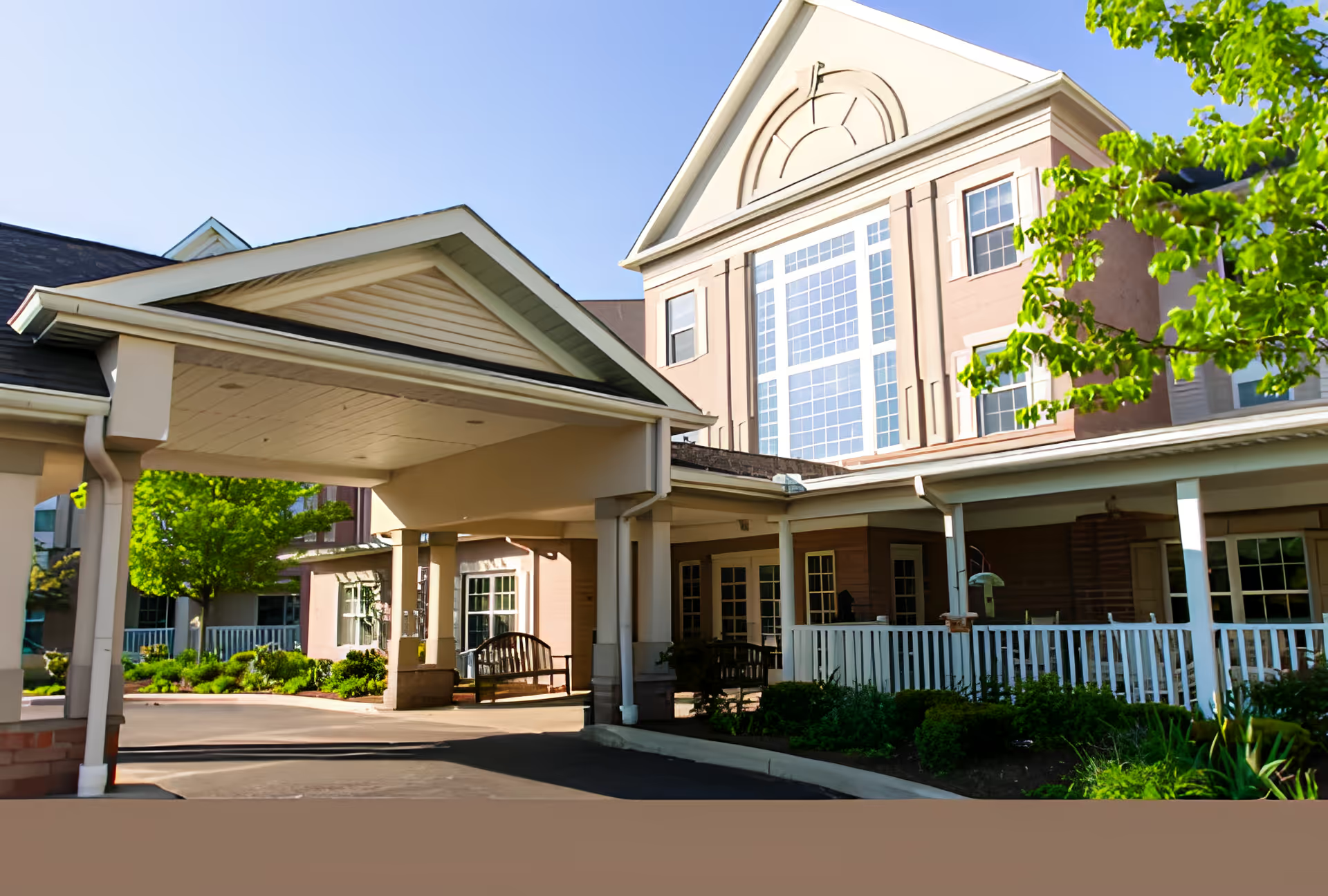
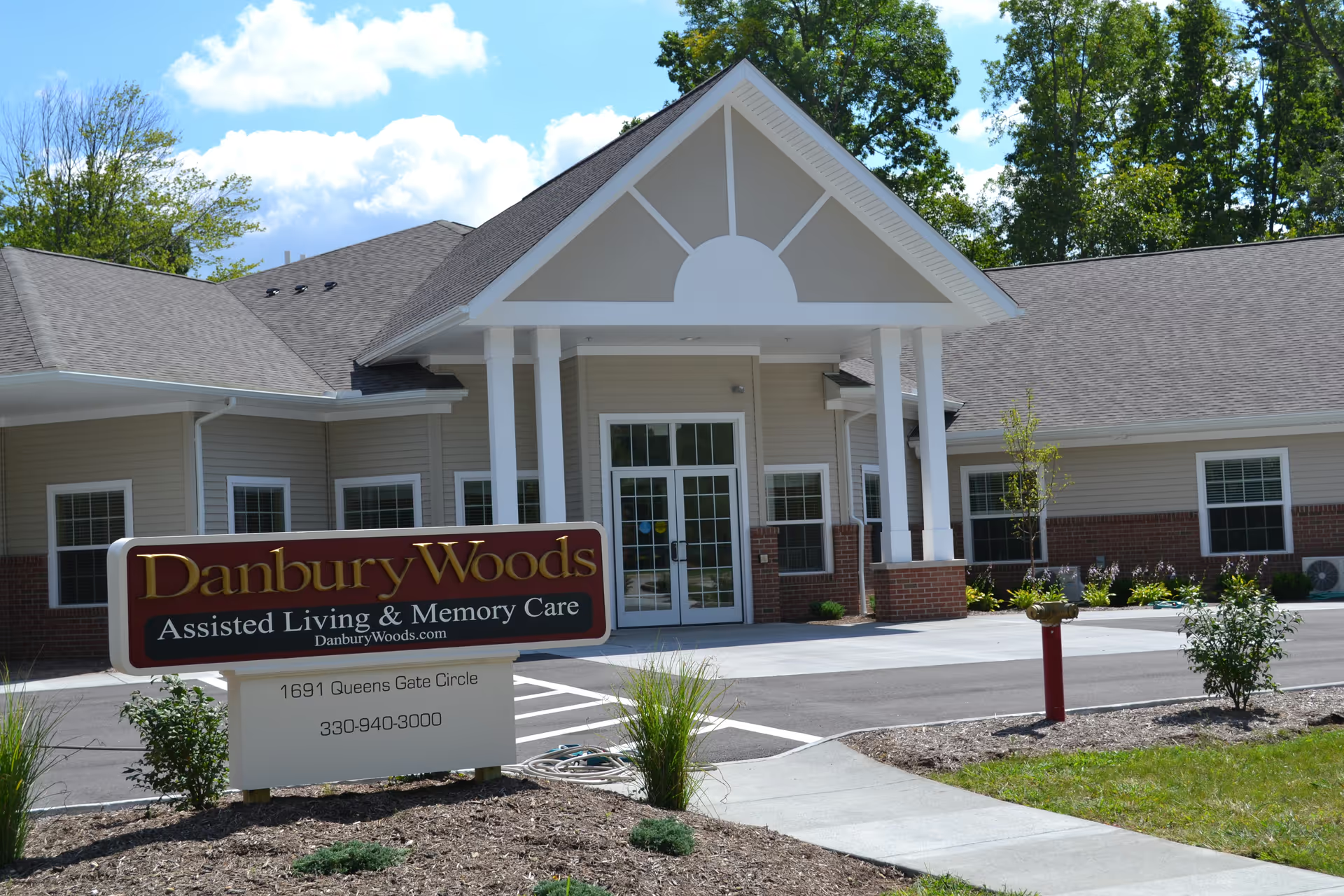
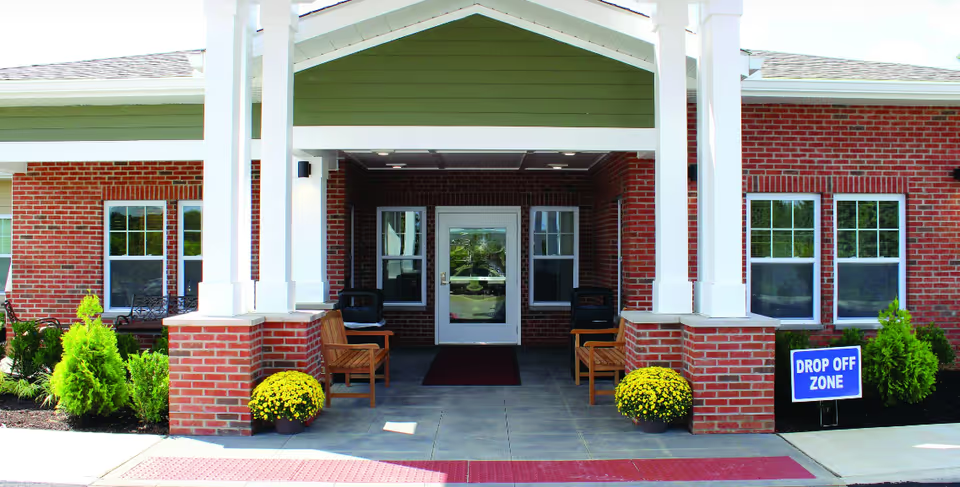
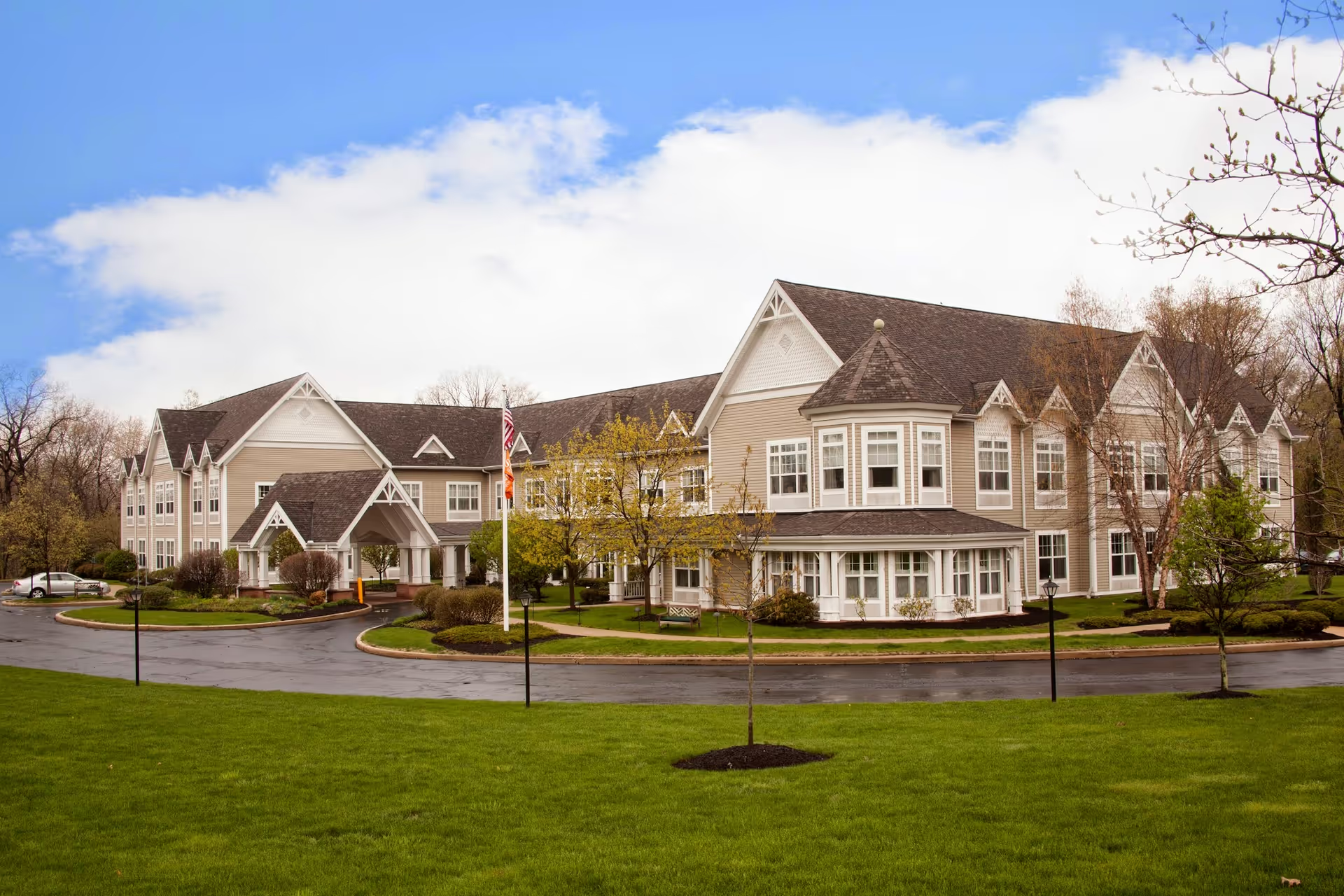
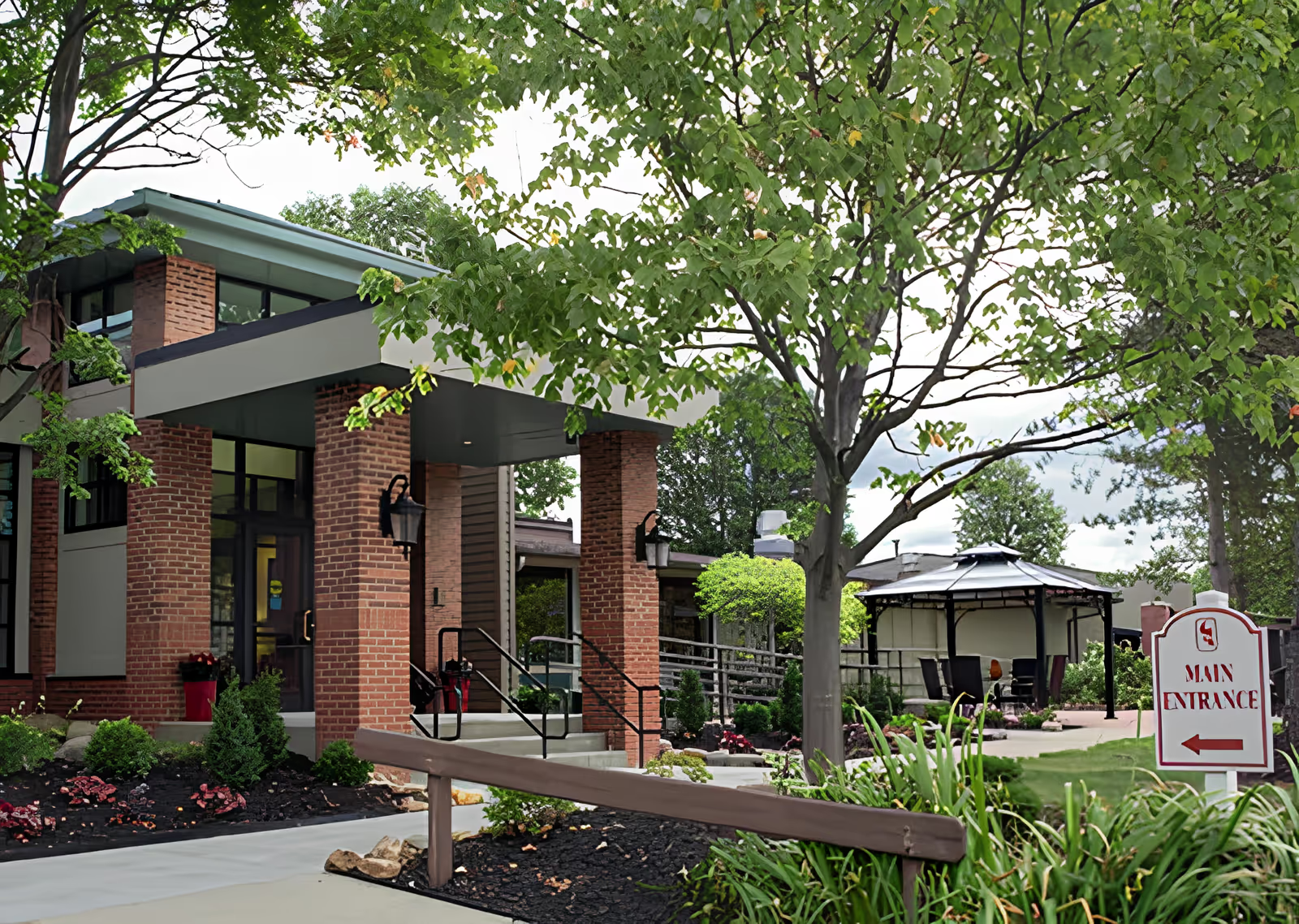
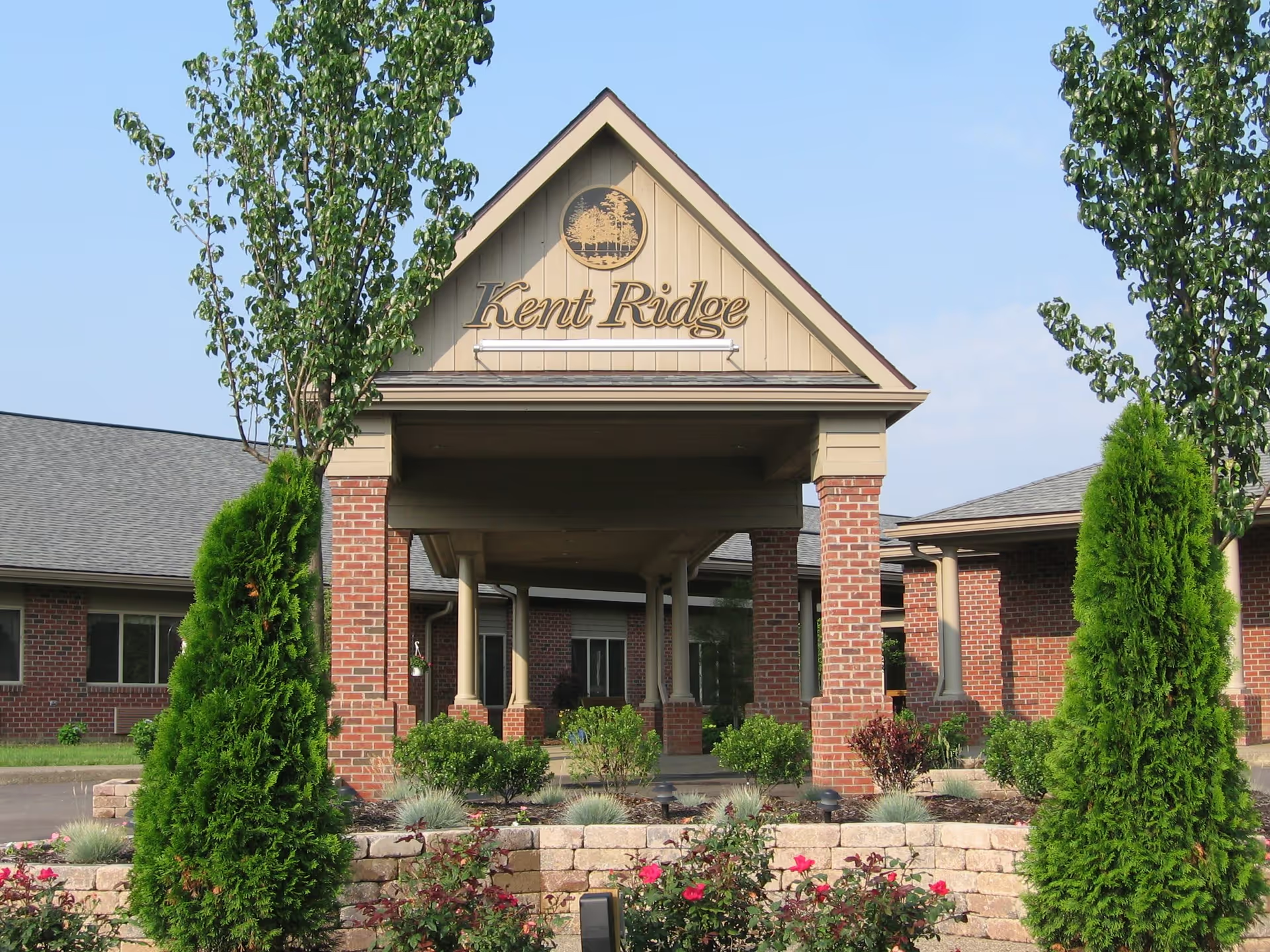
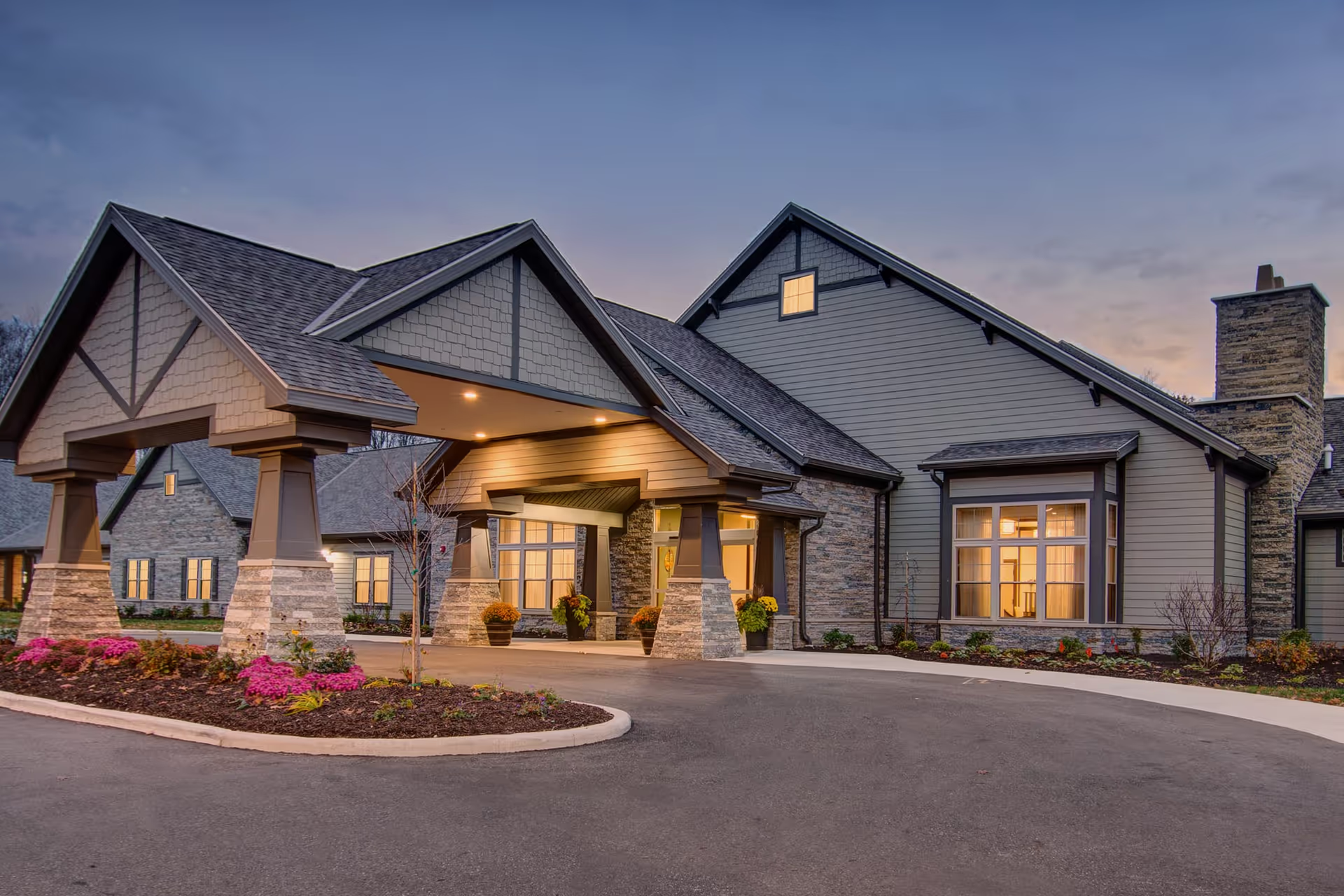
The reviews for The Pinnacle Rehabilitation Center and Nursing Home are markedly polarized, with clear patterns of both strong rehabilitation outcomes and troubling operational inconsistencies. Many families and residents praised the facility's therapy services, noting skilled physical therapists and a supportive rehab environment that produced measurable recovery. Positive comments also highlighted compassionate nursing attention, attentive certified nursing assistants, friendly admissions and frontline staff, and an engaging activities program that contributed to resident well-being. Several accounts described effective communication from staff and management and a generally well-maintained public environment in at least parts of the facility.
Conversely, a number of reviews describe recurring operational weaknesses that affected safety, comfort, and trust. The most consistent concerns relate to delays in clinical responsiveness — including slow response to call lights and delayed attention to wounds or incisions — and to apparent gaps in infection-control and wound-management practices. These patterns were sometimes linked to escalation to higher-acuity care. Reviewers also raised issues around resident dignity and privacy, including lapses in timely assistance for toileting and dressing. Cleanliness and sanitation were described as uneven: while some common areas were noted as clean, other accounts cited odor concerns, overflowing receptacles, and portable sanitation problems.
Dining and daily routine were another area of variability. Several reviewers criticized inconsistent meal timing and food quality, including late dinners and meal-service interruptions. Staffing consistency and supervision appear to be underlying contributors to many negative experiences; reports of staff chatting at the nurses' desk, communication-system outages, and visible smoking near the entrance (with smoke entering the building) point to lapses in enforcement of policy and equipment reliability. Phone or communication outages were also noted, which can amplify delays in response and family communication during those periods.
For prospective residents and families: the facility appears capable of delivering effective rehabilitation and compassionate care in many cases, particularly around therapy and activities. At the same time, there are notable and recurring operational concerns that merit direct inquiry. Recommended steps before placement include observing staff response times, asking for the facility's infection-control and wound-care protocols, reviewing staffing ratios and supervision practices for the desired unit, confirming meal schedules and sample menus, and asking how the facility enforces smoke-control and maintains communication systems. Speaking with the therapy team and with other families currently using the facility can provide additional context about consistency of care over time.