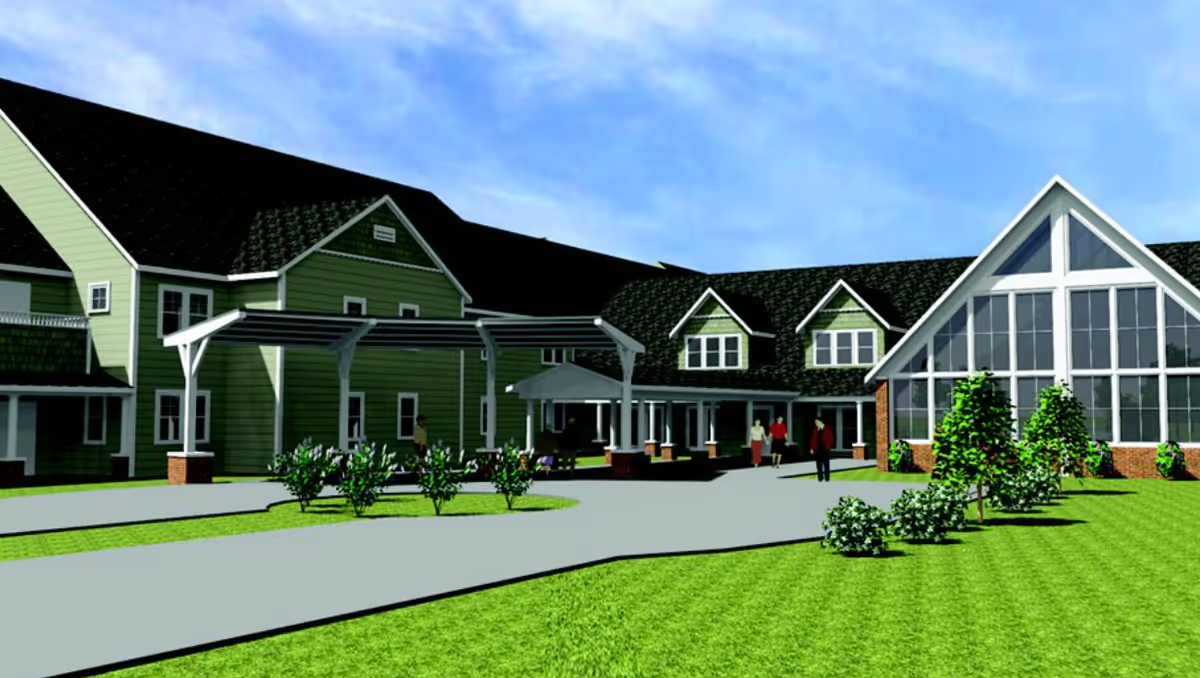
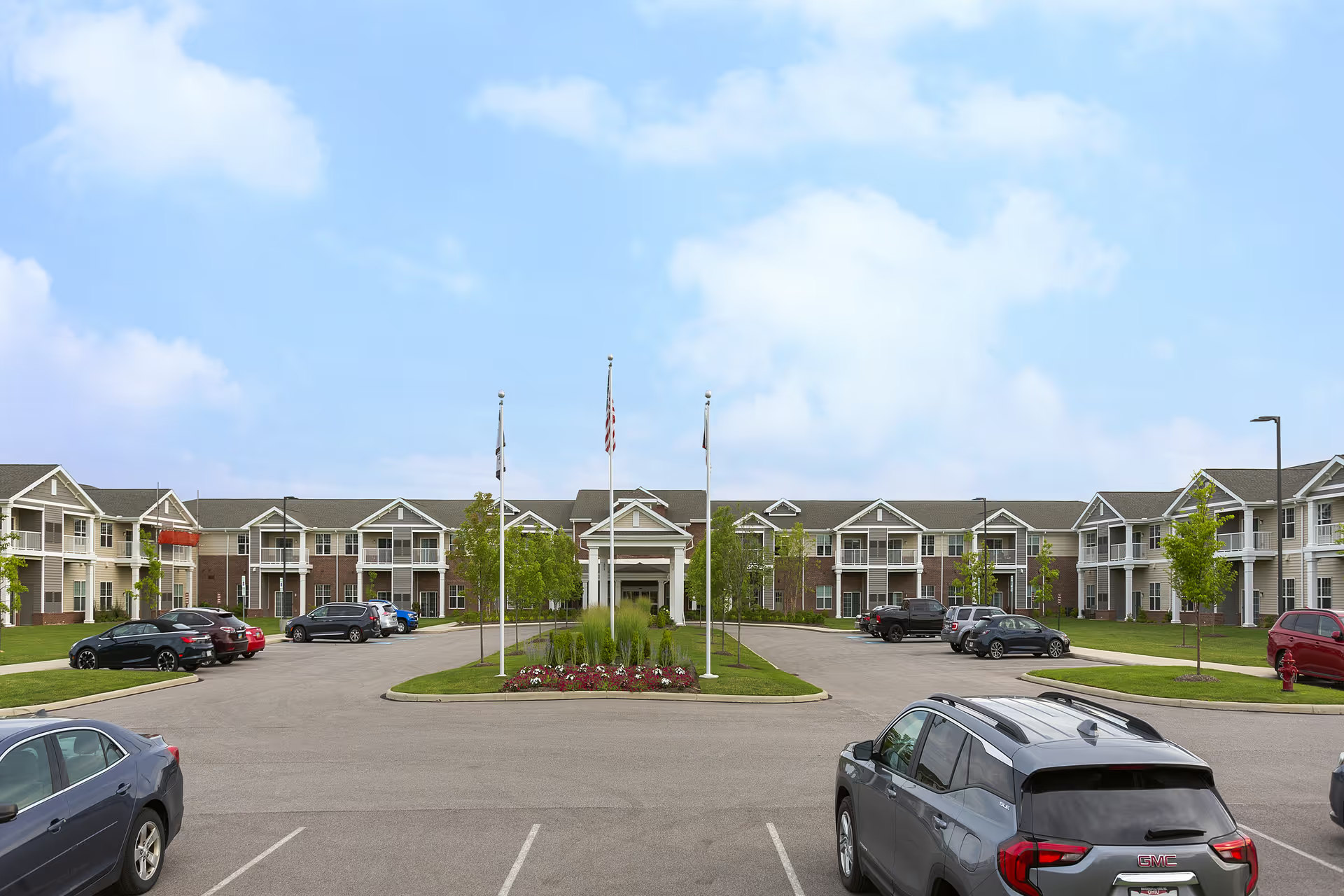
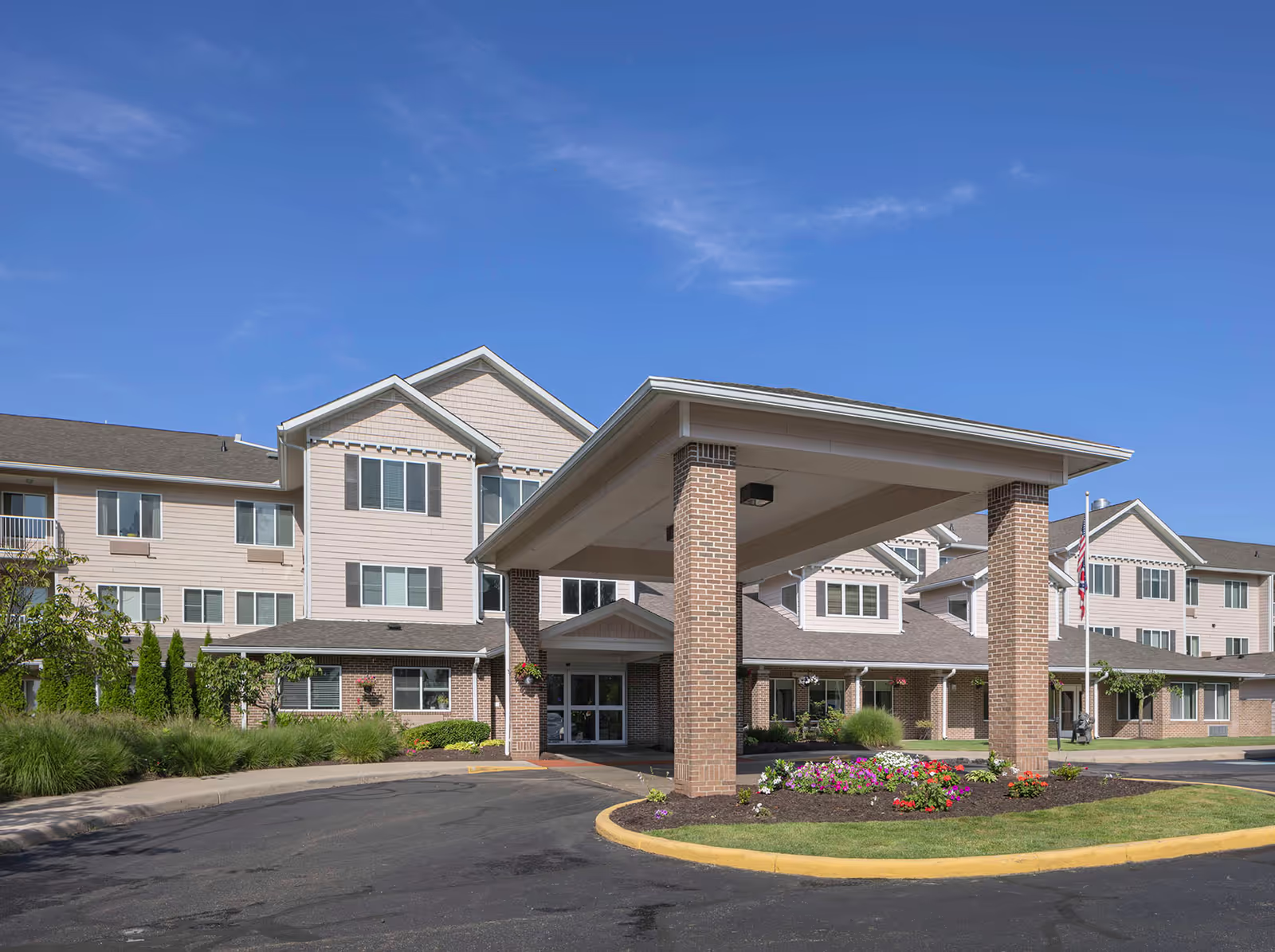
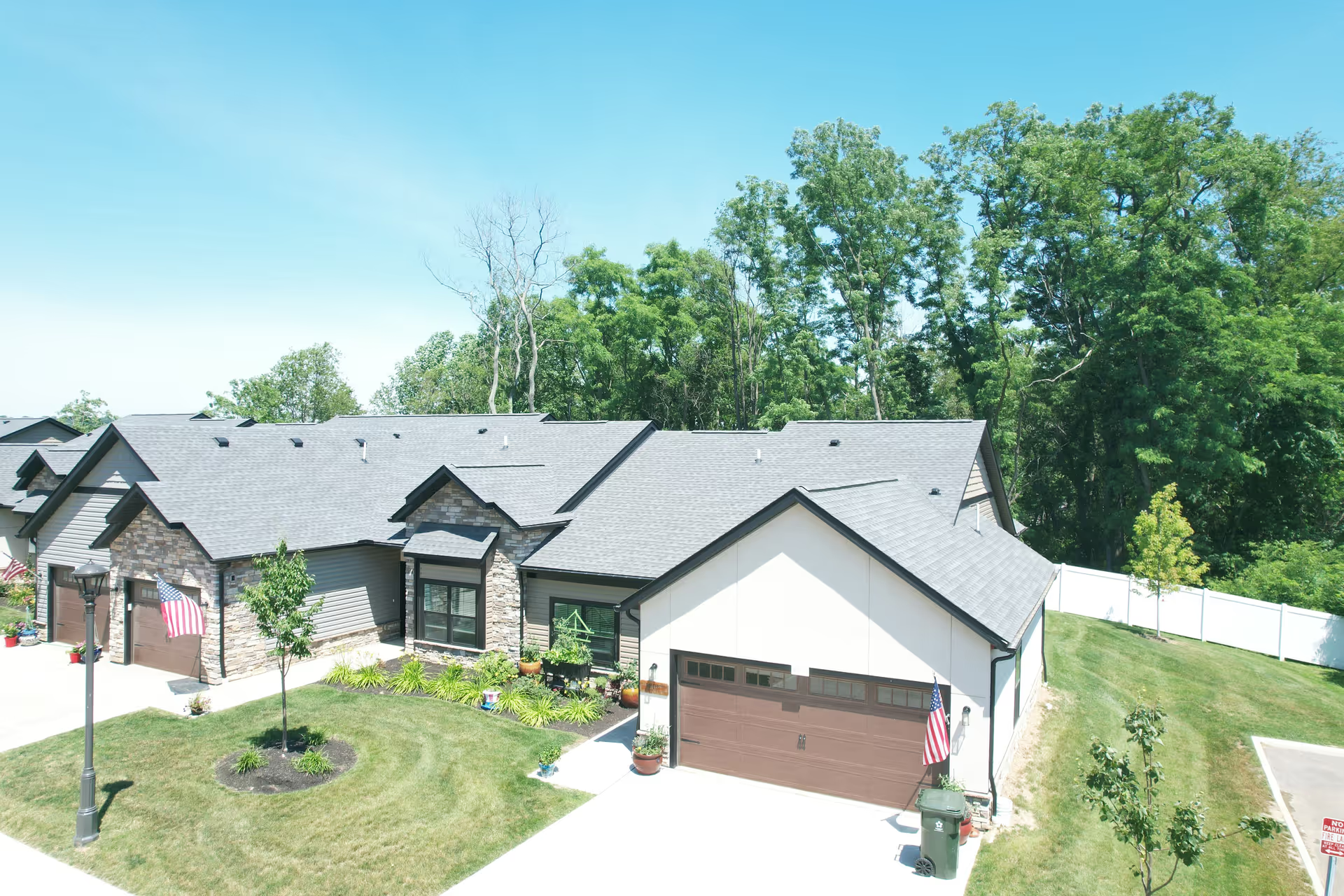
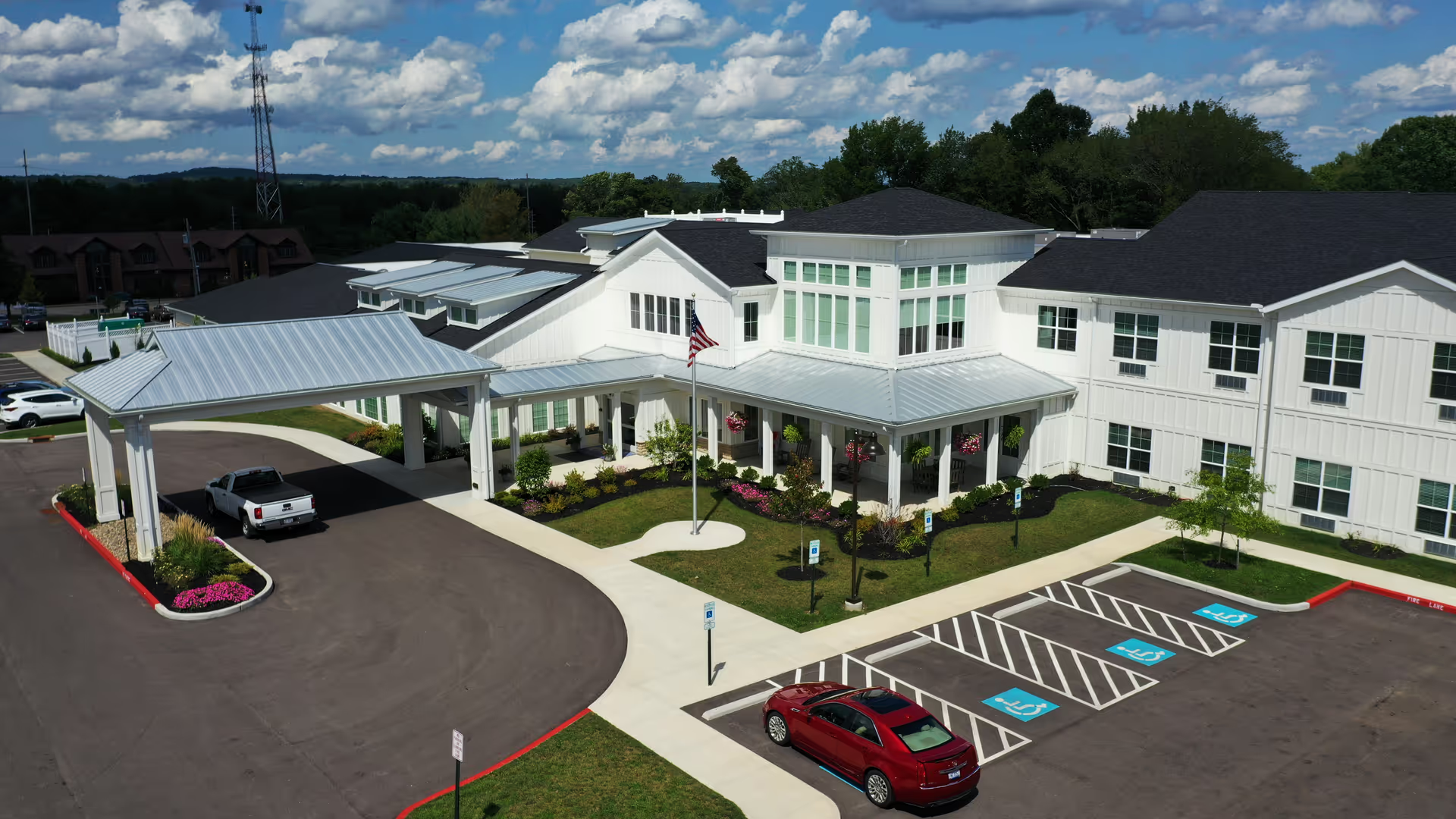
The Inn at CoalRidge is consistently described as an attractive, well-maintained senior living campus with a resort-like presentation and a broad range of on-site amenities. The physical plant, landscaping and common areas (large inner courtyard, enclosed patios, waterfall seating, movie theater, cafés, barbershop and small pub) are frequent strengths. Apartment-style units with kitchenettes and accessible showers, included laundry/housekeeping, and visiting spaces for families contribute to a hospitality-oriented environment that many residents and families find comfortable.
Front-line caregiving staff receive substantial praise for friendliness, attentiveness and resident familiarity; reviewers frequently note aides and nurses who are responsive, personable and helpful with daily needs. There are also positive notes about therapy services on admission, an active events calendar, regular outings and recreational programming that appeal to many residents. Where the facility meets expectations, families report smooth transitions, stable long-term placements, and active family engagement supported by structured communications such as quarterly meetings.
At the same time, reviews show notable variability in operational consistency. Several families describe uneven leadership tone — a more formal, “by-the-book” management style that some perceive as lacking warmth — and there are recurring comments about staff turnover and understaffing, particularly among housekeeping and direct-care aides. These staffing issues appear to affect the consistency of day-to-day service. Related concerns include intermittent front-desk/security coverage and operational inefficiencies that increase walk distances or create pickup/drop-off friction within the building.
Clinical areas are mixed: while some report 24/7 nursing and attentive clinical care, others point to medication-management inconsistencies and variable nursing reliability. Memory-care programming is another mixed domain — the broader activity calendar is generally robust, but activity engagement and appropriateness within the dementia/memory unit are described as limited or repetitive by some families. Dining quality is similarly inconsistent across accounts: several reviewers praise appealing meals and plentiful options, while others describe limited variety or mediocre preparation in certain units.
In terms of cost and policy, the facility positions itself at a higher price point and requires upfront payment; it does not accept Medicare for certain services, which may be an important consideration for prospective residents. Taken together, the pattern is one of a high-quality physical environment and many dedicated front-line staff, offset by operational inconsistencies in management style, staffing levels, clinical reliability in some units, and variability in activity and dining experiences. Prospective families would benefit from touring multiple units (including the memory-care wing), asking about current staffing ratios and turnover, inquiring about medication-administration controls and incident escalation procedures, and clarifying payment and insurance policies before making decisions.