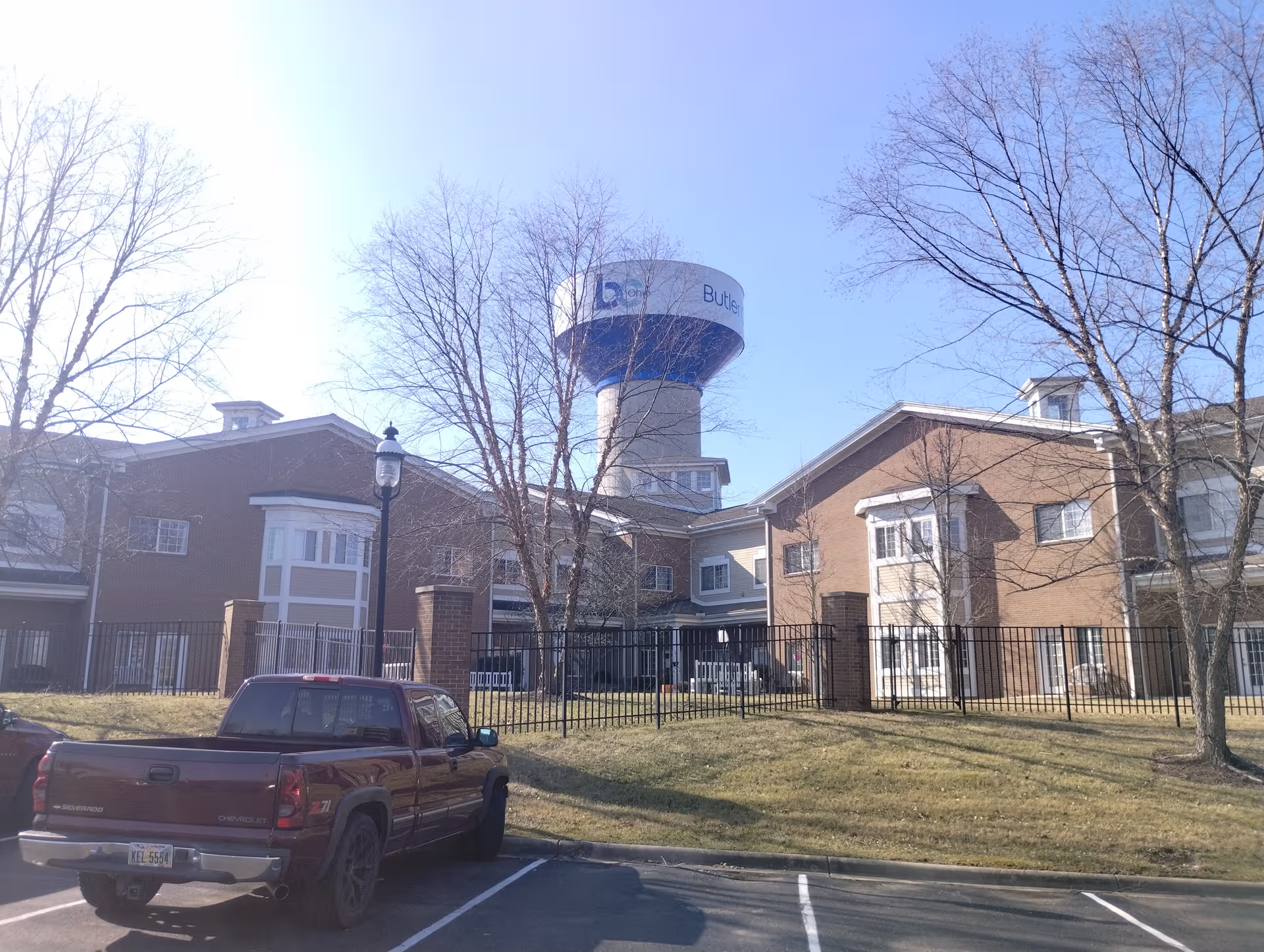
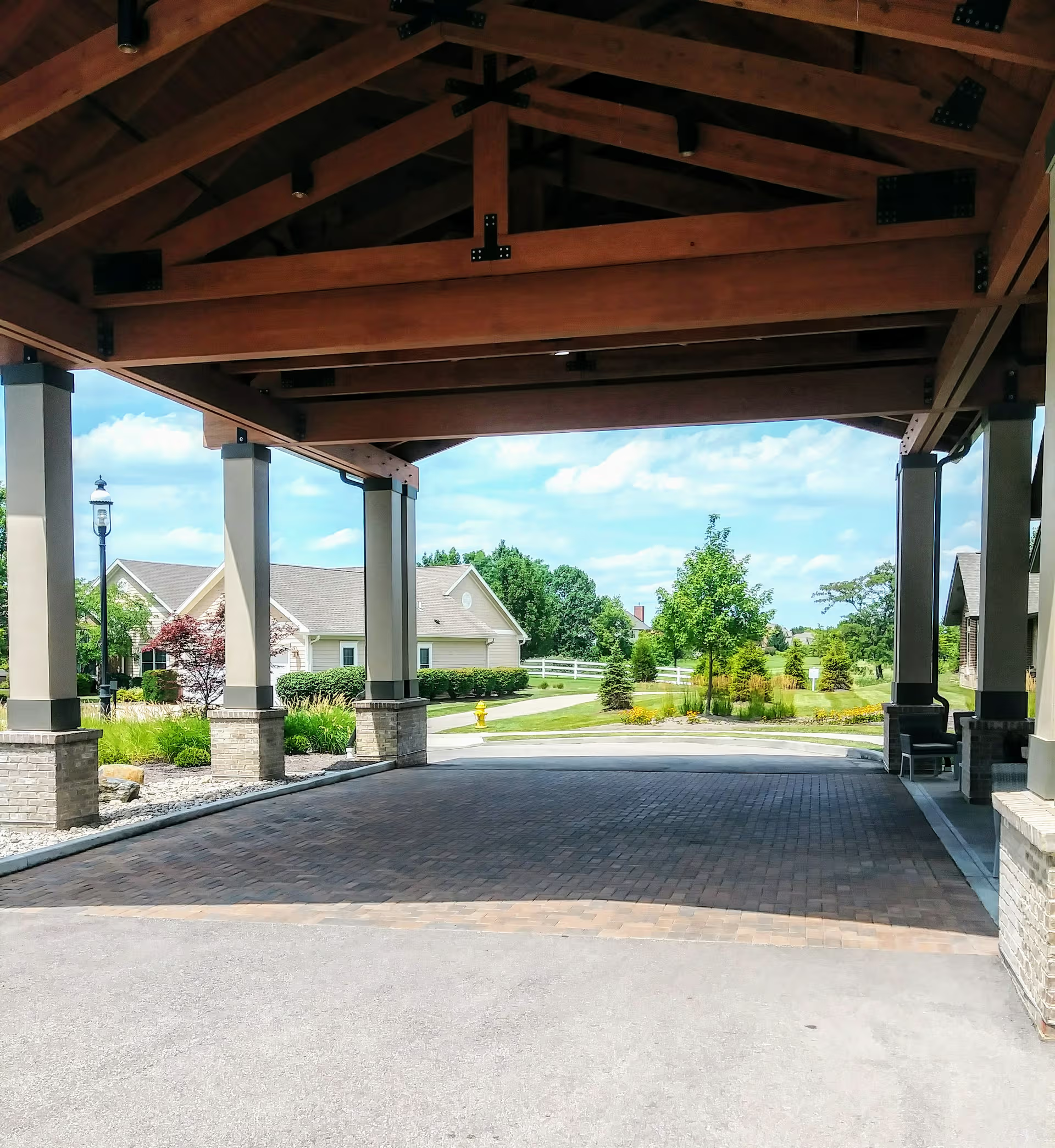
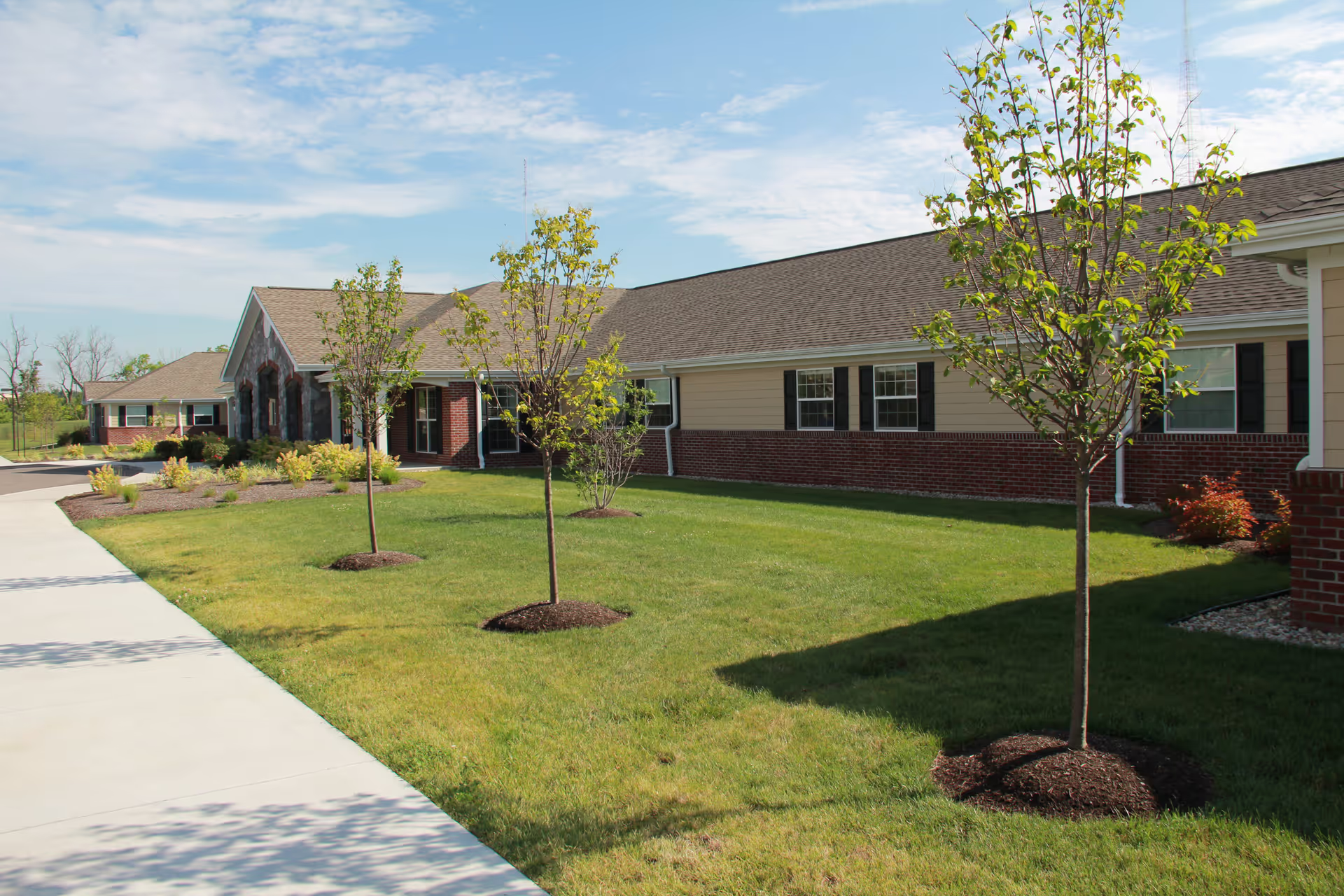
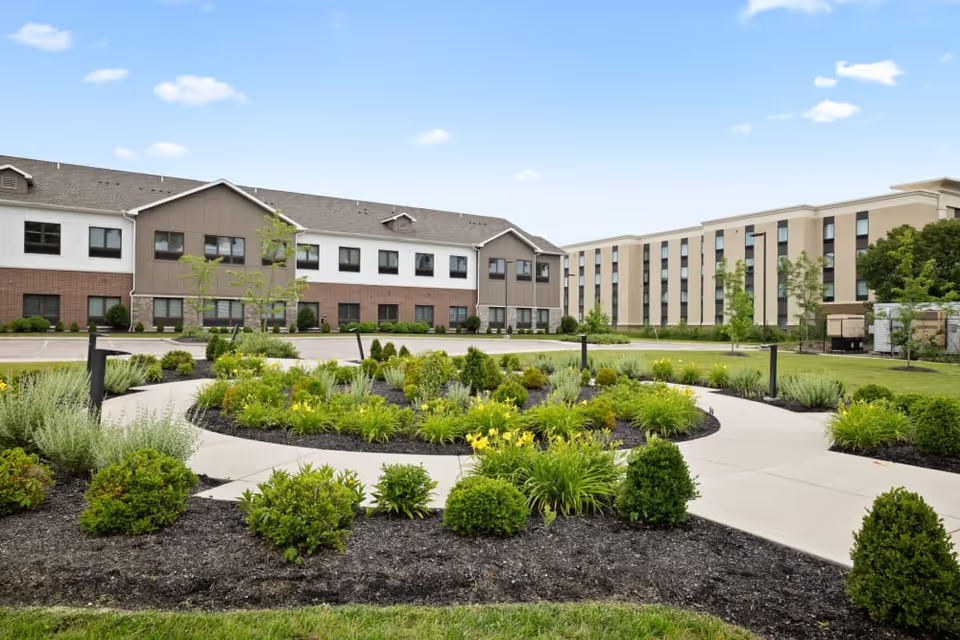
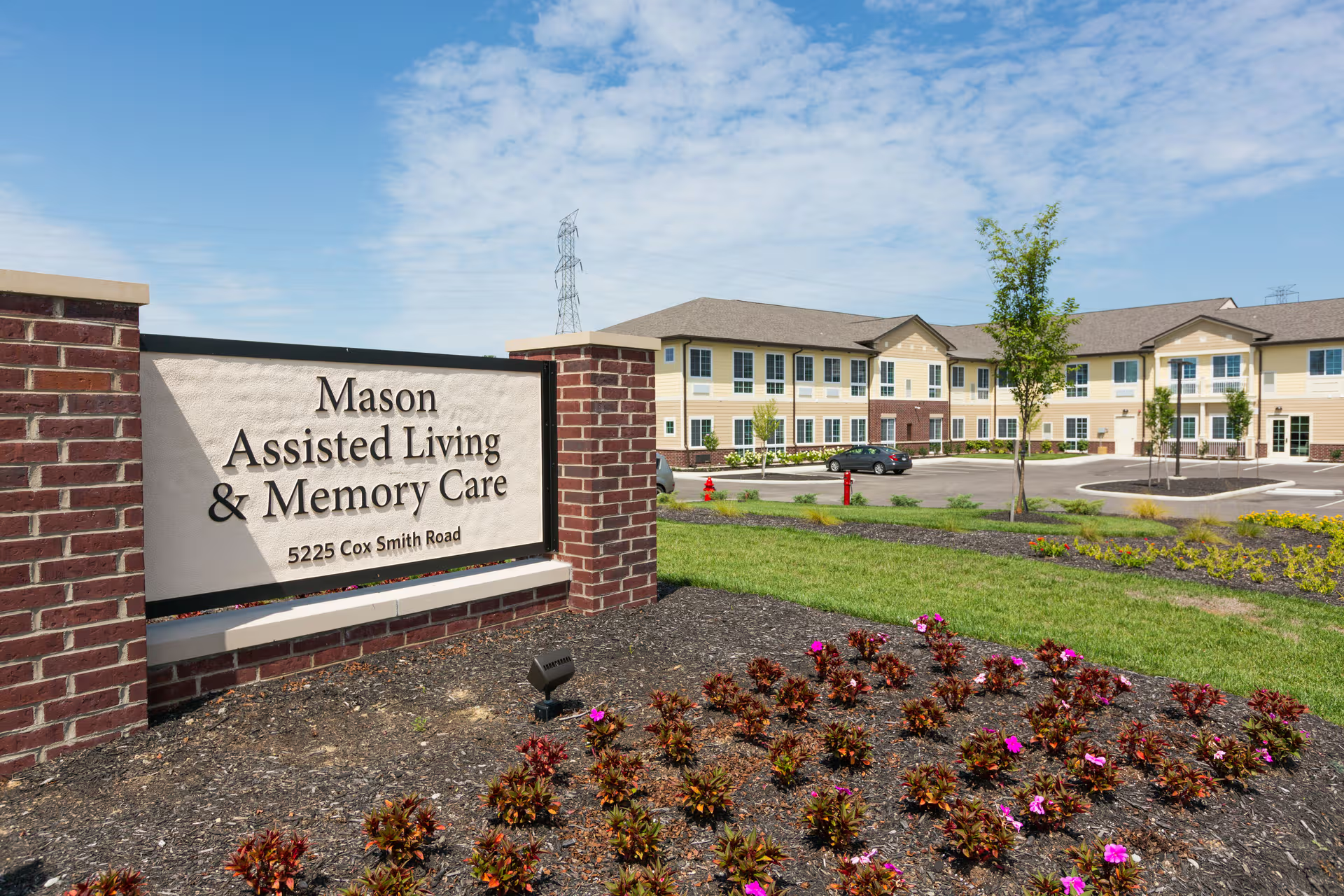
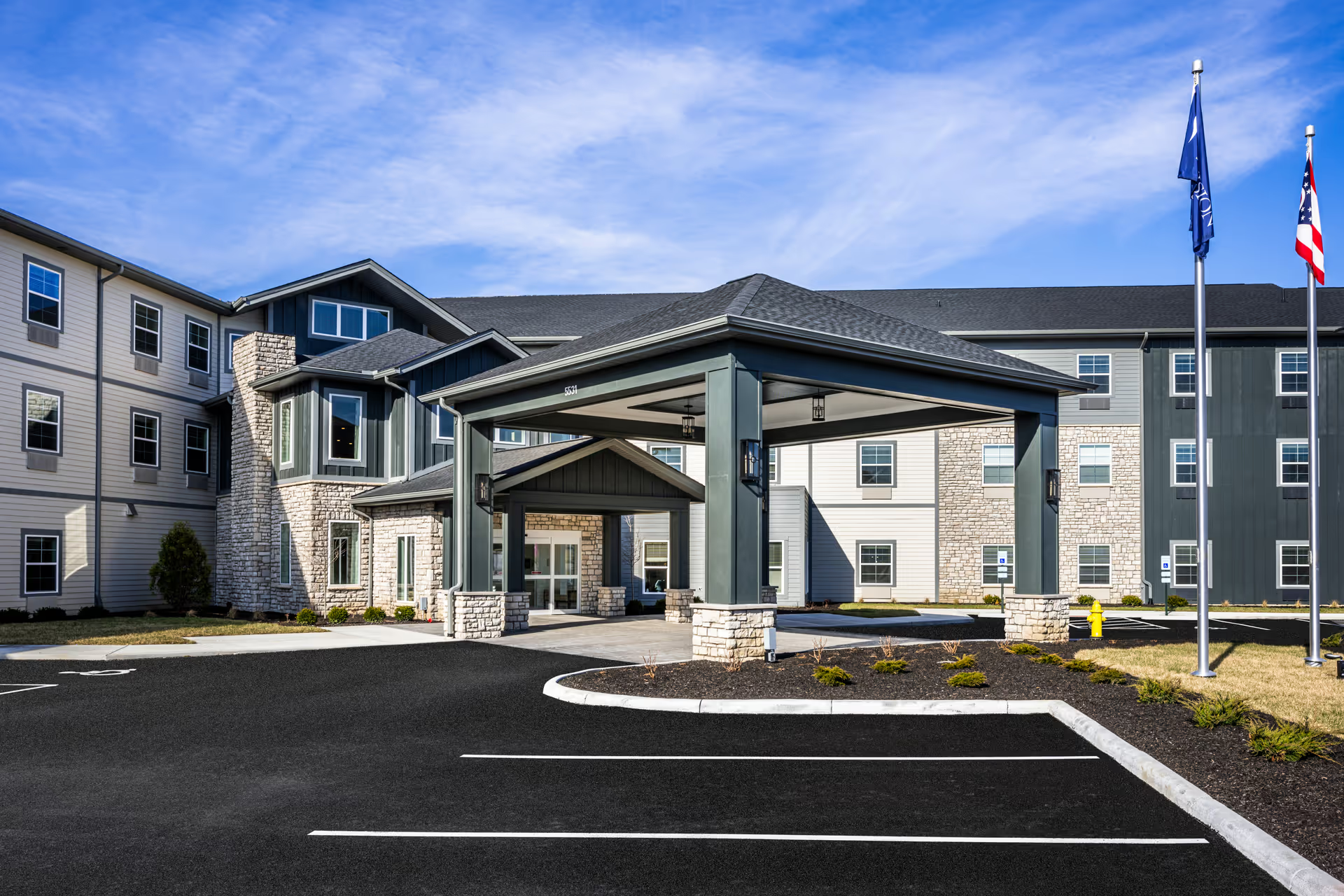
Chesterwood Village presents as a large, well-appointed continuing-care campus with strong amenities and an active social environment. Reviewers consistently praise the physical setting: renovated common areas, accessible patios and balconies, a variety of housing types (independent cottages, apartments, assisted living, memory care, and on-site nursing), and numerous on-site conveniences such as a movie theater, ice cream parlor, salon, library, chapel and multiple small gyms. The community offers a broad events calendar, frequent outings and social dining that many residents and families find welcoming; this environment appears especially well-suited to residents who seek an active, social lifestyle.
Clinical and rehabilitation services receive mixed but often positive comments. Physical therapy and rehab teams are cited as a particular strength, with individualized evaluations, targeted exercises and measurable functional gains. At the same time, families described variability in hands-on nursing and personal-care delivery: some residents experienced attentive, responsive care, while others experienced gaps in routine care and medication administration. This pattern suggests uneven performance by shift and unit rather than a uniformly consistent level of clinical delivery.
Staffing, communication and operational reliability are the primary areas of concern. Multiple accounts indicate inconsistent staffing levels (including night coverage), delays in responding to call buttons and assistance requests, and difficulties contacting social-work or management staff. There are recurring statements about medication-management weaknesses—timing errors, prescribing and administration processes that warrant verification—and about sanitation and pest-control issues in individual rooms. Loss or misplacement of resident belongings and administrative errors were also cited. Together these point to operational weaknesses in staffing consistency, clinical oversight and record/property management that families should investigate further.
Dining and service quality show variability over time. Many residents enjoy varied menus, communal meals and multiple dining formats, but some feedback indicates declining or inconsistent meal quality and occasional service staffing shortfalls. Management and leadership perceptions are mixed: some families credit responsive leadership and quick issue resolution, while others describe administrative turnover, perceived cost-cutting and uneven follow-through on problems. Visitation and access policies — particularly during infection-control periods — were a source of frustration for some families, highlighting the need to clarify current visitor rules before moving in.
Practical recommendations for families: if the amenities, social programming and strong rehab services match your priorities, plan a multi-part visit. Observe mealtime service, visit in the evening and overnight to assess staffing levels, meet nursing leadership and the social worker, and review medication-administration protocols and recent inspection or quality records. Ask about pest-control routines, lost-belonging safeguards, staffing ratios by shift, recent changes in ownership or leadership, and the status of any Medicaid/waiver administrative processes. Overall, Chesterwood Village offers many features attractive to active, social residents and demonstrates strong rehabilitation services, but prospective residents and families should perform focused due diligence on clinical oversight, consistency of care, and administrative responsiveness prior to commitment.