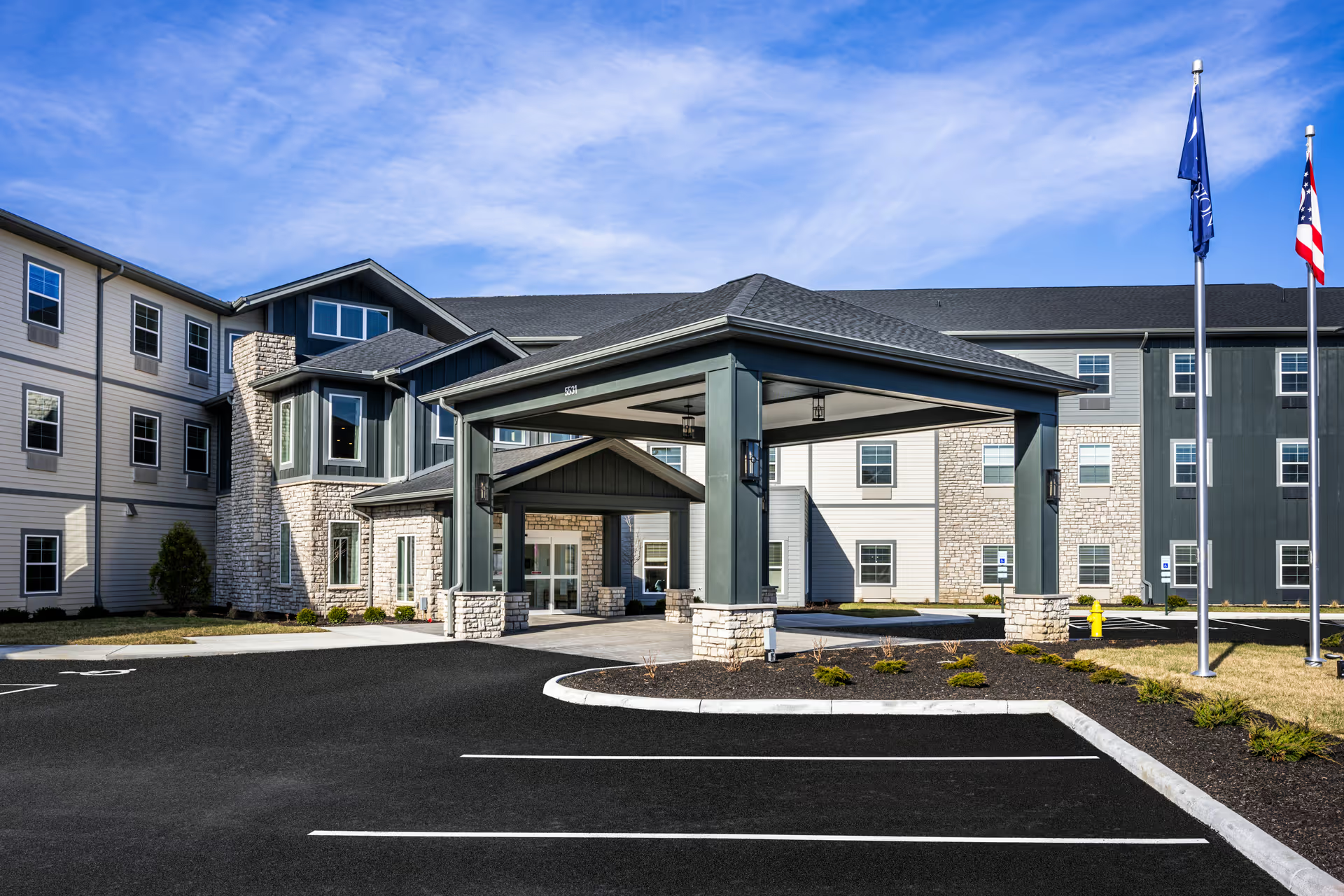
HeritageSpring of West Chester presents a mixed profile. On the positive side, the facility is frequently described as attractive and well maintained, with pleasant outdoor spaces and bright common areas. The therapy department (physical, occupational, and speech therapy) is widely praised for clinical skill and good rehab outcomes; multiple accounts note successful short-term rehabilitation and therapists who prioritize discharge readiness. Many reviewers also cited compassionate nursing clinicians, helpful social-work assistance with paperwork and transitions, and a range of amenities and activities—from music and holiday events to beauty services and pet visits—that contribute to resident engagement.
Alongside these strengths, there is a consistent pattern of operational weaknesses. Staffing levels and day-to-day availability of aides and nurses are commonly described as inconsistent; this manifests as long call-button response times and delayed assistance with toileting and bathing. Those delays have been associated with lapses in personal-care routines, missed or late bathing, and concerns about the timeliness of diaper/incontinence care. Reviewers also described gaps in wound care and pressure-injury management, including delayed dressing changes or wound-vac attention, which families viewed as a significant clinical risk.
Medication and clinical coordination problems recur in the feedback. Examples include medication timing errors, pharmacy order issues, and delays in delivering IV or antibiotic treatments. Relatedly, several comments raise concerns about infection-control practice and communication during outbreaks, and about how the facility communicates with families about clinical incidents, transfers, or changes in status. Family communication and discharge/transfer processes are another area of concern: reviewers describe moves or discharge planning that occurred without timely family notification, and billing or administrative follow-up that was slow or difficult to resolve.
Dining and housekeeping quality are described variably. Some reviewers praise well-presented meals and specific high-quality offerings (notably breakfast and some special entrées), but others report inconsistent meal temperature, portioning, and failure to accommodate dietary restrictions such as diabetic or religious diets. Sanitation and food-service safety concerns are mentioned in a subset of accounts, and housekeeping and laundry management are described as uneven—ranging from clean, inviting spaces to instances of delayed linen changes, misplaced personal items, and pest-control concerns in certain areas.
Safety, security, and staff conduct are additional mixed domains. There are isolated accounts of unsecured doors or windows and concerns about transfer safety that suggest procedural gaps. Several reviews describe inconsistent staff professionalism and training: while many staff members are lauded for compassion and competence, others are described as impolite, poorly trained, or inattentive. There are also multiple mentions of lost or missing personal property and at least one internal-theft investigation, indicating a need for stronger property-control and security practices.
For prospective residents and families: the facility offers strong rehabilitation services, attractive spaces, and an active calendar of events, but it appears to have variability in daily nursing/aide availability, personal-care reliability, and administrative communication. When evaluating HeritageSpring of West Chester, consider asking about current staffing ratios, average call-response times, wound-care protocols, dietary-accommodation procedures, infection-control policies, property-security measures, and the facility’s process for notifying families about transfers or clinical changes. A focused tour that reviews the unit where care will be provided and direct conversations with therapy, nursing leadership, and social work can help clarify whether the facility’s strengths align with the prospective resident’s needs.