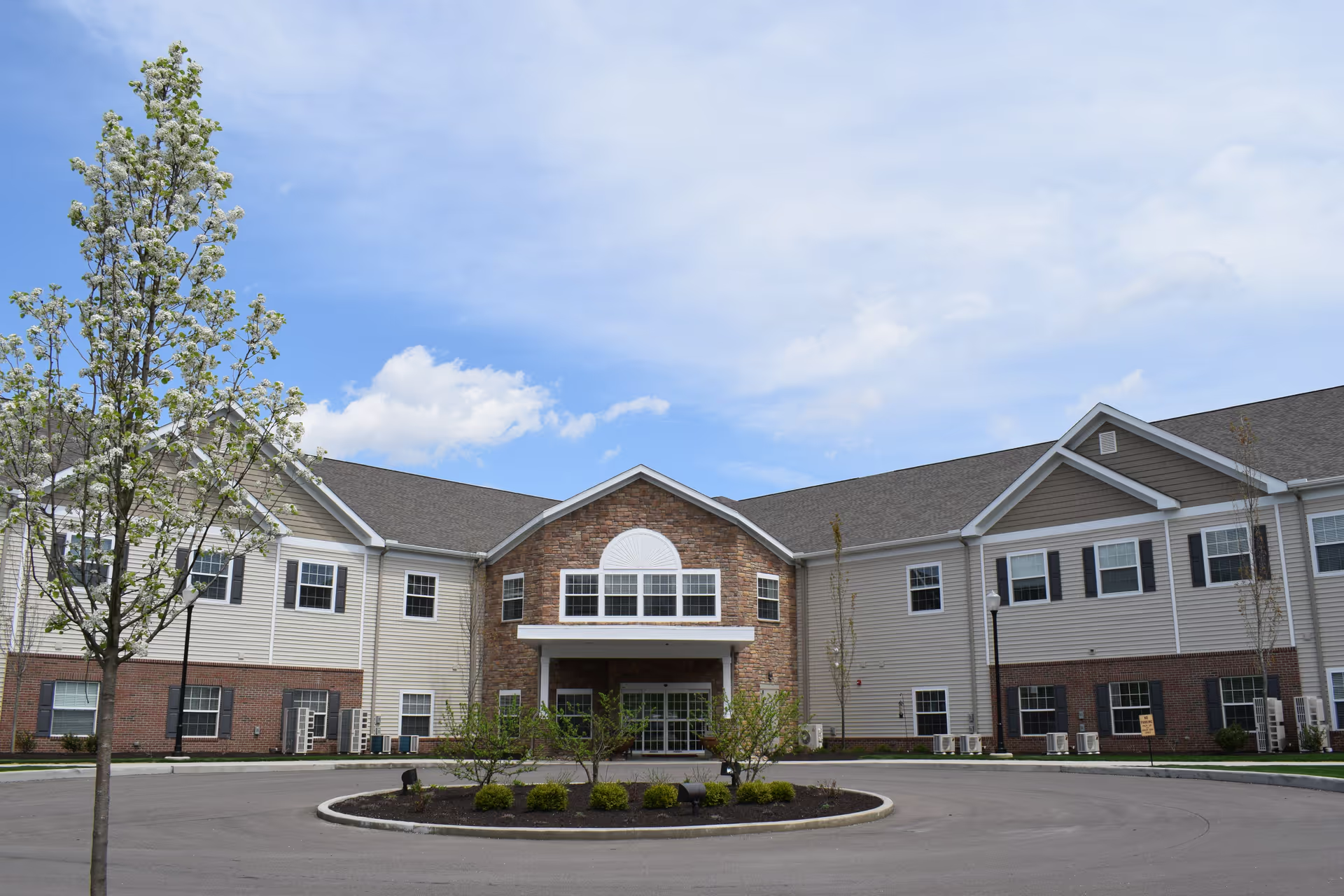
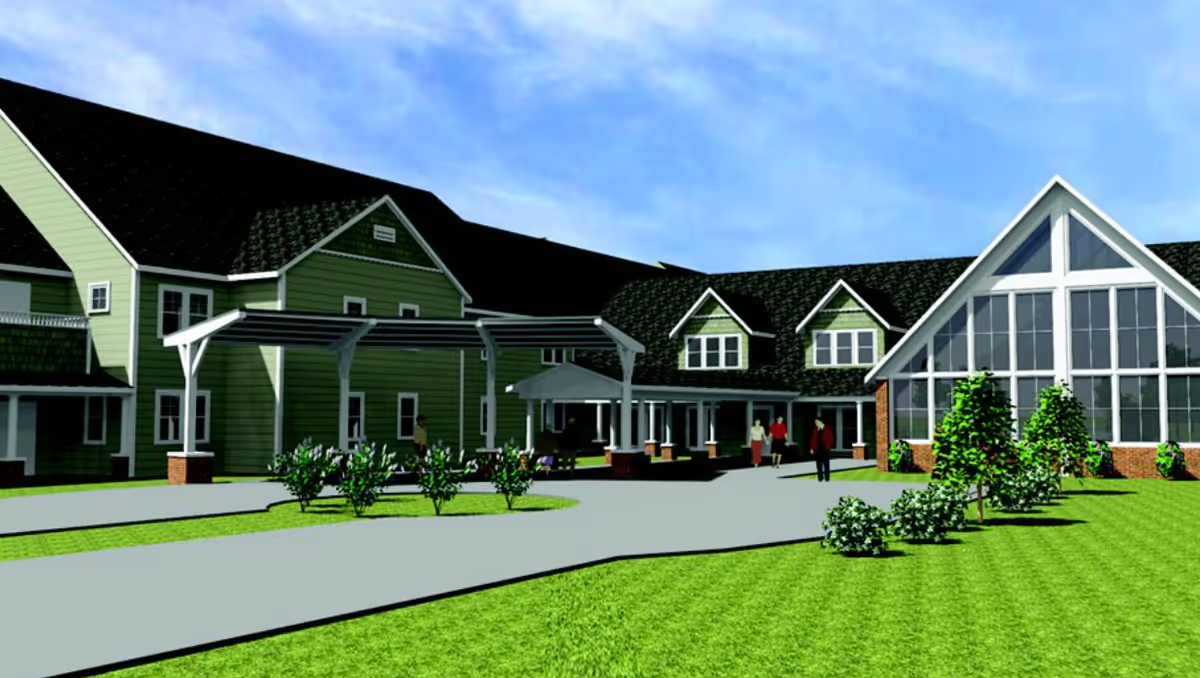
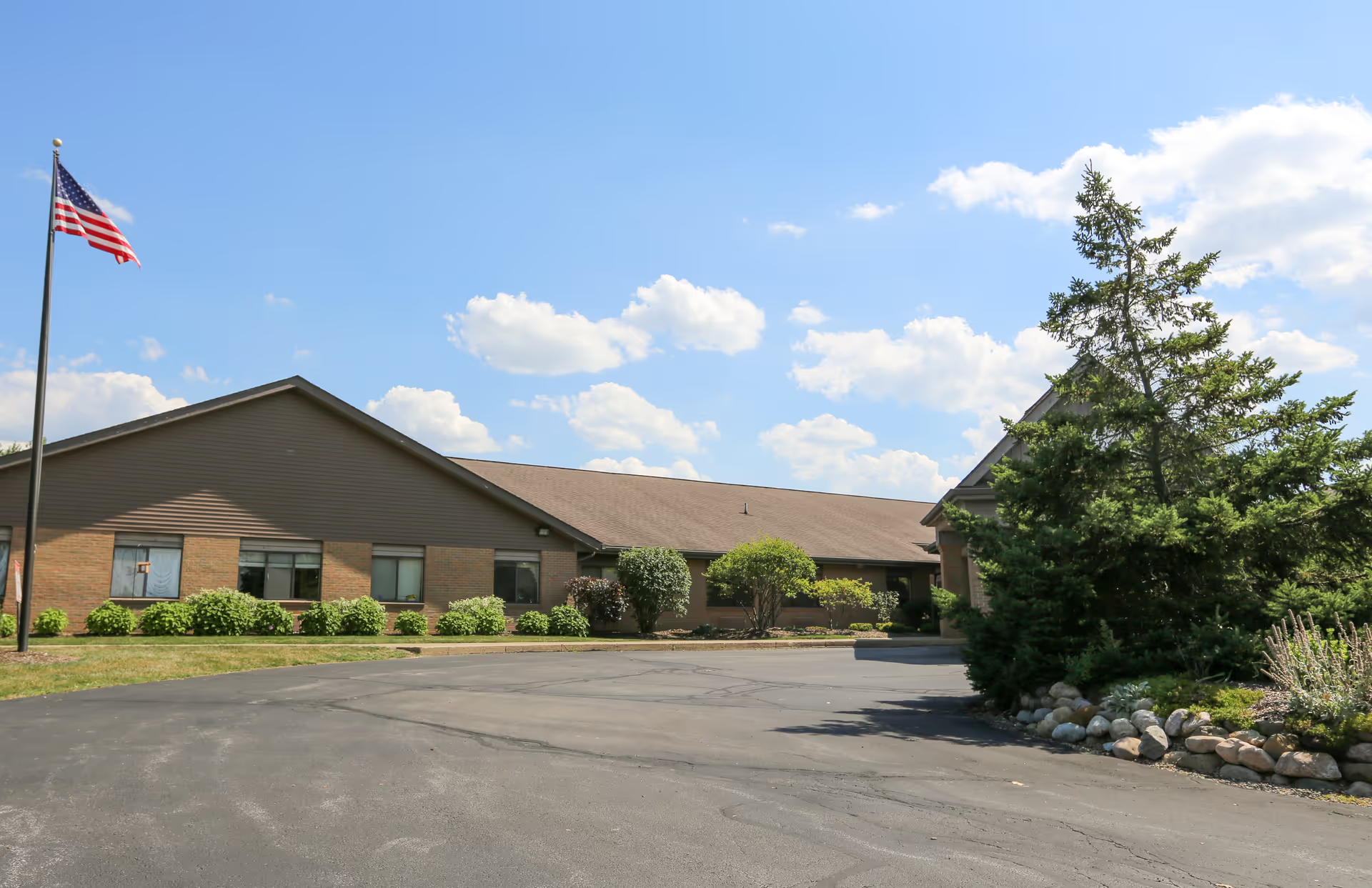
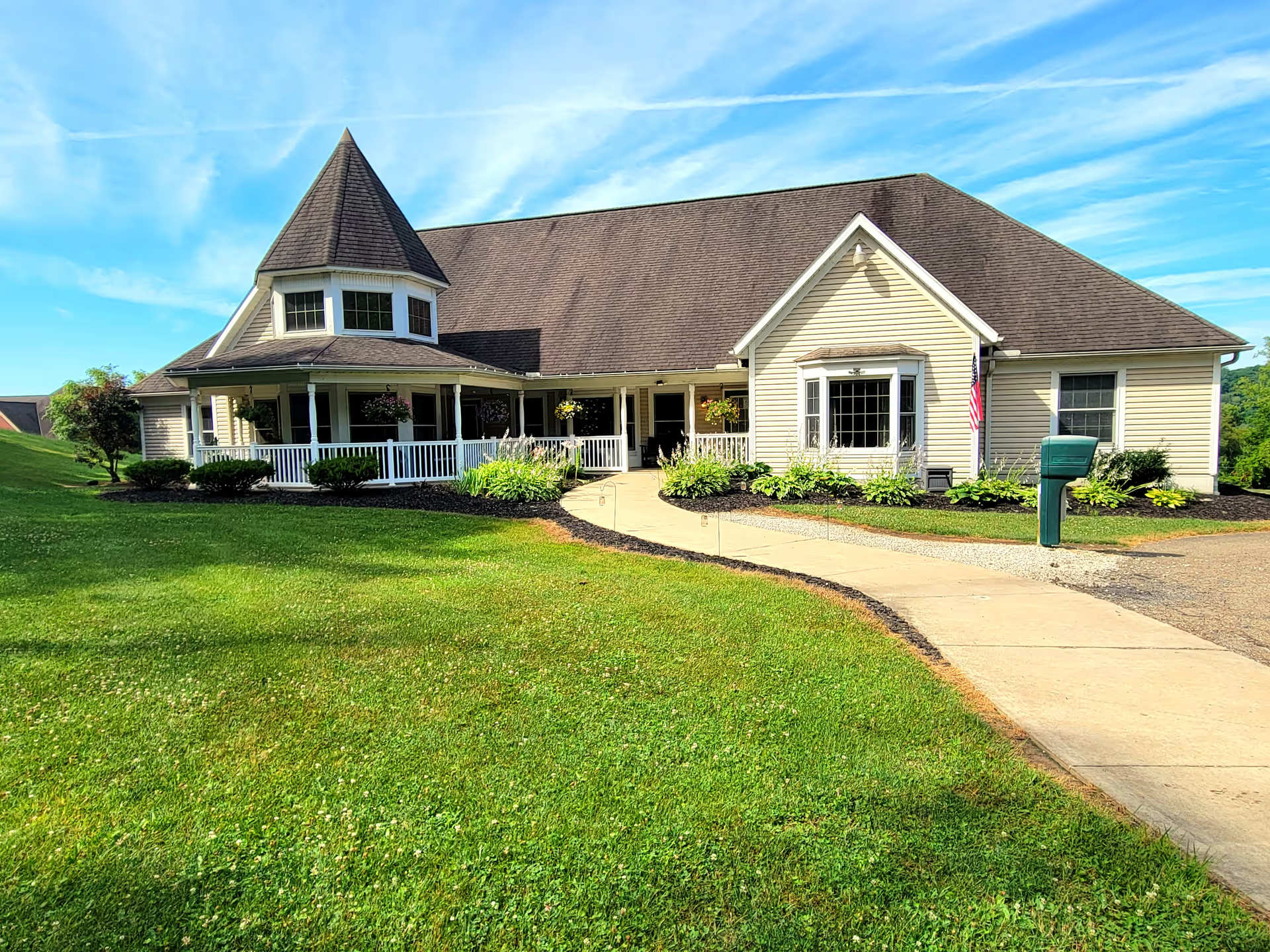
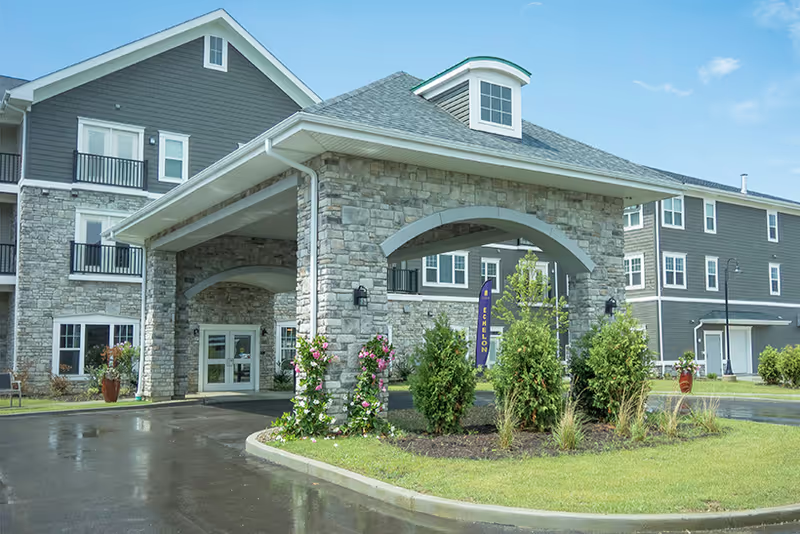
The Avenue at Wooster Care and Rehabilitation Center elicits strongly polarized impressions. Many families and residents praise the facility’s physical environment and therapy services: the building is new, well maintained and designed with a home-like feel, private rooms with en-suite bathrooms are commonly appreciated, and there are accessible outdoor and entertainment areas. Physical and occupational therapy staff frequently receive positive mention for producing good rehab outcomes and timely discharges. Multiple accounts also describe compassionate, attentive caregivers, stable caregiver assignments, and an activities program that can be individualized to resident preferences.
At the same time, a notable set of operational issues appears repeatedly. Staffing levels and staff consistency are a central concern: reviewers describe periods of short staffing, heavier reliance on temporary coverage, and lower night staffing. That inconsistency links to delays in responding to call lights and assistance requests and to uneven execution of basic daily needs. Several accounts point to variability in clinical oversight and skilled nursing practices — examples include irregular assessment frequency and medication-administration issues — which together suggest a need for stronger clinical process controls.
Dining and activities are described in mixed terms. Some families praise an elevated dining environment, flexible meal options, and a pleasant dining-room atmosphere; others describe cold or processed meals and inconsistency tied to kitchen staffing changes. Activities are often engaging and tailored, including games and library services, but some reviewers experienced rushed or infrequently executed programming. The facility’s rehabilitation resources and individualized activities are frequent strengths, while program reliability appears uneven.
Management and communication also show divergence. Many frontline staff members (nursing aides, therapists, receptionists) are described as friendly and helpful, and discharge planning and social work support receive positive marks. However, reviewers cite inconsistent responsiveness from admissions and administrative leadership, occasional poor tone from front-desk staff, and lapses in top-down communication. Safety processes and documentation practices are another area of concern: families reported gaps in incident documentation, inconsistent adherence to safety checks, and unclear follow-up communication after adverse events.
For prospective residents and families: the facility offers modern accommodations, strong rehabilitation services, and many dedicated caregivers, which can make it a good fit for short-term rehab or long-stay residents who value environment and therapy. At the same time, ask explicit, specific questions during a tour and references check — staffing ratios by shift, medication-administration protocols, safety and incident-reporting procedures, recent management changes, dementia-care approaches (including whether a dedicated dementia unit is available), dining quality controls, and billing/financial policies. Request to speak with a recent family contact or to review recent inspection records to confirm consistency of care in those areas that reviewers flagged as variable.