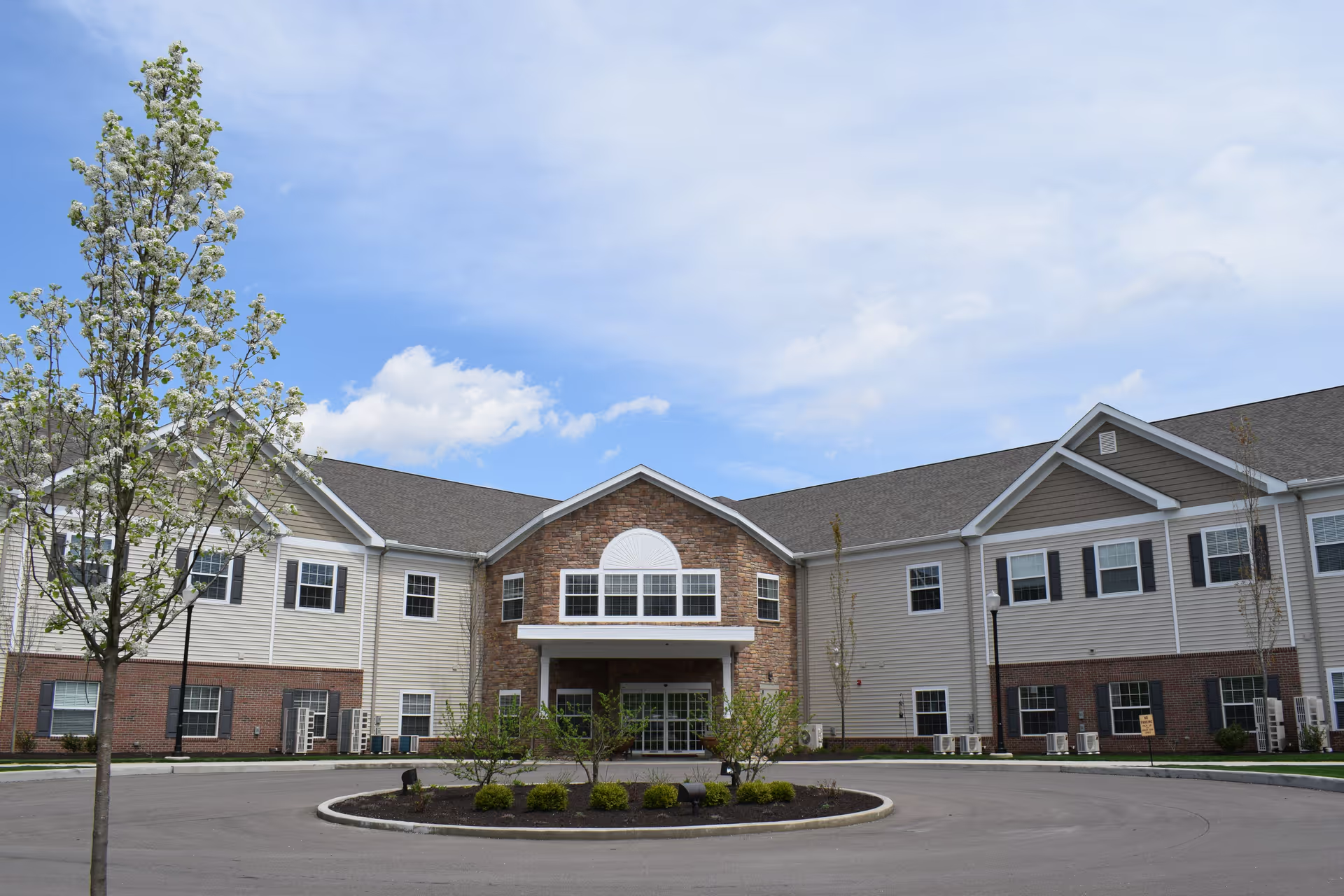
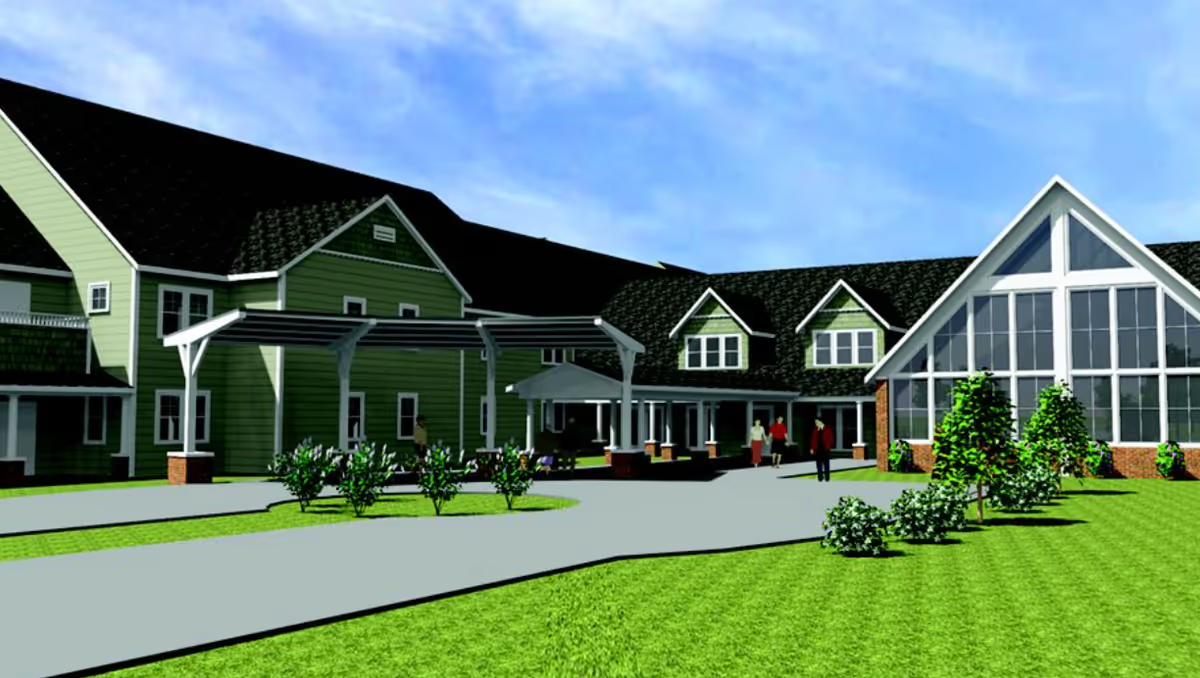
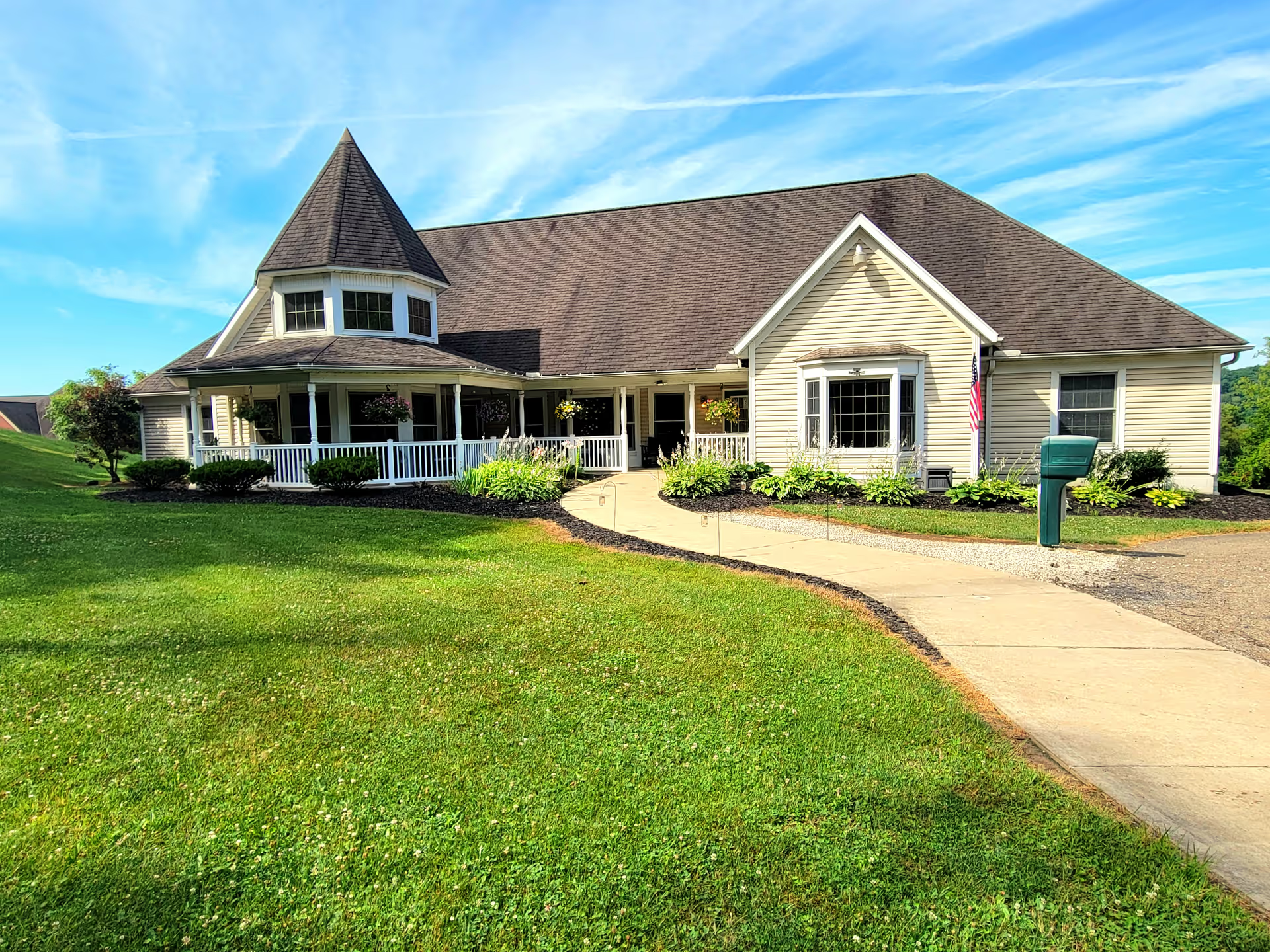
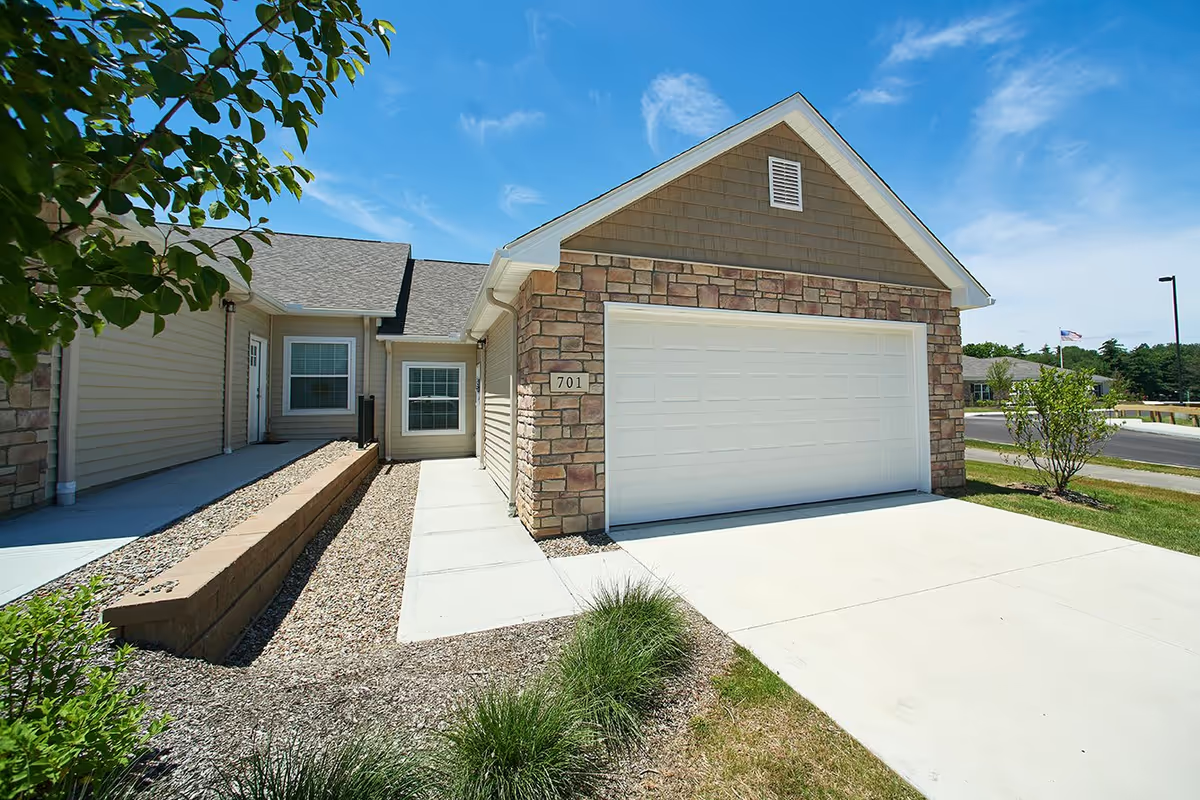
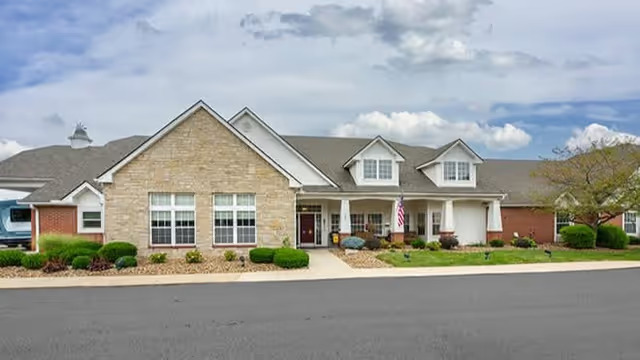
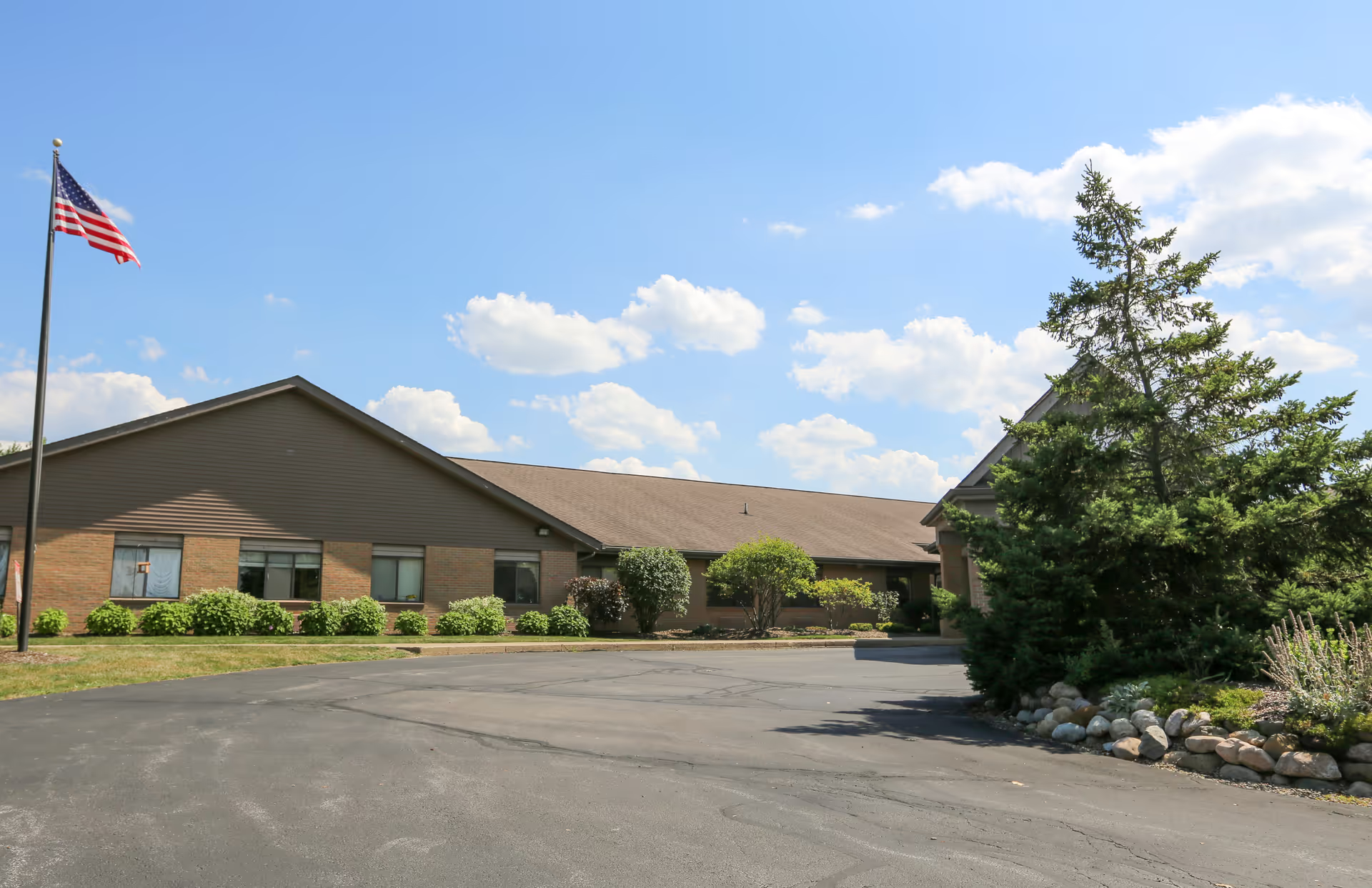
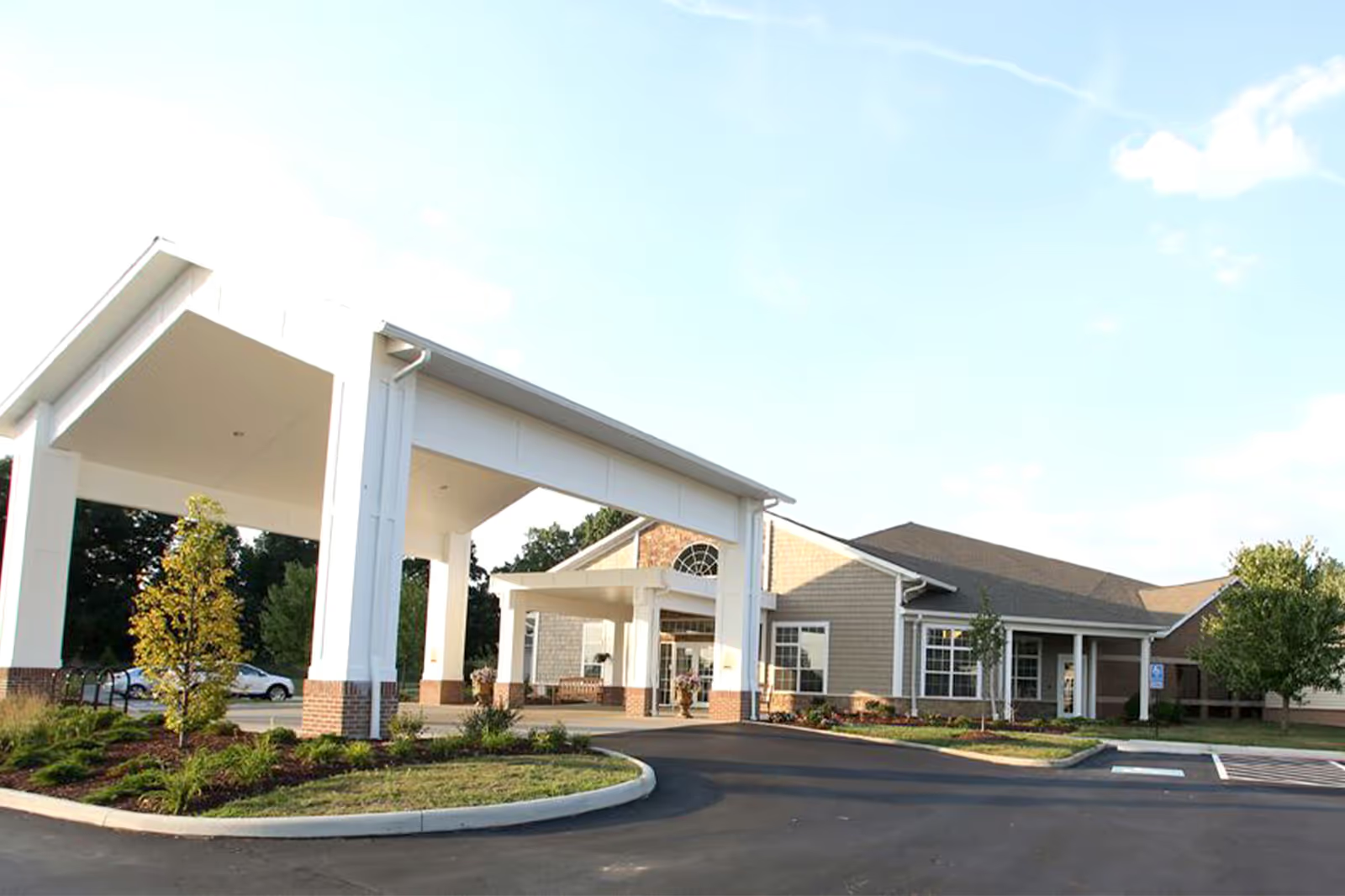
This facility elicits strongly mixed impressions. Many reviewers praise the caregiving culture: nursing staff, aides, and therapy teams are often described as compassionate, attentive, and team-oriented. Multiple accounts highlight strong post-acute rehabilitation services (including an on-site/mini therapy gym), positive therapy outcomes, and a welcoming admissions approach. The environment is frequently characterized as home-like and peaceful, with clean rooms, comfortable beds, reliable Wi‑Fi, and scenic countryside views that contribute to resident satisfaction. Dining receives largely positive feedback for variety and quality, with a hospitality cart and substitution options noted as conveniences. Activities programming is consistently described as active and engaging, with seven-day offerings and social opportunities that support resident engagement.
At the same time, a pattern of operational weaknesses appears across reviews. Communication gaps — both among direct-care staff and between staff and families — are a recurrent theme, producing delays in updates and uneven family notification. Staffing consistency is an issue: reliance on agency staff or variable staffing patterns contributes to uneven care experiences. Several accounts point to weaknesses in belongings and laundry management, creating concerns about lost items. There are also indications of clinical and equipment-operation gaps, where staff training or competency in using certain devices may be insufficient. The resident phone and internal communication systems are described as unreliable in some instances, which can hinder family contact and on-shift coordination.
Clinical-safety concerns raised include inconsistent skin-integrity monitoring and pressure-injury prevention practices, plus occasional lapses in hygiene- and bedding-related tasks. Reviewers also described perceived shortfalls in accountability and incident-response protocols; family members noted delays or unsatisfactory explanations when issues arose. A small number of more serious claims include allegations of unauthorized treatments or inadequate family notification, which points to the need for clearer informed-consent and documentation procedures.
For prospective residents and families, the facility offers tangible strengths — a warm atmosphere, capable therapy services, appealing grounds, and many reports of dedicated staff and good outcomes. However, the frequency of operational concerns suggests value in asking targeted questions during tours and admissions: inquire about staffing patterns and agency use, staff training and equipment competency, protocols for handling residents’ belongings and laundry, skin-integrity and wound-prevention policies, family-notification/informed-consent procedures, and the reliability of resident communication technology. Visiting at varying times of day and meeting both regular and agency staff can help families assess consistency of care and whether management’s positive practices are applied evenly across shifts.