Sprenger Health Care Smithville Western presents a mixed profile: it demonstrates clear strengths in direct caregiving, rehabilitation services, and community programming, while recurring operational issues raise concerns that families should evaluate before placement. Many accounts describe attentive nursing and therapy staff, successful short-term rehabilitations, a clean and well-maintained common environment, and apartment-style living options that include in-unit laundry, patios, and income-based room choices. The facility also offers an active calendar—outings, restaurant trips, crafts, bingo, and visiting animals—that supports social engagement.
Clinical care and staffing are two of the clearest areas of divide. Numerous observations praise skilled nurses, responsive aides, and effective therapy teams that help residents regain independence. At the same time, there are recurring operational patterns suggesting inconsistent staffing coverage, delays in attending to resident needs, and gaps in medication administration and clinical follow-through. There are serious, isolated claims related to end-of-life care and medication handling; these should prompt prospective residents and families to ask for documented clinical protocols, staffing ratios, and incident-resolution procedures during tours.
Staff culture and leadership also vary in reports. Several accounts describe proactive, communicative directors and admissions staff who facilitate a smooth transition and follow up on concerns. Conversely, other accounts identify inconsistent supervisory communication, occasional unprofessional interactions, and an environment where staff feel overburdened. Staffing shortages are frequently cited as a driver of delayed responses and limited availability for assistance during busy periods or overnight.
Dining and activities are generally seen as strengths in terms of variety and social programming, with some families praising meals and organized outings. However, meal quality and options are described as inconsistent across experiences, and some reviewers indicated the coffee/activities areas and particular service elements need more consistent upkeep. The activity program is broad and appears to suit residents who benefit from community involvement and regular outings.
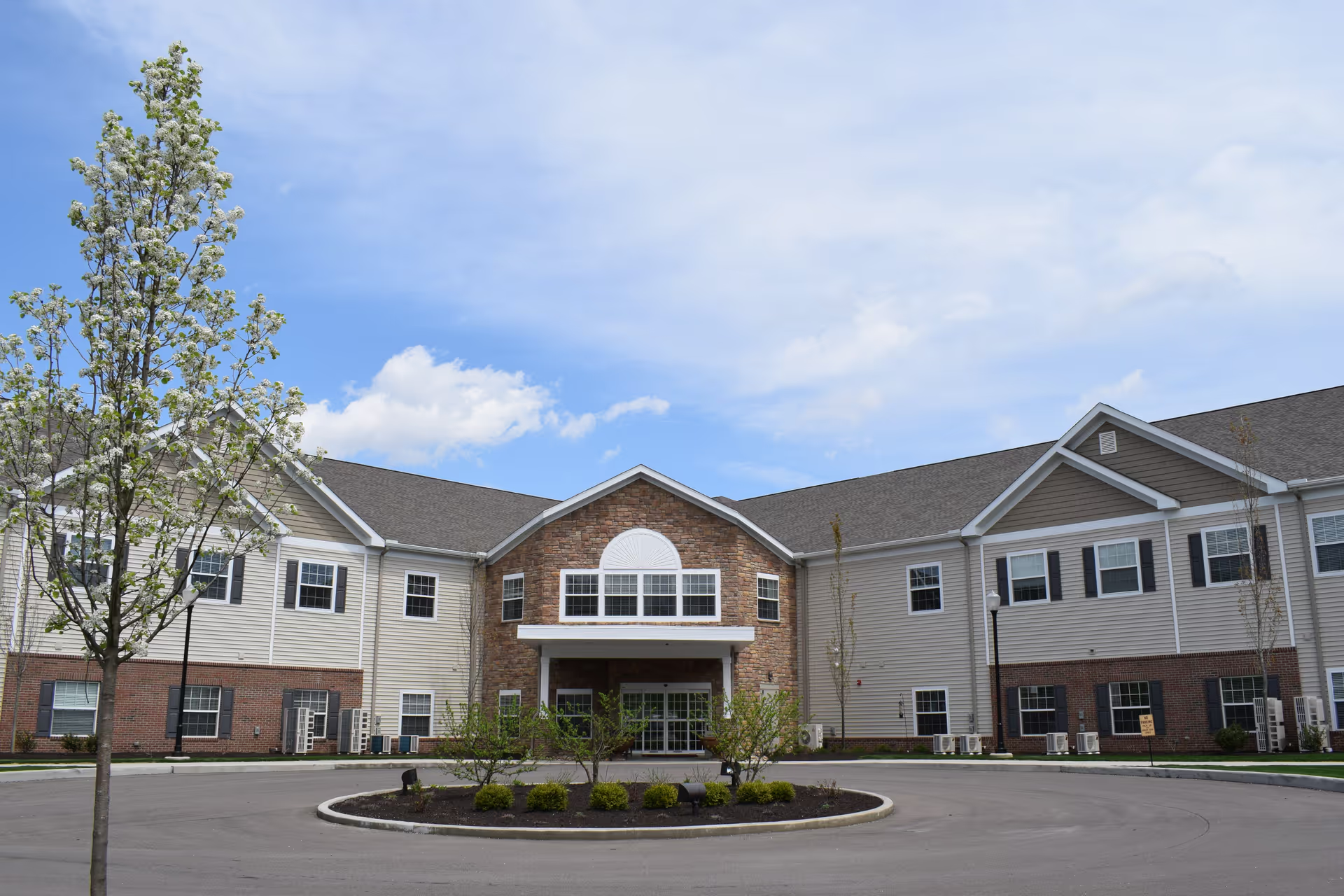
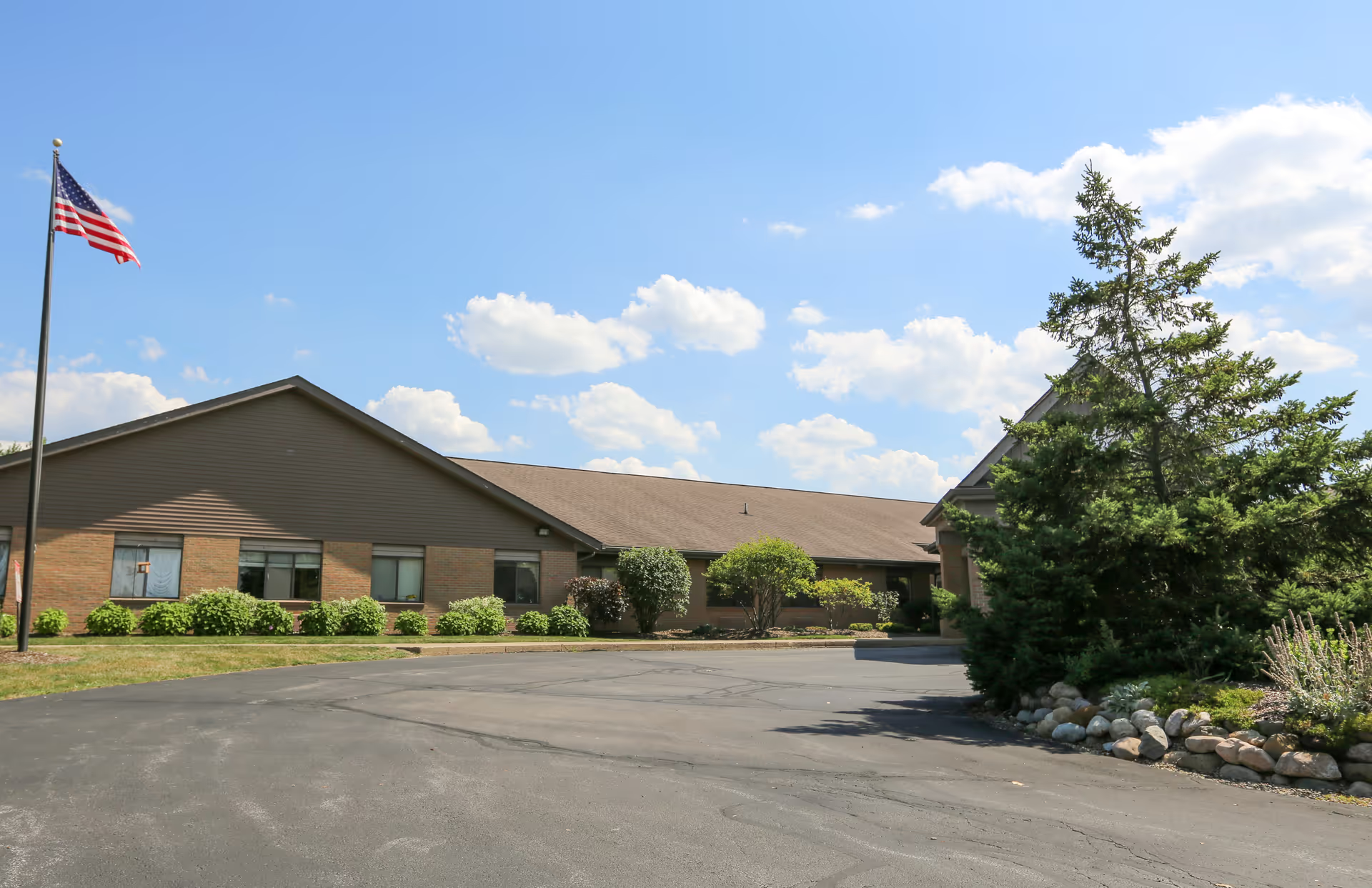
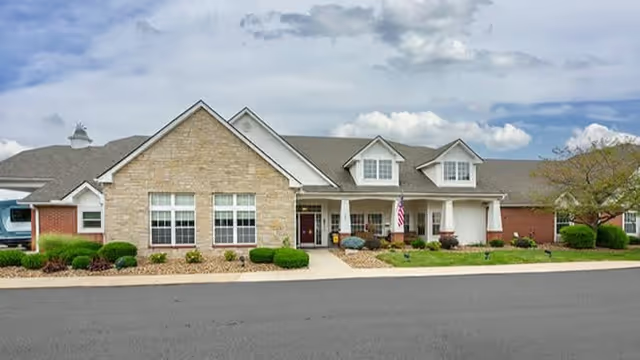
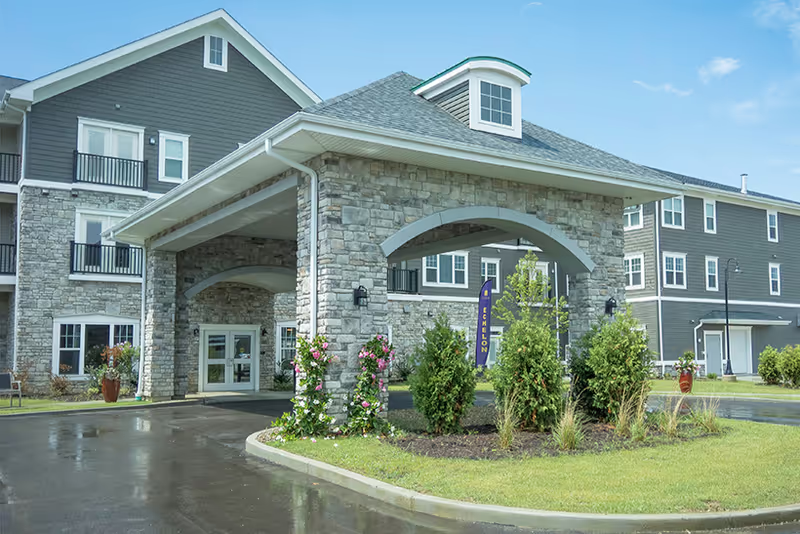
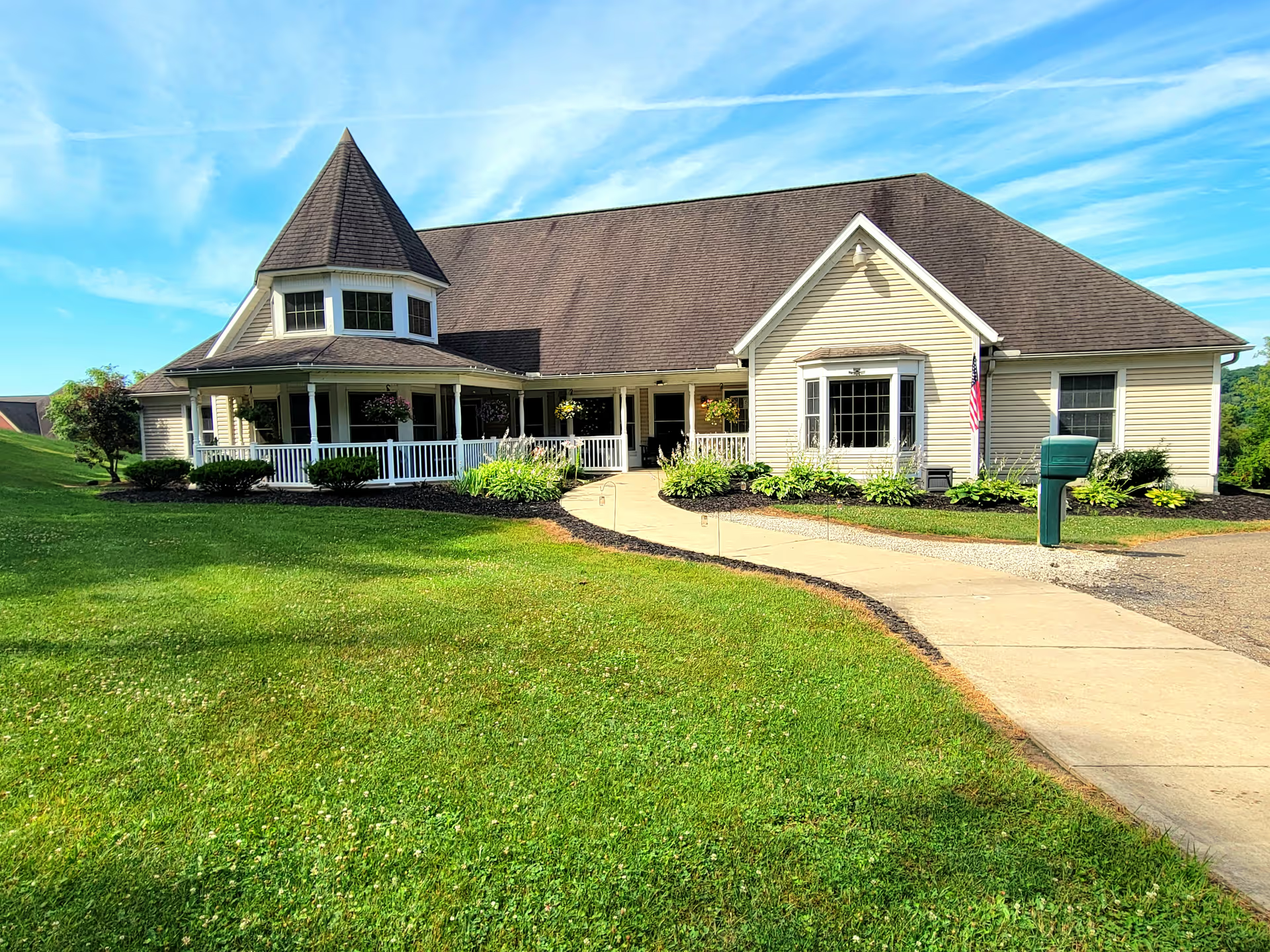
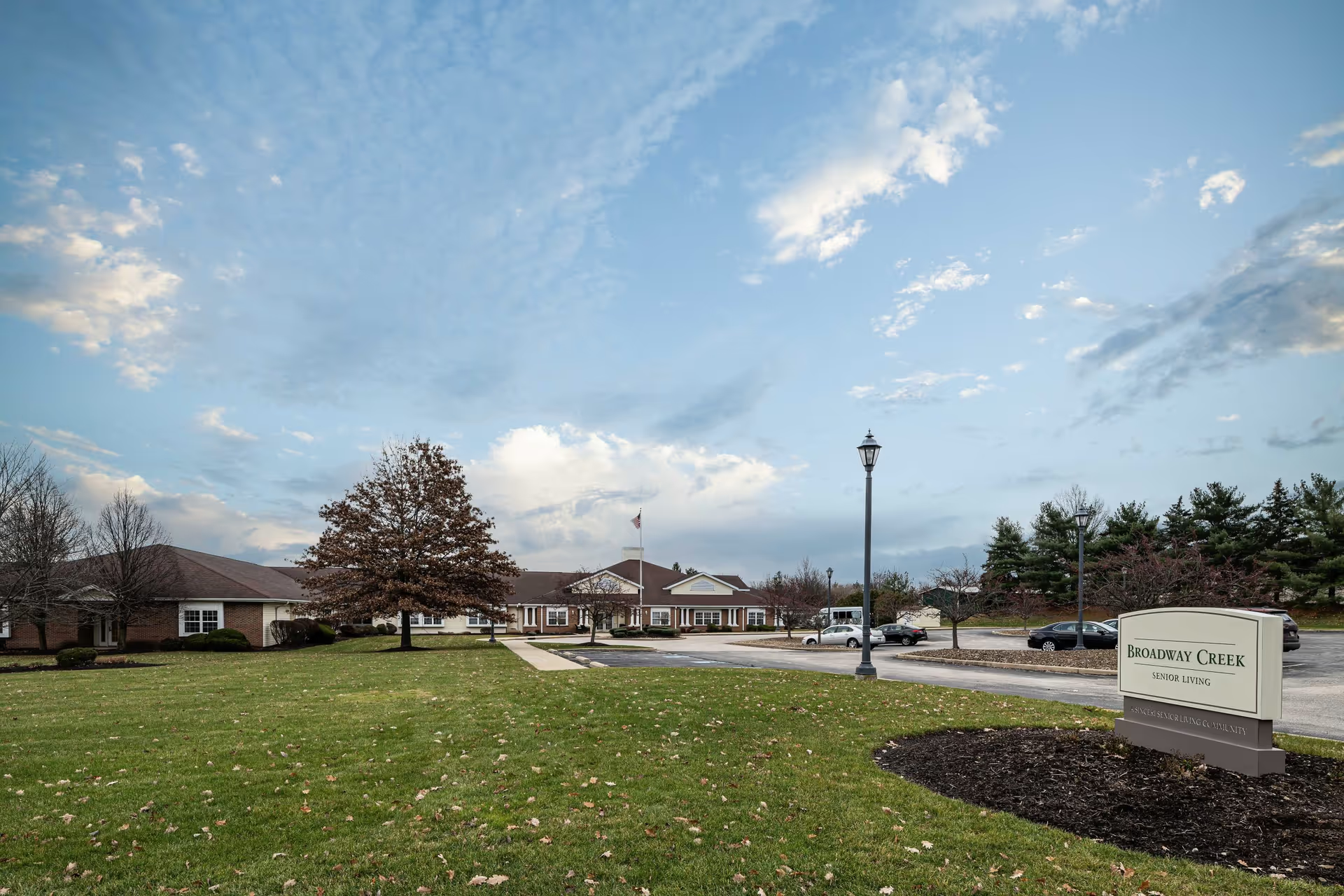
Facility condition presents a similar contrast: many reviewers note attractive landscaping, a lakeside location, and clean shared spaces, while others report outdated rooms, worn beds, electrical outlet issues, potholes in the parking area, and inconsistencies in room turnover or sanitation practices. Communications infrastructure (phone answering, Wi‑Fi, and cell reception) has been identified as unreliable in some accounts, which may affect family contact and administrative responsiveness.
Notable patterns to consider when evaluating this facility: strong potential for positive short-term rehabilitation outcomes and engaging social programming, balanced against operational concerns around staffing consistency, dementia-specific care readiness, medication and clinical follow-through, and property/security controls. Prospective residents and families should request current staffing ratios, details on dementia-care training and locked‑unit protocols, written medication administration and incident‑reporting policies, and evidence of property-accountability procedures. A tour during different shifts and conversations with therapy and nursing leadership can help clarify whether the facility’s strengths align with an individual’s or family’s priorities.