Overall impression: Reviews present a strongly mixed picture. Many families and patients describe warm, family-like interactions, effective therapists, and a welcoming admissions experience. At the same time, other accounts raise significant care-delivery and facility-operation concerns. Recent management changes appear to have led to tangible improvements for some residents, but variability remains a central theme.
Care quality and clinical issues: The facility receives praise for its rehabilitation program and several therapists who provide clear progress and effective therapy. Conversely, there are serious concerns about inconsistent clinical care practices, including delayed assistance with personal care, inconsistent turning and skin-inspection routines, and delays in medication delivery. There are also accounts that raise the possibility of serious clinical lapses; reviewers cite pressure-injury concerns and case-level complications that resulted in hospitalization. Prospective families should request current clinical staffing ratios, medication-administration protocols, and recent quality-survey results to assess these risks.
Staff and management: Many reviewers highlight compassionate, attentive staff members who create a supportive, family-like atmosphere; reception and admissions staff are frequently called welcoming. However, staff performance and professionalism are described as uneven: accounts range from highly dedicated caregivers to instances of poor communication or confrontational conduct by specific administrative staff. Multiple reviewers note an improvement after leadership changes, with more proactive administration, a visible housekeeping presence, and a shift in tone from management.
Dining and activities: Dining experiences are inconsistent across reports. Some families describe pleasing meals and high-quality food, while others describe service issues such as returned trays or unacceptable meal delivery. Activity programming is often cited positively, with well-organized events, visits from therapy dogs, and social celebrations that contribute to resident engagement. Availability of social spaces and outdoor access is described as limited in several accounts, so inquire about the facility’s usable common areas during a visit.
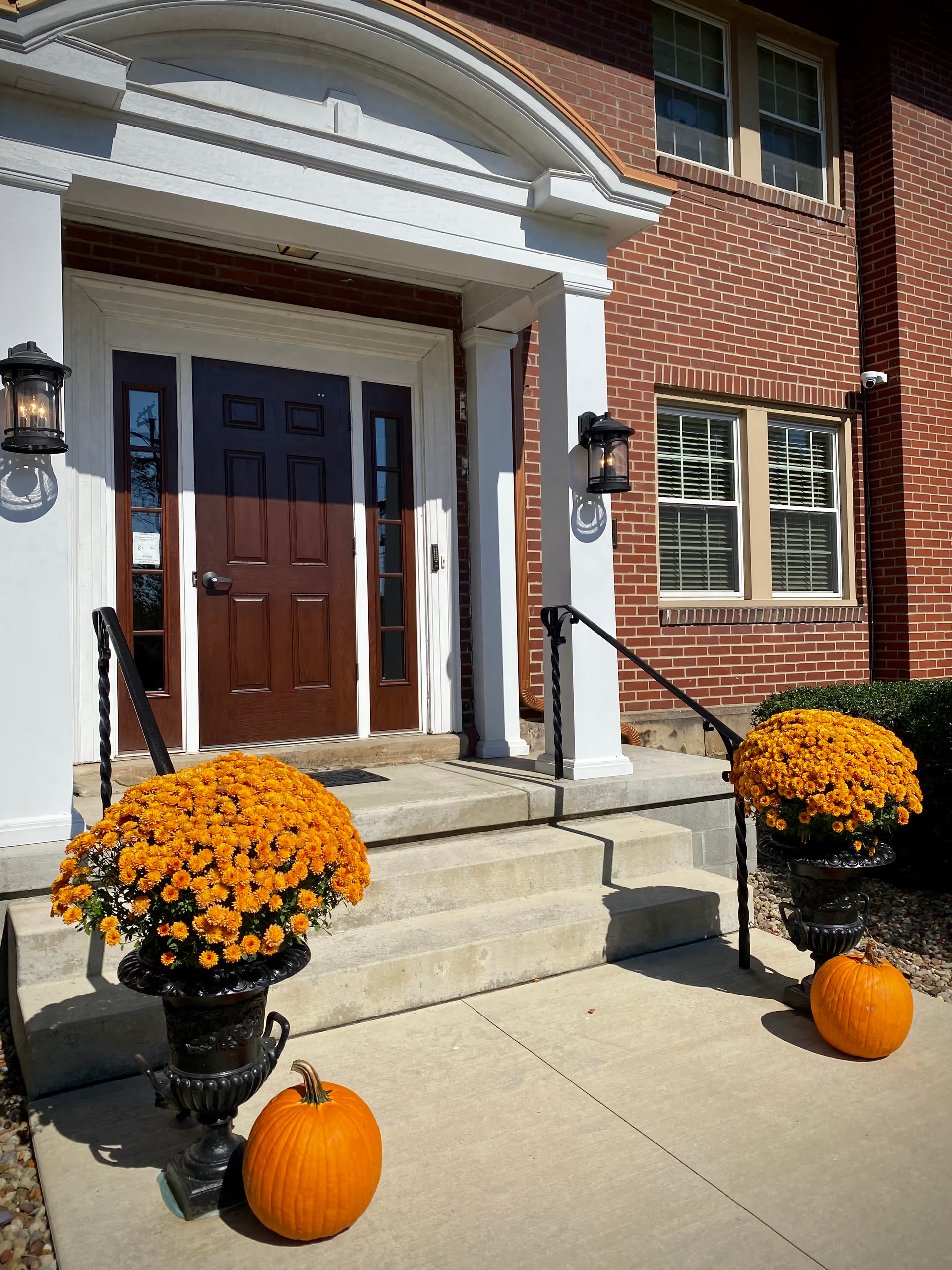
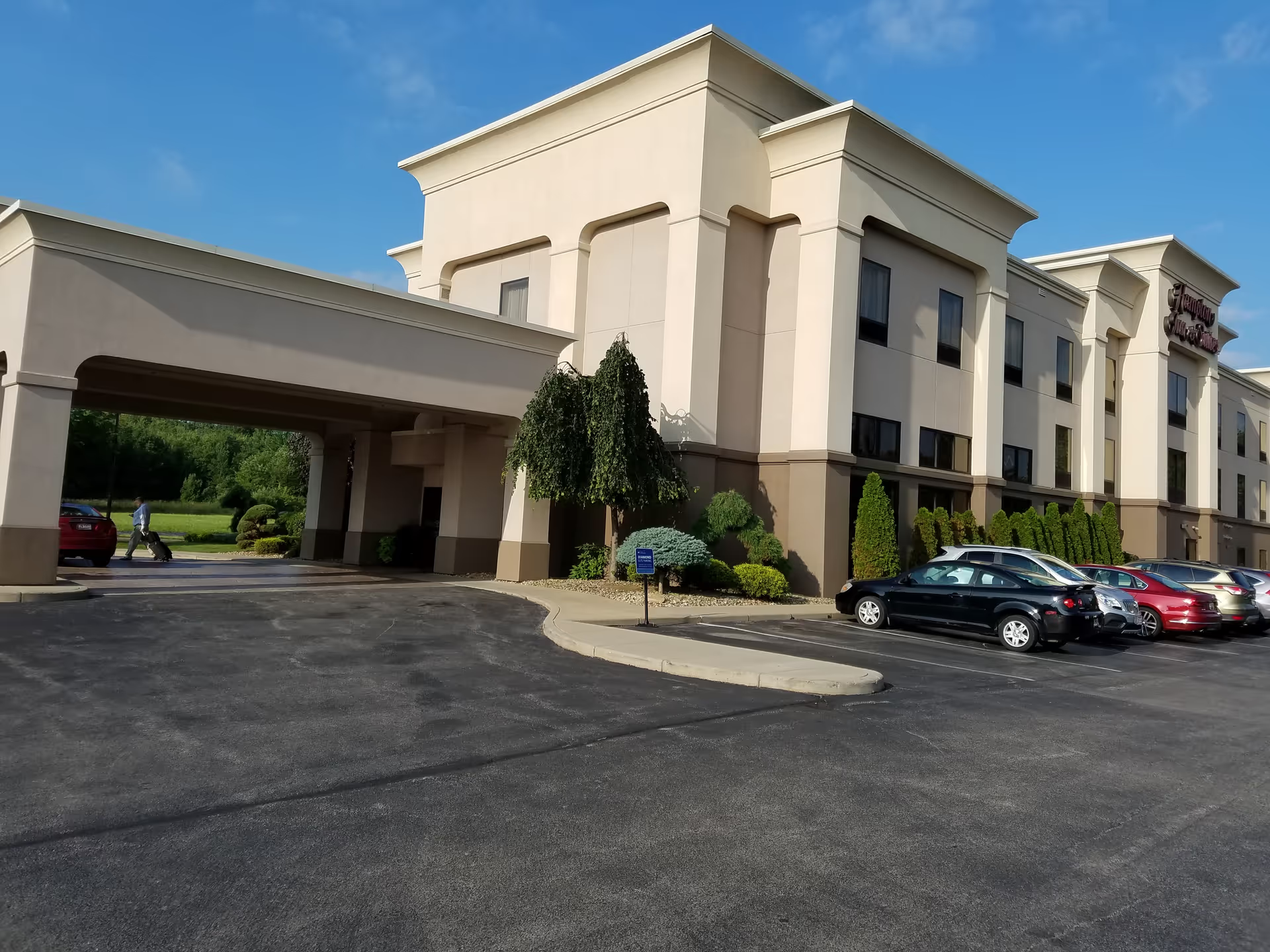
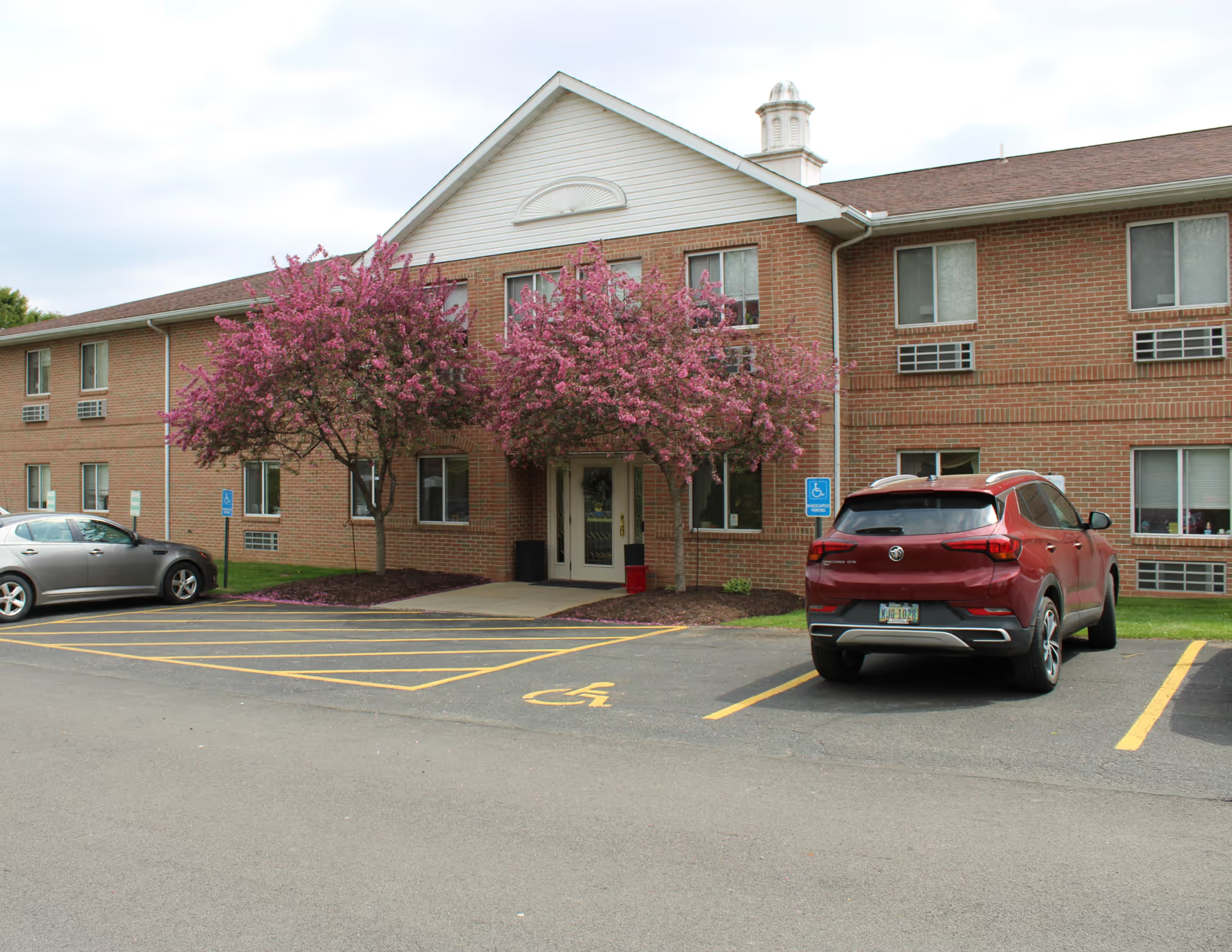
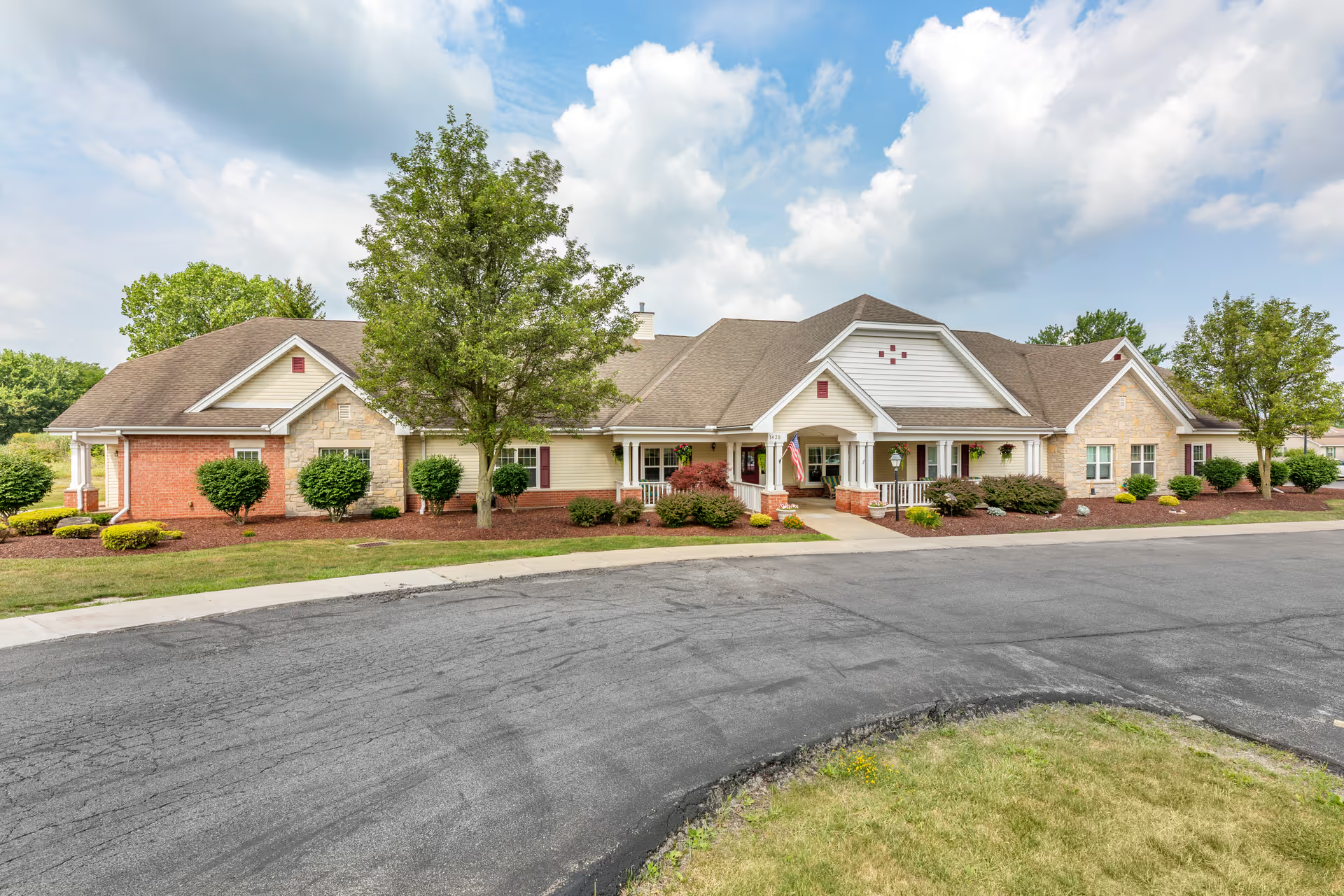
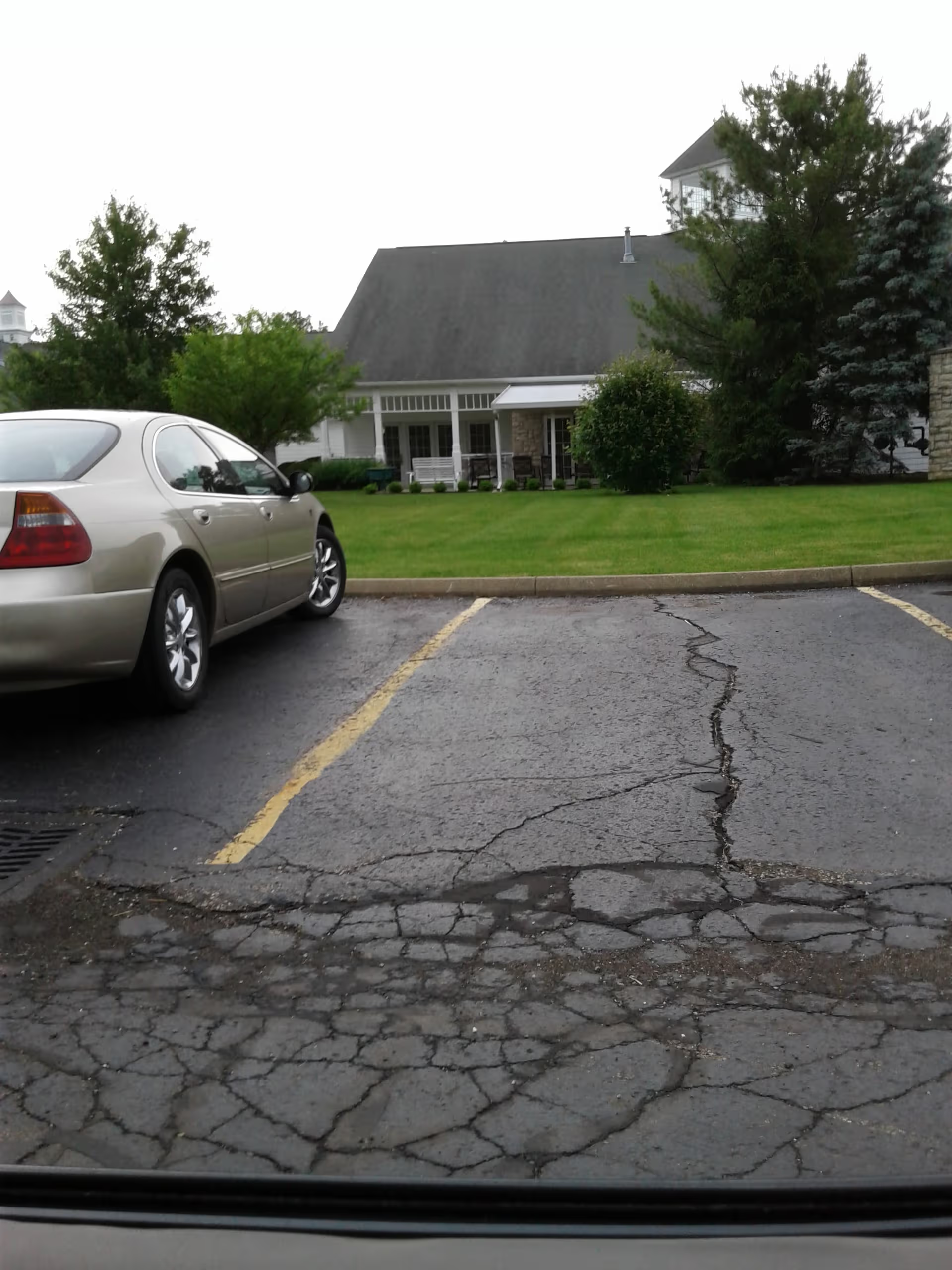
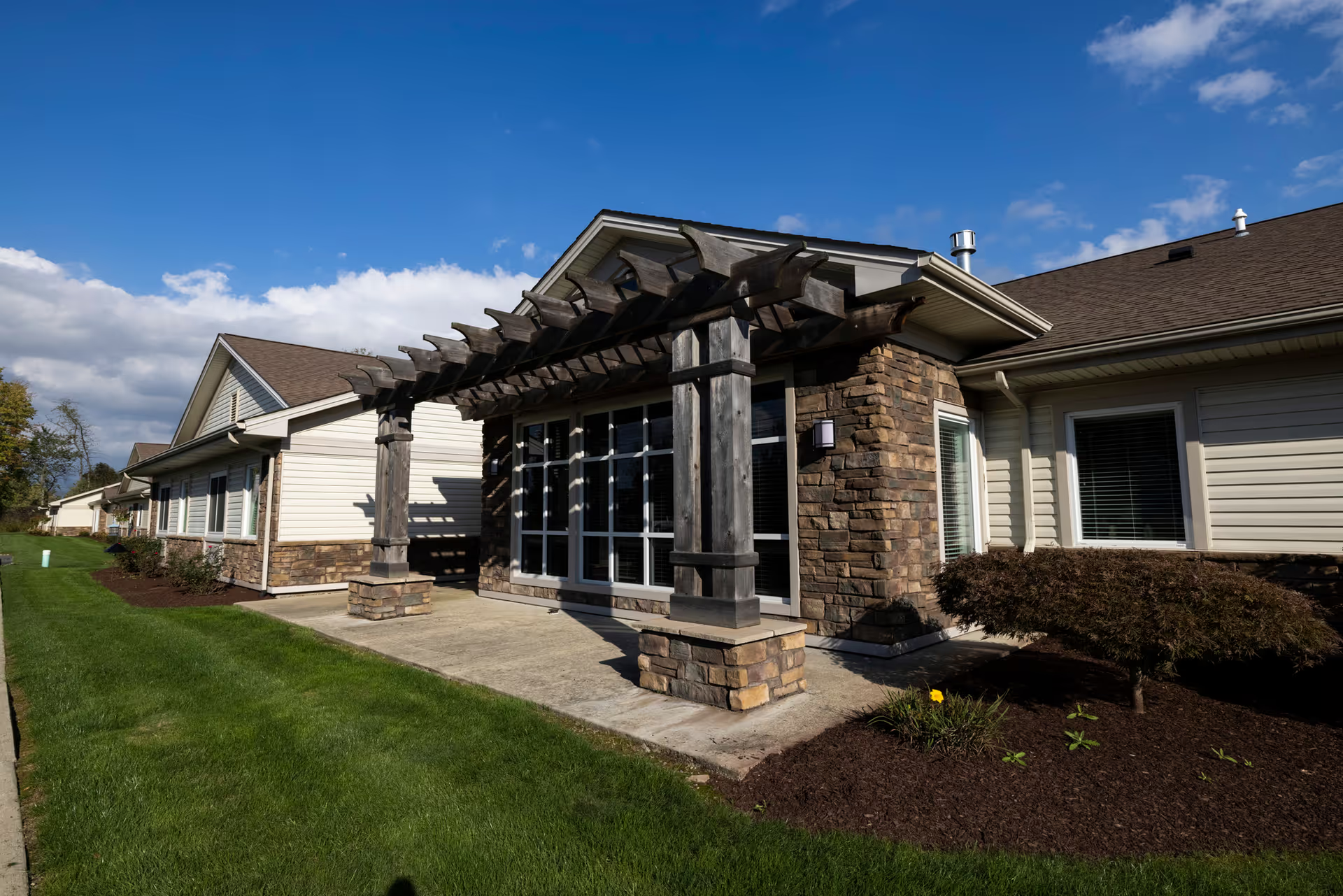
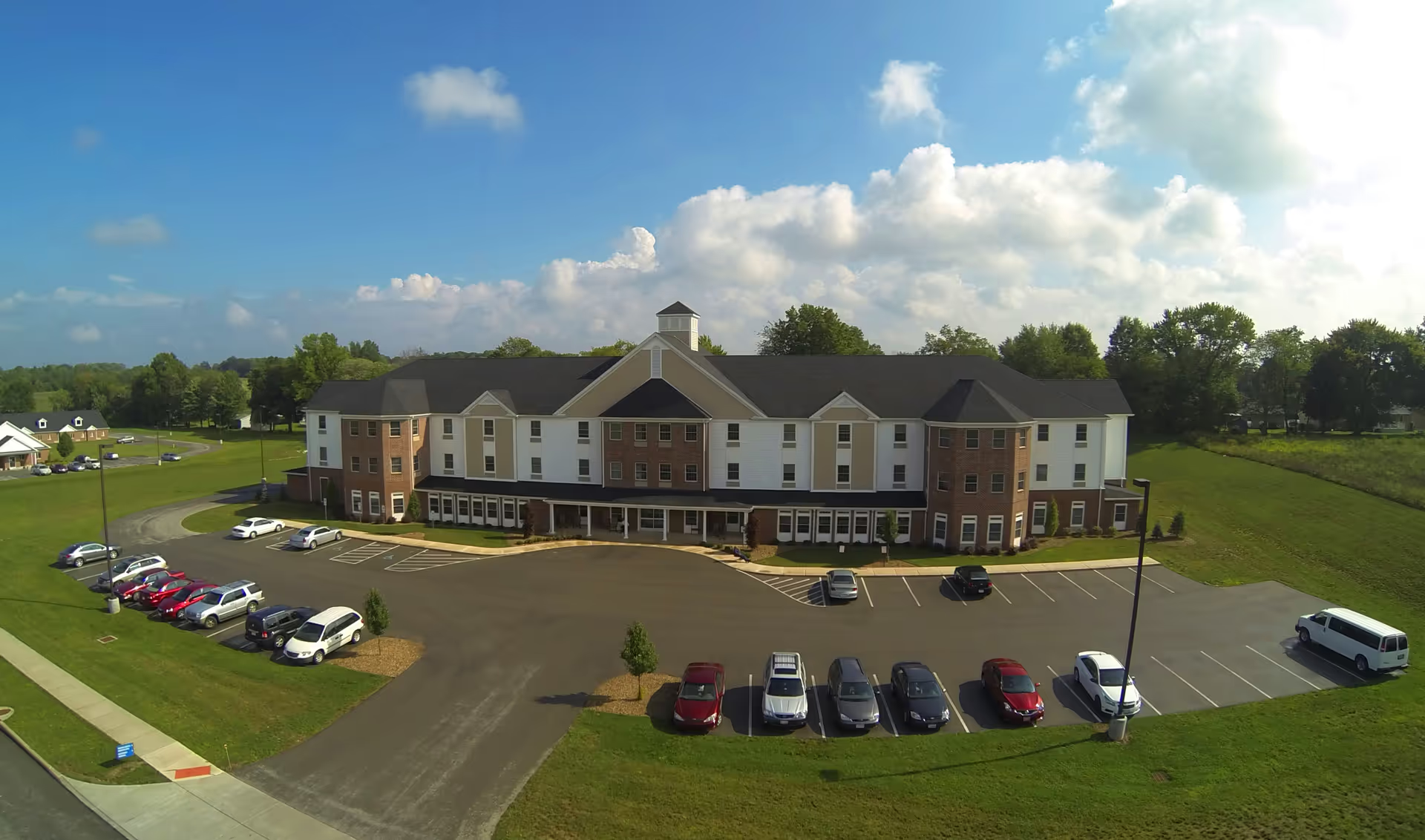
Facilities and operations: Physical plant conditions are variable in reviewers’ accounts. Several descriptions point to building maintenance and infrastructure deficits, shared bathroom arrangements, and intermittent housekeeping or odor-control issues, though others note recent cleaning improvements and ongoing repairs (for example, parking-lot resurfacing). Equipment and supply availability is another recurring operational gap—examples include delays obtaining appropriate mobility aids, bedding, or respiratory equipment. Night-time coverage and responsiveness are also identified as an operational weakness in some reports.
Notable patterns and recommendations: The dominant pattern is variability—high-quality, compassionate care and strong rehab outcomes coexist with operational inconsistencies that have, in some cases, led families to remove loved ones. Those considering Canfield Healthcare Center should schedule an on-site visit during active care hours, observe meal service and common-area cleanliness, ask about current leadership tenure and staffing levels, request recent state inspection and complaint history, and confirm availability of necessary equipment and night-time support. Given the mix of positive and concerning accounts, direct observation and verification of clinical protocols and quality indicators will be important for an informed decision.