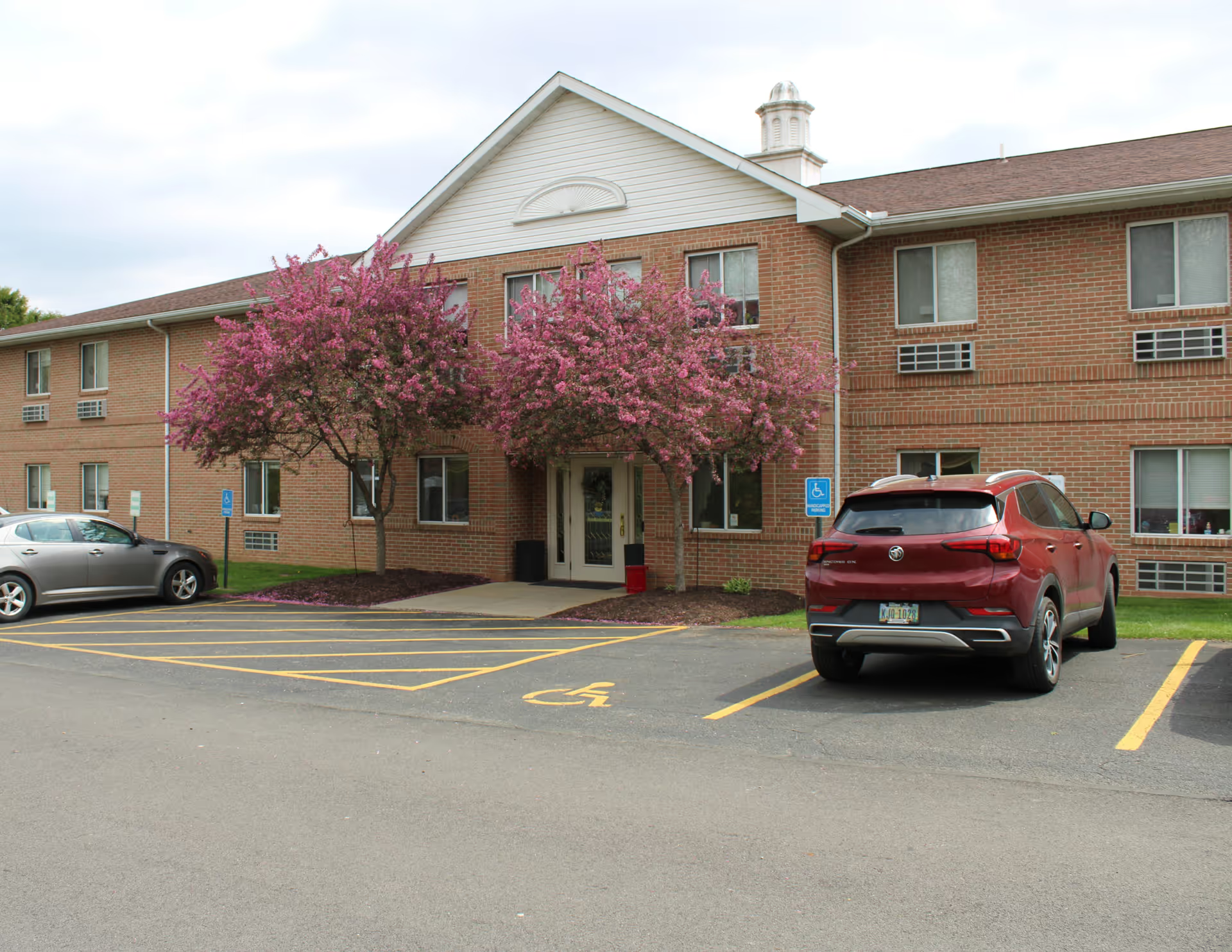
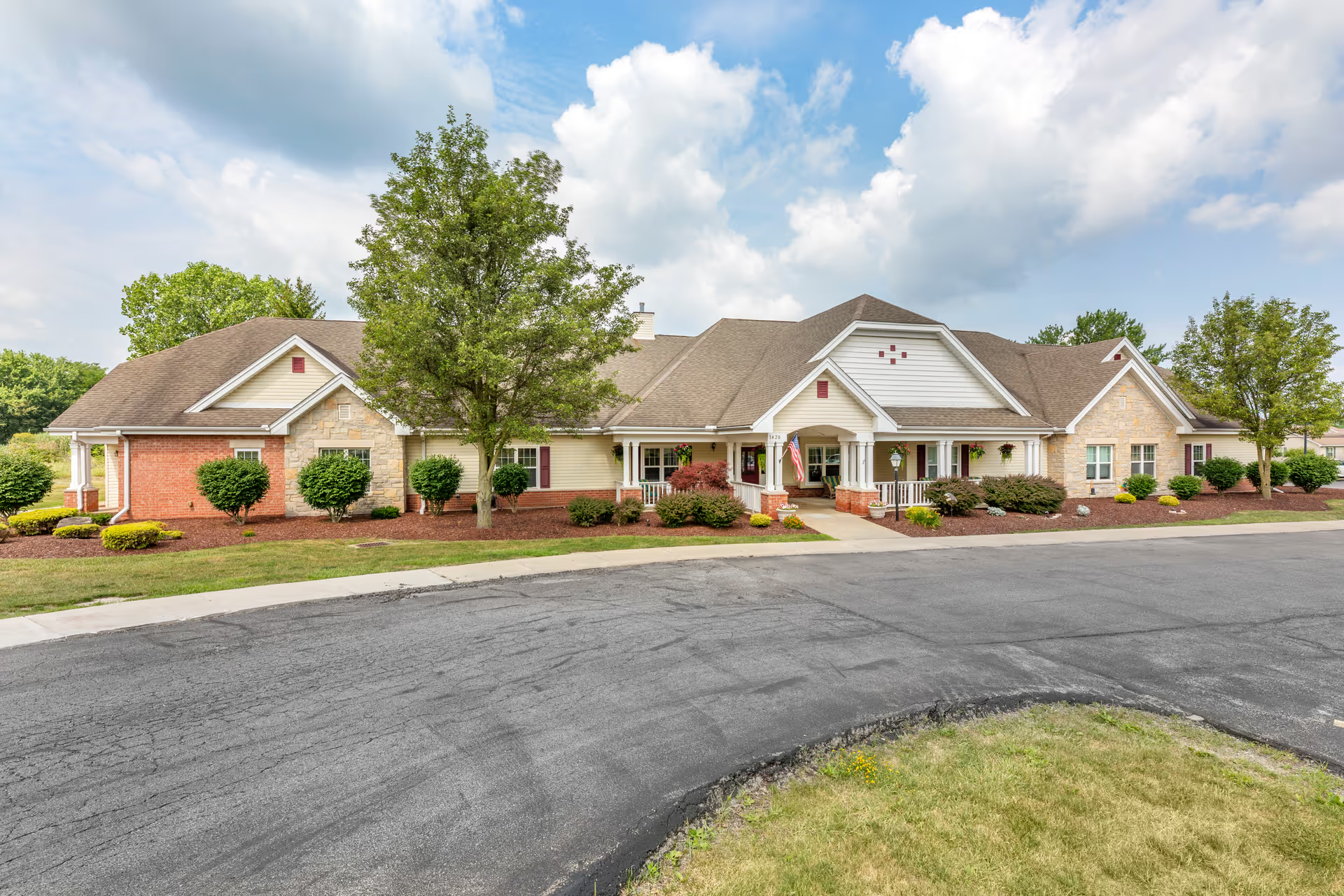
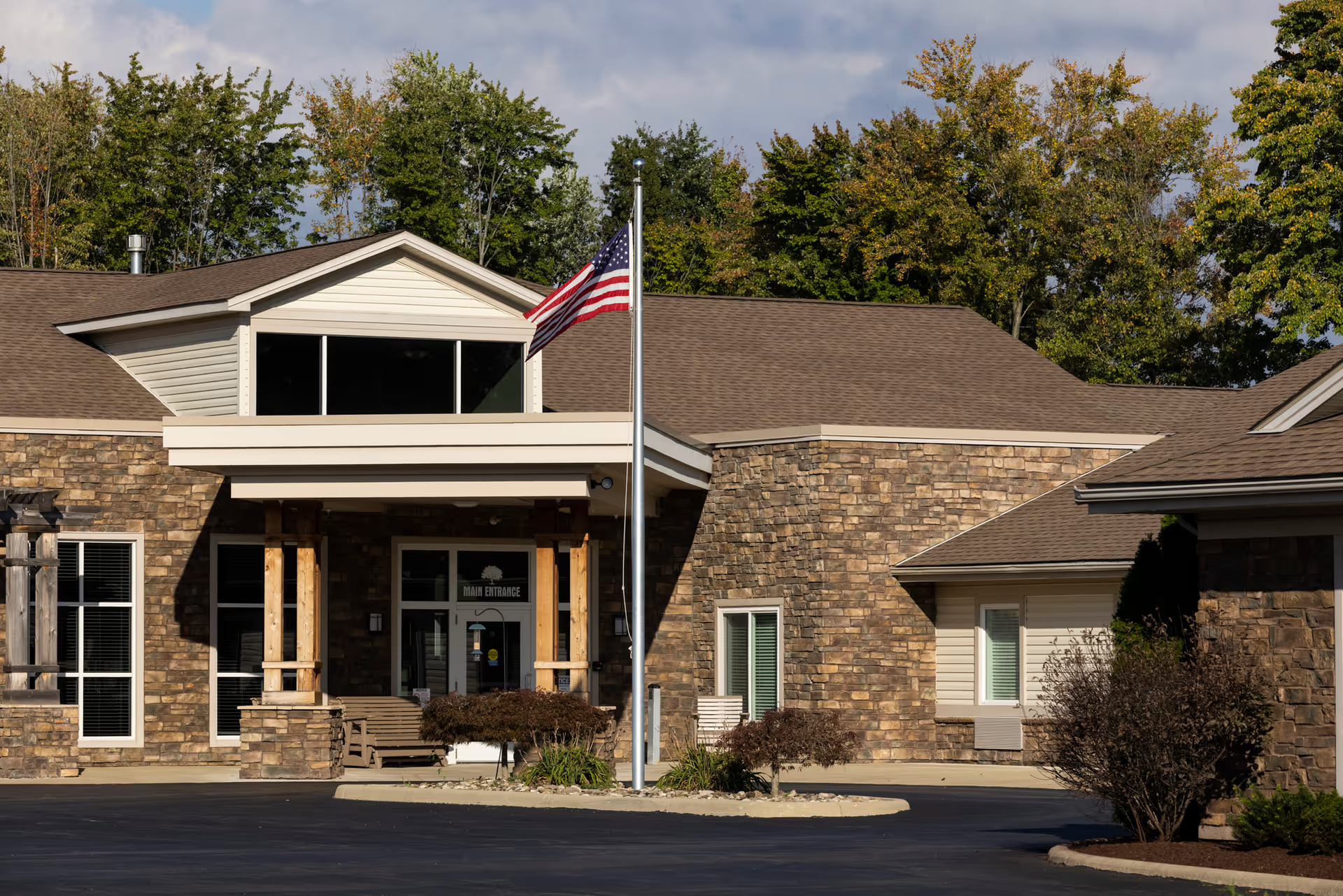
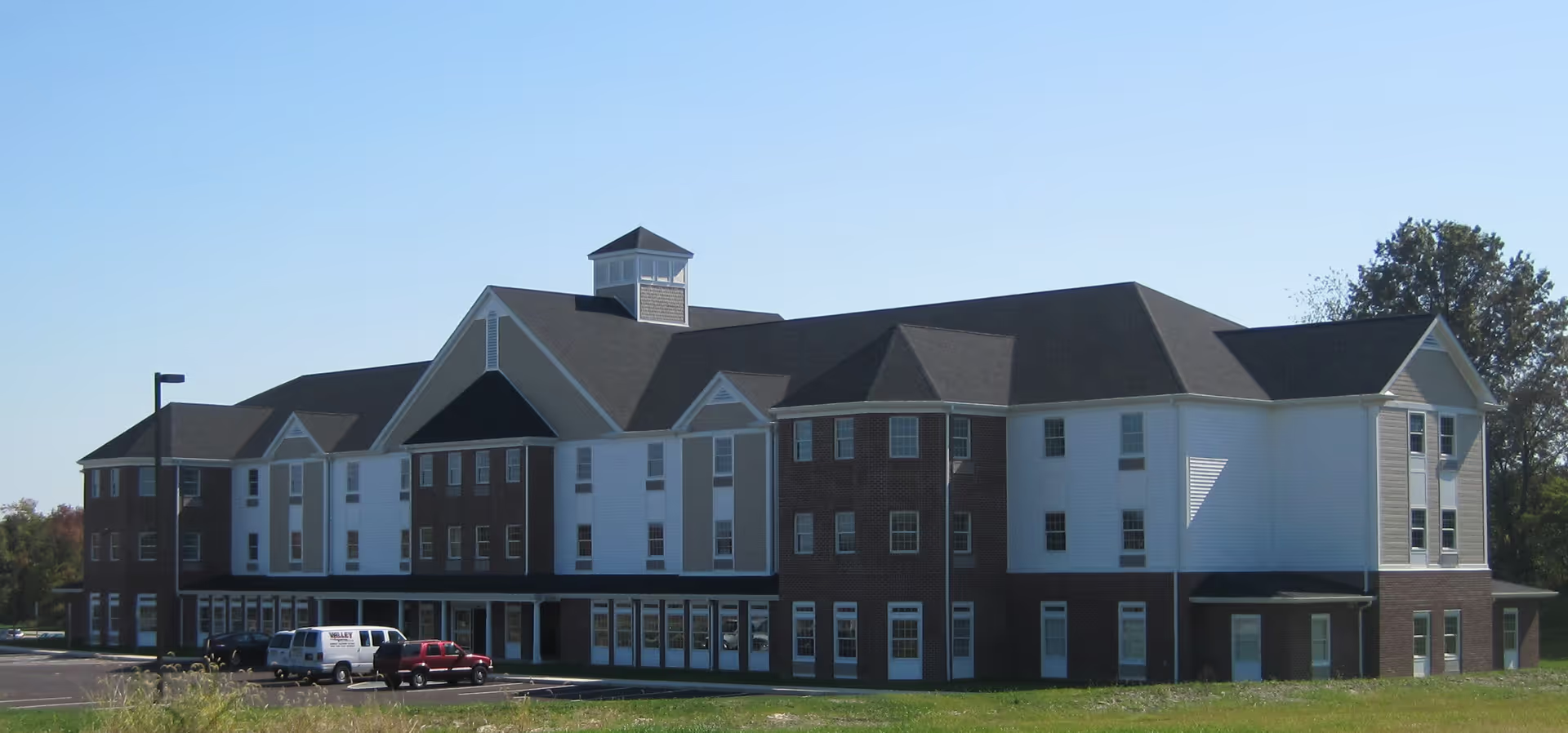
Park Vista of Youngstown elicits strongly mixed impressions. Many reviews highlight the facility’s strengths: an experienced and often compassionate direct-care workforce, a historic campus with spacious apartments and onsite amenities, and an active social calendar that contributes to resident engagement. The dedicated rehabilitation unit, supportive hospice transitions, and availability of varied apartment layouts and parking are additional assets that prospective residents and families may find appealing.
Care quality and staffing present the clearest pattern of concern. Multiple accounts indicate persistent understaffing across shifts, with consequent delays in call responses, medication administration, toileting and bathing assistance, and shorter-than-expected therapy sessions. These staffing constraints appear to vary by unit and shift; several reviewers praised the rehab floor and specific caregivers for good clinical work, while other units or night shifts were described as having limited oversight and fewer licensed nurses on duty. Some families escalated clinical concerns to ombudsman and state health authorities, which suggests the need for close scrutiny of current staffing ratios and clinical oversight before placement.
Dining and nutrition receive mixed evaluations. Positive comments describe appealing menus, an involved dietician, and sociable dining experiences. Yet other reports document inconsistent meal quality and timing, interruptions to meal-service continuity during infection-control events, limited nighttime diabetic snack options, and issues with food delivery logistics. These inconsistencies suggest the meal program can meet resident preferences under normal conditions but may be vulnerable during staffing or operational disruptions.
Activities and social programming are broadly regarded as a strength. Reviewers frequently cite diverse, engaging activities, community events, and organized outings that support social life. A minority noted that some activities carry additional fees; families should clarify which programs are included in base fees and which require extra payment.
Facility condition and maintenance show a split picture. Many residents and visitors report clean, move-in–ready apartments, attractive common areas, and prompt fixes for routine issues. Conversely, there are recurring reports of deferred maintenance: elevator malfunctions, water intrusion and balcony concerns, HVAC and window problems, and inconsistent execution of scheduled cleaning. Grounds maintenance and outdoor cleanliness were also raised as areas needing improvement. Pest-control concerns were mentioned for some units, indicating a need to review environmental-services protocols.
Management and administration appear to be in transition in several accounts. Some reviewers praise recent leadership changes and responsive managers who resolve issues quickly; others describe variable communication, an unresponsive front desk or voicemail system, perceived prioritization of cost-cutting, and high staff turnover. Financial transparency is another operational issue — reviewers referenced additional fees for activities, unclear billing practices, and dissatisfaction with perceived value relative to rent and care costs.
Taken together, Park Vista may be a good fit for prospective residents who prioritize strong social programming, an established campus, and the potential for high-quality care on specific units (notably the rehab floor). However, the facility also exhibits operational vulnerabilities — chiefly staffing consistency, care-response reliability, maintenance follow-through, and meal-service continuity — that have led some families to relocate relatives. Prospective families should conduct an in-person visit, ask for current staffing ratios and recent survey or inspection reports, clarify fee inclusions and meal plans, tour multiple units and shifts, and speak with current residents and families to assess whether recent management changes have produced sustained improvements.