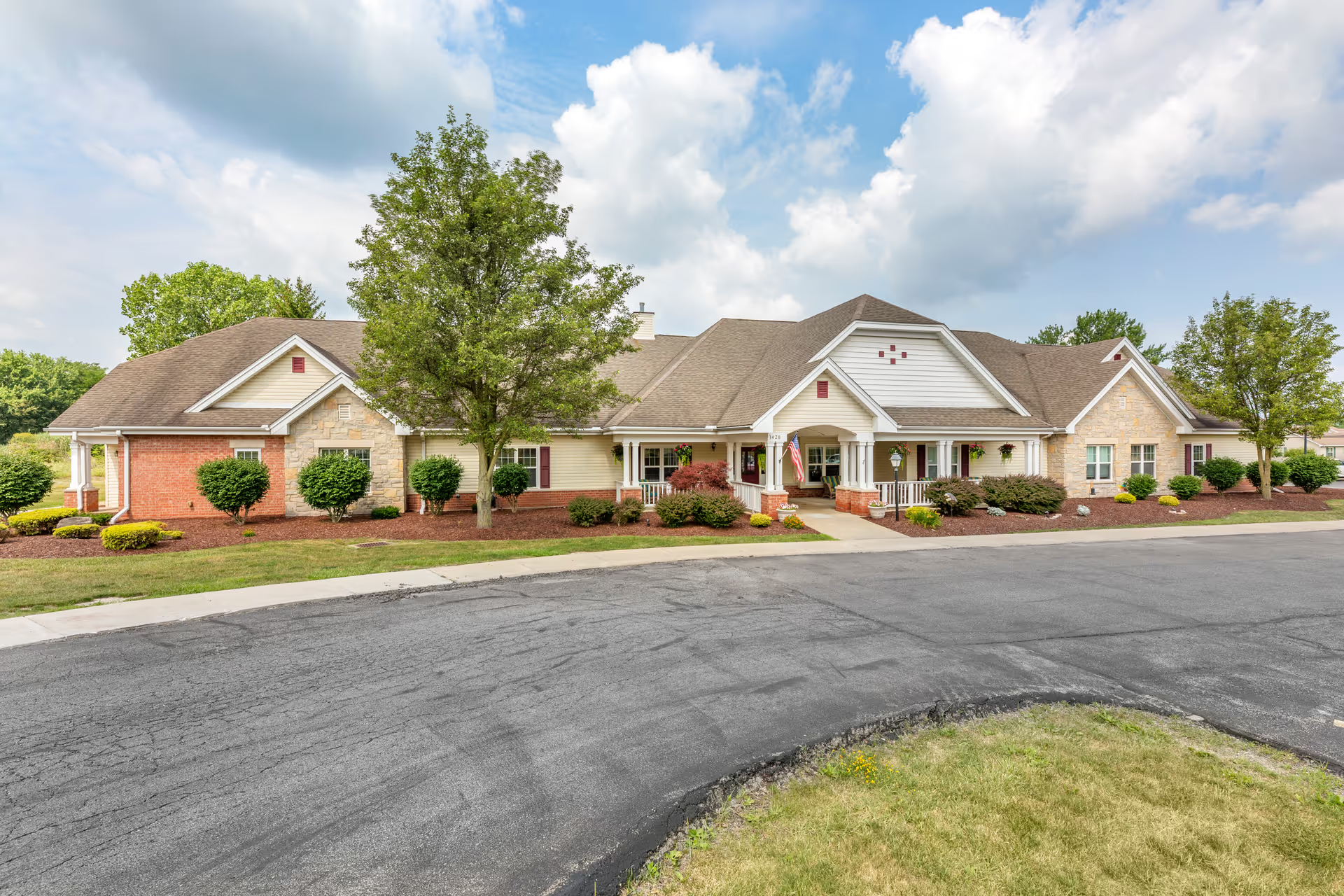
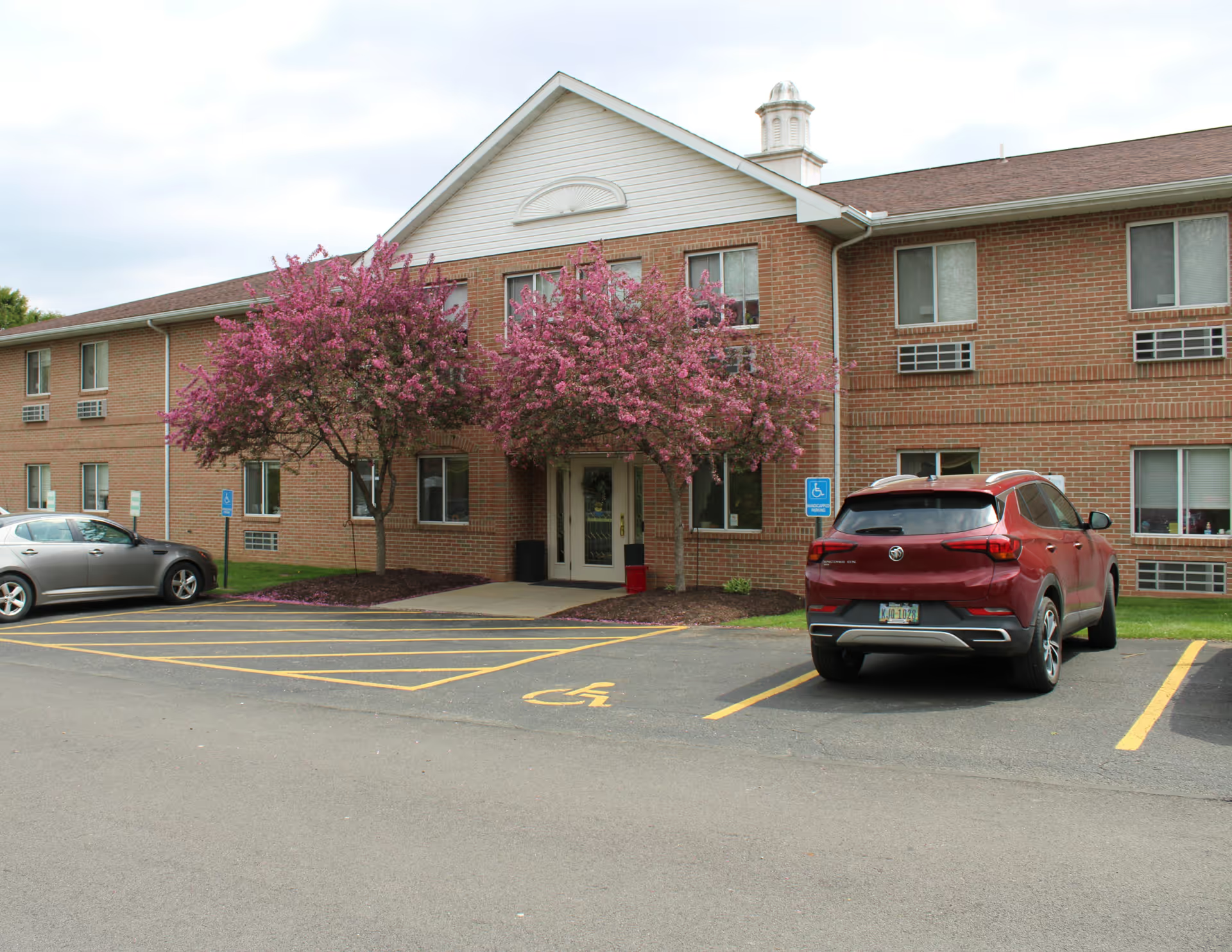
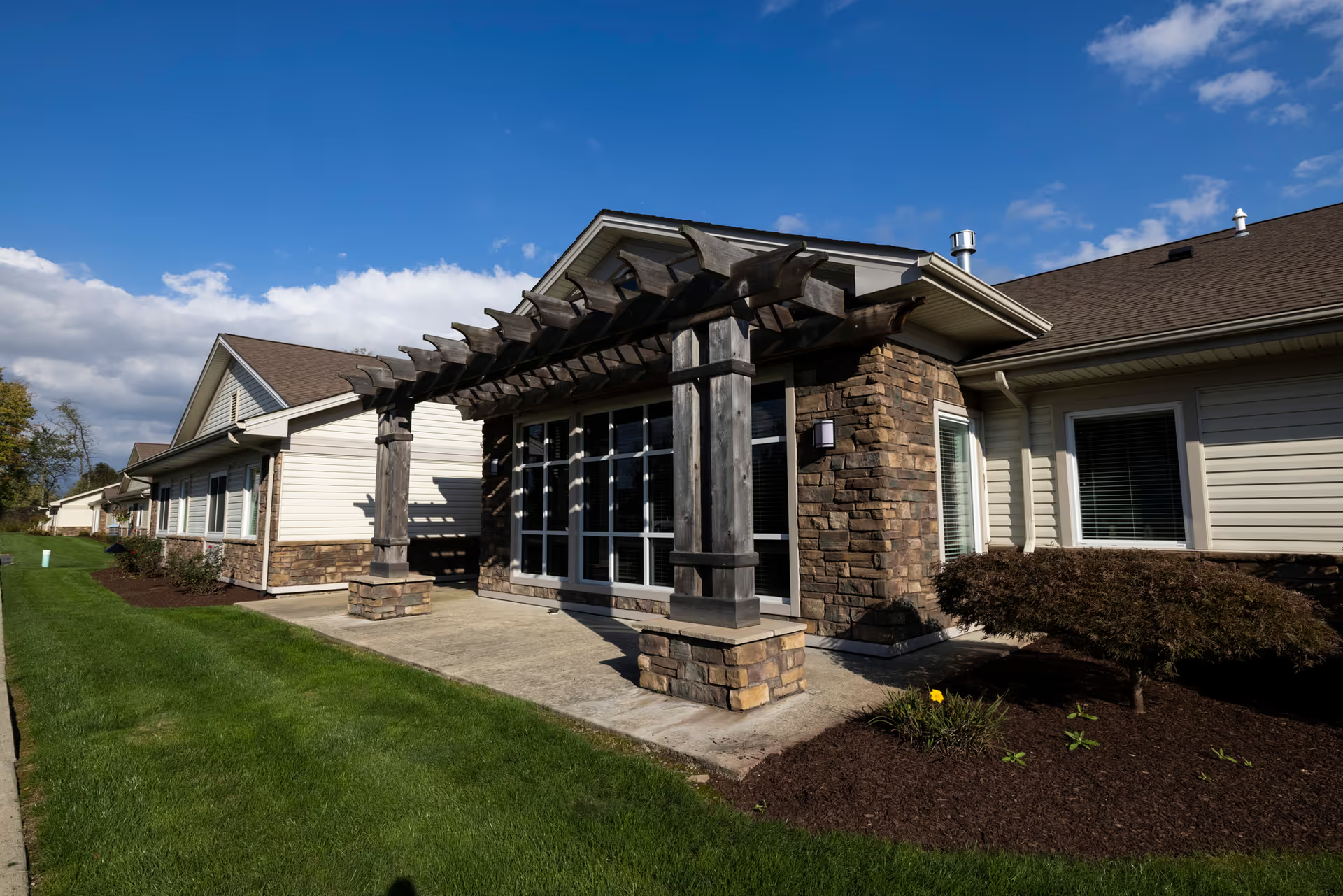
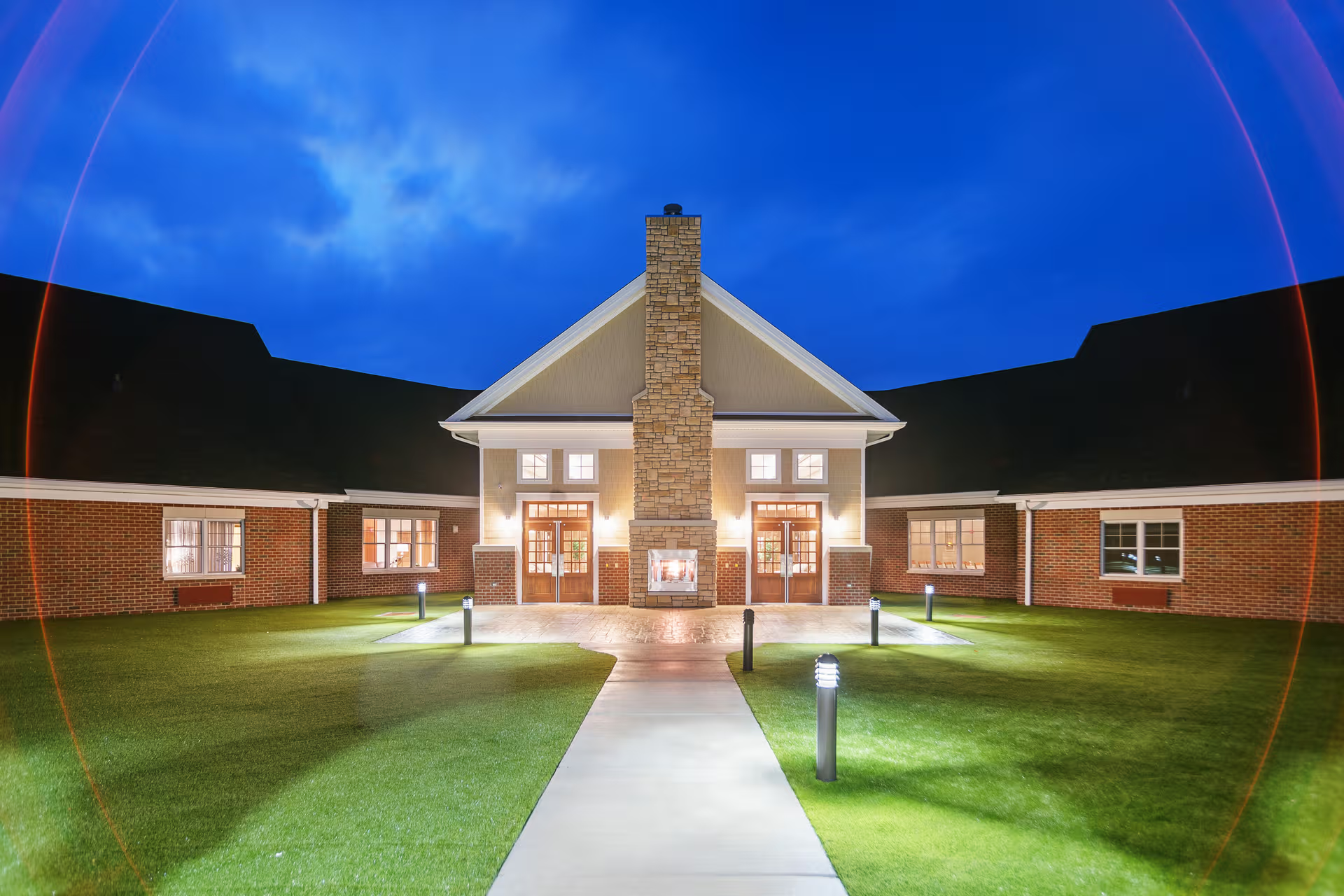
Victoria House presents as a generally well-kept, small-to-mid sized assisted-living community with a substantial number of positive attributes. Reviewers commonly describe a clean, orderly environment with well-maintained rooms and dining areas, a convenient interior layout, and apartment variety. The facility’s smaller scale is cited as comfortable and welcoming for some residents, and common areas are frequently described as open and airy.
Care and staff are the facility’s most prominent strengths. Multiple comments emphasize caring, attentive staff, a family-like atmosphere, and strong leadership from the director and core care-team. Staff morale appears favorable in at least some accounts, which can support continuity of care and a collegial environment. At the same time, there are repeated indications of staffing and responsiveness gaps: delays in attending to residents, inconsistent customer-service interactions, and variability in how quickly staff respond to needs. These operational gaps are important to explore during a visit, especially for families needing frequent assistance.
The memory-care/dementia unit shows a mixed picture. Physically the dementia unit is described as well laid out, but reviewers raise concerns that operational policies and unit separation can be isolating for residents and that mobility restrictions may be applied in ways that limit resident movement. Several comments also indicate that meal provision and supervision in the memory-care area have been inconsistent, with at least one family mentioning they supplemented food for their relative. These points suggest a divergence between the unit’s physical design and its day-to-day programming and supervision.
Dining and activities are generally viewed positively: food quality is repeatedly praised and residents are said to be happy with meals and the dining environment. Transportation is available, and the layout supports socializing in common areas. Long-term resident presence and a sense of community are noted, which may indicate stable social programming. However, families should confirm how dining is managed in the memory-care unit and how activity schedules are adapted for residents with cognitive impairment.
Facility management receives both commendation and criticism. The director and care team are called out for strong leadership in several comments, but there are also accounts of poor customer-service interactions and uneven cleanliness in some private rooms. Cost is another recurring theme: several reviewers describe monthly charges as relatively high and question value for money. Prospective residents and families should review fee structures, included services, and cleaning/housekeeping schedules when evaluating overall cost versus expected benefits.
Overall, Victoria House appears to offer many attributes families seek—compassionate staff, a clean environment, good food, transportation, and a smaller, more intimate scale—but with notable operational caveats around staffing consistency, memory-care practices, and price. Recommended next steps for interested families include touring the memory-care areas during activity times, meeting the director and frontline staff, asking for staffing ratios and meal-service protocols in the memory-care unit, reviewing housekeeping schedules, and obtaining a detailed fee breakdown to assess value relative to needs.