Overall impression: The review set is polarized. Several accounts describe warm, attentive caregivers and a community where residents feel valued; other accounts raise substantive concerns about how the facility is managed and how staff interact with residents and families. This creates a mixed picture for prospective residents and their families and suggests variability in day-to-day experience depending on unit, staff on duty, or timing.
Care quality: Comments specifically raise concerns about the facility’s ability to meet the needs of residents with dementia or Alzheimer’s disease. Families described instances that led them to increase in-person monitoring and, in at least one instance, to request outside regulatory attention. Conversely, other families felt that their relatives received compassionate, personalized care. The pattern suggests uneven performance in cognitive-care practices and oversight; prospective families should verify dementia-care protocols, staff training in dementia-specific interventions, staffing ratios for higher-acuity residents, and recent regulatory or inspection history.
Staff: There is a clear contrast in reported staff behavior. Positive remarks highlight attentive, caring caregivers who make residents feel loved and respected. Negative remarks emphasize problematic interpersonal conduct and abrasive communication from some staff and management, including communication that made visitors feel unwelcome. Taken together, these observations point toward inconsistent staff conduct and potential gaps in staff coaching or supervision. Ask about staff hiring and training practices, staff turnover, and how the facility monitors day-to-day staff–resident interactions.
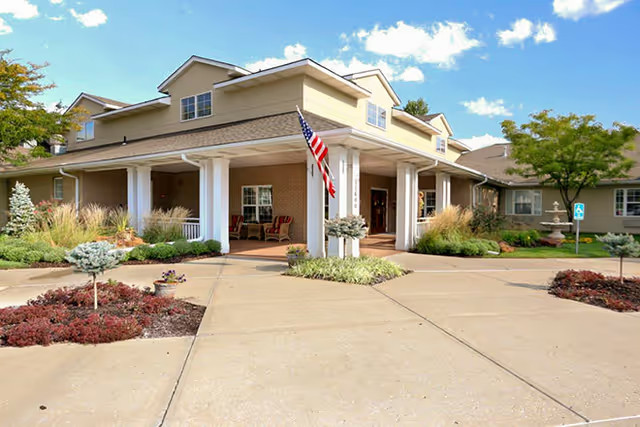
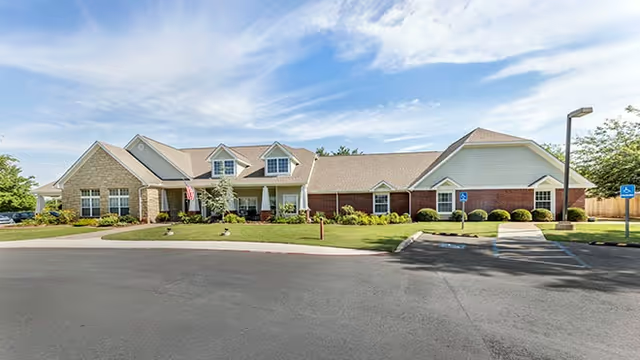
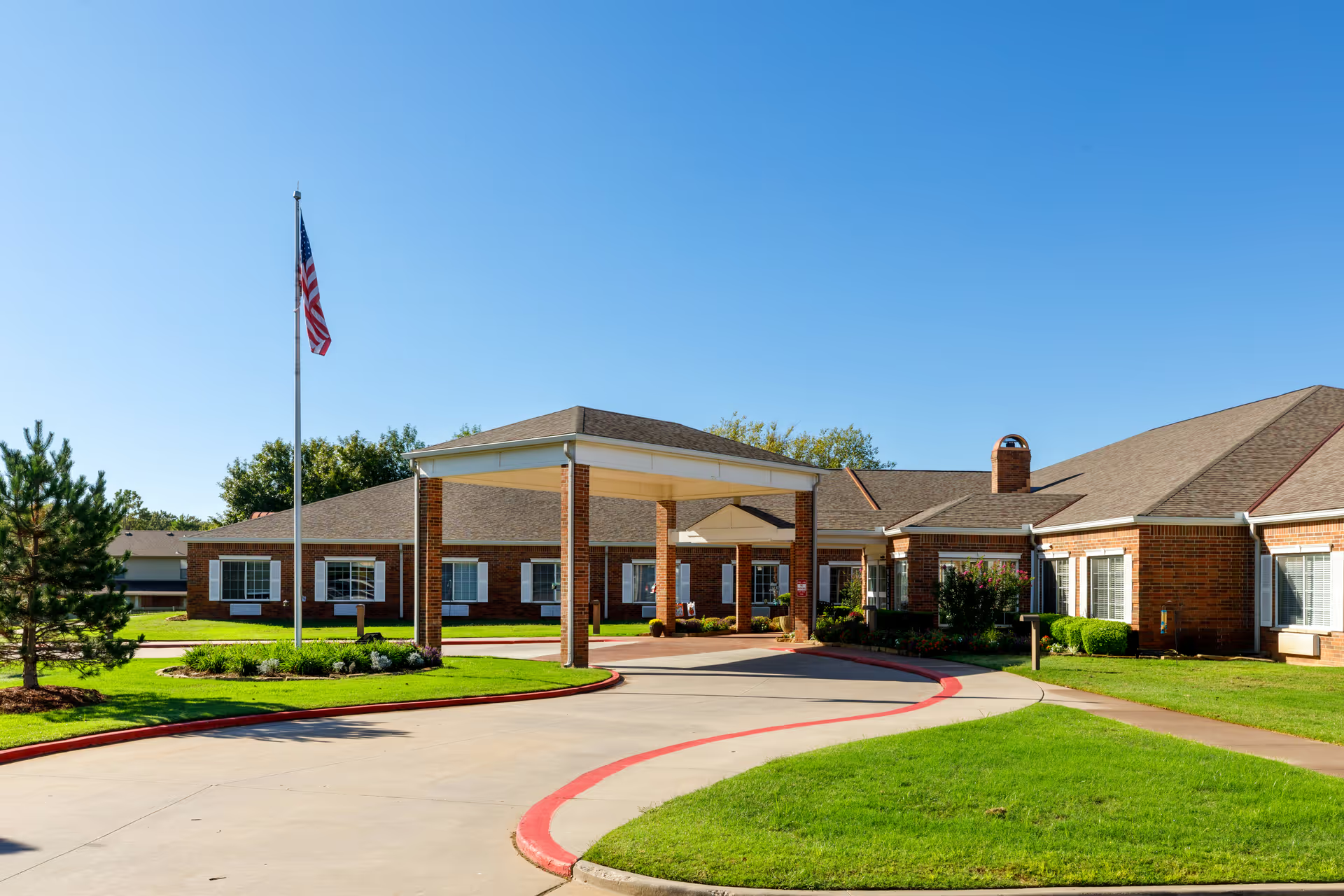
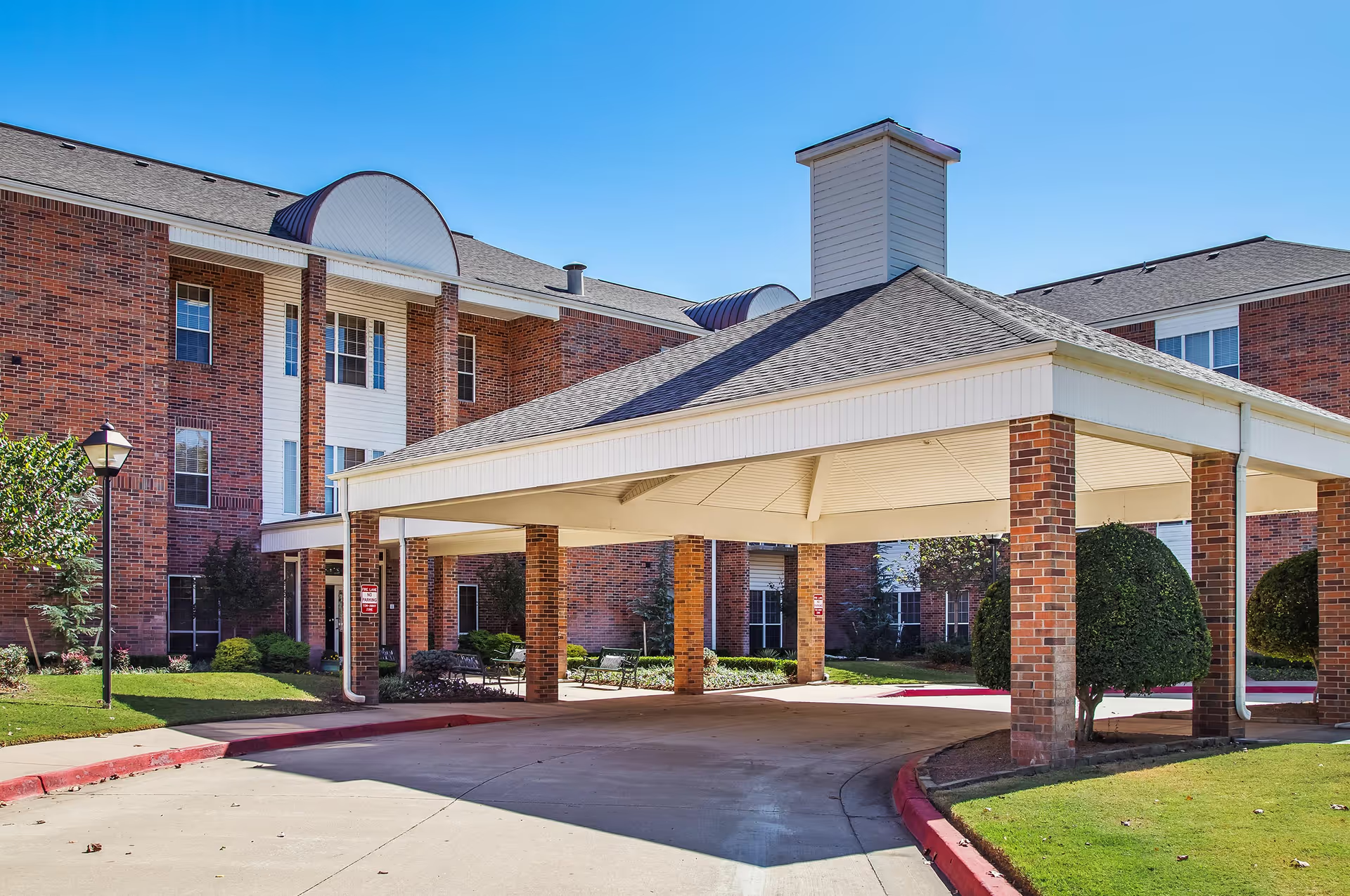
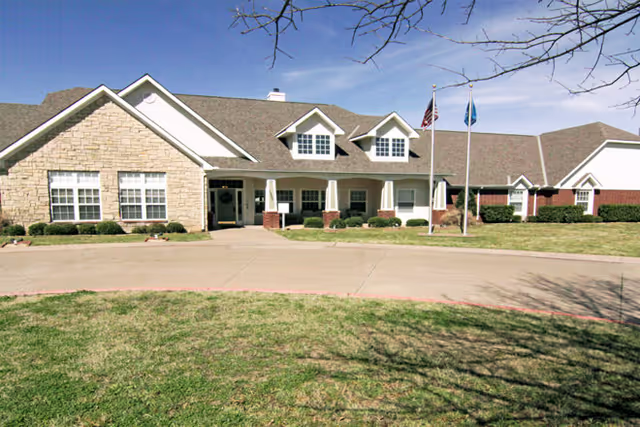
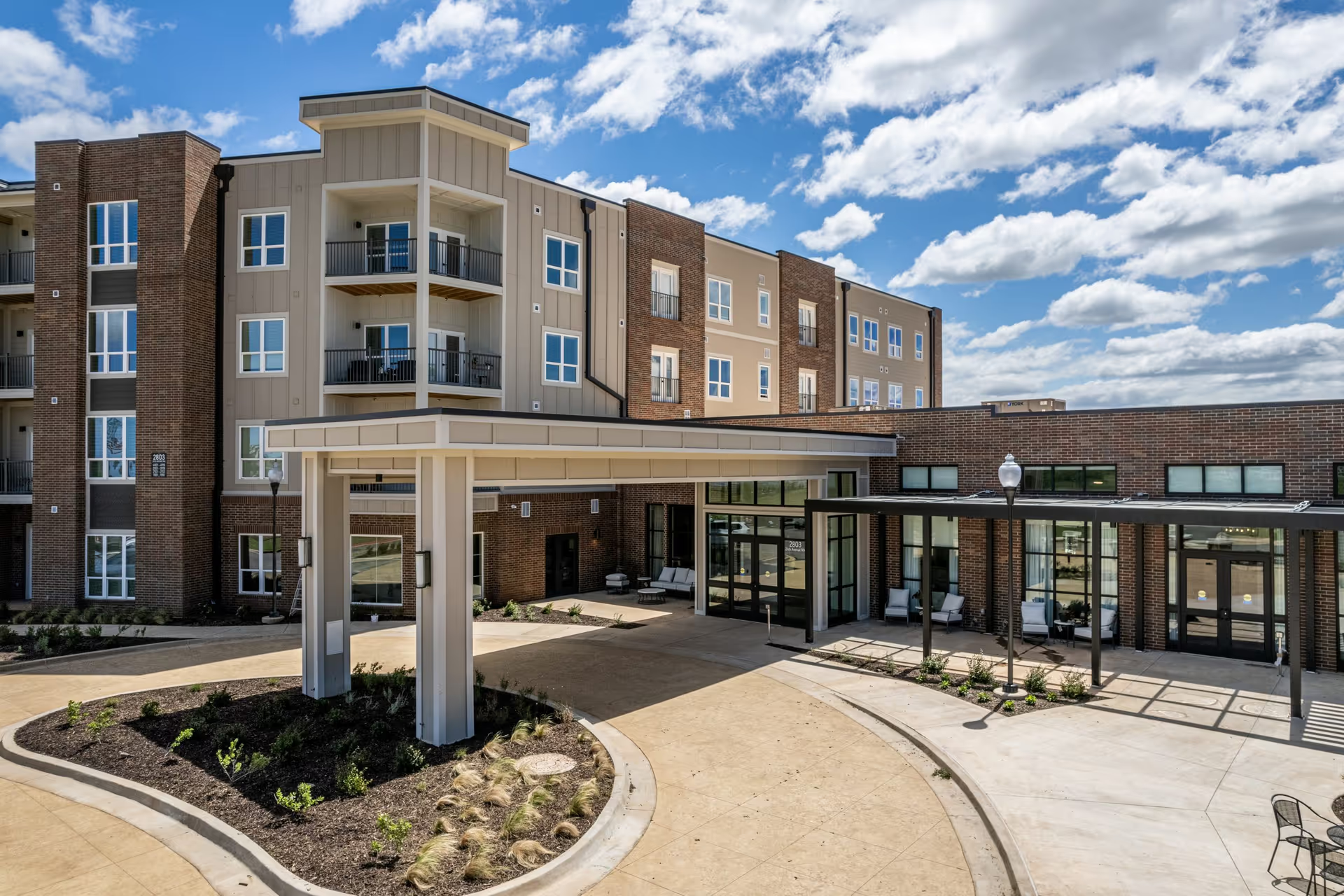
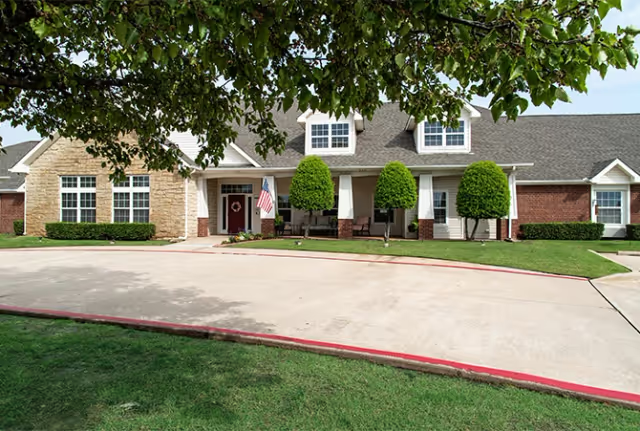
Dining, activities, and facilities: The reviews provide little specific information on dining quality, activity programming, or the physical condition of the building. Because there is limited data in these areas, prospective families should request a tour that includes sampling a meal, reviewing a weekly activity calendar, and inspecting resident rooms and common areas. Also request details on how activities are adapted for residents with cognitive impairment.
Management and corporate responsiveness: Multiple comments characterize management communication as unprofessional and describe a lack of satisfactory response when concerns were raised to corporate leadership. Reviewers indicated difficulties getting issues resolved through internal channels, and at least one family sought an external regulatory review. These points suggest weaknesses in complaint escalation, incident-response procedures, and corporate follow-through. Prospective families should ask for the facility’s formal complaint and incident escalation policies, examples of recent corrective actions, and contact information for the corporate representative responsible for oversight.
Notable patterns and recommendations: The dominant pattern is variability — positive interpersonal care from some staff alongside operational and oversight shortcomings tied to management and dementia care. For decision-making, consider an extended visit during shift changes to observe staff interactions, request recent inspection and incident logs, speak with families of current residents (particularly those in dementia-care units), and confirm documented dementia training and staffing ratios. These steps will help determine whether the aspects praised by some reviewers are consistent and whether the operational weaknesses others describe have been addressed.