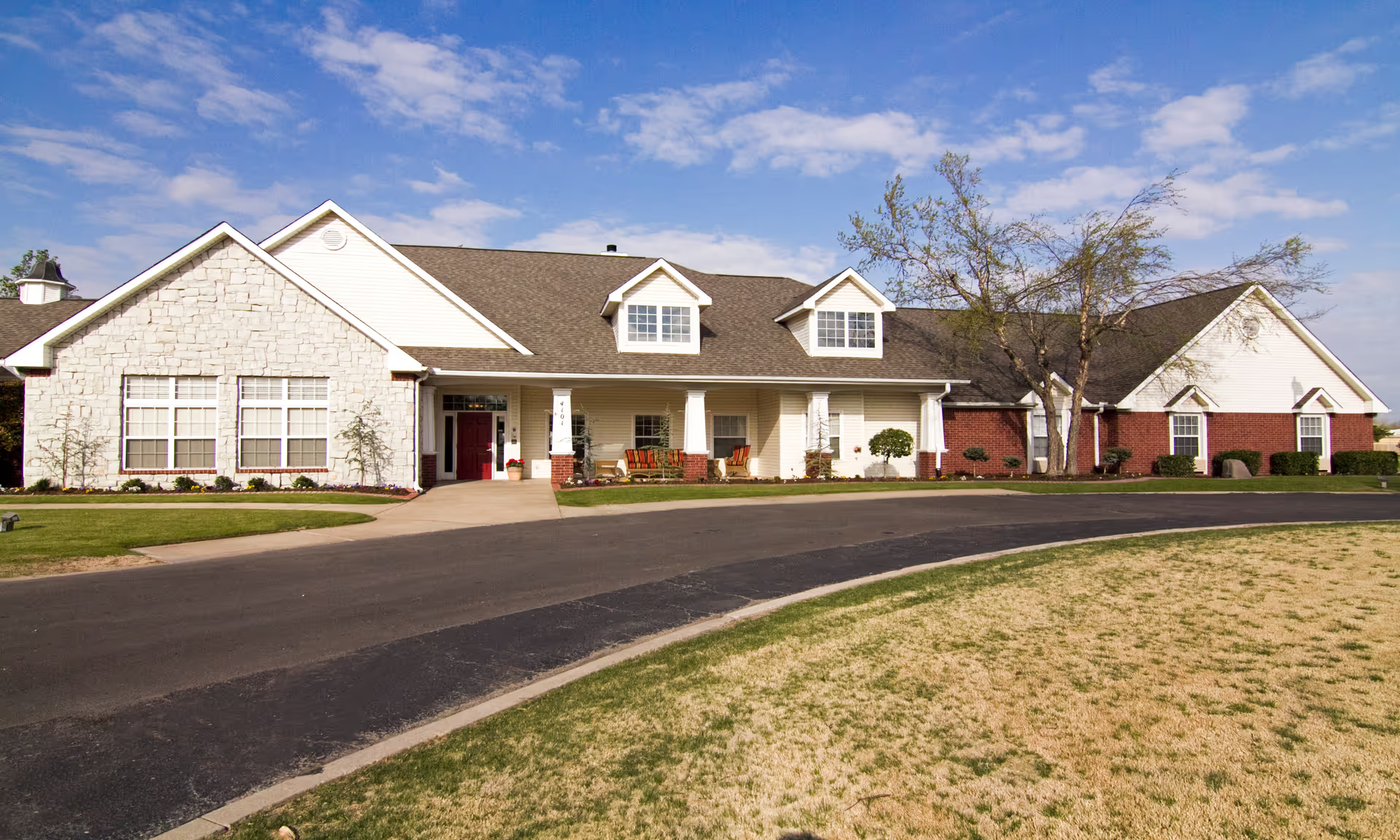
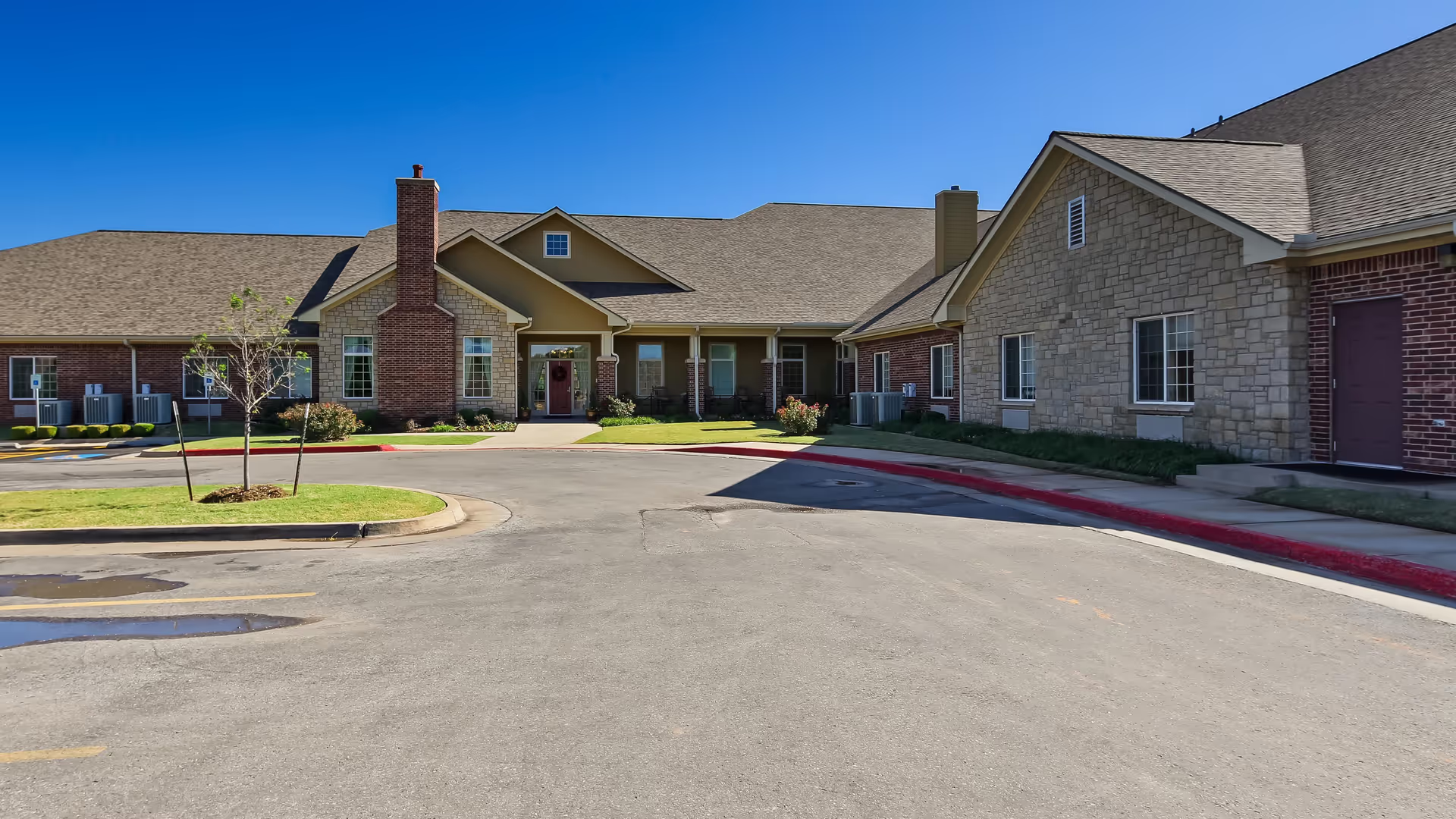
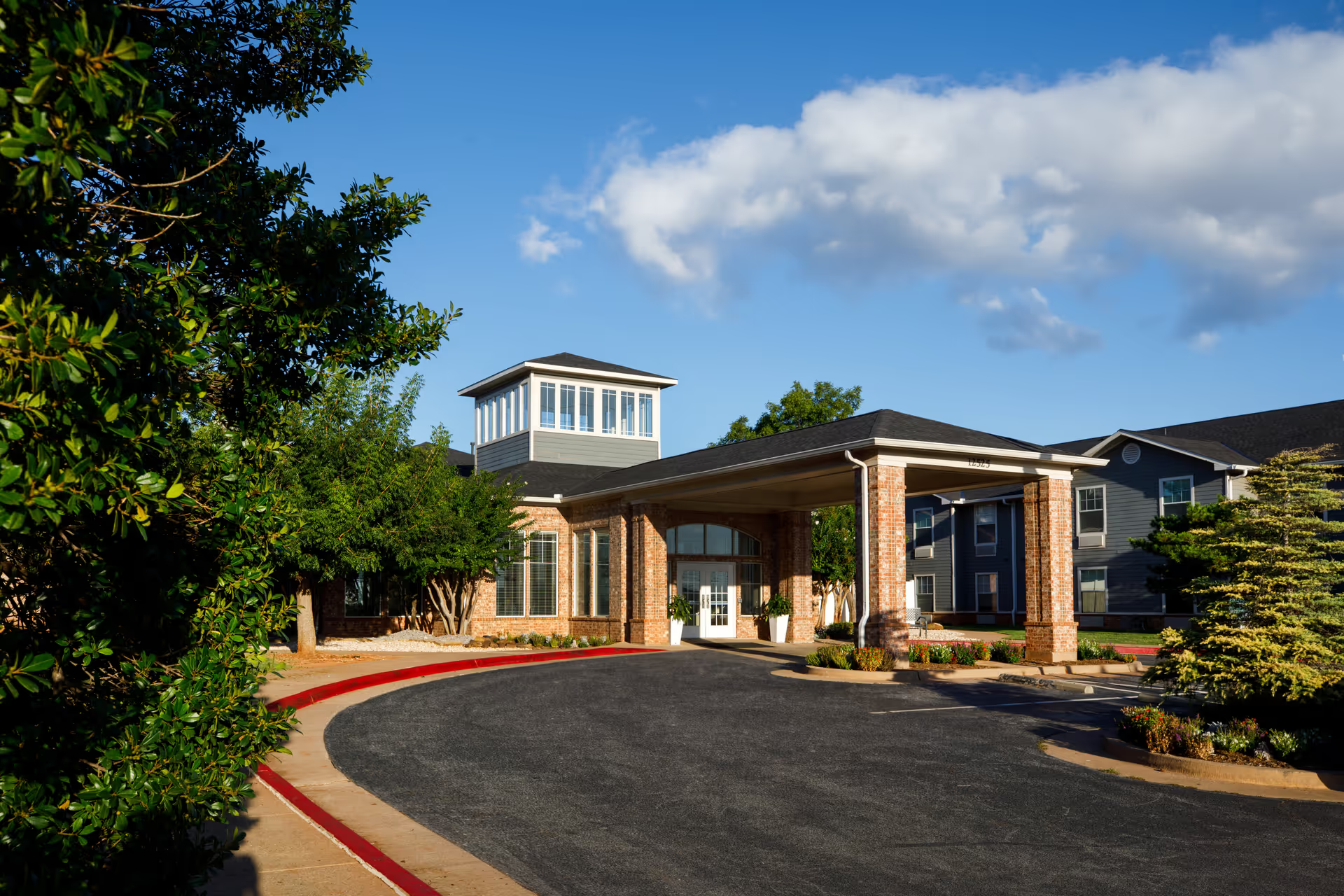
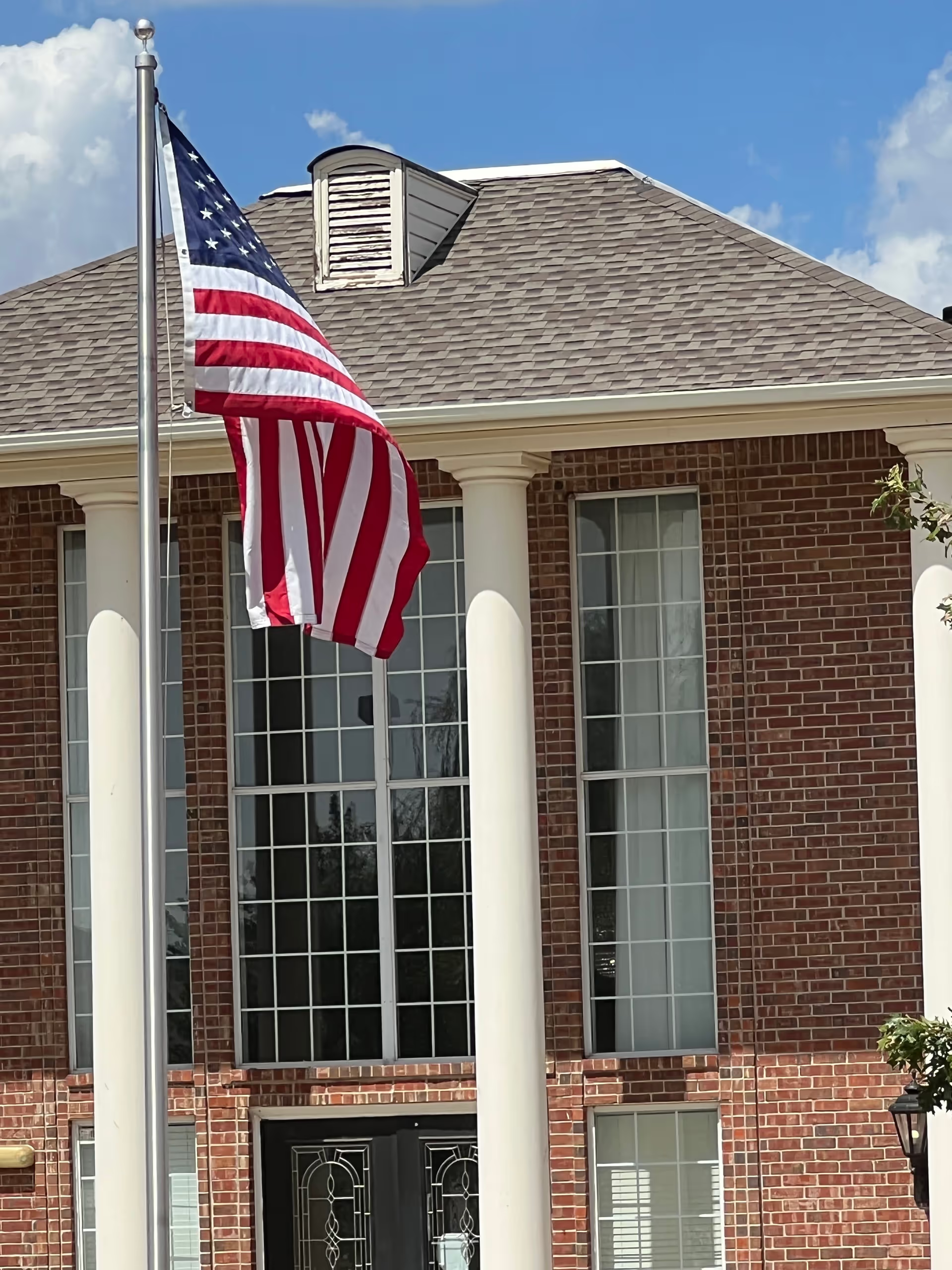
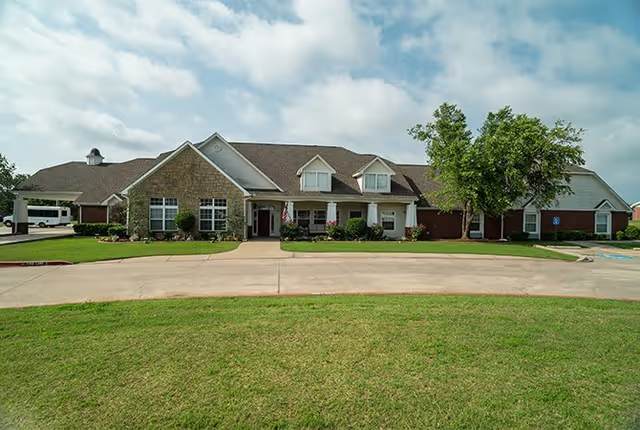
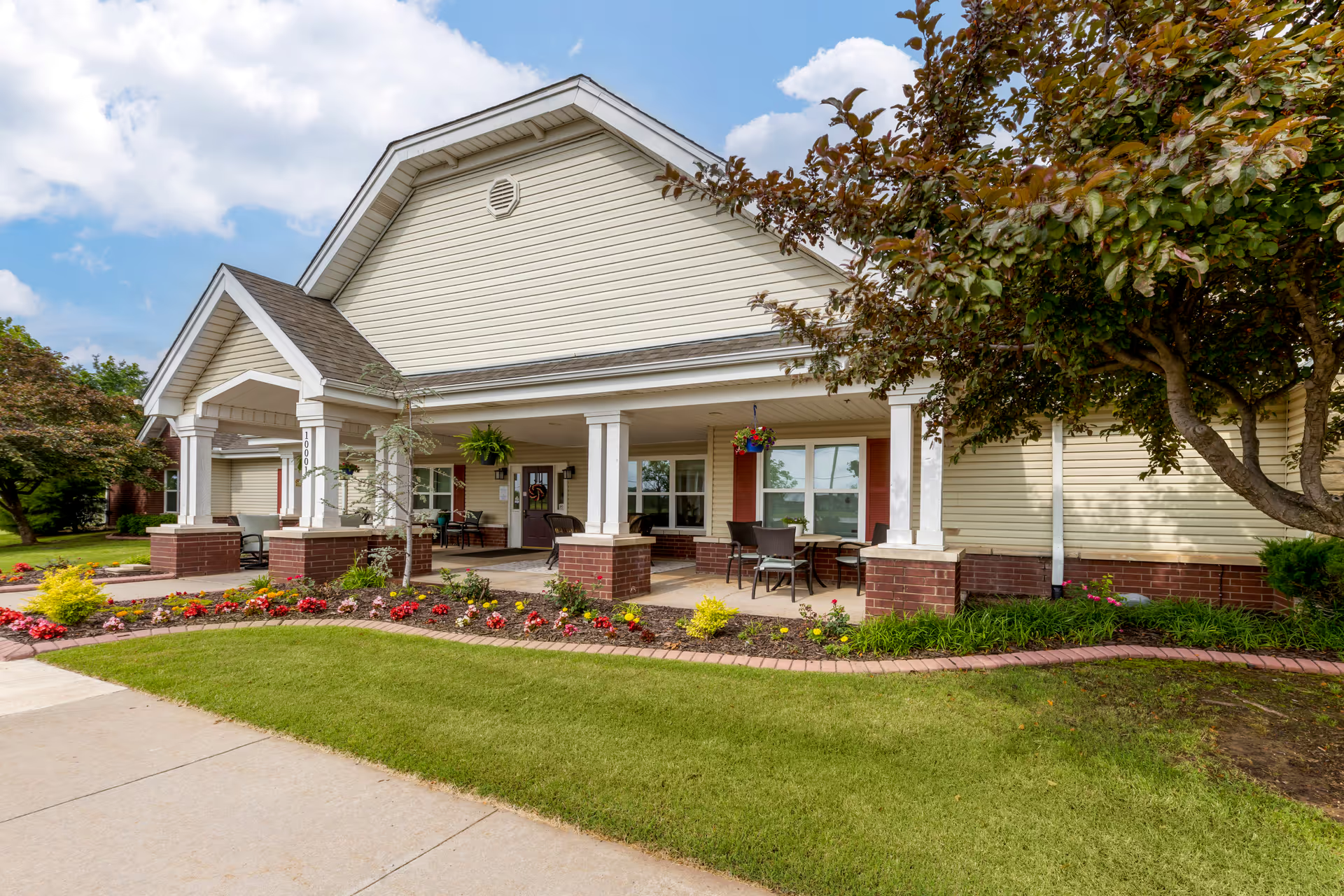
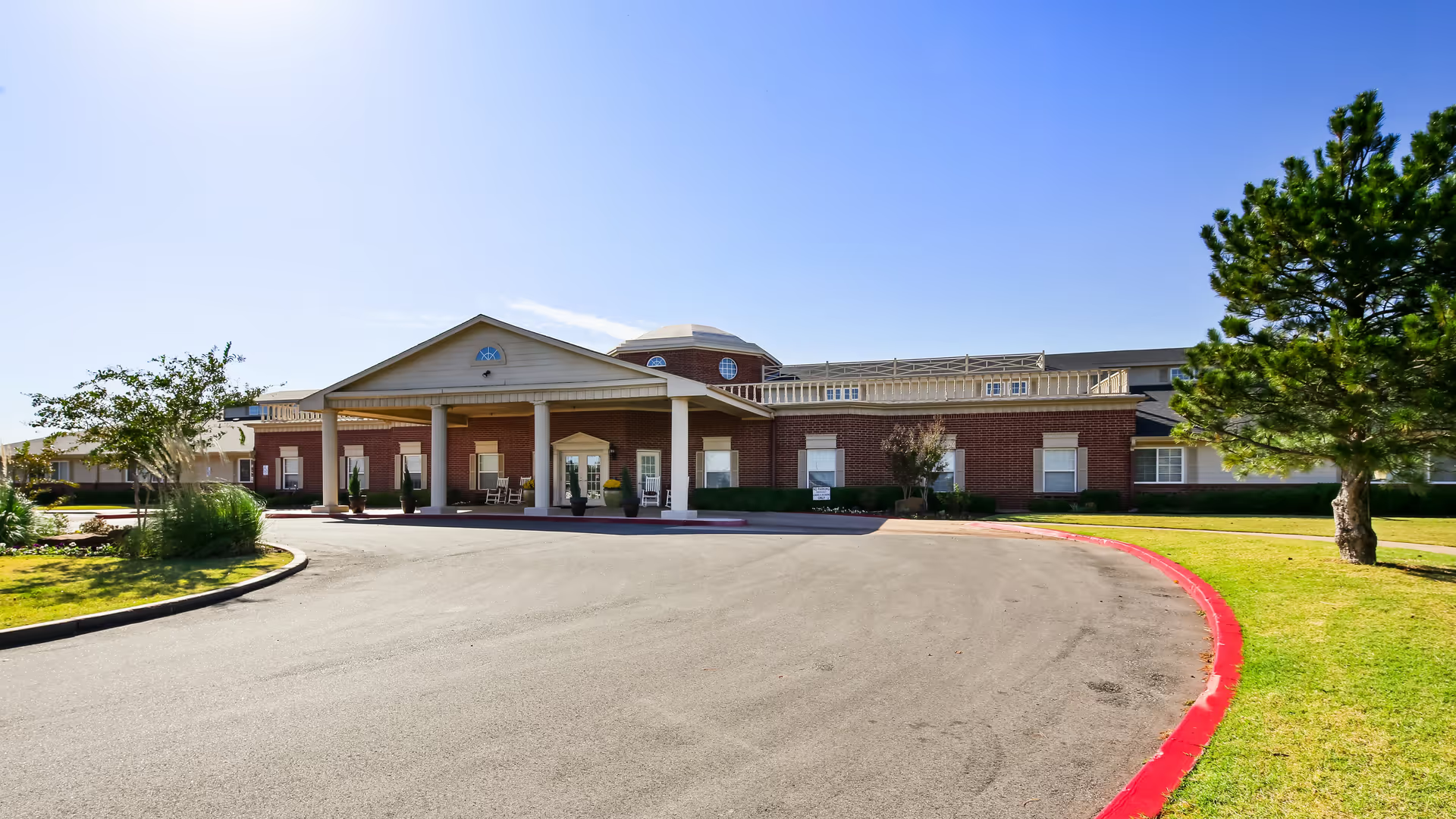
Overall impression: Reviews for Glade Avenue Assisted Living are mixed, with clear strengths in facility amenities, affordability, and community activities alongside recurring operational concerns. Many families describe a clean, attractive building with pleasant grounds, varied apartment sizes (including large studio and two-bedroom options) and in-apartment kitchenette conveniences. The memory-care areas are noted as open and social, and the community offers multiple meeting rooms and an active program of onsite activities and offsite excursions. Several accounts praise a welcoming admissions process, an involved administrator, and caregivers who are compassionate and attentive. The facility’s price point and Medicaid acceptance are also cited as important positives, as are ongoing renovation efforts intended to improve common areas and flooring.
Care and staff: Accounts vary considerably. Positive accounts emphasize kind, family-like staff interactions, regular checks by CNAs, and responsive leadership that communicates clearly with families. However, there is a contrasting pattern of operational issues: staffing levels are described as inconsistent, with particular shortfalls after hours and on weekends. Reviewers raised concerns about slow responses to call buttons and periods when staff were difficult to reach. These patterns suggest variability in day-to-day staffing and training that can affect both routine and clinical care.
Dining and activities: The community offers an active calendar with group activities and outings that many families find engaging. Dining impressions are mixed: some describe good, home-style meals and capable cooks, while others describe declining food quality and intermittent meal-service problems. The facility includes desirable conveniences such as sample rooms and in-apartment kitchenettes that support resident independence.
Facilities and housekeeping: Many reviewers comment positively on overall cleanliness, the attractiveness of common areas, and recent upgrades. At the same time, several reviews document inconsistent housekeeping in some apartments and timing of maintenance work, which appears linked to turnover among housekeeping staff and management changes. Renovations are in progress in parts of the facility, and some families reported visible improvements after updates were completed.
Management and operations: A prominent theme is frequent ownership and management turnover. Changes in leadership are associated in some accounts with perceived declines in food quality, staffing stability, and administrative responsiveness. Multiple operational issues recur across reviews: difficulty reaching the facility by phone, delayed administrative follow-up (including billing and refunds), and occasional payment-processing irregularities. There are also documented concerns about clinical processes, including medication-management lapses and miscommunication around advance directives and end-of-life decisions. These are operational vulnerabilities rather than single isolated events and merit direct inquiry by prospective families.
Patterns and guidance for prospective families: The strongest patterns are a well-maintained physical environment, active programming, affordability, and a subset of staff and leaders who provide compassionate care. The principal weaknesses are operational: management instability, inconsistent staffing and responsiveness, variable housekeeping, and gaps in clinical and administrative processes. Prospective residents and families should tour the facility, ask about current staffing ratios (especially for memory care and after-hours coverage), request recent inspection or complaint histories if available, review medication- and incident-reporting procedures, and seek clarity on billing and refund processes. Visiting during different shifts and mealtimes can help assess consistency in care, dining, and housekeeping before making a placement decision.