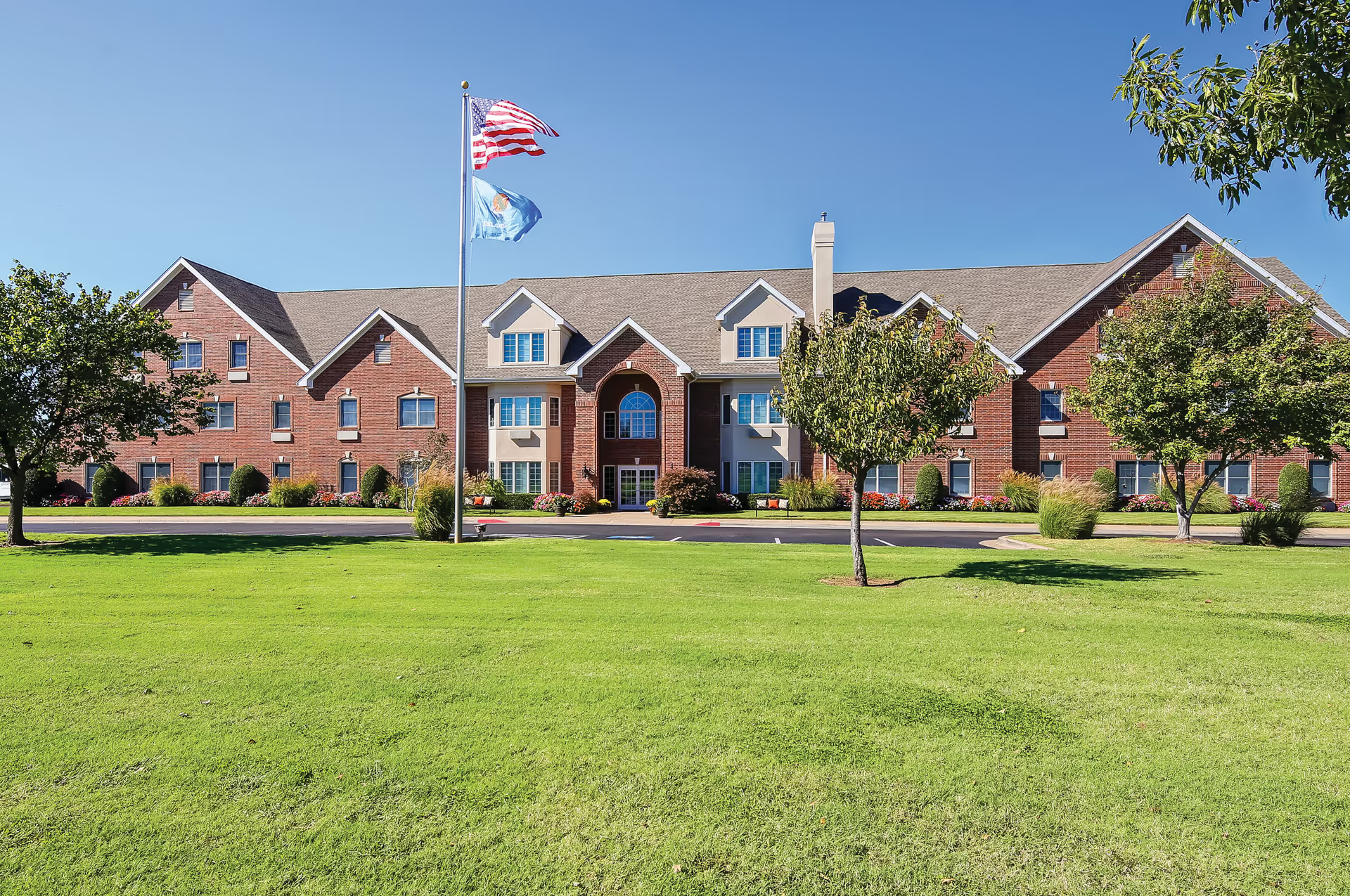
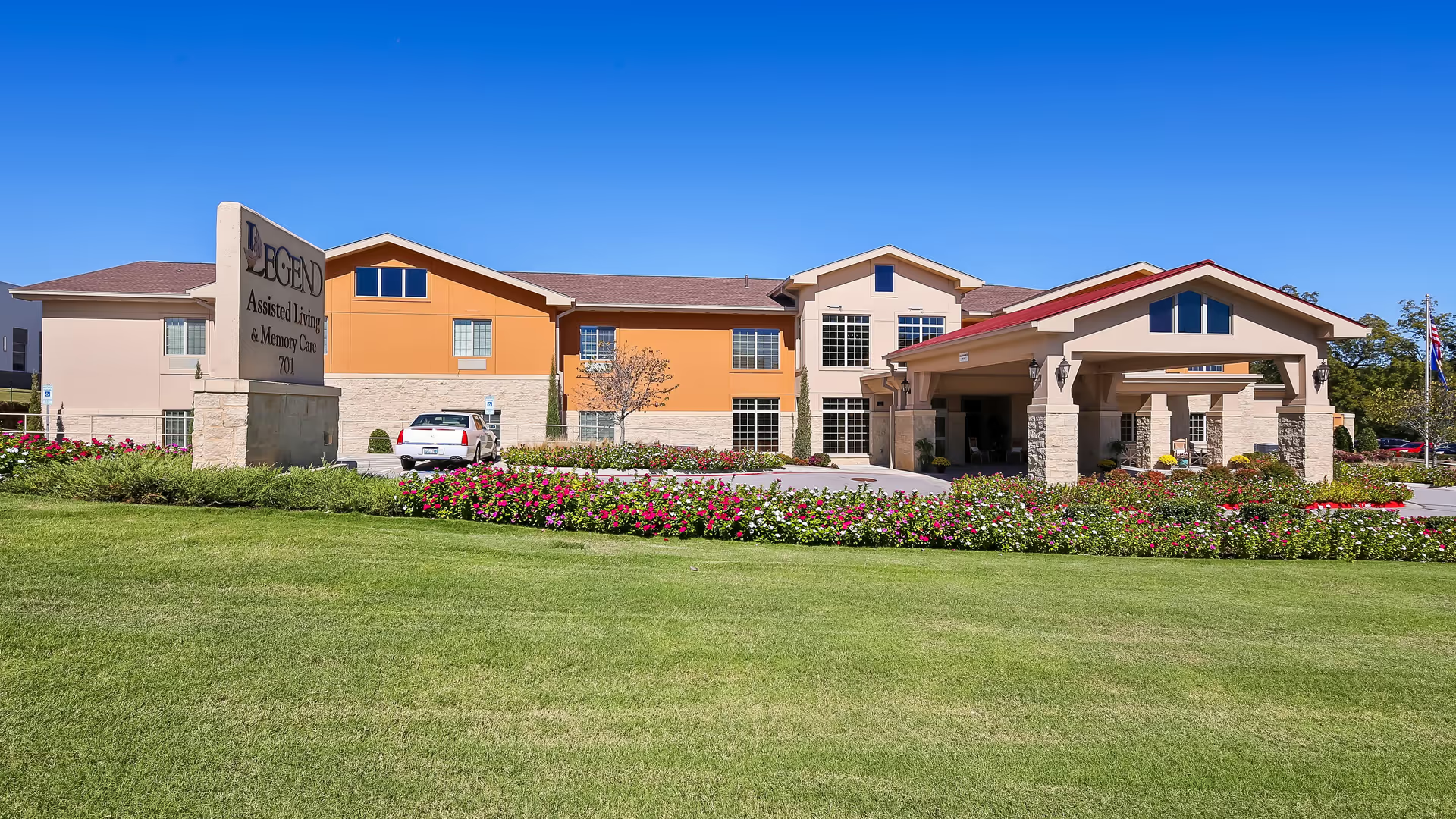
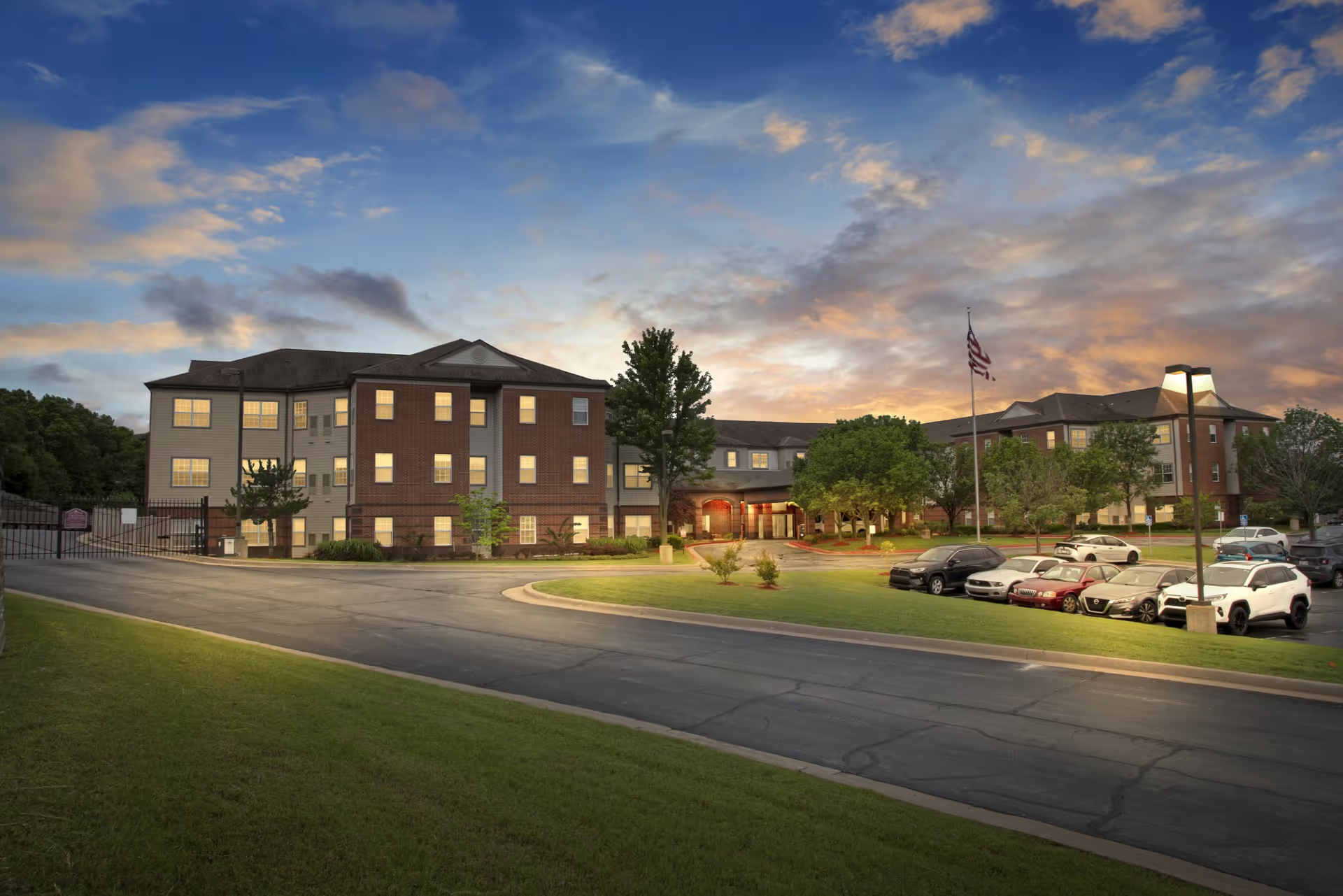
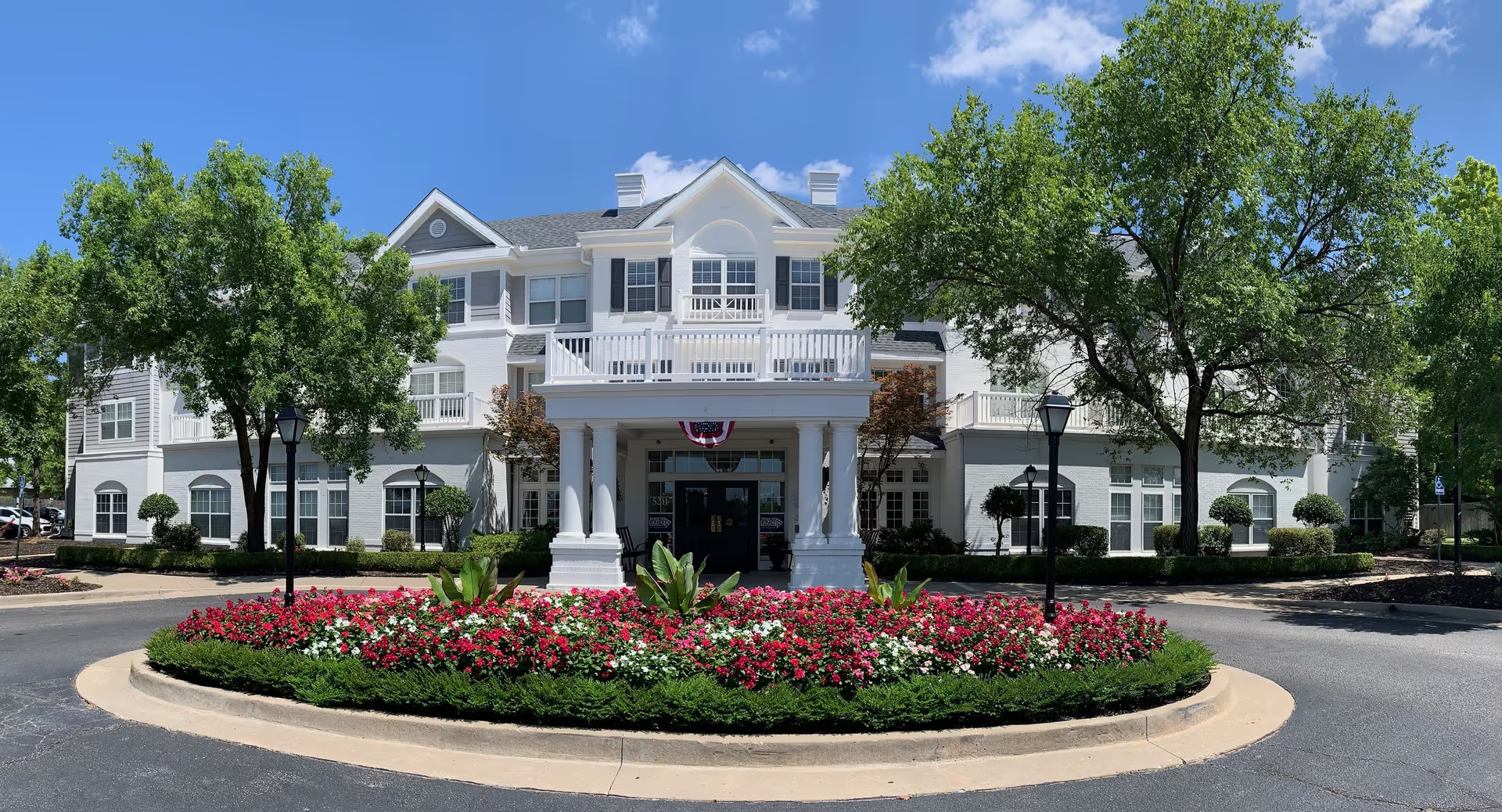
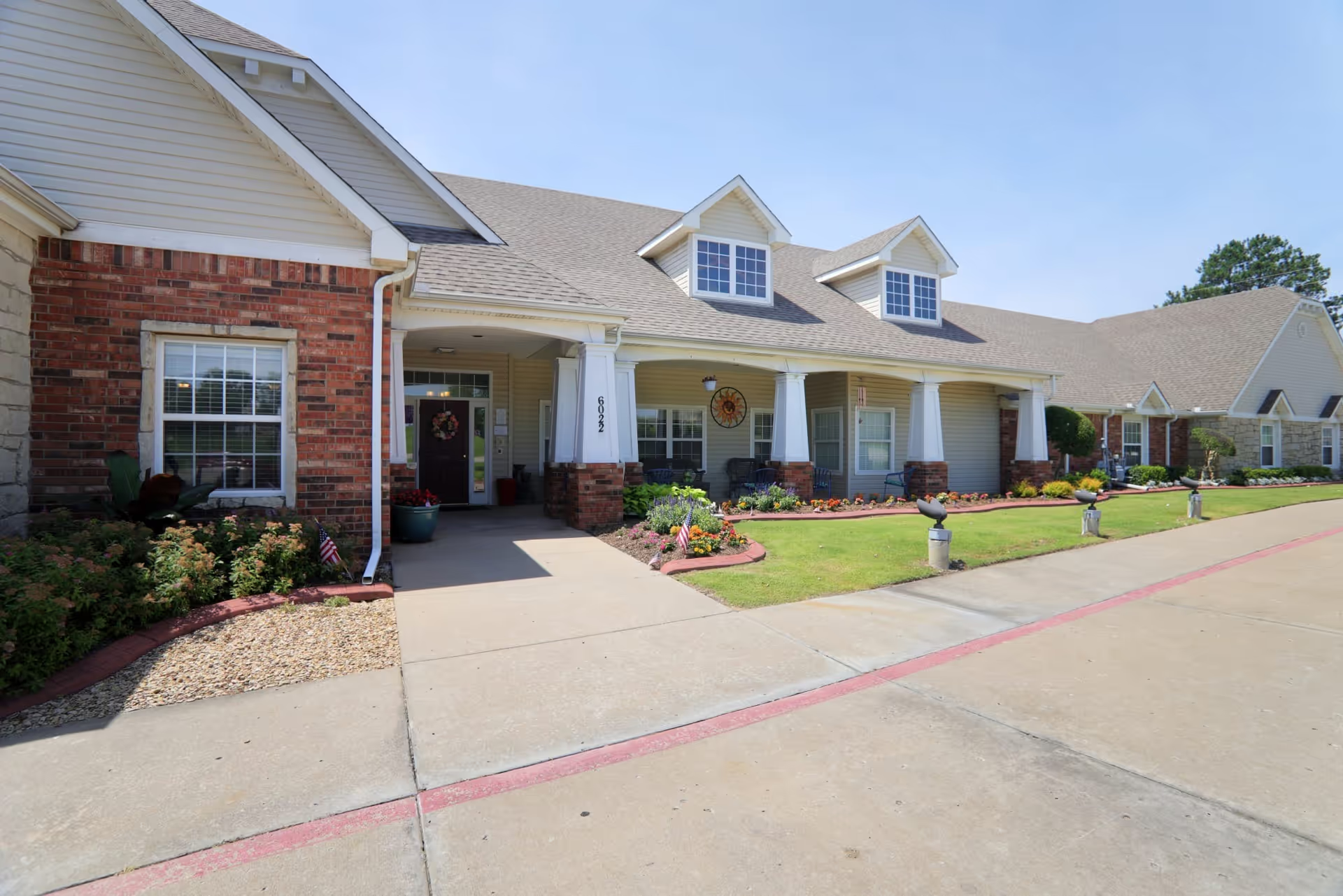
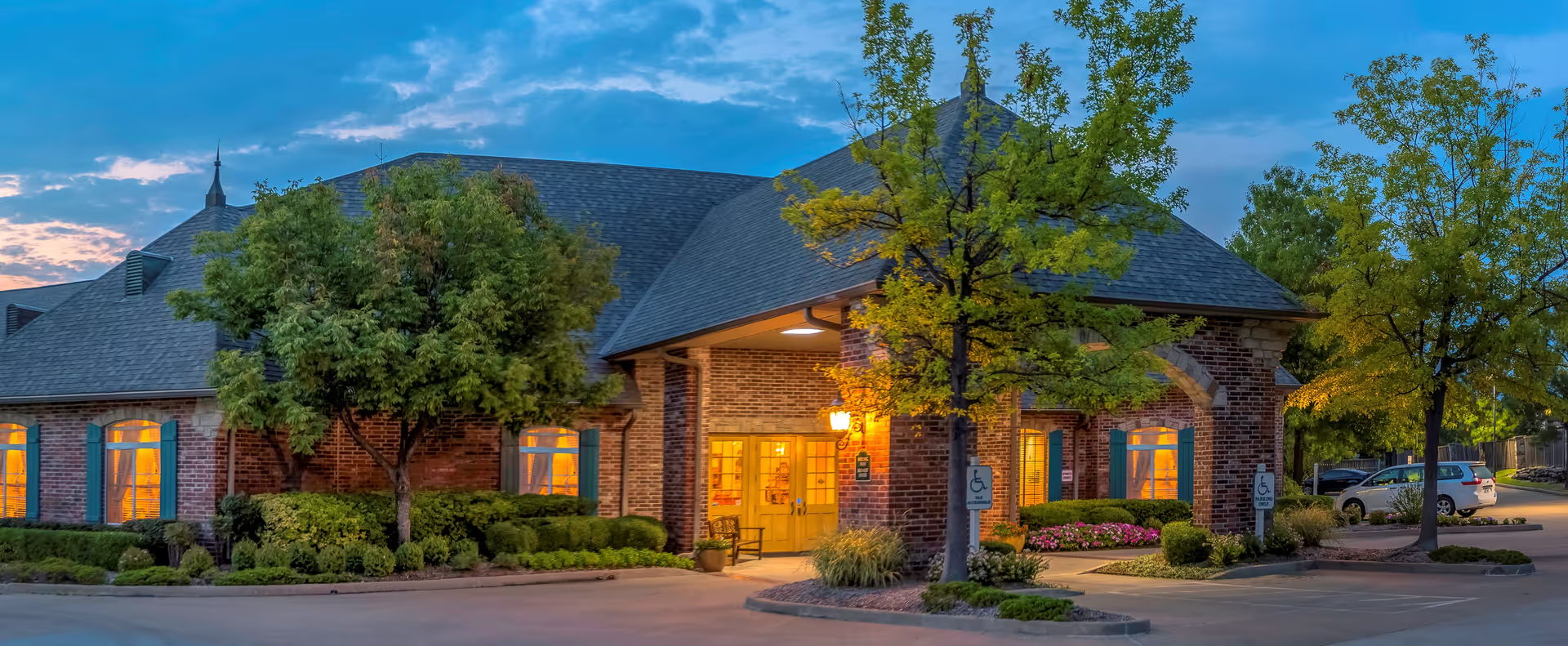
The reviews describe a facility with clear strengths in direct resident care, rehabilitation, and social programming but also recurring operational weaknesses that warrant careful consideration. Many commenters emphasize strong, compassionate nursing and therapy staff who engage residents and support rehabilitation goals. The activities program receives consistently positive feedback for being varied, well-coordinated, and inclusive of residents’ interests. Housekeeping and maintenance are frequently cited as responsive, and several families describe the facility and grounds as clean, with a usable outdoor patio and convenient parking that support resident quality of life.
Care quality is portrayed as mixed. Positive accounts highlight attentive, patient-centered nursing and a restorative/physical-therapy team invested in resident progress. At the same time, multiple reviewers raise concerns about staffing consistency, particularly on non-day shifts, which is reflected in reports of slow responses to call systems and uneven personal-care scheduling (including bathing and linen changes). There are also specific statements alleging differential care based on payer type and at least one reference to more serious events that prompted regulatory attention; those concerns suggest families should review the facility’s clinical incident communication processes and regulatory history during a tour.
Staff performance is described as variable by shift and department. Day-shift clinical staff and rehabilitation teams are frequently praised for empathy and skill. However, reviewers also note turnover, variable performance among office and kitchen personnel, and occasional unprofessional conduct from some staff members. These contrasting accounts point to an overall culture where many employees are committed and effective, while others create inconsistency in everyday experience.
Dining and nutrition receive mixed assessments. Several families reported meals that lacked adequate temperature control or that were inconsistent in quality, while others described satisfactory meal service. Kitchen-staff interactions were also described as uneven, with isolated comments about discourteous behavior. Prospective families may want to sample meals and ask about meal-delivery procedures and staffing at different times of day.
Activities and social programming are a strong point: residents and families commonly praise a range of offerings (including music, karaoke, church services, and group exercise) that contribute to an engaged atmosphere. The facility’s smaller size is perceived by many as enabling more personalized attention and community feeling.
Operational and management patterns deserve attention. Recurrent themes include supply-management lapses, inadequate tracking of personal property, privacy gaps during personal care or visits, and inconsistent administrative responsiveness. These are facility-level operational issues that can affect daily comfort and family confidence even when clinical care is good. There are also allegations of serious misconduct that were escalated to state authorities; prospective families should review any public regulatory records and ask management for clarification on corrective actions taken.
Overall, Rainbow Health Care Community appears to deliver strong rehabilitative services and an active social program within a clean, small-community setting, supported by many compassionate staff members. At the same time, families should assess staffing patterns across shifts, inquire about call-system response metrics, review policies on personal-property handling and privacy, sample meals, and check the facility’s regulatory history. A focused tour that includes evenings or weekends and conversations with current families may help clarify whether the facility’s strengths align with a prospective resident’s needs and expectations.