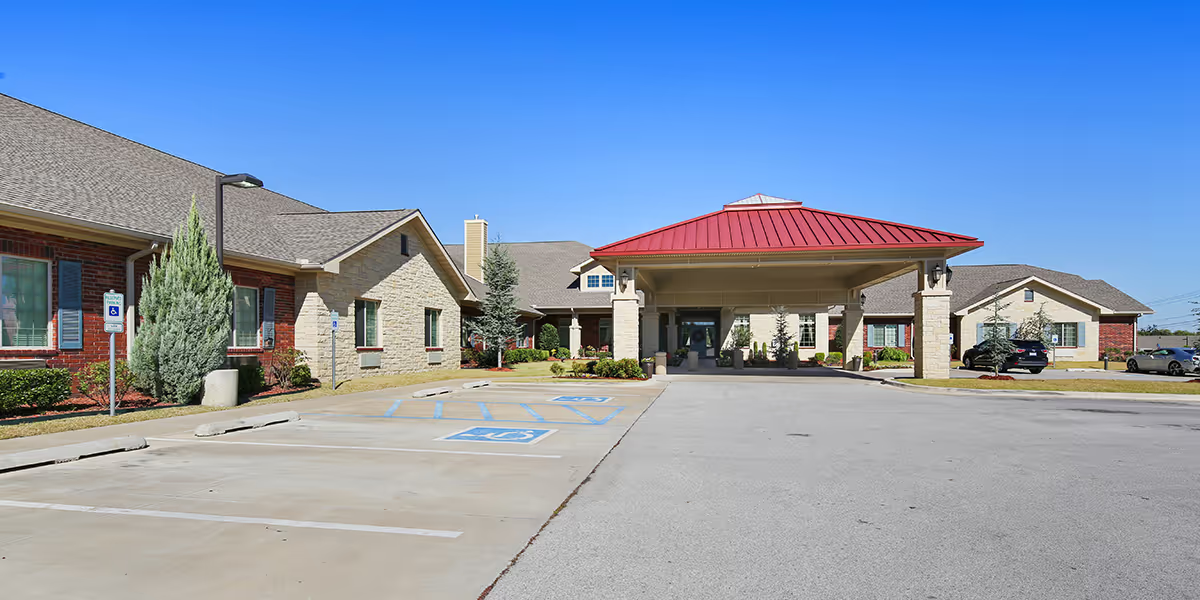
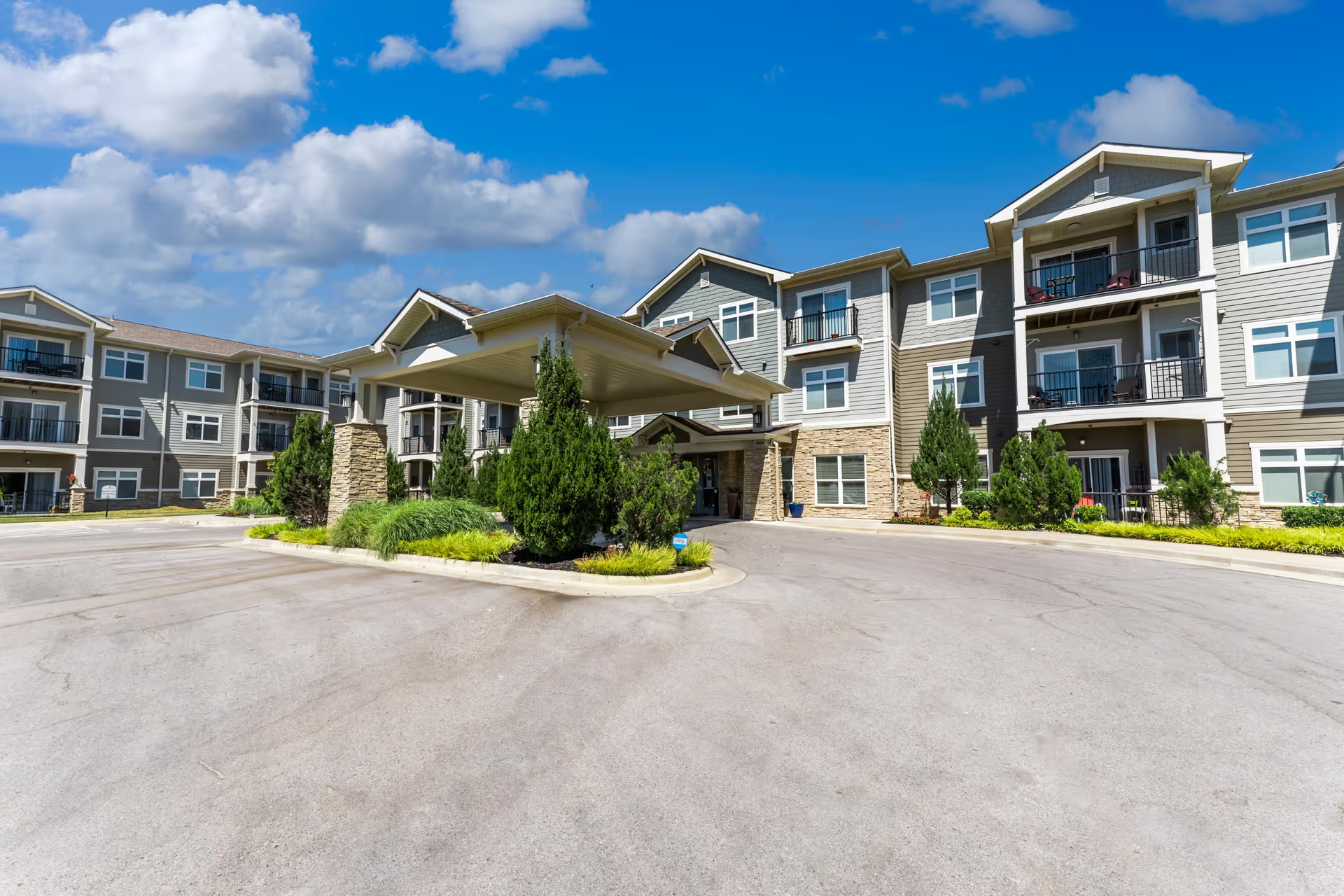
Reviewers describe a facility with clear strengths in day-to-day resident experience alongside recurring operational weaknesses. Positive comments focus on cleanliness, personable caregiving, and a supportive admissions process: families frequently cite a pleasant, well-maintained environment, compassionate staff interactions, timely move-in coordination, and good communication including photo and activity updates. Dining and nutrition are commonly praised for fresh food and attentive meal service, and clinical resources such as on-site therapy and engaged nursing staff who can adjust care are noted as meaningful assets.
At the same time, a consistent pattern of workforce and management challenges appears across accounts. High staff turnover, use of contract staff, and frequent leadership changes are associated with uneven staffing on the floor and variability in service quality. Several families described delays in call-system response and emergency handling, as well as inconsistent follow-through on laundry, grooming, and routine personal-care tasks. Those operational gaps are amplified when residents have advanced or higher-functioning dementia needs; reviewers indicate the memory-care programming is structured and active for many residents but may be insufficiently tailored or staffed for more complex behavioral or visual-impairment needs.
Programming and clinical-practice variability are another theme. While many residents participate in robust activities (dance parties, socials, crafts, and outings), other families reported promised activities that did not materialize or an evening schedule that is quieter. There are also repeated concerns around medication-management consistency and the handling of clinical incidents or transfers to hospitals, including family communication and billing clarity. Meal variety and therapeutic-diet accommodations (for example, diabetic-friendly options) were described as uneven in some accounts.
In summary, the facility offers several tangible strengths — cleanliness, committed frontline caregivers, good food, active daytime programming, and useful on-site clinical resources — that provide comfort to many families. Prospective residents and families should weigh those positives against documented operational issues: staffing consistency, administrative responsiveness, emergency-call reliability, and the facility's demonstrated capacity to manage advanced memory-care needs. For individuals with more complex clinical or behavioral requirements, or for families prioritizing uninterrupted staffing and tightly coordinated clinical oversight, further inquiry and a focused tour emphasizing staffing ratios, emergency protocols, medication practices, and examples of activity delivery would be advisable.