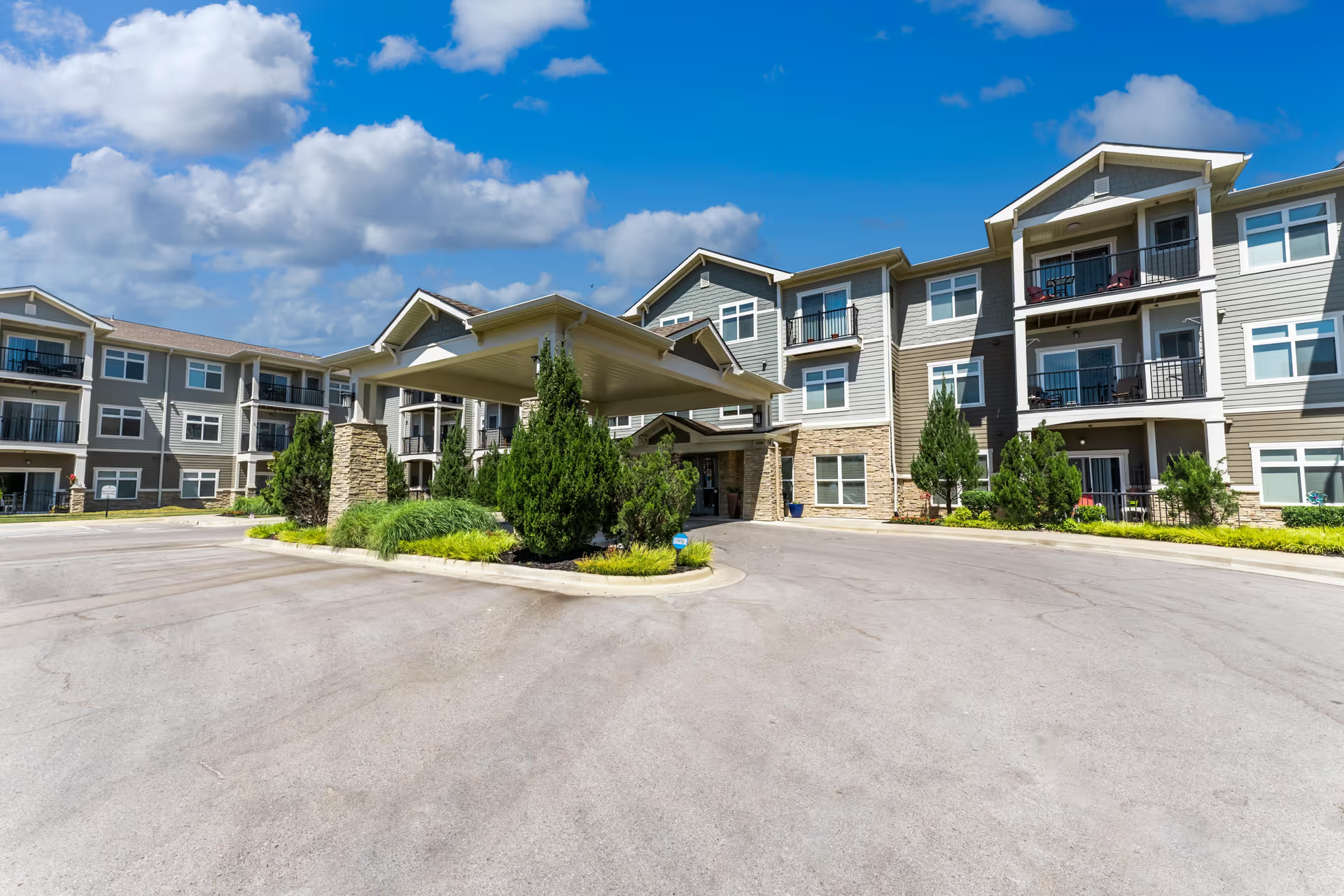
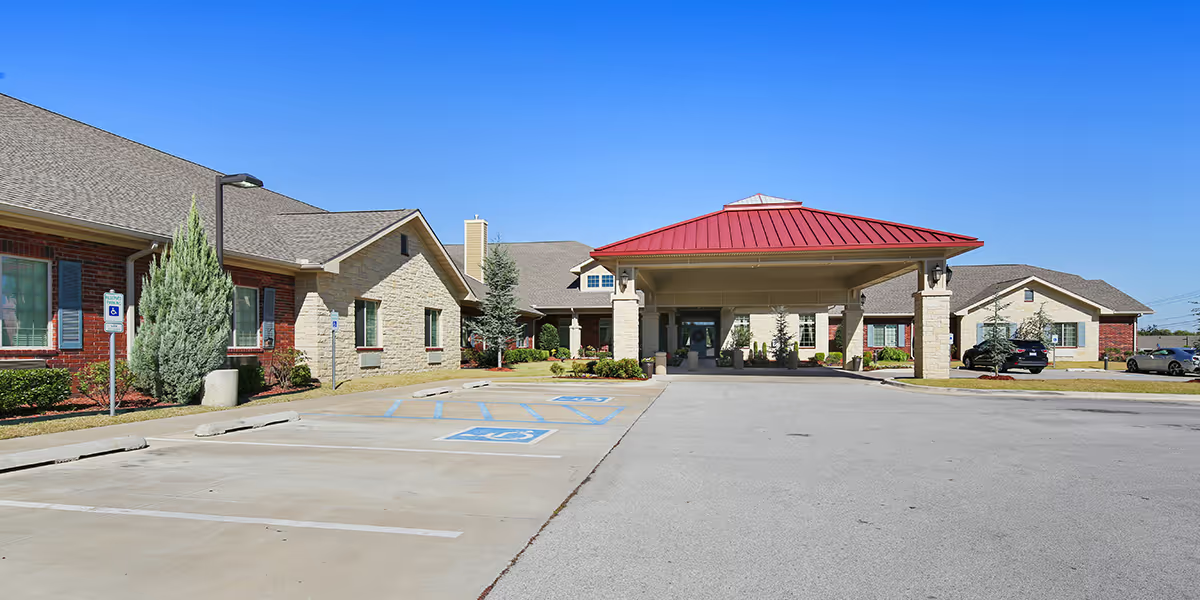
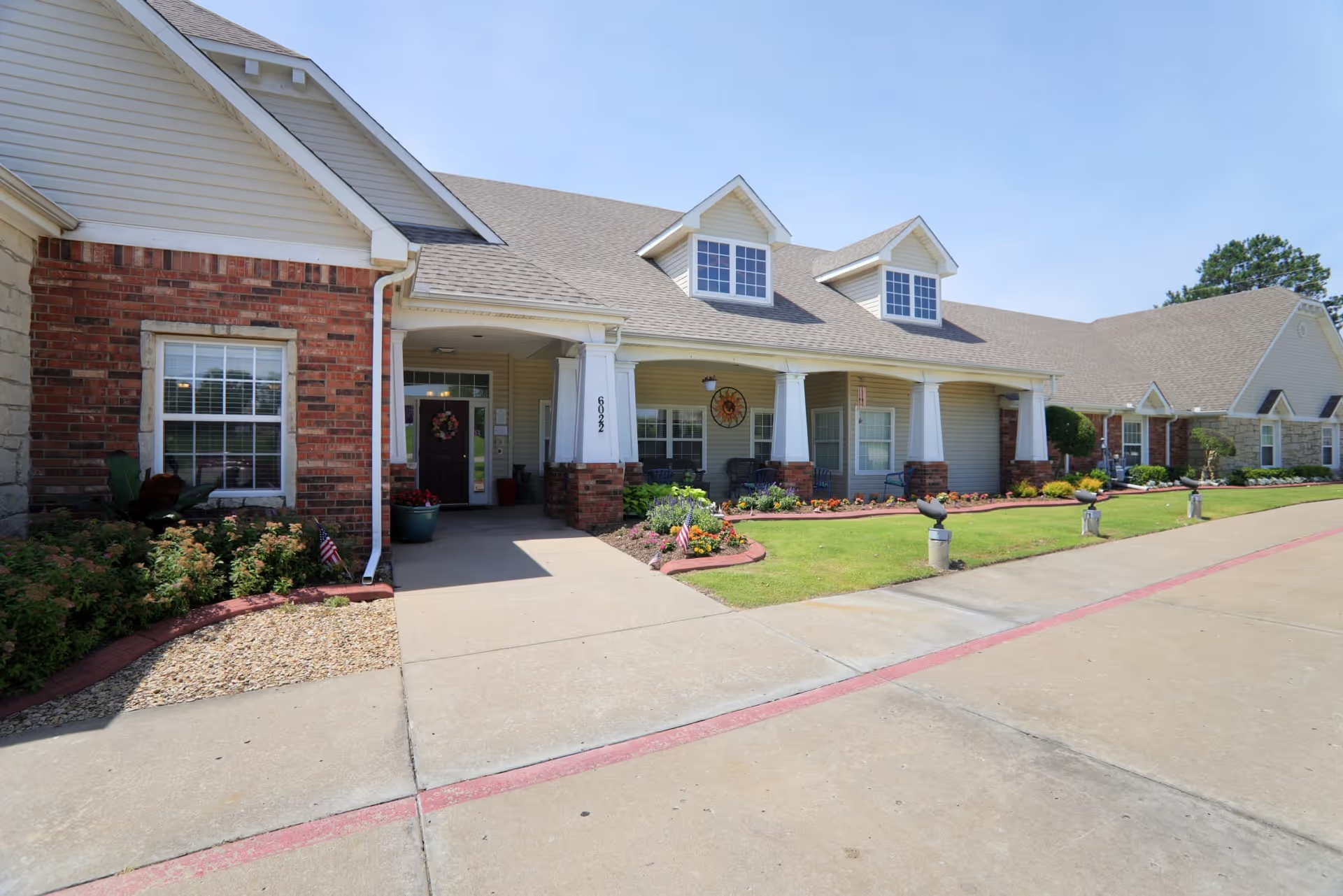
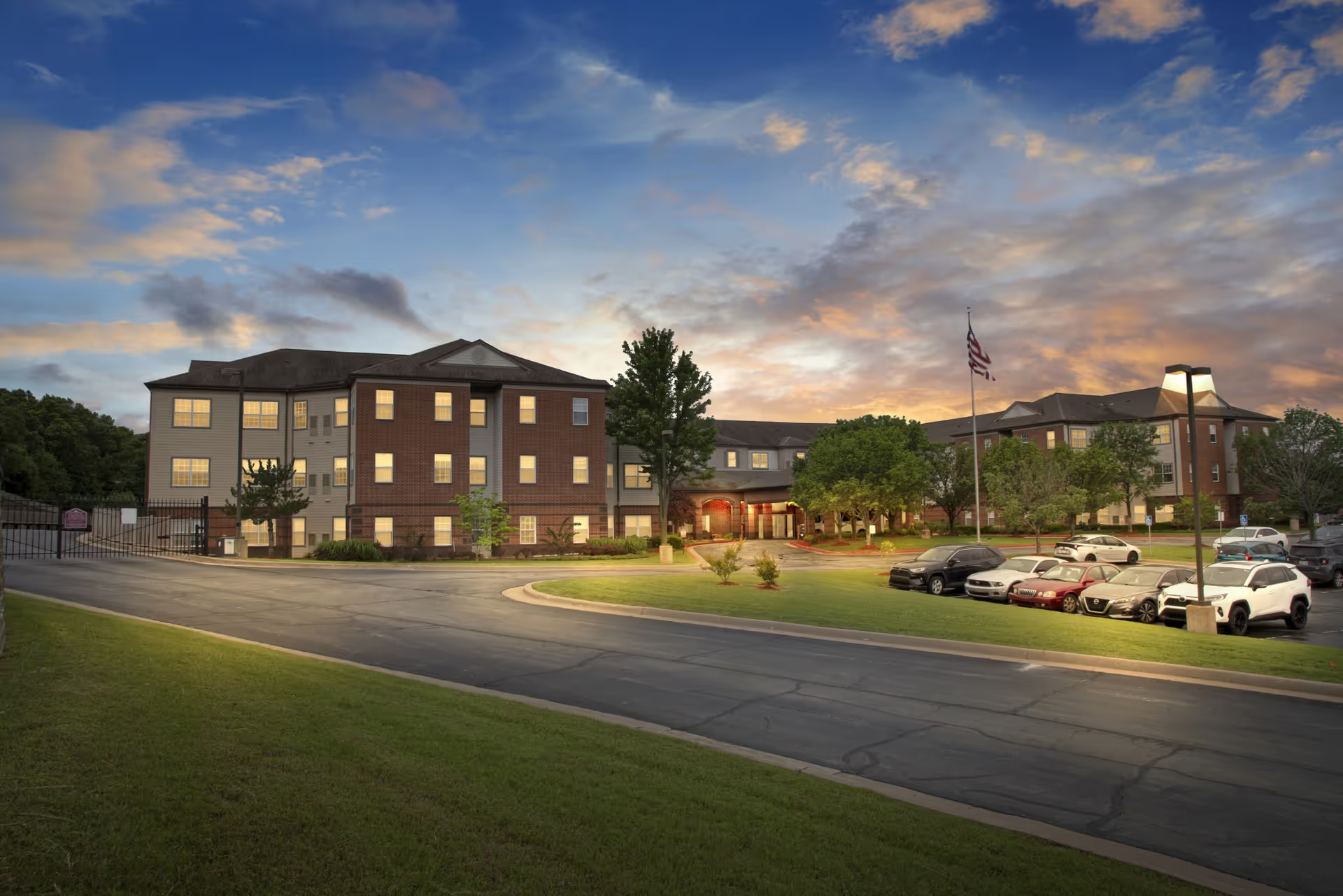
Country Club at Woodland Hills presents as an active independent-living community with many strengths commonly valued by prospective residents and families. The facility is repeatedly described as welcoming, with staff who are attentive, personable, and willing to accommodate resident needs. Several individual leaders and activity personnel received positive mention for responsiveness and creativity. Safety and convenience features such as 24-hour staffing, in-unit alarm systems, panic buttons, and included services (meals, housekeeping, transportation, cable/internet) are emphasized as part of the core offering.
Dining and social life are central to the community’s appeal. Many accounts highlight chef-prepared, restaurant-style meals, an extensive menu including salad bars and multiple entrees, frequent social events (happy hours, live music, themed gatherings), and a broad calendar of clubs, classes, and local excursions. The activities program is portrayed as robust and varied, supporting social engagement through crafts, games, exercise classes, outings, and resident-run groups. The combination of social programming and amenity-rich common spaces (pool, fitness center, salon, library, courtyards) contributes to a strong sense of community for residents who are independent and socially active.
Physical accommodations receive mixed feedback. The community offers sizable apartments and cottages with full kitchens, garages, and porch/patio space—features many residents appreciate for autonomy and value. However, parts of the property are older and described as showing wear: dated finishes, carpet wear, and occasional water-damage or repair needs. Maintenance responsiveness is generally noted as positive, but other accounts describe deferred repairs and variability in upkeep between units and wings. Accessibility is another operational consideration: assisted/residential care areas and some care-level rooms are located on upper floors, and long corridors or stairs can create challenges for residents with limited mobility.
Operational and management patterns merit attention. While many reviews describe consistent, caring staff and low turnover, other feedback points to staffing instability, kitchen personnel turnover, and training gaps that can affect meal quality and service consistency. Meal-service continuity and delivery timeliness are recurrently cited as uneven—examples include bland or budgeted meal adjustments, running out of menu items, and delays in room delivery. There are also more serious concerns raised in a subset of accounts: pest-control issues and sanitation problems in some units, reports of billing or lease disputes, and allegations involving staff conduct and property handling. These represent high-impact operational risks and should be clarified during a tour or pre-move inquiry.
For families and prospective residents, the facility’s profile suggests strong advantages for independent, socially engaged older adults who prioritize activities, social life, and full-service amenities. Those evaluating Country Club at Woodland Hills should confirm current staffing stability, ask for documentation of pest-control and maintenance plans, review menu samples and meal-service processes, clarify how care transitions and assisted needs are handled (including floor placement and transfer procedures), and review contract/lease terms and recent pricing histories. Overall, the community offers many features associated with an active retirement lifestyle, tempered by variability in building condition, operational consistency, and a few serious management-level concerns that merit direct discussion with administrators before committing.