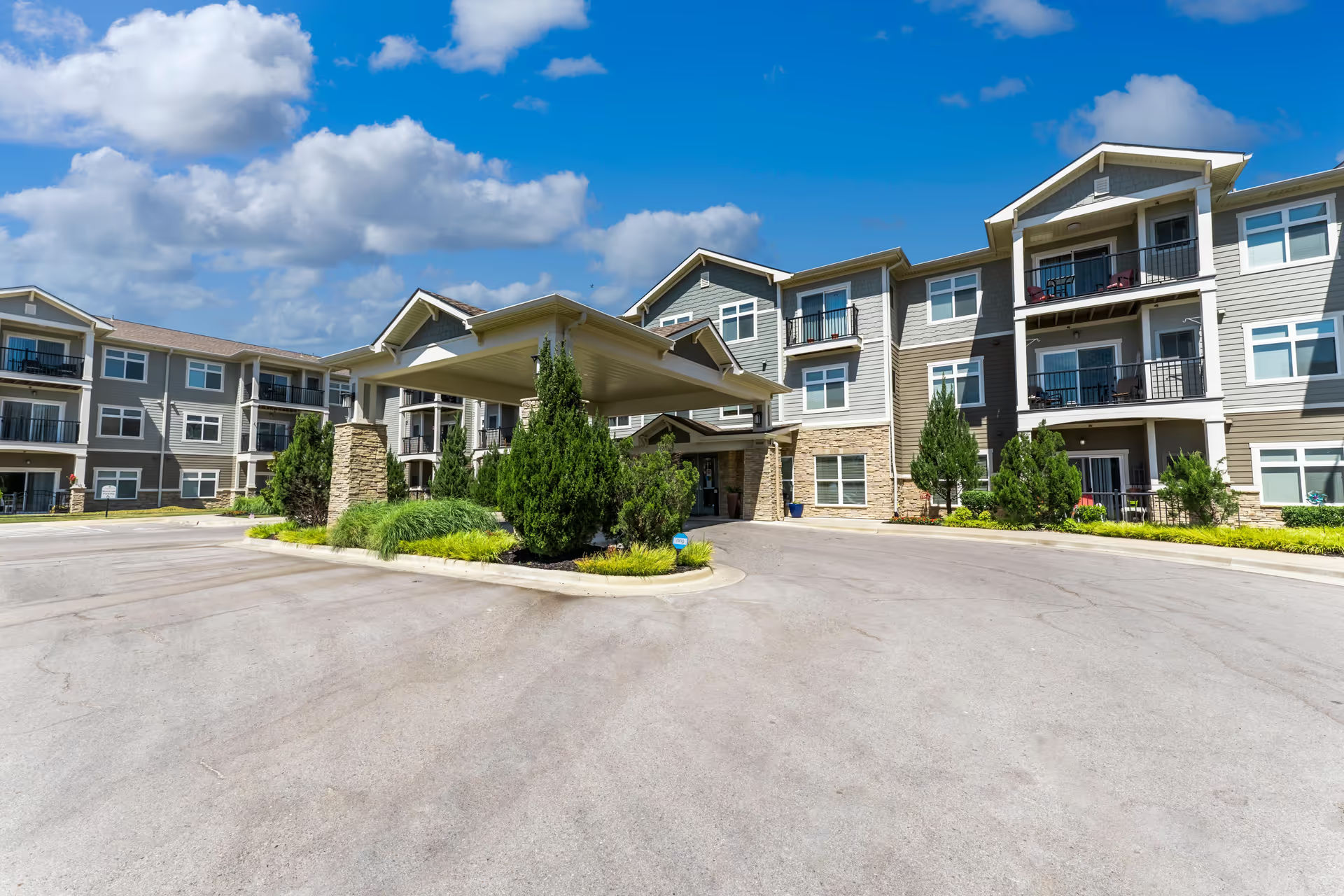
Town Village Tulsa is frequently described as an upscale, hotel-style independent living community with a broad range of amenities and an active social calendar. Reviewers commonly praise the facility’s bright, well-maintained public spaces, extensive activity program (arts, exercise, outings, games, movie theater, bridge, choir, and field trips), and attractive grounds that include a pond and walking trails. Apartment sizes are often noted as larger than peers, and many families cite the availability of a bistro, salon, gym, library, workshop spaces, and on-site therapy and medication delivery as strengths that support an independent lifestyle.
Care and staff quality are a major positive theme. Many accounts emphasize caring, helpful, and responsive front‑desk, dining, housekeeping, and maintenance personnel, with family-like interactions and staff assistance for paperwork, wheelchairs, and VA benefits. The community offers optional on-site nursing and home-health services for additional fees, and several reviewers found that clinical coordination and transition support were smooth. However, there is variability: staffing shortages and turnover have been linked to slower meal service, longer waits, and occasional lapses in responsiveness. Prospective families should assess current staffing levels and turnover during a tour.
Dining is a notable mixed area. Earlier chef leadership and table-service dining received strong praise for restaurant-style presentation and variety, and flexible dining hours and grab-and-go options are appreciated. Several reviewers report declines or inconsistency in food quality, longer wait times, incorrect orders, and smaller portions after kitchen changes. Ancillary meal and home-health fees are mentioned frequently; billing for medication administration, private nursing visits, and certain assistance services can add materially to monthly costs.
Facilities and operations are largely viewed positively: renovated common areas, modern décor in parts of the building, multiple elevators, and strong accessibility features. At the same time, reviewers identify operational weaknesses such as maintenance reliability (including broken elevators), sanitation or housekeeping inconsistencies in some common areas and kitchen spaces, and the building’s large footprint producing long internal walks for some residents. Emergency and communication processes drew attention—examples include gaps in disaster-notification playback and uneven family communication during infection-control events—indicating that emergency preparedness and communication protocols are worth confirming.
Management influence is another pattern: where leadership and an engaged director are present reviewers describe an upbeat atmosphere and coordinated services; where management changes have occurred, reviewers indicate variability in dining quality, resident vitality, and staff morale. Pricing was characterized both as competitive for the amenities offered and as subject to annual increases that raise long-term affordability concerns. Several reviewers recommend using the community’s trial-stay option and attending a meal service during a visit to evaluate current food and staffing performance.
Bottom line: Town Village Tulsa offers a comprehensive independent‑living environment with abundant activities, many on-site services, and a generally warm, community-focused staff. Strengths include the breadth of amenities, larger apartment sizes, and accessible on-site clinical supports. Key areas to verify in person are current dining leadership and meal service reliability, staffing levels and turnover, clarity of ancillary charges for home-health and medication services, maintenance responsiveness, and emergency communication protocols to ensure the community’s operational performance matches the positive descriptions.