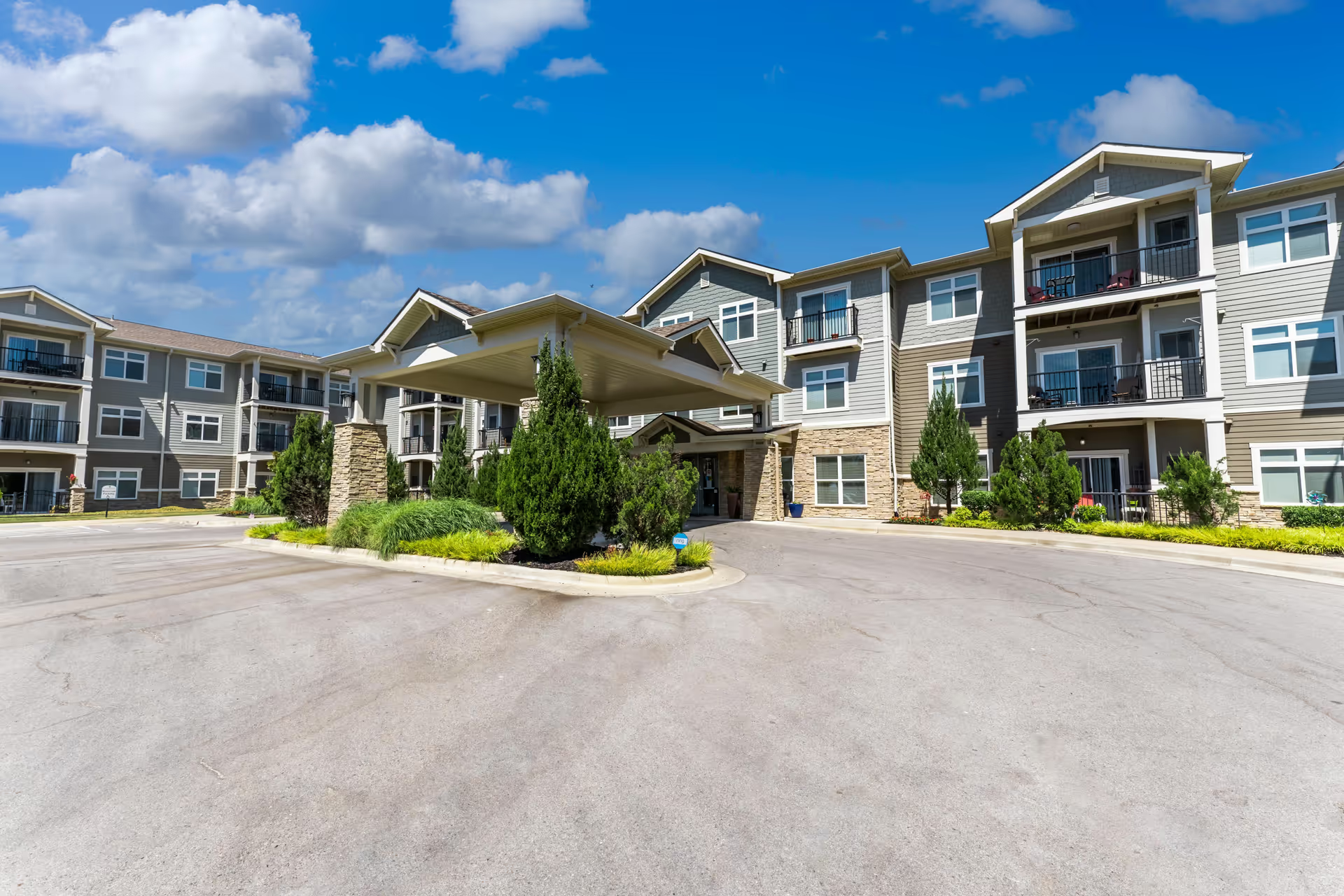
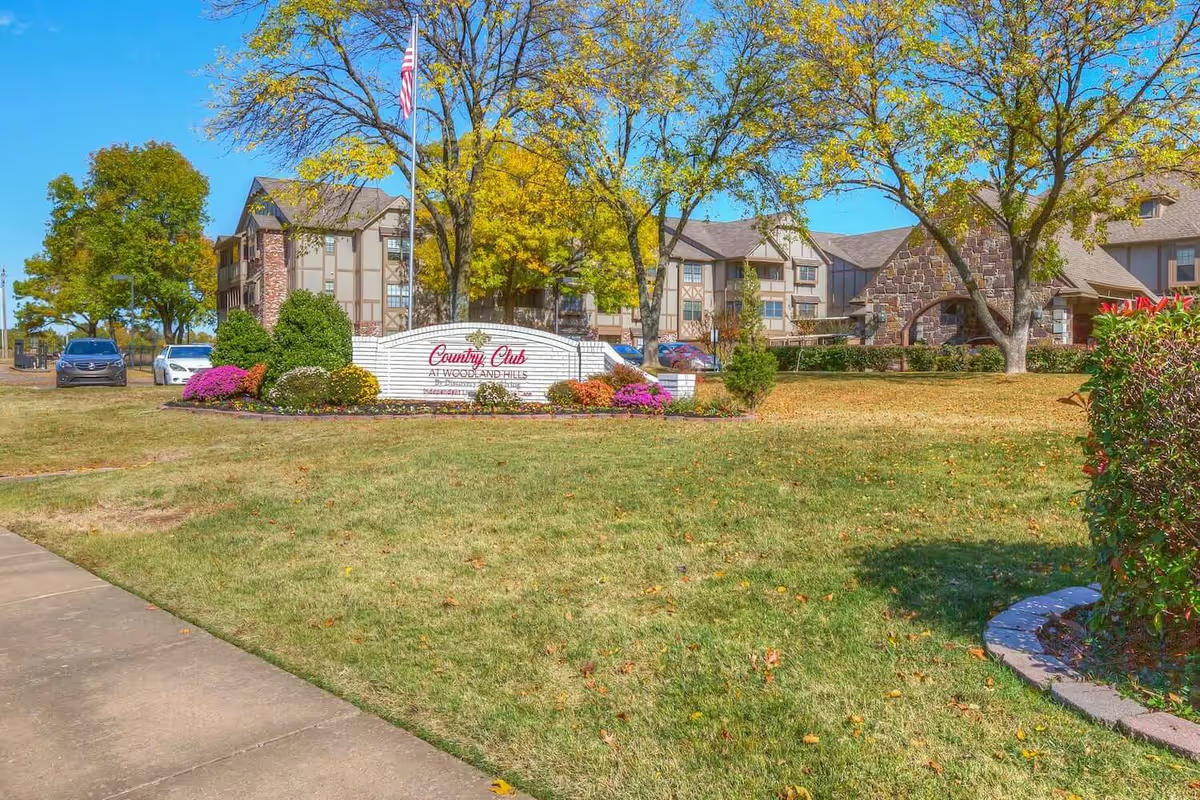
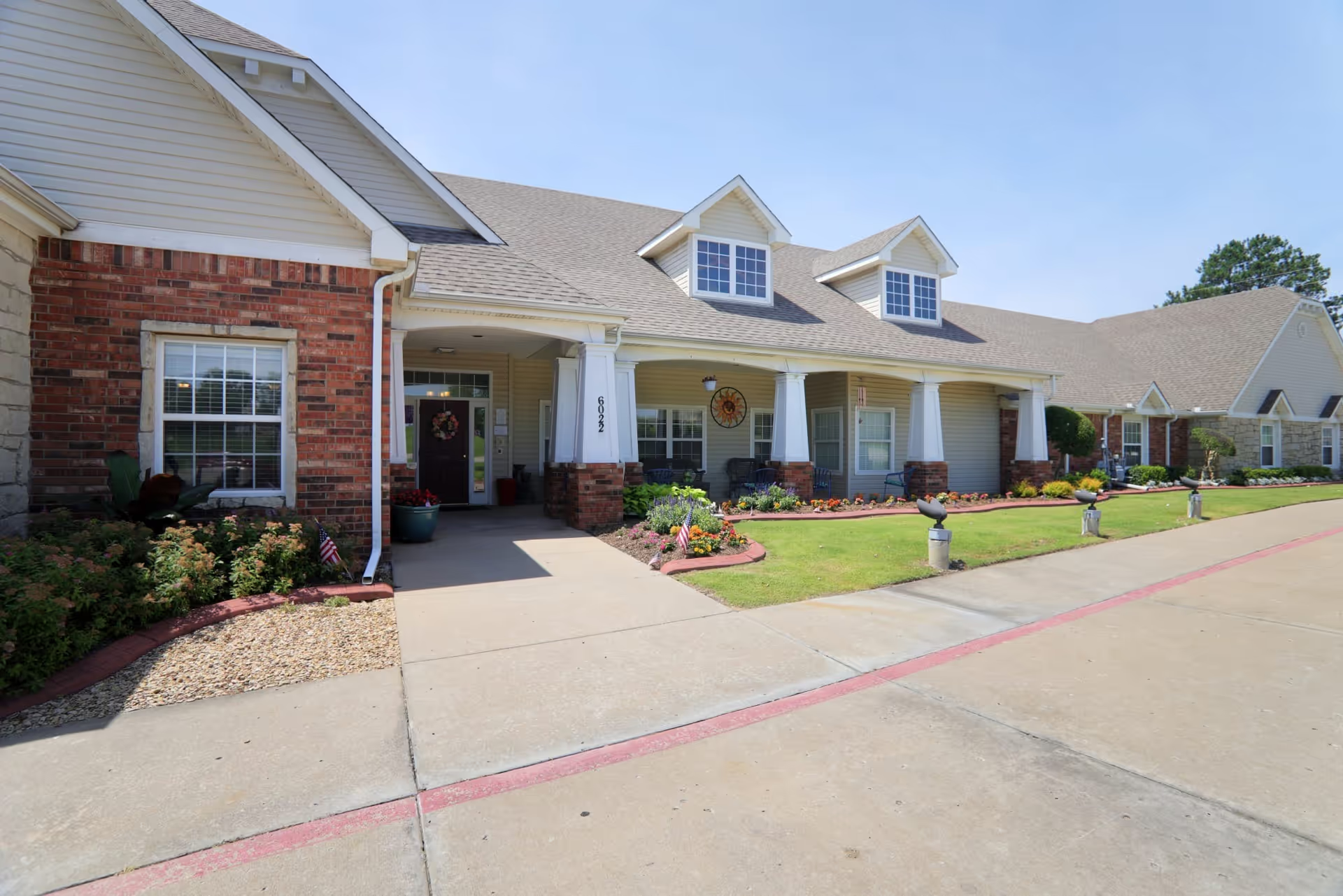
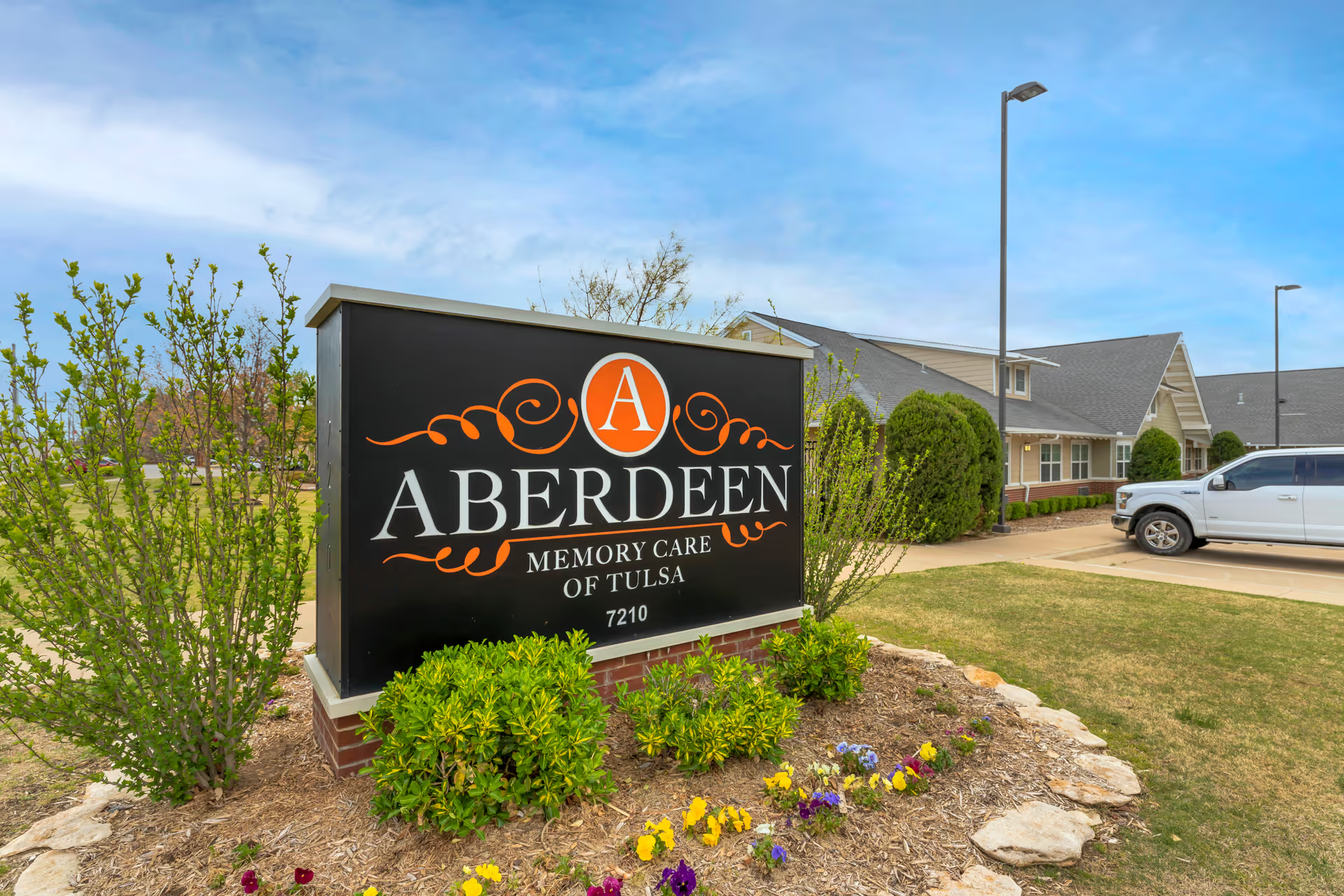
Legend at Mingo Road elicits a strongly mixed but clearly patterned set of impressions. Many accounts emphasize a warm, family-like culture: staff are frequently described as compassionate, friendly, and attentive; administrative leaders are often visible and engaged; and the physical plant is repeatedly praised as attractive, well-decorated, and immaculately maintained. The community layout, multiple living-room style common areas, courtyards and well-kept gardens contribute to a home-like feel that families and residents frequently cite as a strength.
Dining and activities are consistent themes on the positive side. Numerous families highlight chef-driven menus, generous portions, and a varied selection of meals, along with plentiful activities, monthly calendars, and regular outings. Onsite amenities such as a salon, accessible apartment designs (including private patios and power-wheelchair accessibility), responsive maintenance, and hospice/post-acute support are also noted as facilitators of resident comfort and successful transitions.
At the same time, a subset of family accounts describes operational weaknesses that affect clinical reliability and family confidence. Medication-management lapses, inconsistent nursing training and accountability, and reliance on temporary or agency staff emerge as recurrent concerns. Linked to those staffing and process issues are variable clinical responsiveness — including delayed emergency response and uneven assistance with activities of daily living during acute declines — and gaps in family communication about clinical changes and medication decisions. Several families also described dissatisfaction with how memory-care needs and behavioral-health transitions were assessed or managed.
Safety, security and facility operations are additional areas where experiences diverge. There are reports suggesting inconsistent resident-safety monitoring and transfer practices, as well as weaknesses in visitor/outside-access controls. Some families described sanitation or pest-control concerns in private units or bathrooms, and a few noted inconsistencies in food quality and menu continuity compared with the dining praise elsewhere. Finally, admissions and contracting practices, including billing and refund handling in at least one account, were identified as an area needing clearer transparency and process safeguards.
Overall, Legend at Mingo Road appears to deliver a high-quality, resident-centered environment for many households, especially in terms of atmosphere, dining, activities, and visible leadership. Prospective residents and families should weigh those positive attributes against the operational patterns described above: verify current staffing stability and training, review medication and emergency-response protocols, clarify memory-care assessment criteria, and confirm contractual/financial terms before committing. Asking for up-to-date staffing metrics, incident-response procedures, and examples of recent care-plan coordination can help families assess whether the facility’s operational practices align with their expectations and clinical needs.