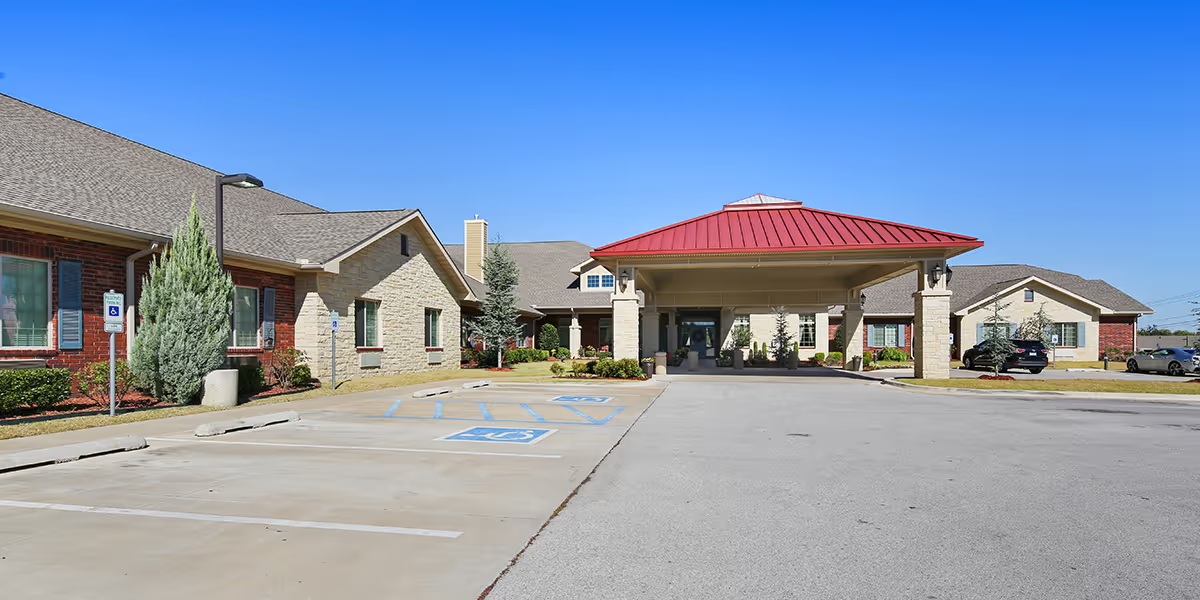
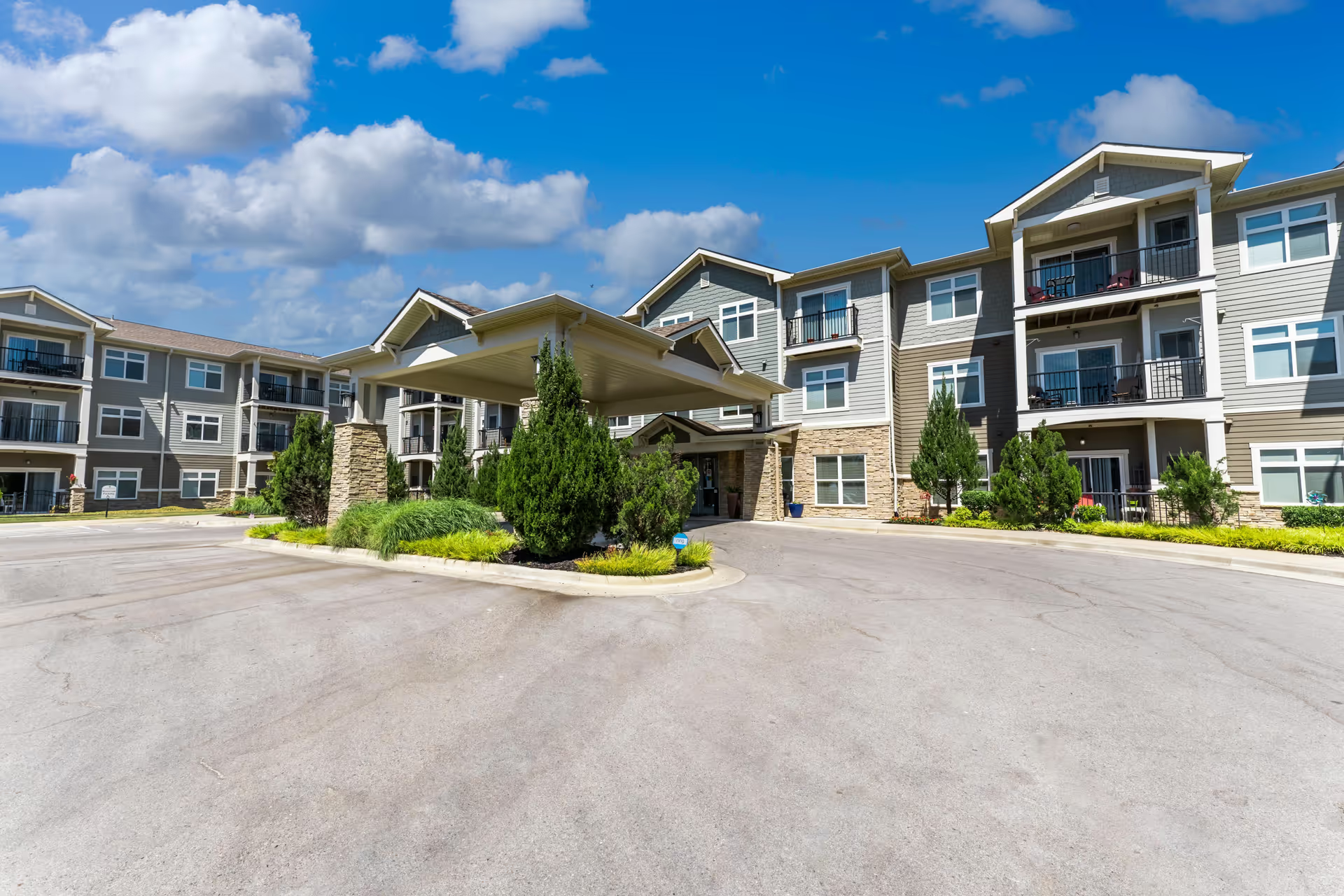
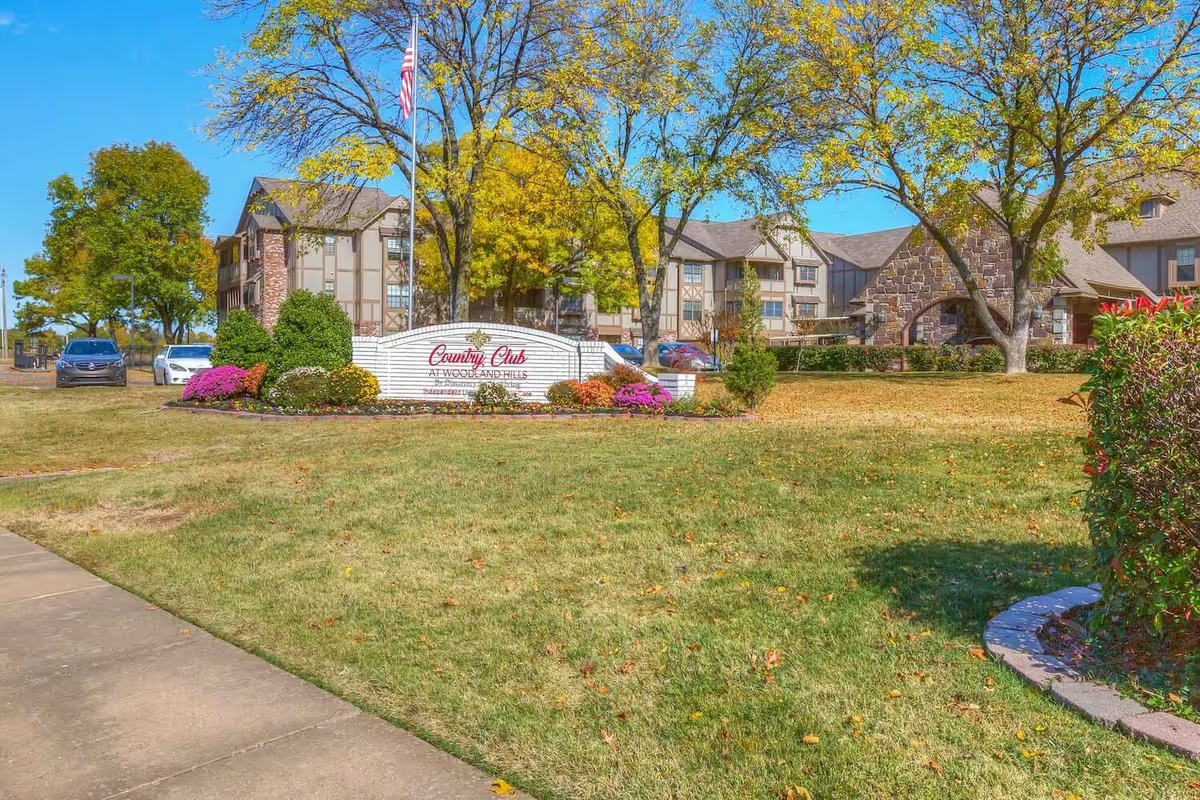
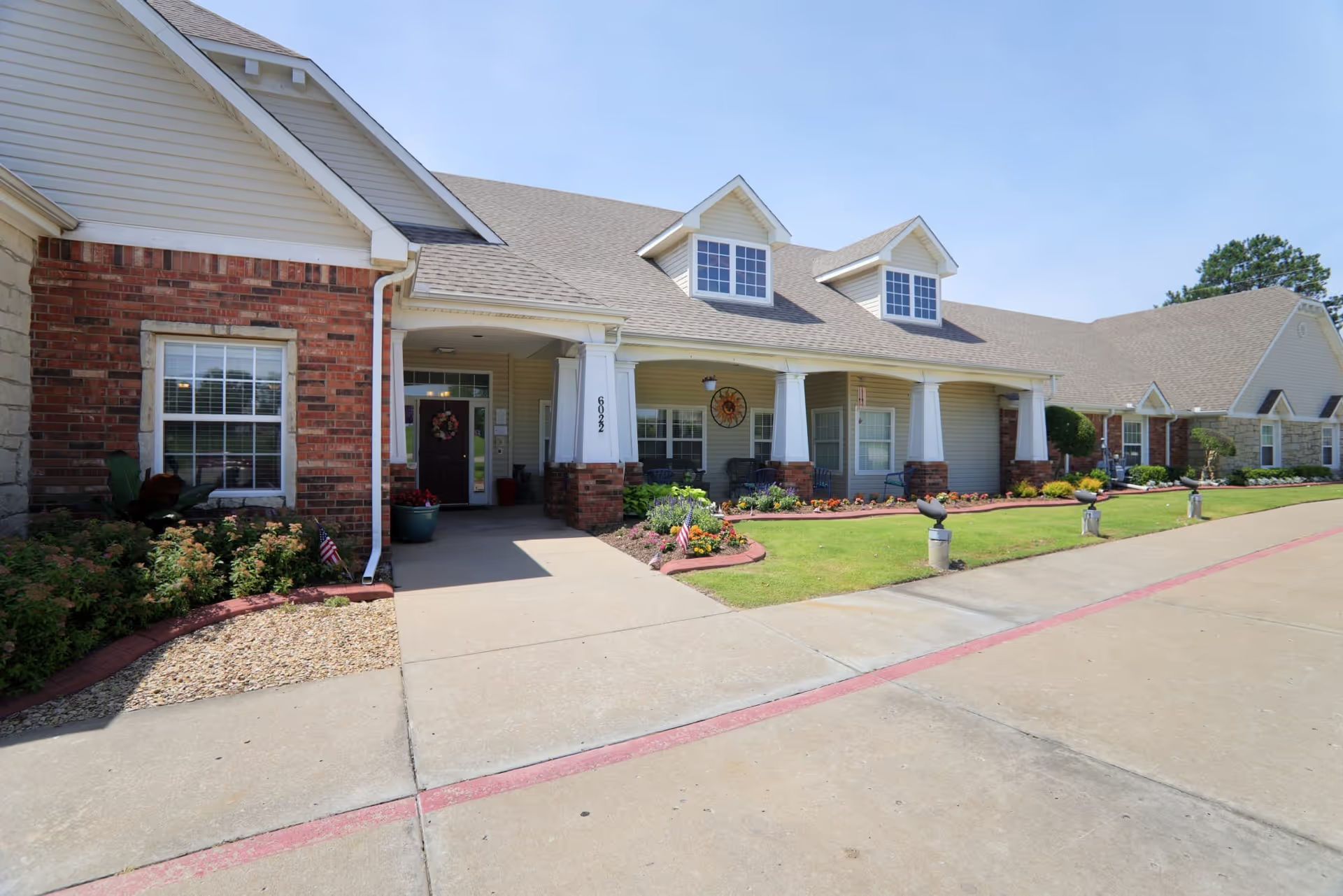
The Stonehaven Assisted Living and Memory Care receives frequent praise for the quality of day-to-day engagement and the physical environment. Families and residents commonly describe a clean, modern facility with attractive common spaces — fireplaces, balconies, large windows and a welcoming lobby — and a broad set of on-site amenities such as a theater, fitness room, game room, bistro and salon. The campus layout and convenient location off HW 169 are seen as assets for visitors and for resident mobility.
Care delivery and staff interaction are areas of clear strength for many families. Reviewers regularly highlight compassionate, attentive caregivers who cultivate a family-like atmosphere, proactive nursing that coordinates with therapists and physicians, and staff who provide logistical assistance for moves and hospital transfers. Memory-care programming and enrichment activities are robust: residents benefit from structured daily schedules, exercise and social programming, cooking classes, themed celebrations and continuous engagement designed to reduce isolation. The community also demonstrates capability in end-of-life support; hospice involvement and compassionate palliative care were described as well supported by staff.
Dining and hospitality elements are often singled out positively: restaurant-style service, chef engagement, homemade desserts and a varied menu contribute to an appealing dining experience for many residents. Housekeeping and laundry services are frequently noted as reliable, with rooms cleaned regularly and linens cared for. At the same time, a pattern of variable meal quality and reductions in menu variety following operational changes was raised by multiple families; this is an area where consistency appears uneven.
Several operational weaknesses recur across reviews and merit attention. Staffing consistency is a common concern — higher turnover and periodic shortages were associated with gaps in follow-up, slower responsiveness, and uneven coverage at night. Related issues include inconsistent personal-care routines (assistance with dressing, oral care and toileting), occasional lapses in documentation or clinical reporting, and weaknesses in tracking and returning personal belongings and laundry. Some families also identified limits in the community’s ability to support higher-acuity needs, citing a lack of lifts, limited on-site therapy at times, and constrained end-of-life equipment policies that can affect residents with advanced clinical needs.
Management visibility and communication receive mixed assessments. Many families praise proactive, responsive leadership and strong family-facing communication tools (LifeLoop, texts, Facebook updates). Conversely, others describe episodes of poor follow-up, insensitive communication tone, or managerial inattention to front-line concerns. Several reviewers noted an ownership transition that appears to have influenced operational consistency — for example, menu adjustments and staffing changes — and suggested that some aspects of service are in flux.
In summary, Stonehaven presents as a well-appointed, activity-rich community with many strengths in caregiver compassion, memory-care engagement, facility amenities and family communication. Prospective residents and families should weigh these strengths against reported variability in staffing continuity, personal-care consistency, meal consistency and the facility’s capacity for higher-acuity medical needs. Asking targeted questions about staff turnover, night and weekend coverage, laundry and belongings procedures, onboarding for new residents, and recent changes since the ownership transition will help families determine how well the community matches a specific loved one’s care requirements.