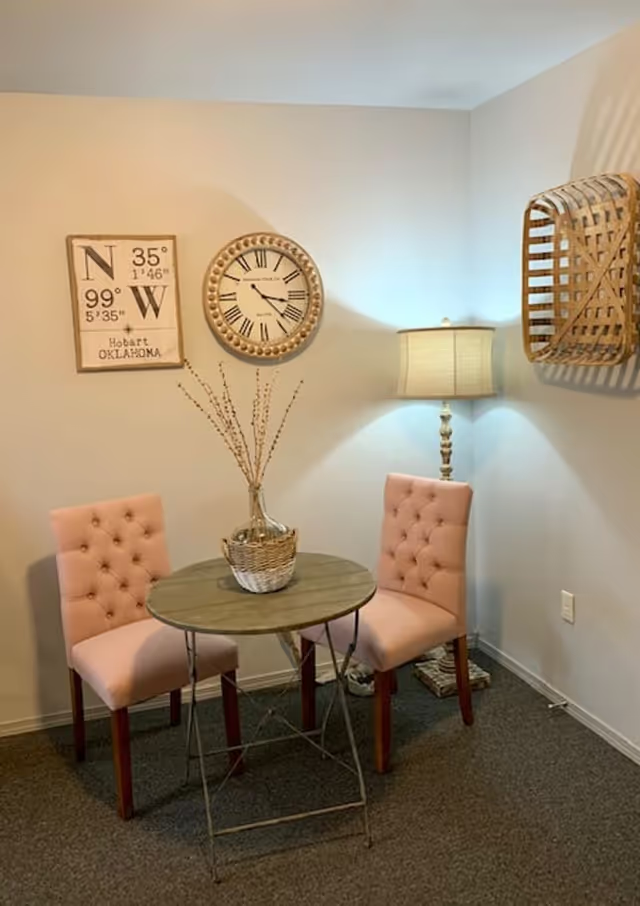
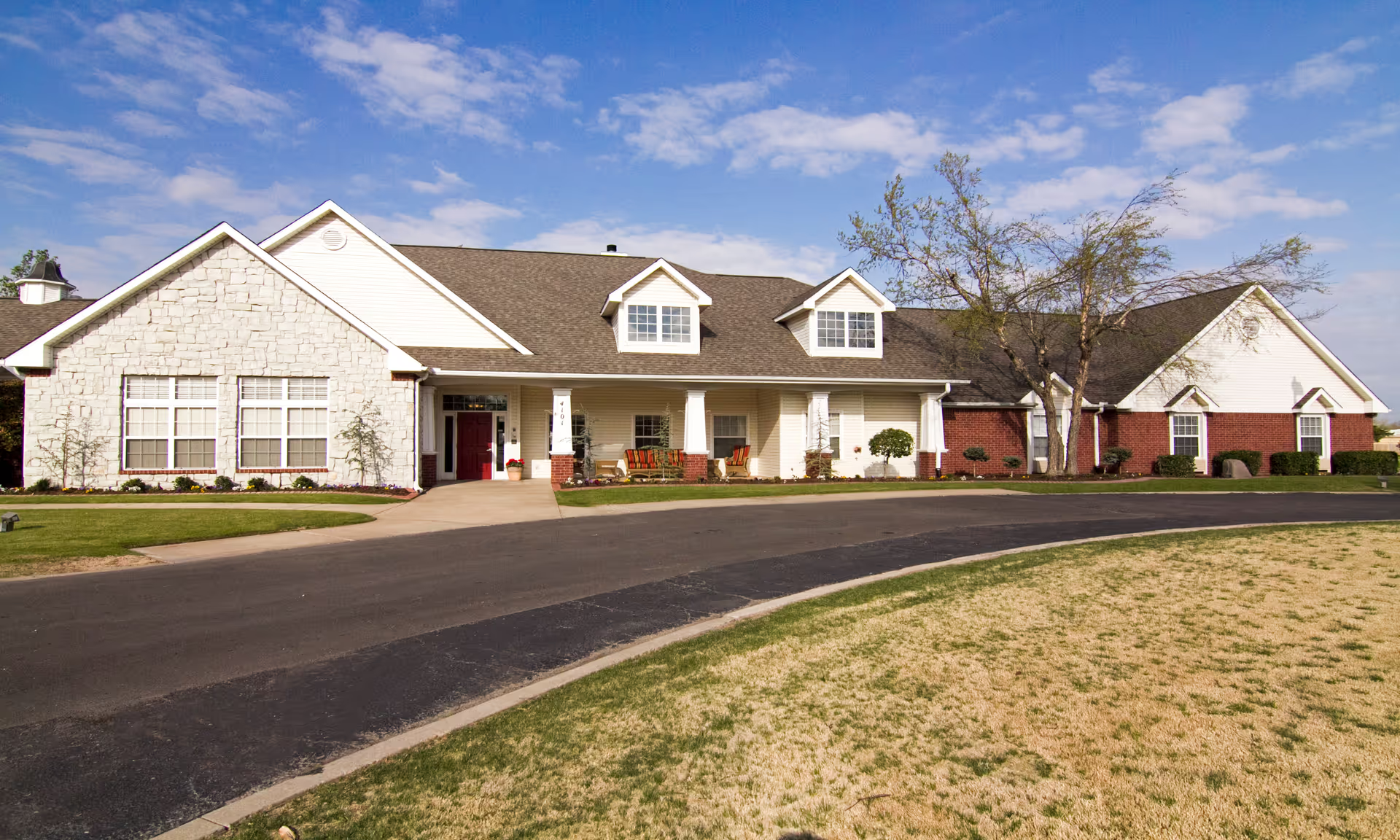
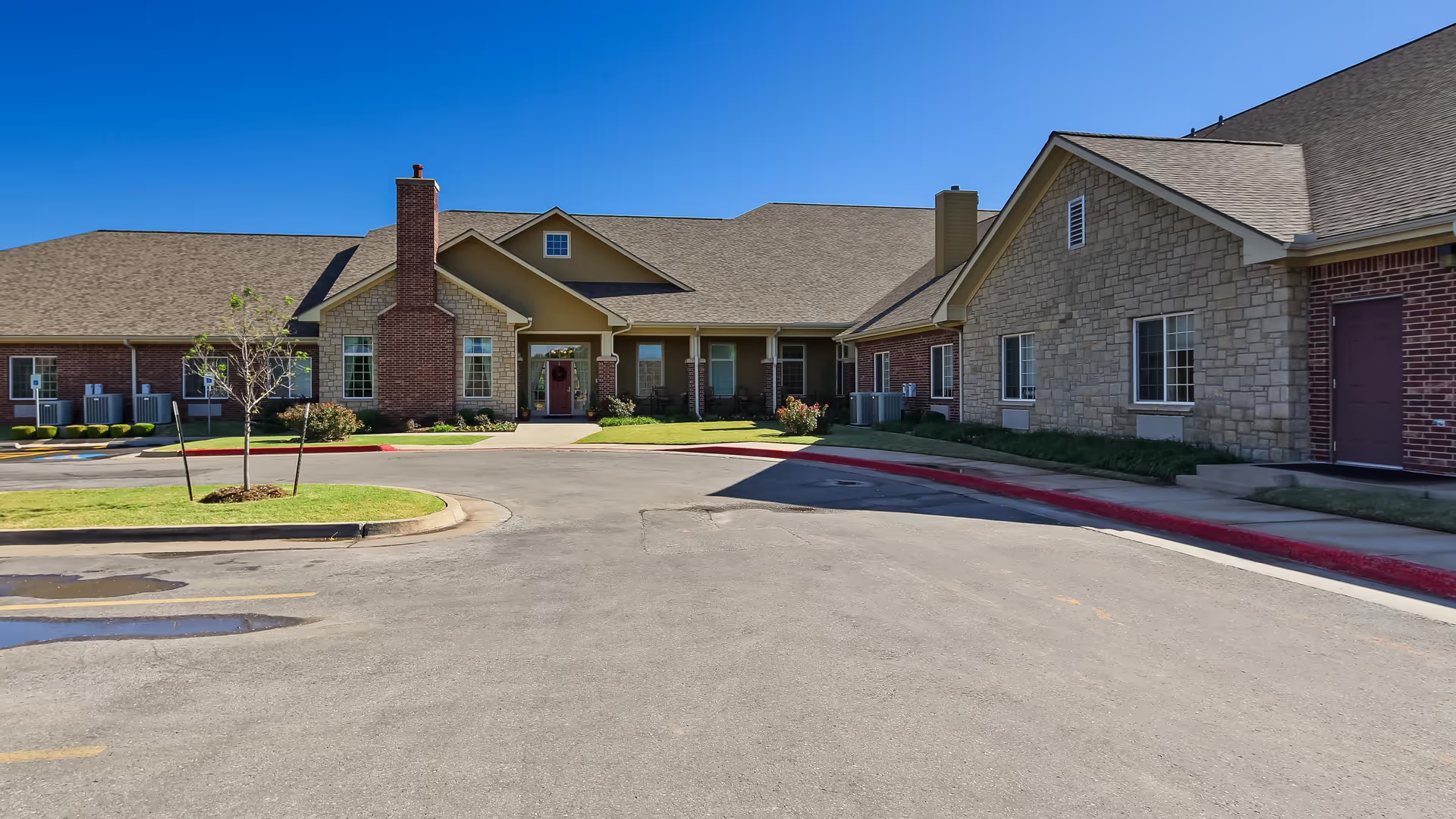
Overall impression: Reviews for Homestead Assisted Living of Clinton are mixed, with many families praising the facility’s welcoming atmosphere, clean environment, and engaged staff, while others describe operational weaknesses that could affect care for higher-dependency residents. The facility is frequently characterized as home-like, with opportunities for room personalization and a community feel; at the same time several reviewers raised substantive concerns about routine personal-care delivery and management practices.
Care and staffing: Numerous accounts highlight compassionate, friendly direct-care staff and managers who communicate effectively with families. Reviewers often described staff as helpful and attentive for routine needs. However, a subset of comments describe inconsistent adherence to personal-care routines, including bathing and incontinence-related care, and reports of residents spending extended periods in seating without regular repositioning. These items point to variability in hands-on care and shift-level coverage rather than uniformly poor staffing; prospective families should clarify care-plan implementation, repositioning schedules, and staff-to-resident ratios during tours.
Dining and activities: Dining receives generally positive feedback: several reviewers called meals good to excellent, and special events or treats were appreciated. Activity programming is a clear strength — reviewers mention varied offerings (crafts, bingo, nail days, educational events, and social gatherings), and a lively, social resident community that supports engagement. These elements contribute to the facility’s strong sense of community and family atmosphere.
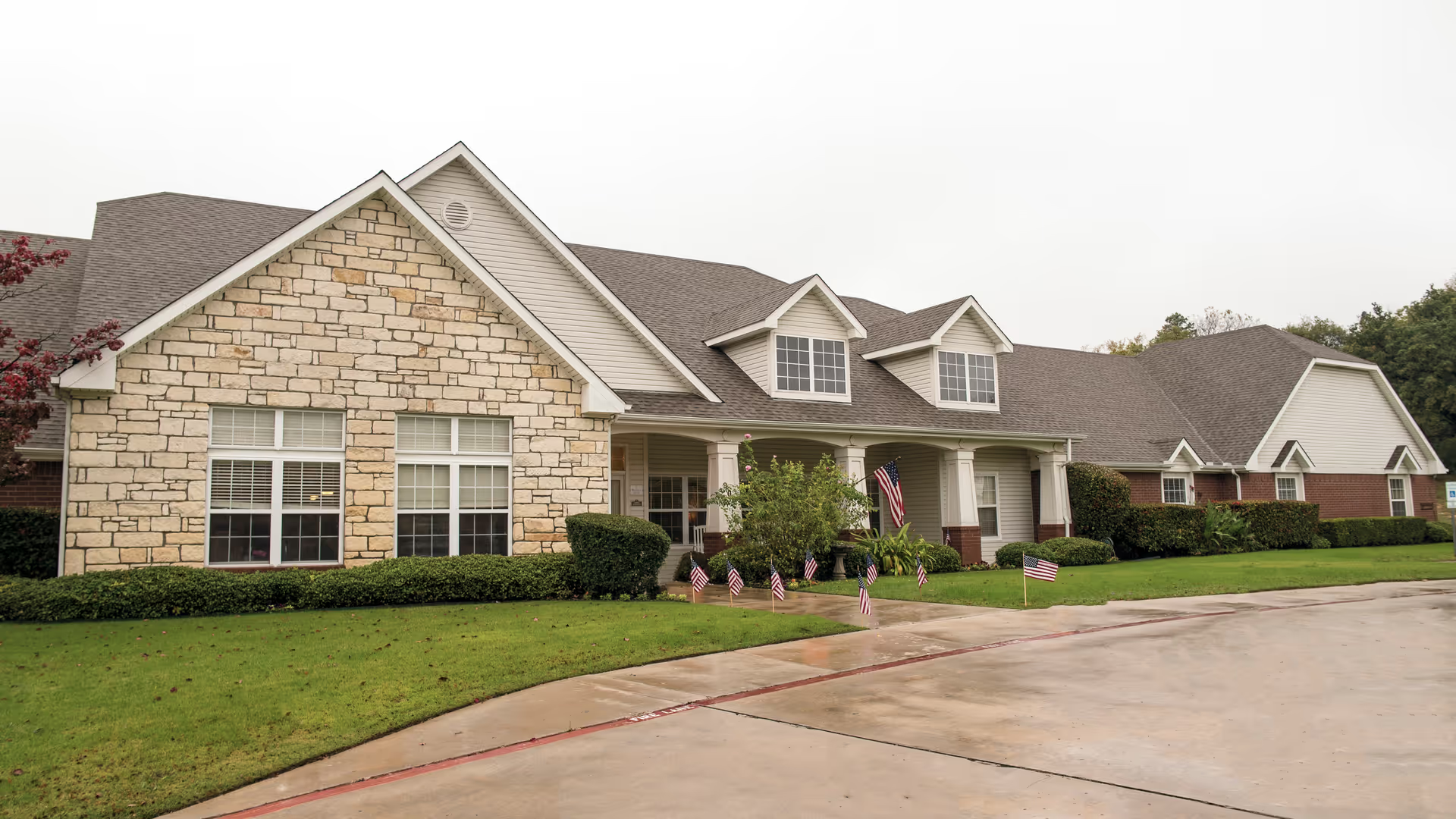
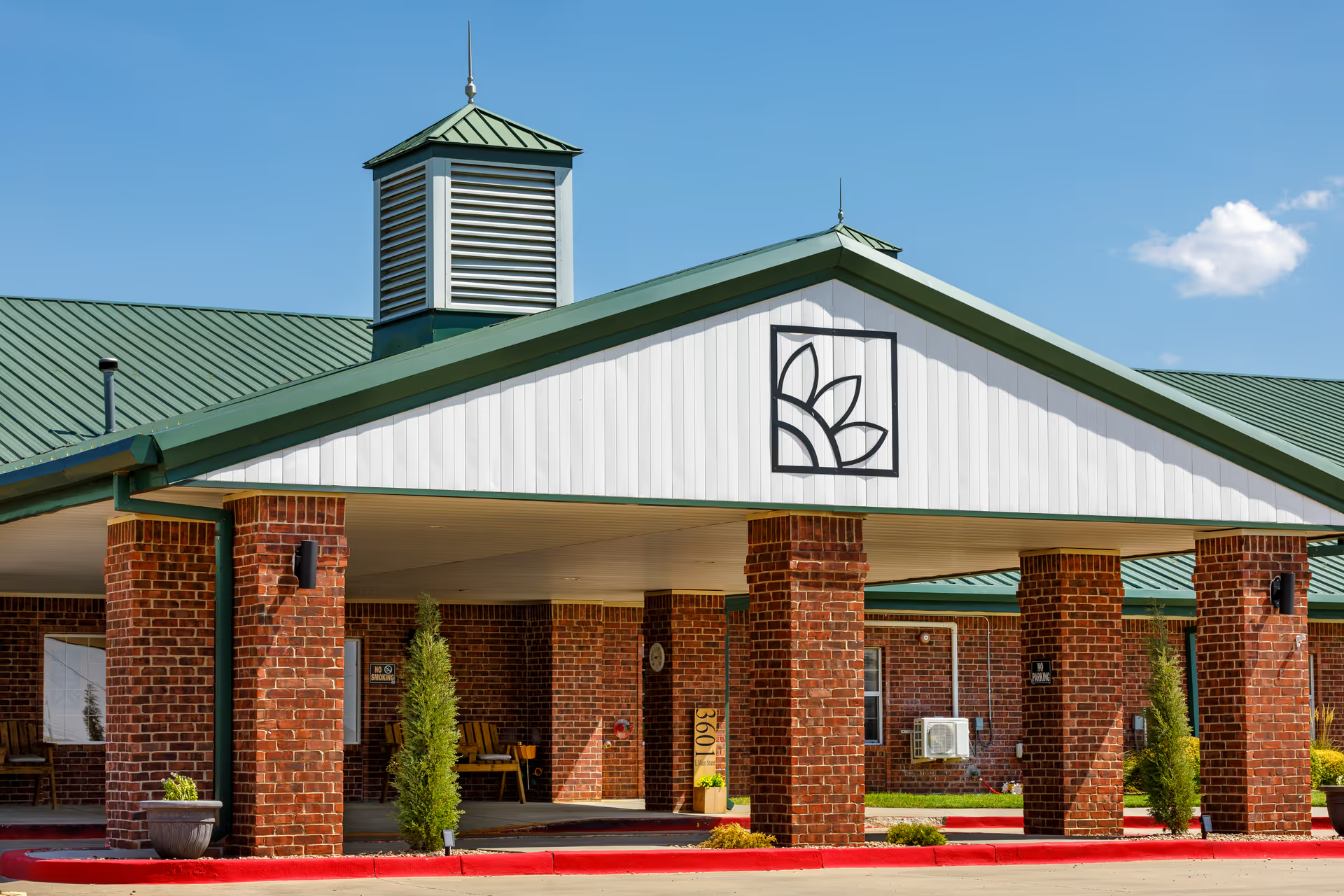
Facilities and operations: The physical environment is commonly described as clean, well-maintained, and odor-free by many visitors. At the same time, some reviews note odor or sanitation inconsistencies in parts of the facility, suggesting unevenness in environmental maintenance. The building has backup power systems, but intermittent utility or power reliability interruptions were also mentioned. Families should ask about preventive maintenance, emergency power testing, and environmental cleaning protocols during their evaluation.
Clinical services and specialization: There are concerns about limited on-site rehabilitation/physical therapy services and the lack of a dedicated memory-care unit. These are important operational features to confirm for residents with mobility needs or progressive cognitive impairment. If a prospective resident requires regular therapy or specialized dementia services, clarify availability of those services, external therapy providers, and transfer procedures.
Management and administrative issues: While many reviewers compliment management communication, others raised serious administrative concerns, including payroll and personnel conduct issues. Examples include unpaid wages and documentation delays; such items suggest potential HR and managerial instability that could affect staff morale and continuity. Prospective employees and families should inquire about staffing stability, payroll processes, and complaint-resolution pathways.
Notable patterns and recommended questions: The overall pattern is one of a facility that provides a warm, active community with generally positive meals and staff interactions, but with variability in hands-on personal care, therapy availability, and administrative consistency. During a visit, consider observing mealtimes and an activity, asking for care-plan examples (including bathing and repositioning schedules), confirming availability of physical therapy and memory-care supports, and requesting documentation of emergency power testing and recent staffing/HR practices. These checks will help determine whether the facility’s strengths align with a specific resident’s needs and whether operational weaknesses are being addressed.