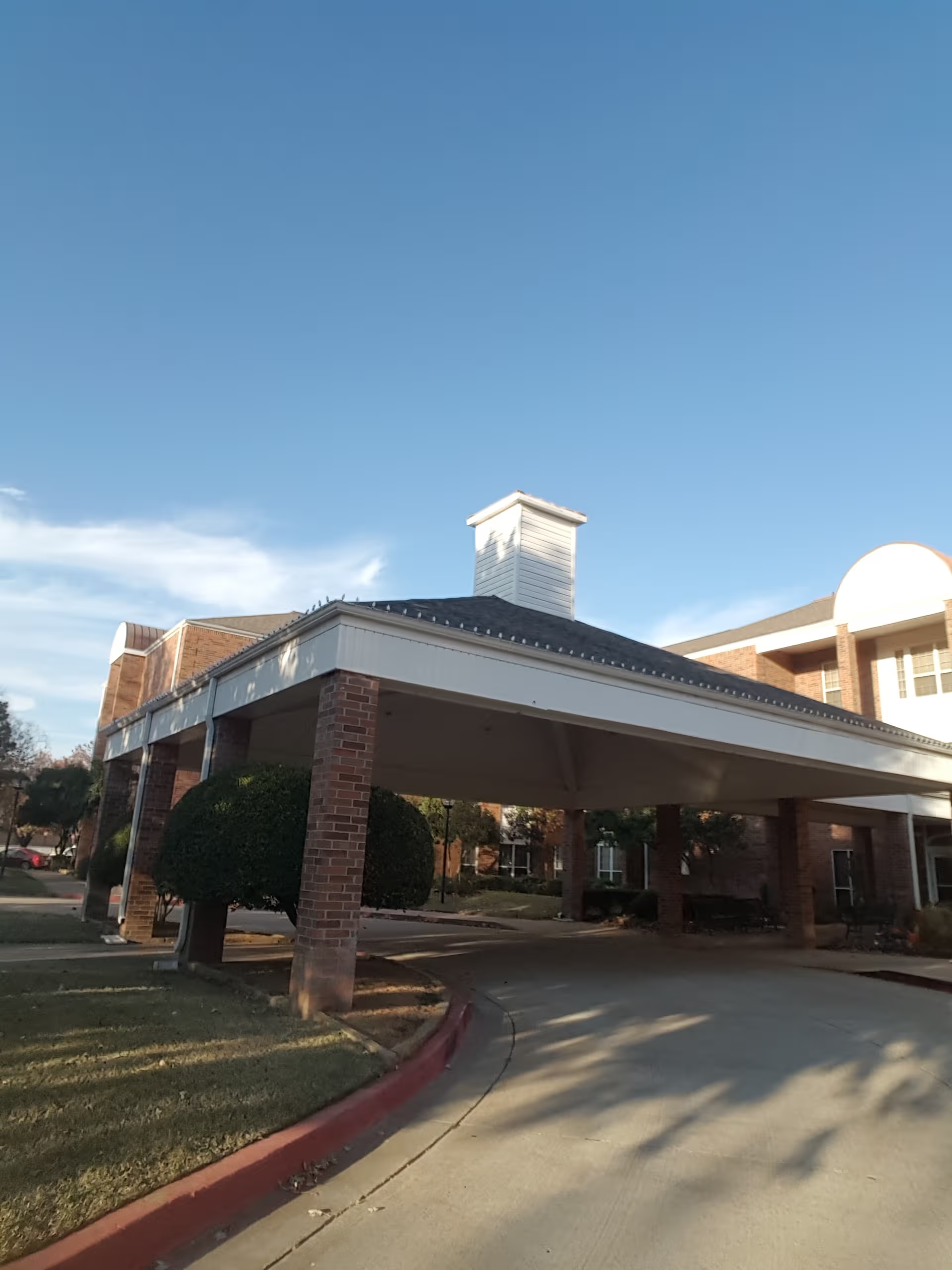
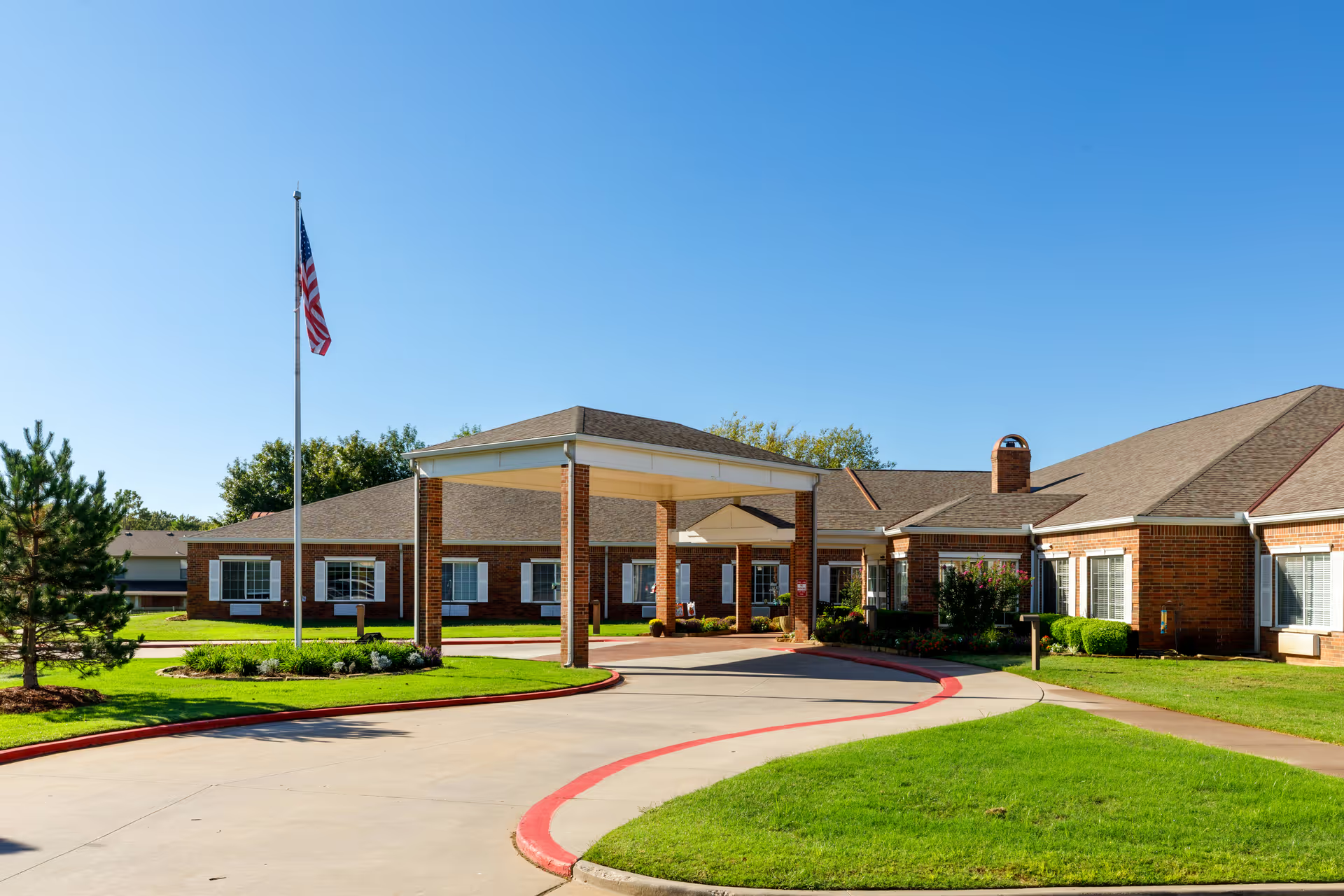
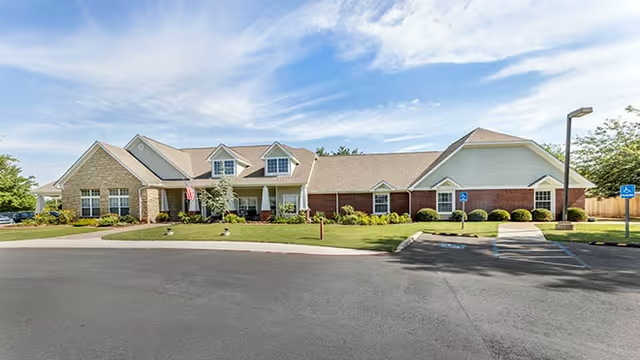
Wilkins Health & Rehabilitation Community elicits strongly polarized experiences. Many families emphasize the facility's strengths: staff are frequently described as compassionate, family‑oriented, and attentive, and nursing teams are credited with delivering reliable day‑to‑day care. Rehabilitation services — including physical therapy and speech‑language pathology — are repeatedly cited as effective, with concrete examples of mobility and functional improvements. Several accounts highlight assistance with admissions, appointments, and paperwork, as well as regular family updates that contribute to a sense of trust and peace of mind.
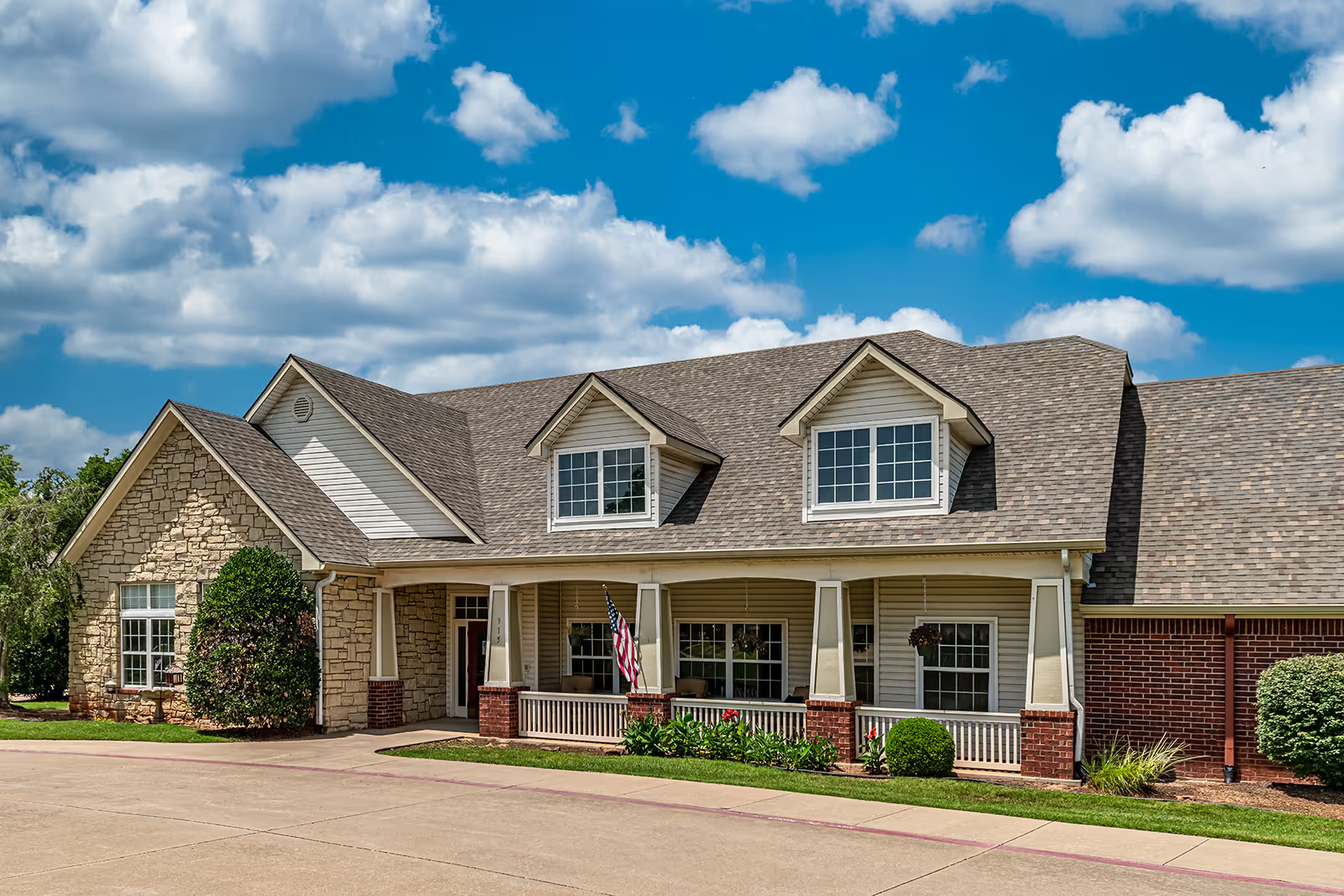
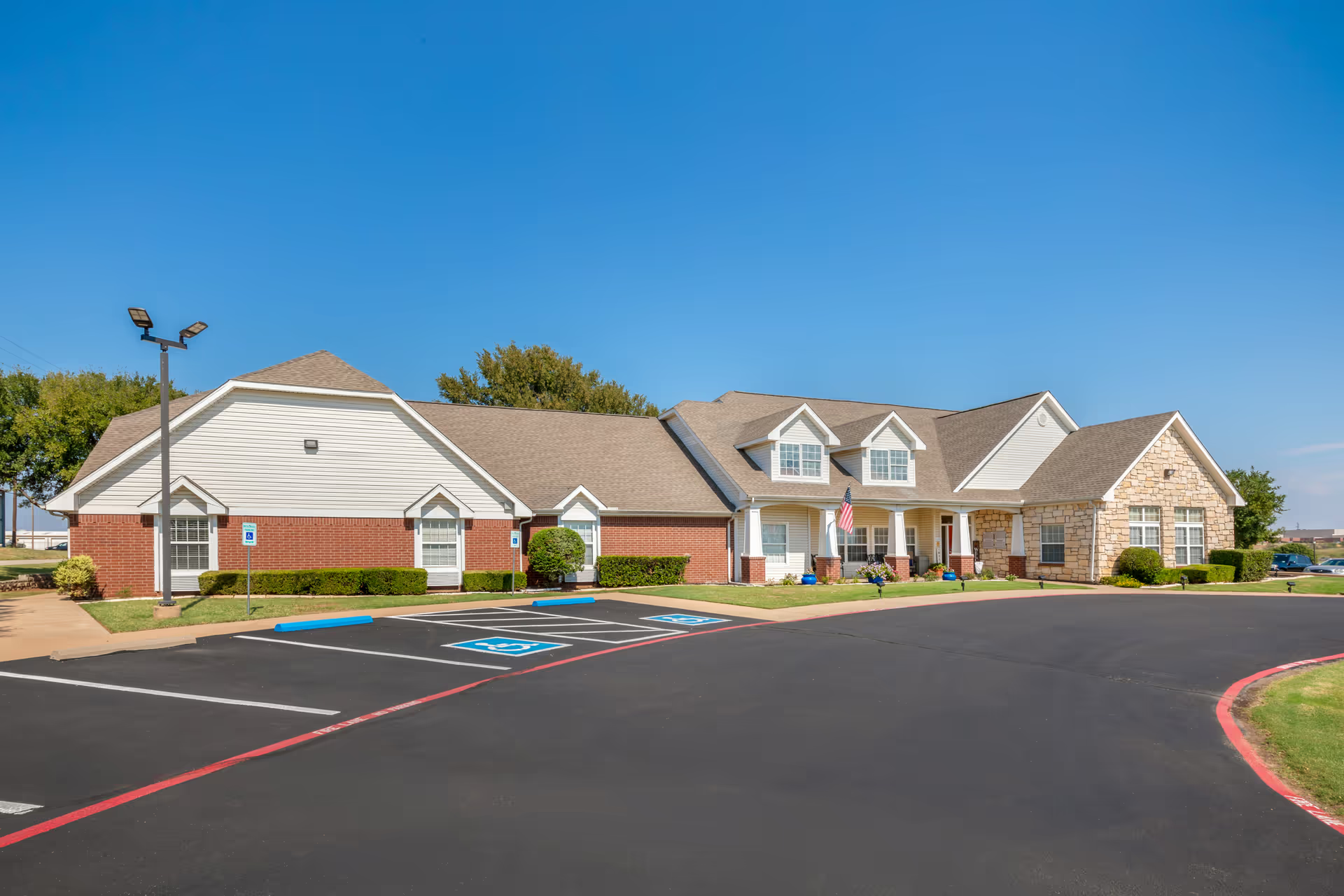
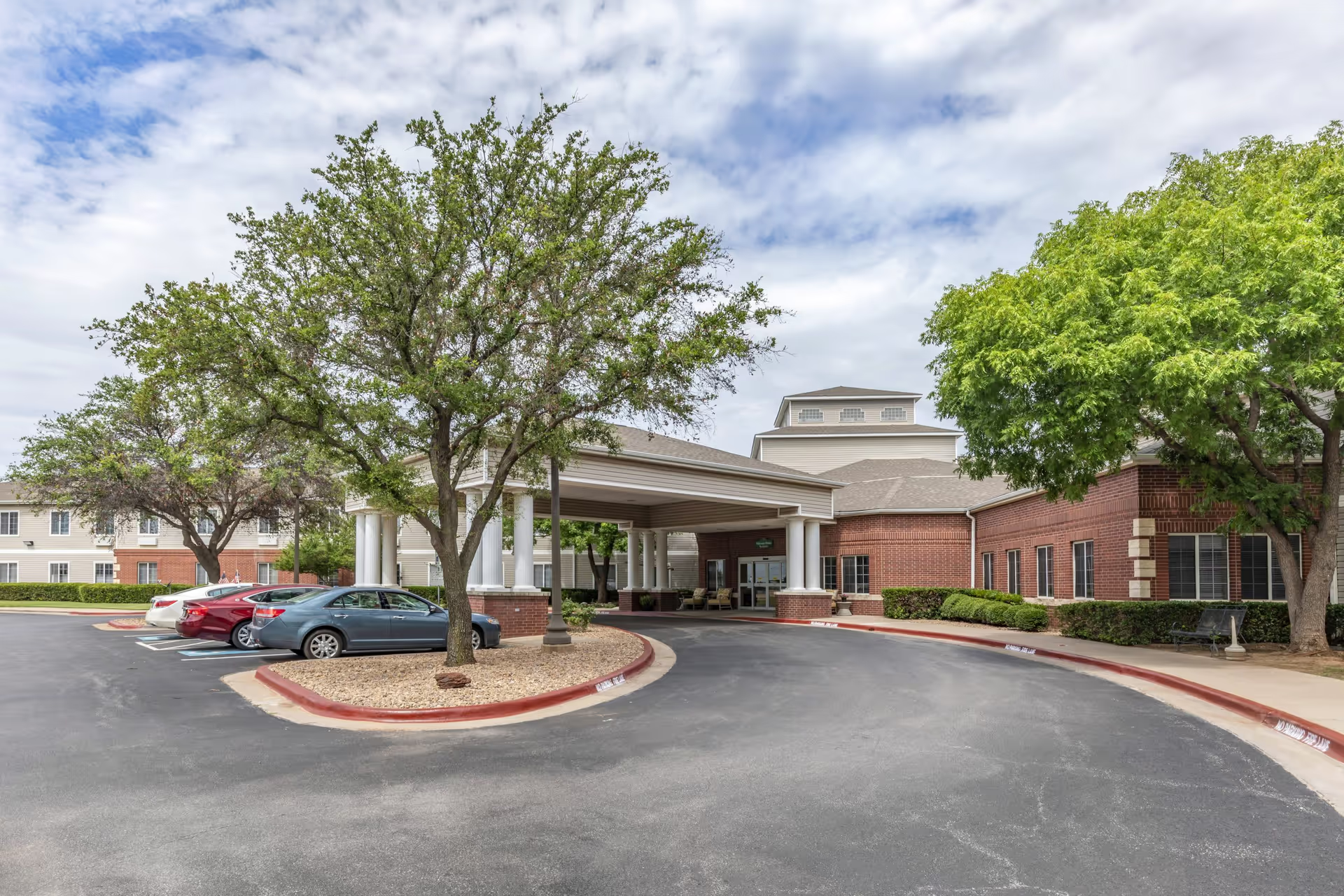
At the same time, a subset of reviews describes operational shortfalls that prospective families should evaluate. Medication‑management reliability is a recurring concern, encompassing both missed doses and staff‑level questions about dosing practices. Safety and supervision issues are also present in some accounts, including falls and instances of residents leaving supervised areas; these point to gaps in transfer‑safety and monitoring protocols. Cleanliness and maintenance assessments are mixed: while many reviewers praise a well‑kept, home‑like interior, others describe sanitation and odor concerns and small or outdated room conditions. Reports of personal‑property losses and uneven incident notification indicate weaknesses in security and family communication practices.
Activities and dining are generally positive elements: the facility runs a range of engaging, tailored programs and social events, and several families found the food acceptable. Long‑term residents and families often describe a warm, community feel and continuity of relationships. Management impressions are inconsistent — some reviewers praise supportive leadership and responsive administration, while others describe unresolved complaints and ownership‑level disputes. The surrounding neighborhood is also a consideration for some families.
Overall, Wilkins appears to offer strong rehabilitative care and a caring staff culture for many residents, but experiences vary enough that an individualized assessment is advisable. When evaluating this facility, prospective residents and families should ask targeted questions about medication protocols, staffing ratios, safety and elopement prevention measures, cleaning/maintenance schedules, property‑security practices, and recent inspection or quality metrics. An in‑person tour that observes therapy sessions, common areas, and staff‑resident interactions, plus conversations with current families, can help clarify whether the facility’s strengths align with a particular resident’s needs.