The reviews show a predominantly negative sentiment focused on two clusters of operational concerns: sanitation/pest-control and staff interactions. Multiple comments emphasize ongoing pest-control concerns and public attention to those events, while others highlight unfriendly or disrespectful interactions between direct-care staff and residents. A small number of positive notes center on the facility’s administrative office staff and the existence of highly rated online reviews—some reviewers have alleged those ratings may originate from employees rather than independent family members.
Care quality: Review content points to apprehension about day-to-day care primarily shaped by interpersonal exchanges and perceived responsiveness. Families raise concerns about staff conduct and communication tone; where those issues exist they affect confidence in the facility’s ability to meet residents’ needs reliably. There is limited direct information about clinical metrics (medication management, fall rates, wound care) in the available summaries, so clinical-care assessment should rely on inspection of records and state inspection reports.
Staff: The dominant theme is inconsistency in staff professionalism. Several reviewers describe rude or disrespectful interactions, which signals potential gaps in training, supervision, or staffing stability. In contrast, administrative office personnel are consistently described as kind, indicating a distinction between front-office interactions and some direct-care staff behavior. These patterns suggest the need to evaluate staff training, turnover, and leadership visibility on the units.
Dining and activities: Review summaries contain little specific information about meal quality, nutritional adequacy, or the range and frequency of activities and programming. Because reviewers focused mainly on sanitation and staff conduct, there is insufficient evidence to draw conclusions about dining or recreational offerings. Prospective families should request menus, activity calendars, and opportunities to observe or sample programming during a visit.
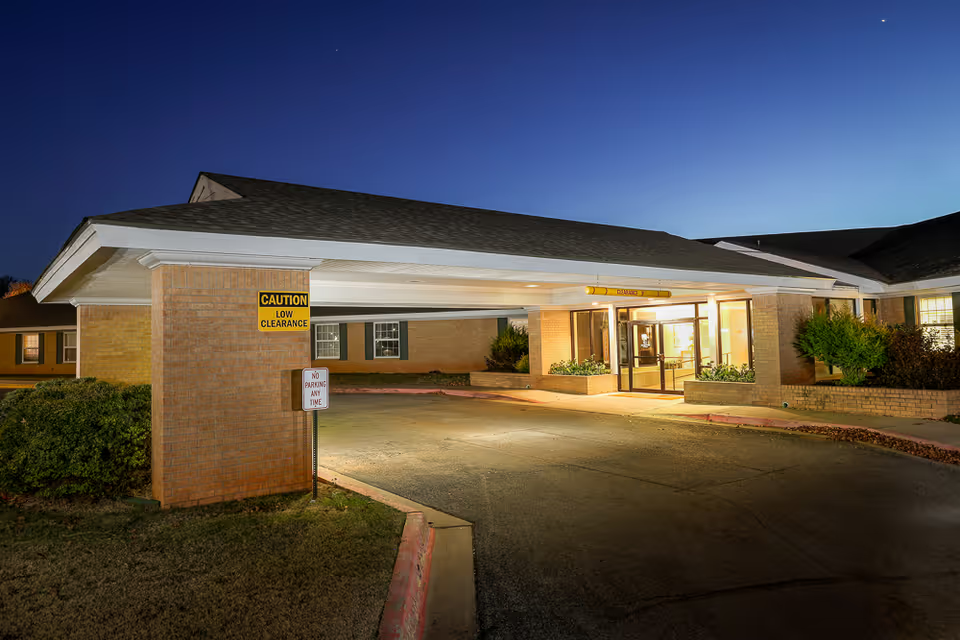
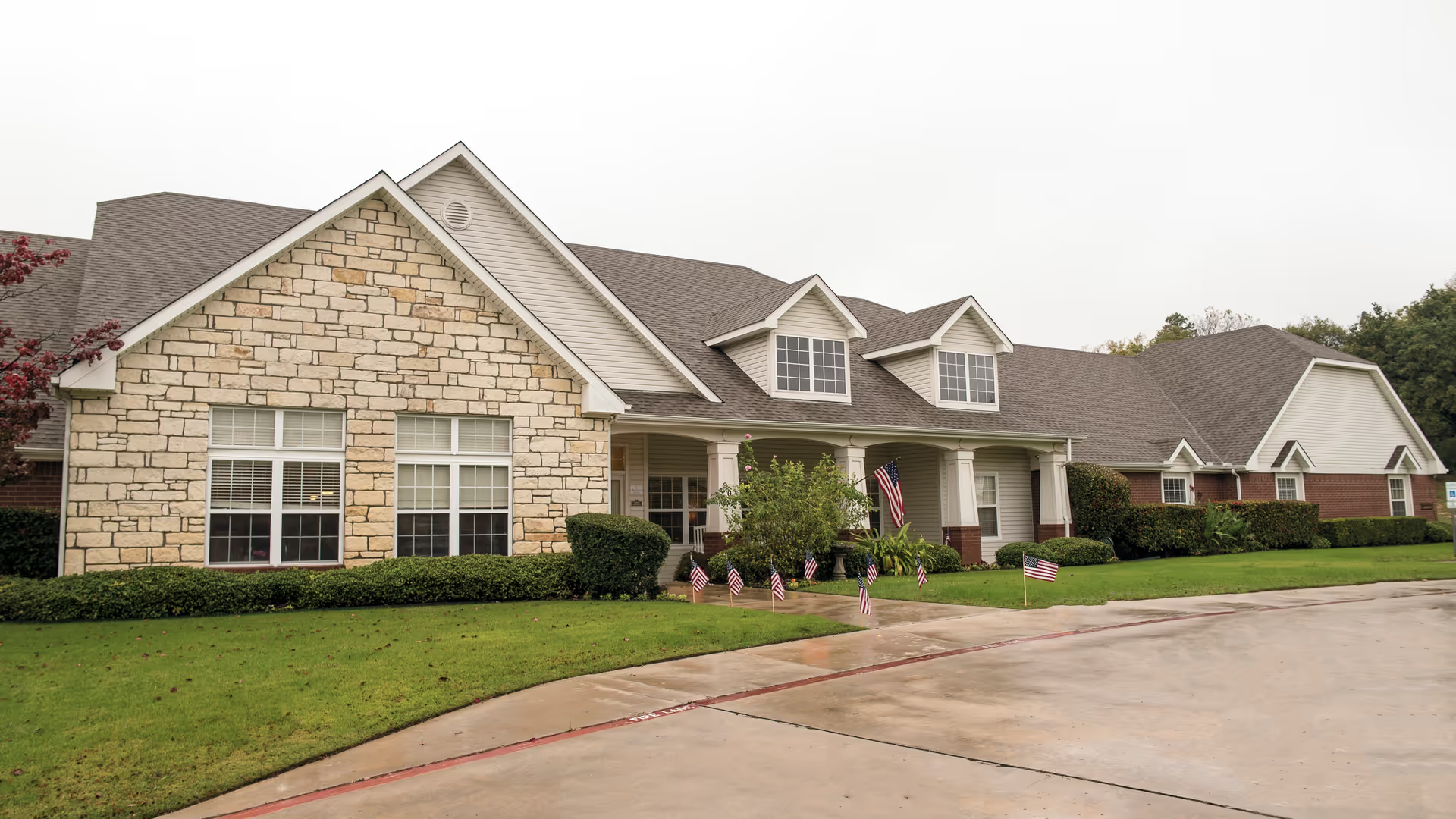
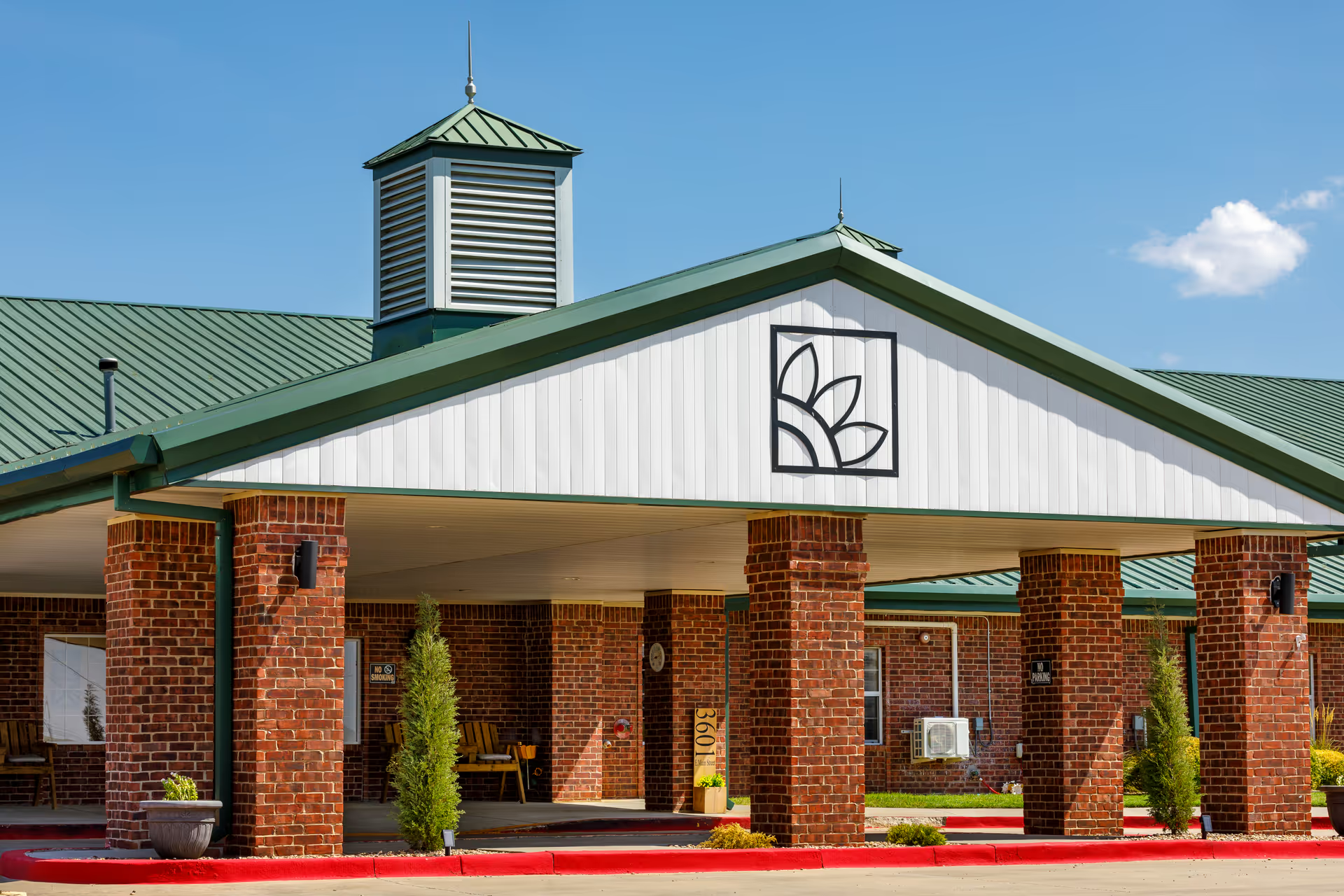
Facilities and sanitation: Publicized pest-control events and ongoing sanitation concerns are a prominent complaint in the summaries. These raise questions about the facility’s environmental controls, routine cleaning protocols, and responsiveness to reported issues. Media coverage cited by reviewers also contributes to reputational concerns and suggests the facility’s incident-management and external-communications processes warrant review.
Management and notable patterns: The combination of public attention to pest-control events, persistent negative sentiment about staff interactions, and the presence of unusually high online ratings has produced skepticism among reviewers about transparency and reputation management. This includes concerns about the credibility of online reviews and a broader trust gap between families and facility leadership. For prospective residents and families, recommended due diligence includes reviewing state inspection and complaint histories, requesting pest-control treatment and sanitation logs, observing staff–resident interactions in person, and asking management about staff training, turnover, and incident-response protocols.
Overall, the reviews identify clear operational risk areas that merit direct verification: environmental/pest-control practices, the tone and consistency of direct-care staff interactions, and management transparency around incidents and online reputation. At the same time, the consistent praise for office staff indicates some strengths in administrative communications. Families should combine these review-derived observations with on-site visits and official records to form a comprehensive assessment.