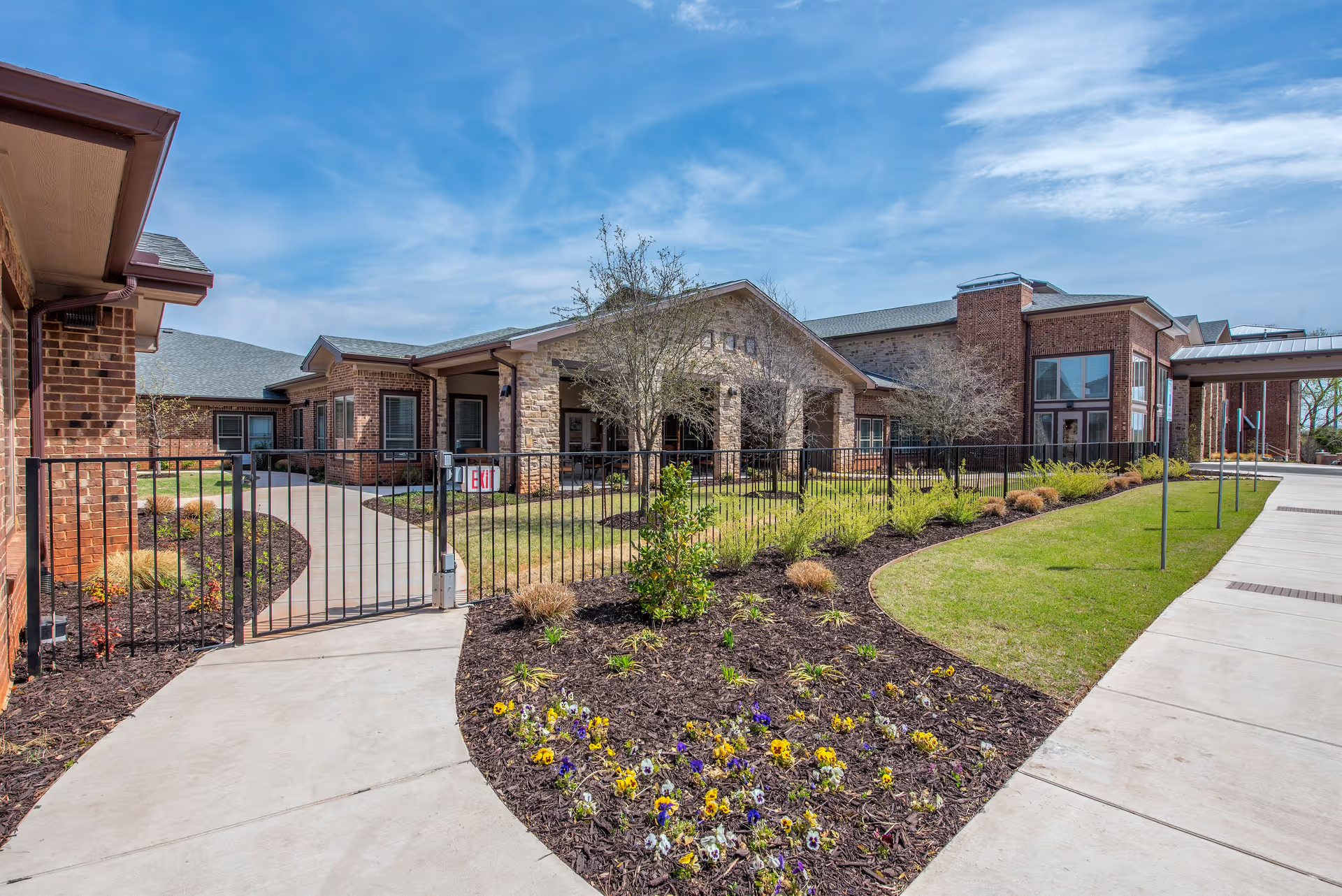
The reviews for this community present a mixed but clearly polarized picture. Many families and residents praise the front-line caregiving team, describing nursing staff, aides, and other direct-care employees as compassionate, attentive, and supportive. Several accounts highlight a patient and helpful admissions experience, a family-like culture among staff, clean duplex units, and an active sense of community. Those positive impressions suggest that direct-care relationships and day-to-day resident interactions can be strengths of the facility.
At the same time, there are recurring operational concerns that families should consider. Multiple reviewers describe inconsistent staffing levels and related continuity-of-care issues; these concerns extend to medication-administration reliability and instances of poor handoffs. There are also reports of weak coordination between the facility and hospice or other external providers, which can affect end-of-life and palliative care planning. Taken together, these items point to gaps in clinical processes and quality controls rather than isolated interpersonal problems.
Staff culture appears to be a relative strength at the caregiver level, where many reviewers emphasize compassion, dedication, and a consistent presence. However, reviewers also note turnover and disciplinary events that have disrupted continuity for some residents. Physician engagement and responsiveness are described as variable; some families perceive clinicians as less involved or less communicative, which contributes to uneven clinical oversight from the medical staff perspective.
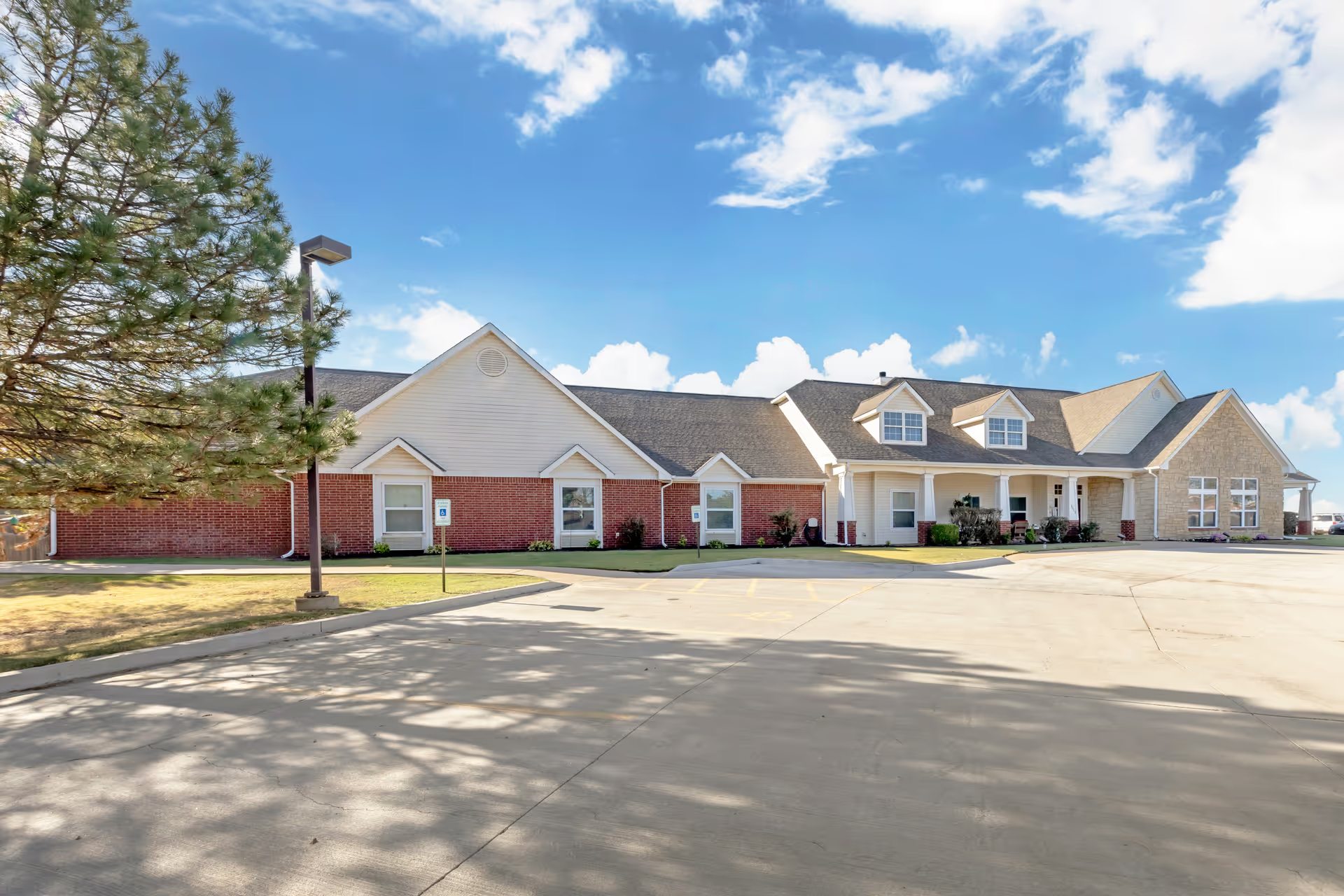
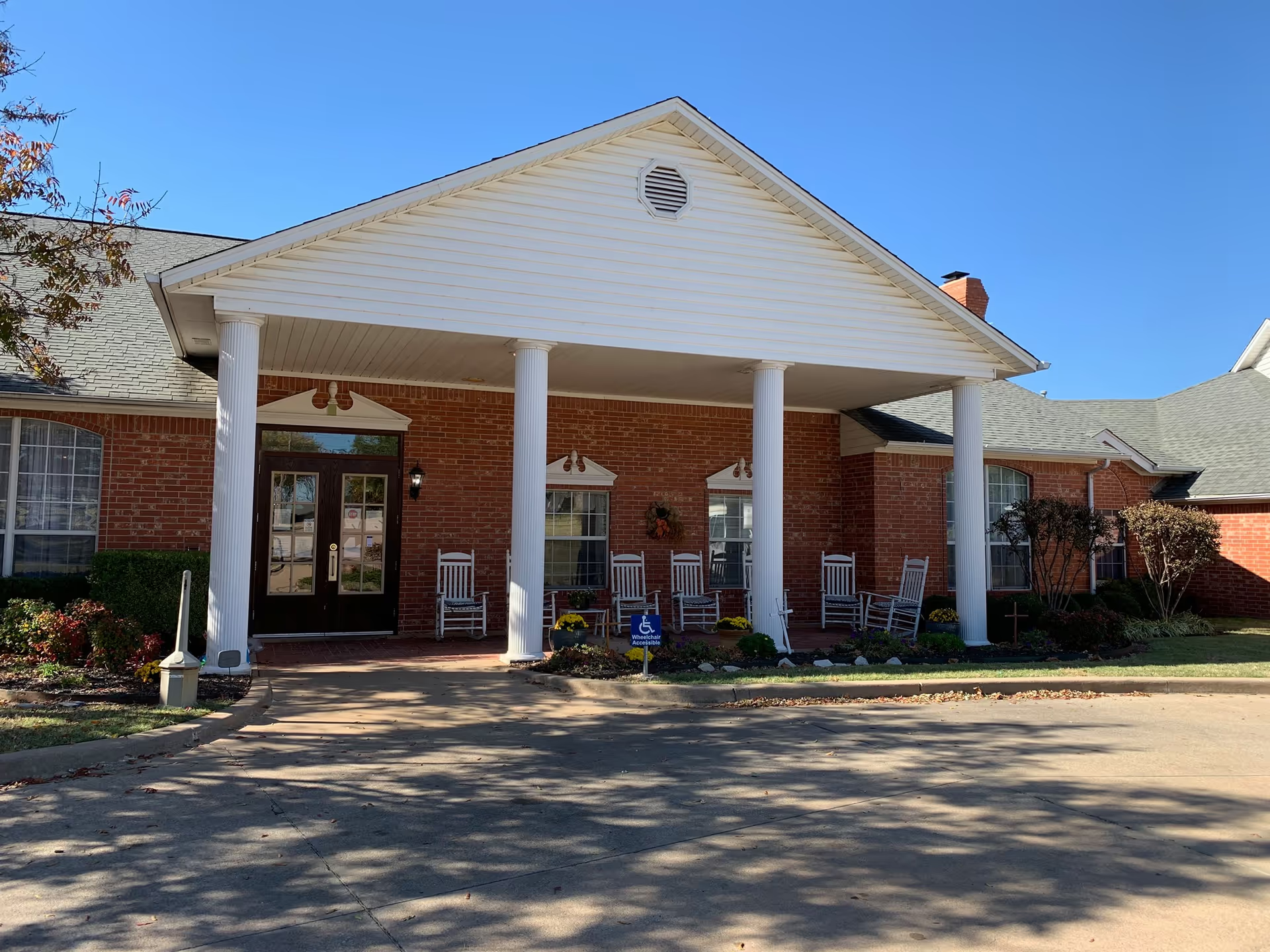
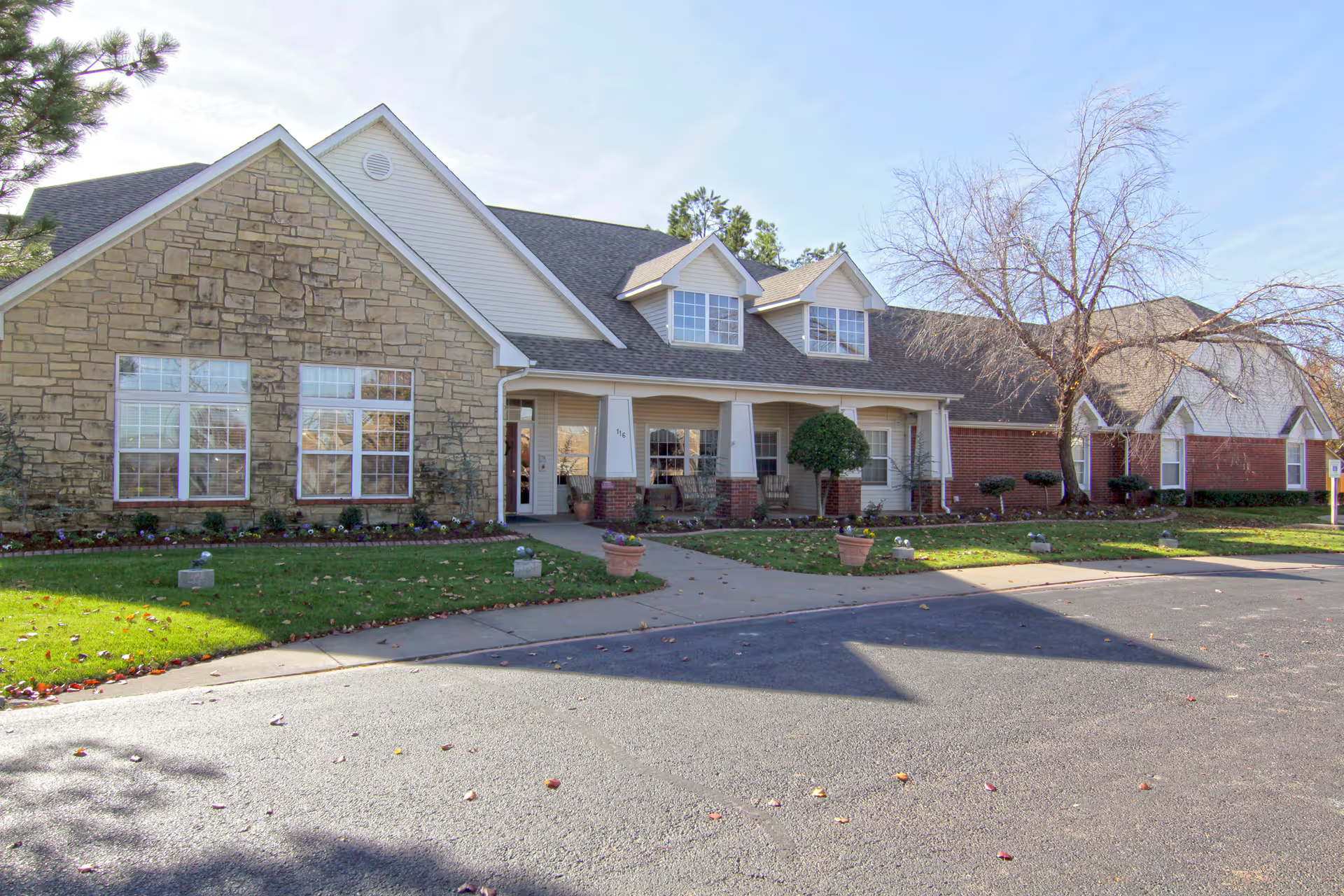
Facility and campus observations are mixed. Several comments praise duplexes and cleanliness of living areas, while others cite maintenance issues such as poor paint quality and cosmetic deficits. The building is described as large and well cared for in parts, but maintenance and aesthetic inconsistencies are evident and may vary by unit or area.
Management and administrative performance is another key area of division. Multiple reviewers describe ineffective family communication, unreturned calls, broken promises, and dissatisfaction following leadership or ownership transitions. There is also a perception among some that financial considerations influence operational decisions. In some instances, reviewers referenced serious concerns about staff conduct; these represent allegations that prospective families should investigate further through direct questions and, if appropriate, regulatory records.
Notable pattern: praise is concentrated on direct-care staff and everyday resident interactions, while operational systems—staffing consistency, medication processes, external-provider coordination, and management communication—receive the majority of criticisms. Prospective residents and families should validate current staffing ratios, medication-administration protocols, hospice coordination procedures, and recent management changes during their tour and conversations with leadership to assess whether the facility’s operational improvements address the cited issues.