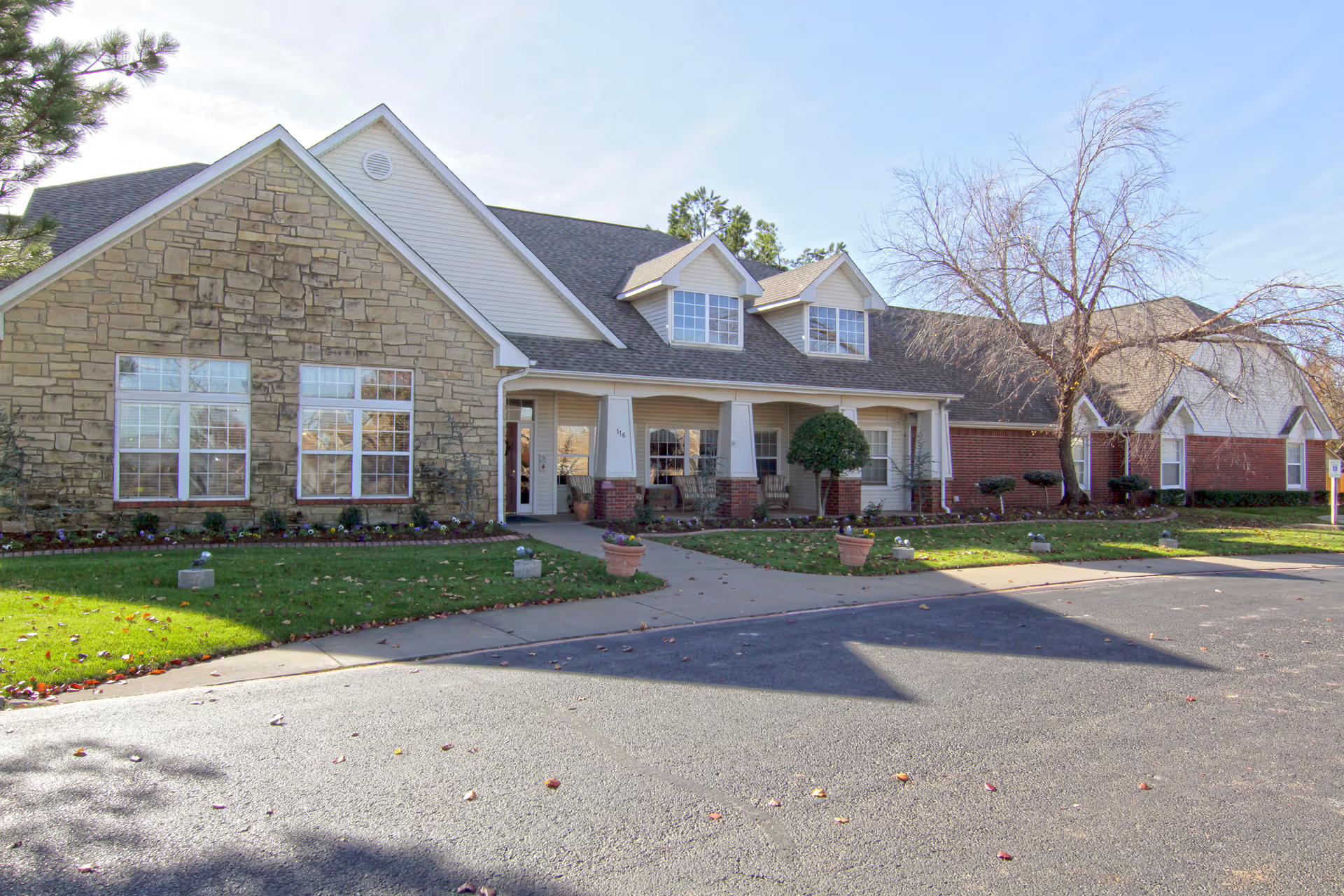
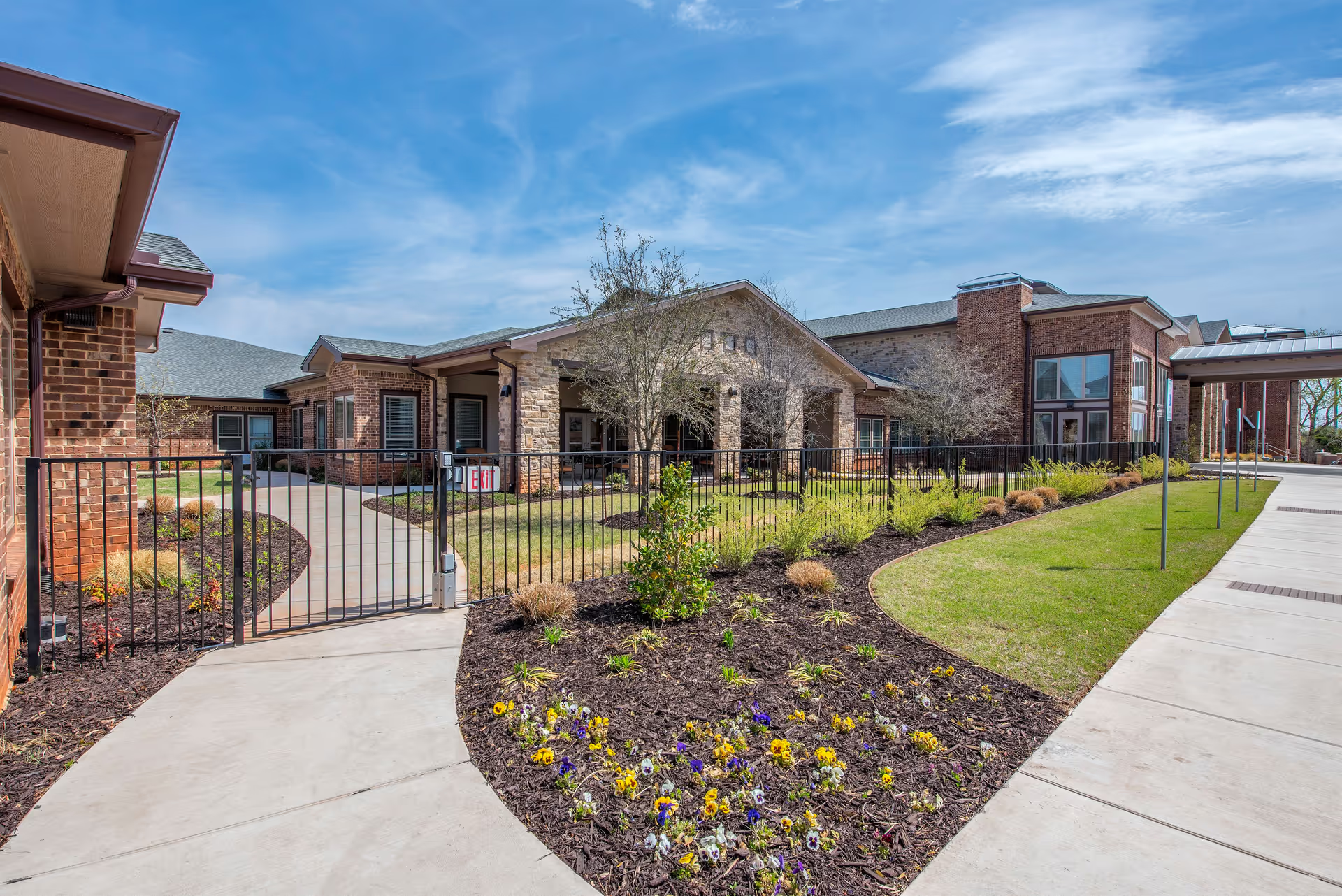
Reviewer accounts of Garland Road Nursing & Rehab present a highly polarized picture. Many families and patients describe compassionate caregivers, effective therapy teams, a welcoming atmosphere, and positive short-term rehabilitation outcomes. These positive comments highlight engaged night-shift staff, organized activities (including holiday events), useful common spaces and outdoor areas, and successful use of technology for family communication.
Balancing those positive accounts are repeated operational concerns that point to systemic inconsistencies. Medication administration and documentation controls are described as unreliable in multiple accounts, with timing errors and missed doses cited as contributing to clinical escalation for some residents. Related clinical-process gaps include delayed recognition or escalation of medical issues, inconsistent bathing/continence assistance, and, in some cases, delayed notification of treating clinicians. These patterns suggest variability in clinical supervision and handoff quality between shifts.
Staffing and workforce issues recur across reviews. Multiple narratives indicate understaffing, high turnover, and lapses in training or supervisory follow-through. These workforce pressures correlate with reports of delayed response to resident calls, long waits for bathroom assistance, and inconsistent meal delivery. Dining services are characterized by uneven food quality, cold or late meals, and limited therapeutic or dietary accommodations in some instances. At the same time, some families praised specific kitchen or dietary staff and noted satisfactory meal experiences.
Facility-level management and communication practices are another frequent concern. Families describe difficulty reaching leadership outside standard business hours, slow complaint resolution, and adversarial interactions when raising questions — including an allegation of retaliatory conduct in response to inquiries. There are also accounts indicating problems with resident-information handling and privacy safeguards. Separately, allegations have been raised about documentation and insurance-handling practices, prompting at least one formal complaint to state authorities.
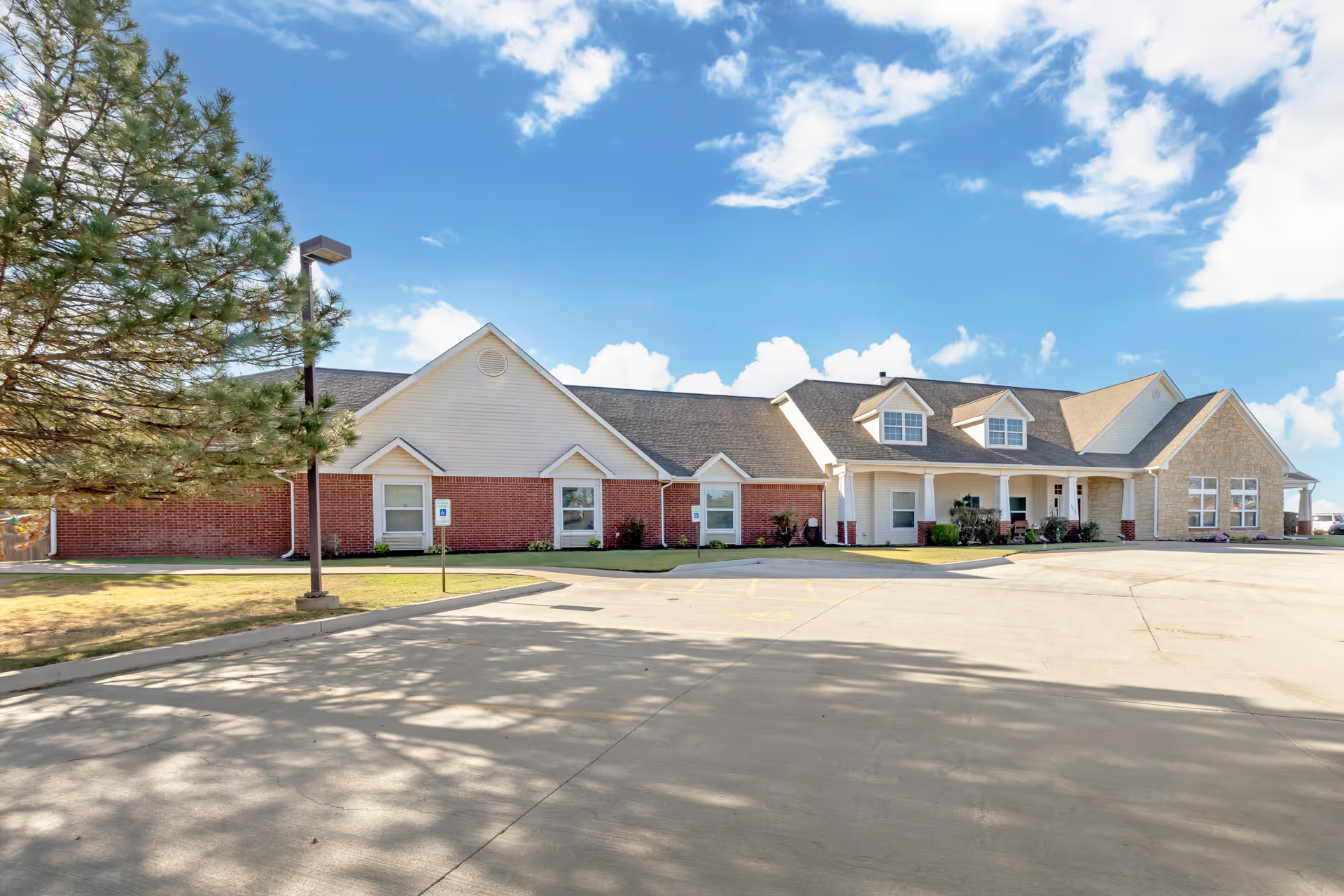
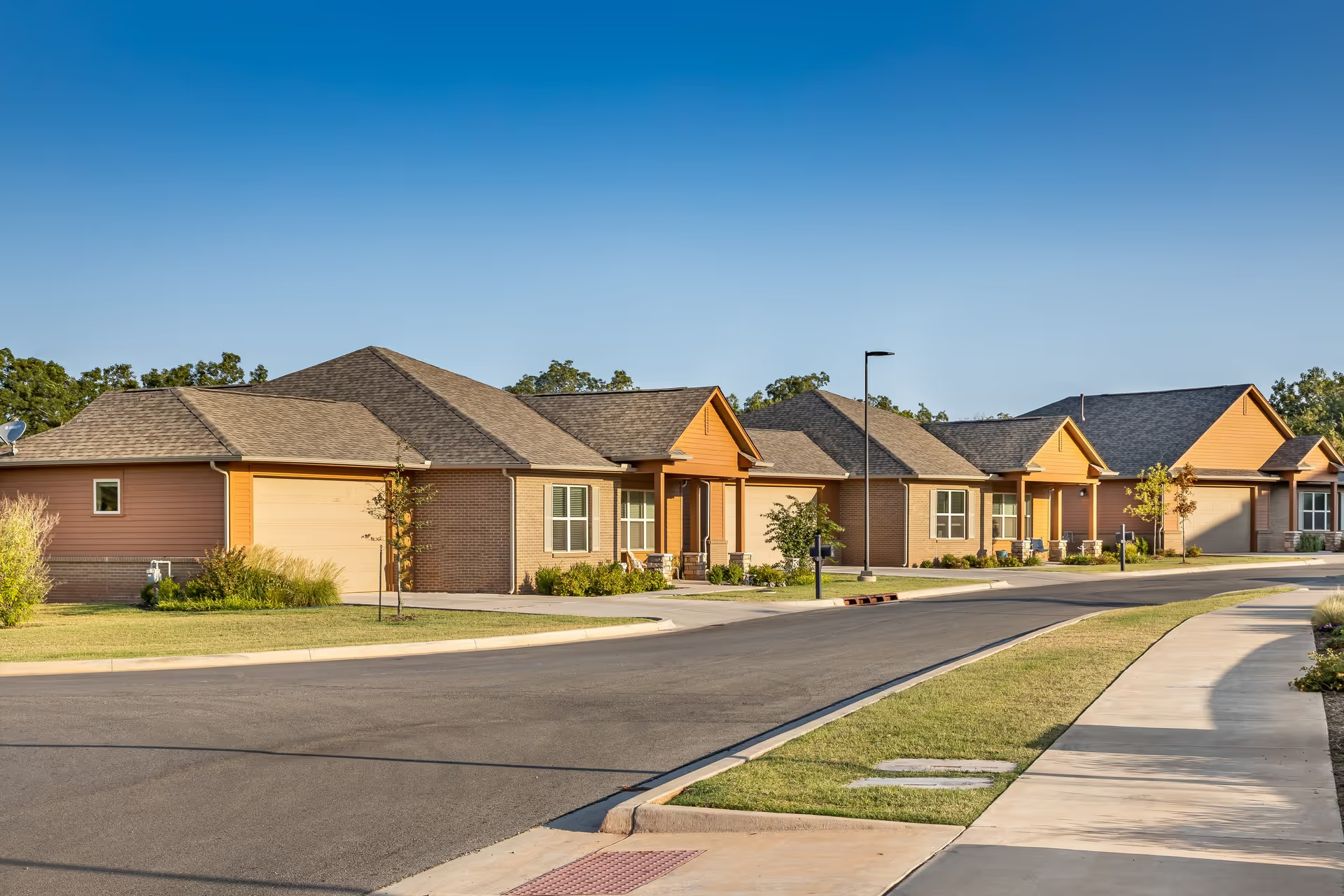
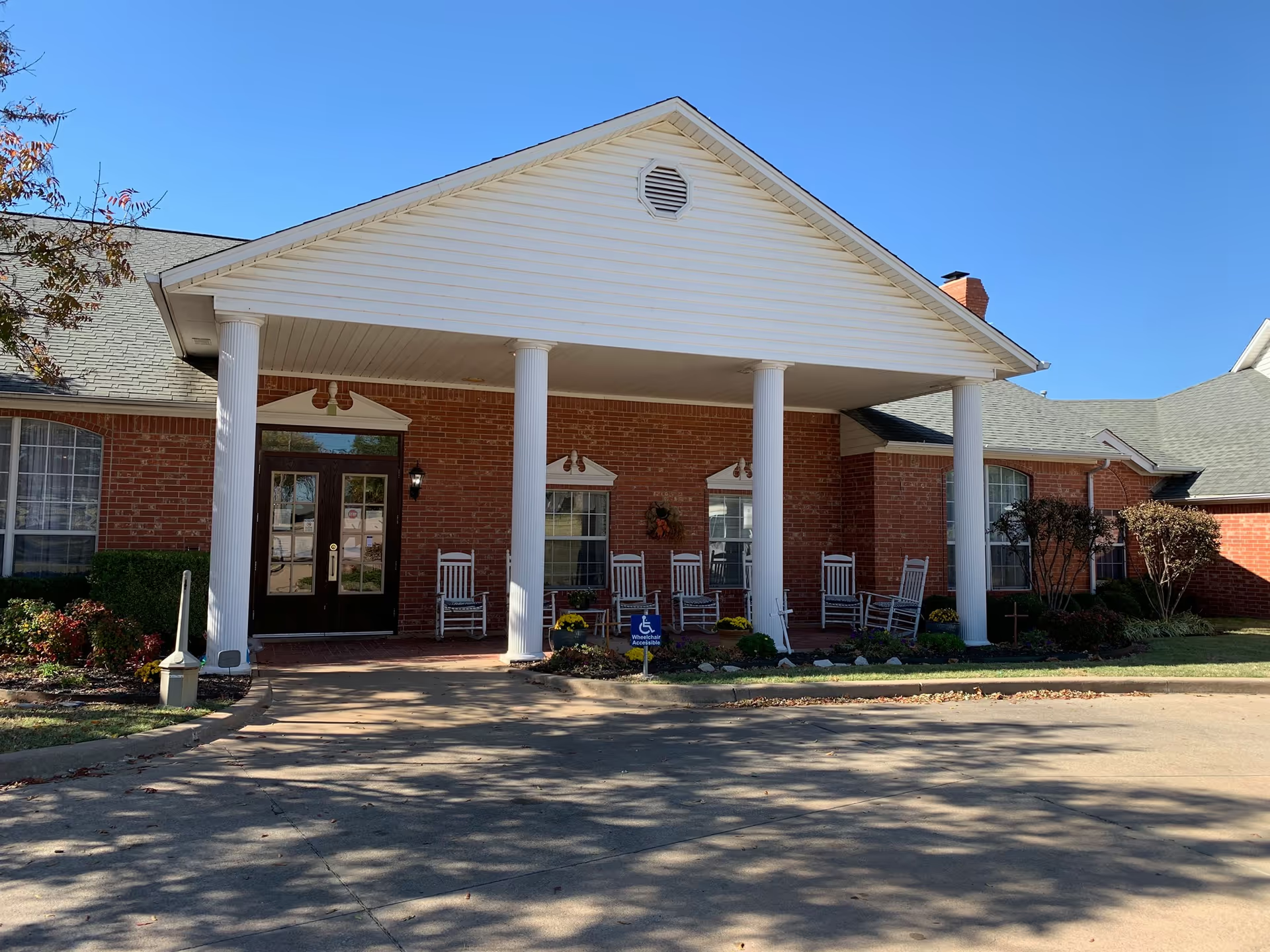
Facilities and activities receive mixed feedback: several reviewers commend the cleanliness, community feel, and activity programming, while others point to sanitation and odor concerns in common areas, shared-room arrangements, and occasional mail/administrative errors. The combination of very positive and very negative experiences suggests variability by unit and by shift; consistent strengths tend to cluster around specific caregivers and therapy teams, whereas weaknesses cluster around institutional processes (staffing, medication controls, dining continuity, and administrative responsiveness).
For prospective residents and families, the pattern indicates the value of targeted due diligence: ask about staffing ratios by shift, medication administration protocols and audit processes, how missed medications and clinical changes are escalated, dining schedules and dietary accommodations, privacy policies, and procedures for family communication and complaint resolution. Also consider reviewing recent state inspection results and asking to observe a mealtime and a change-of-shift handoff to assess consistency firsthand. Overall, Garland Road shows capability for high-quality, compassionate care in many instances, but reviewers commonly describe operational inconsistencies that families should investigate before placement.