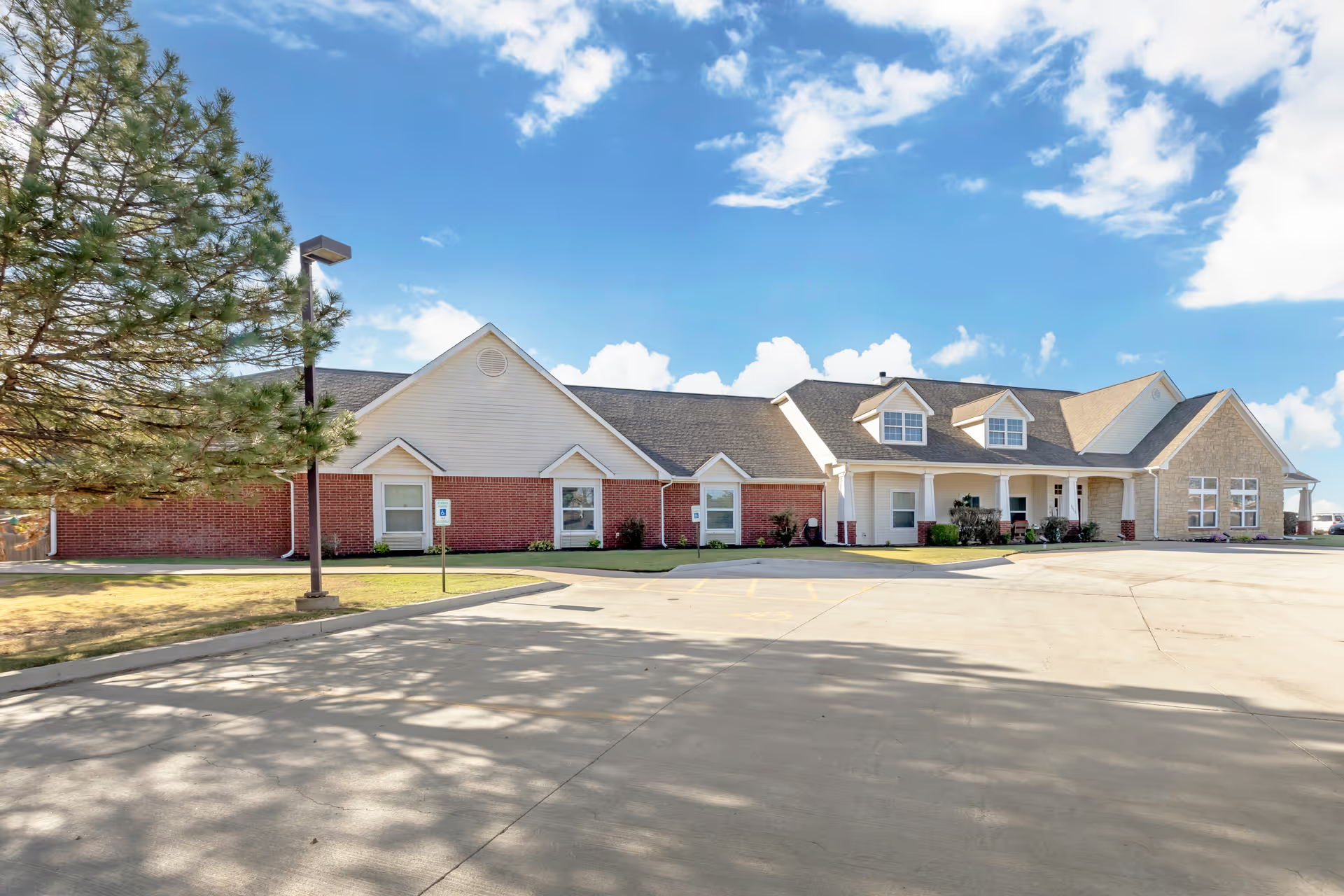
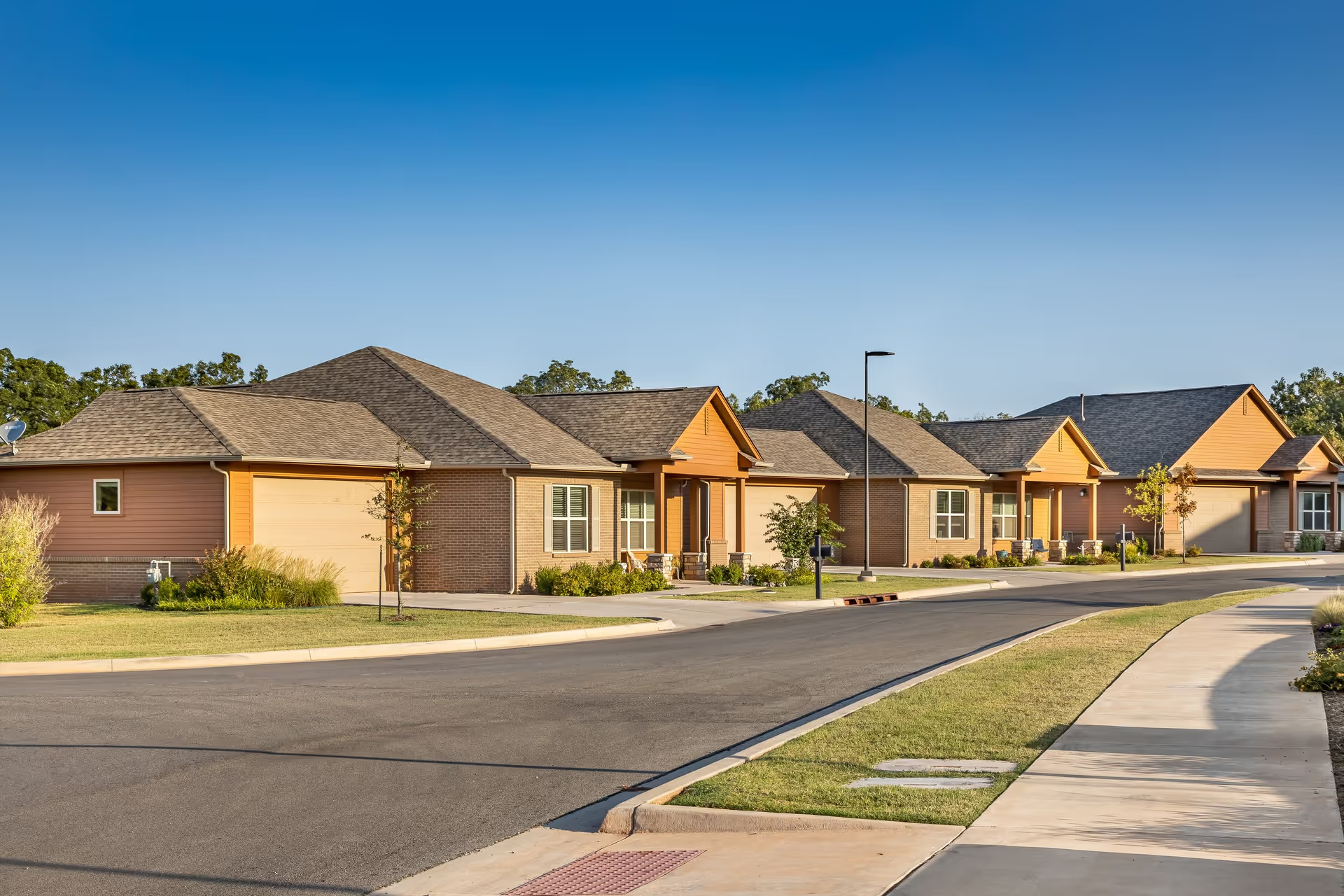
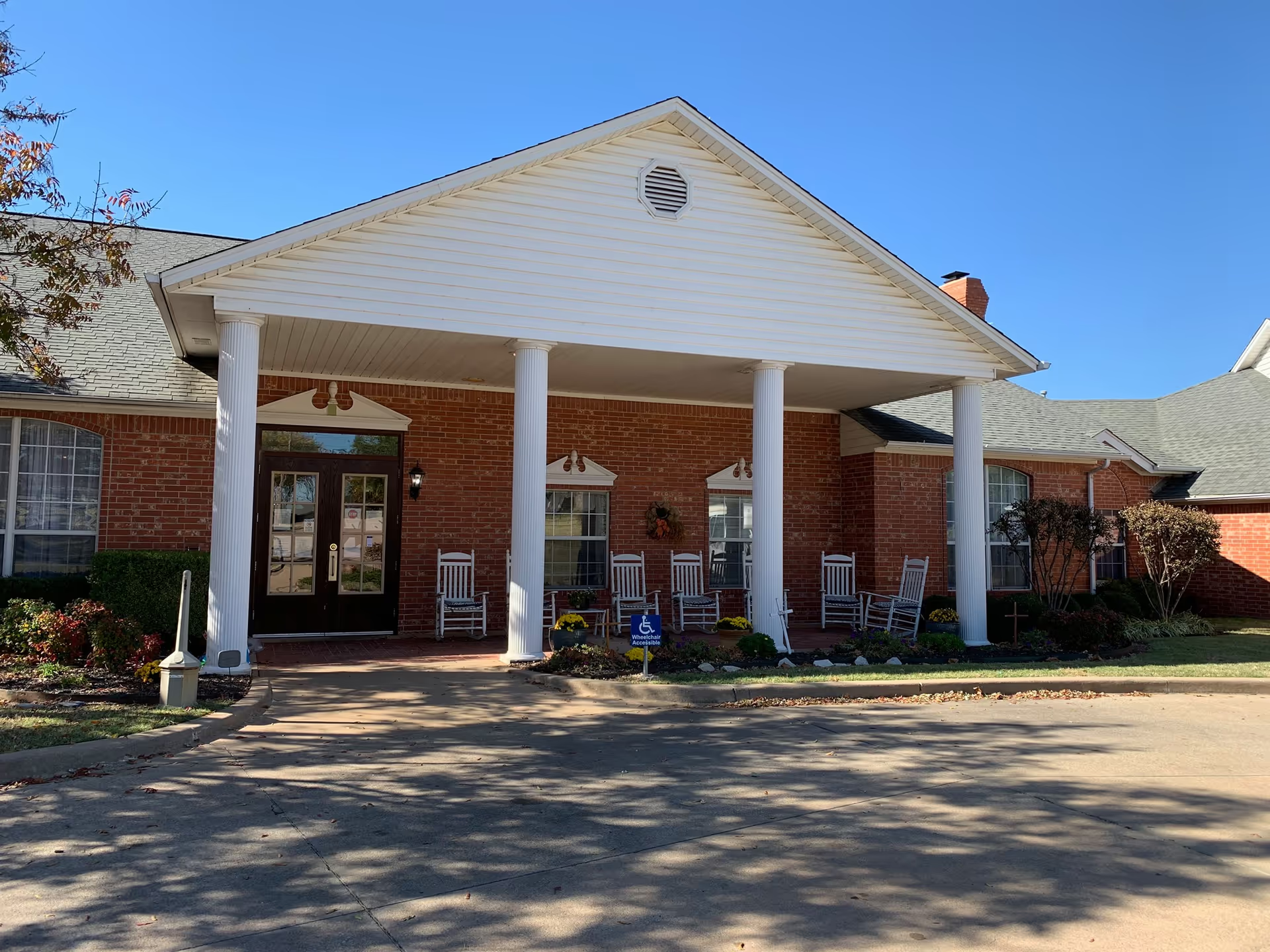
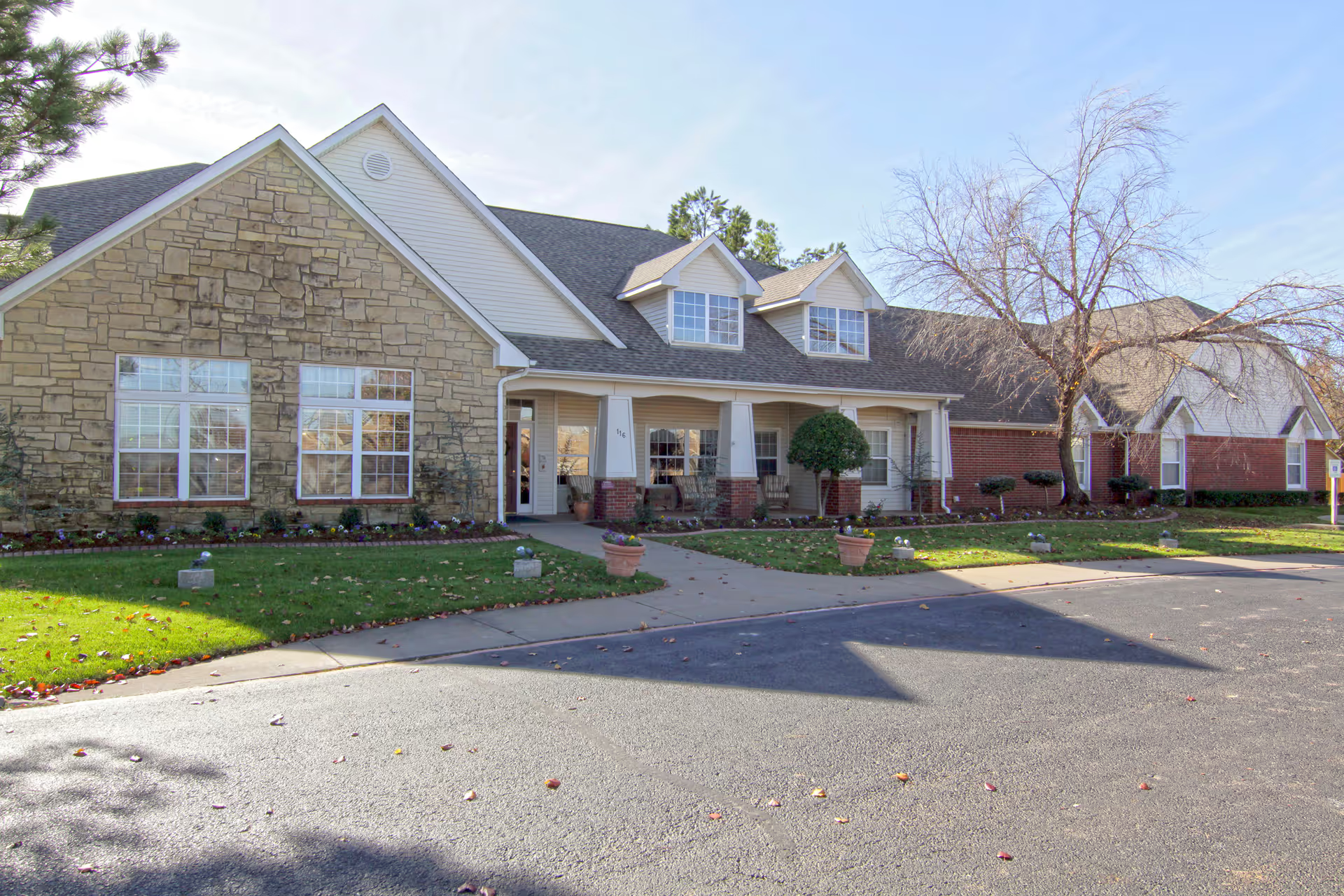
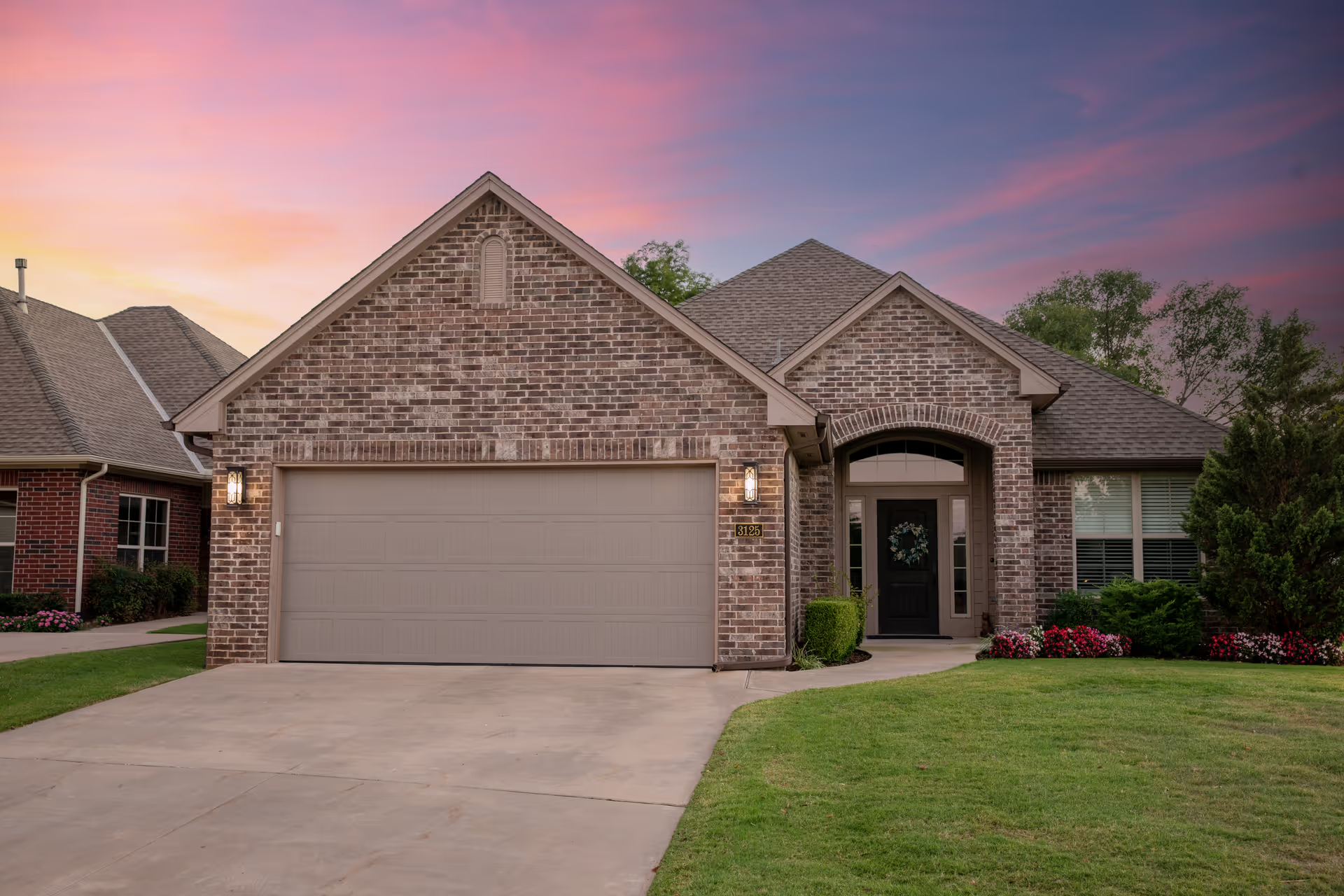
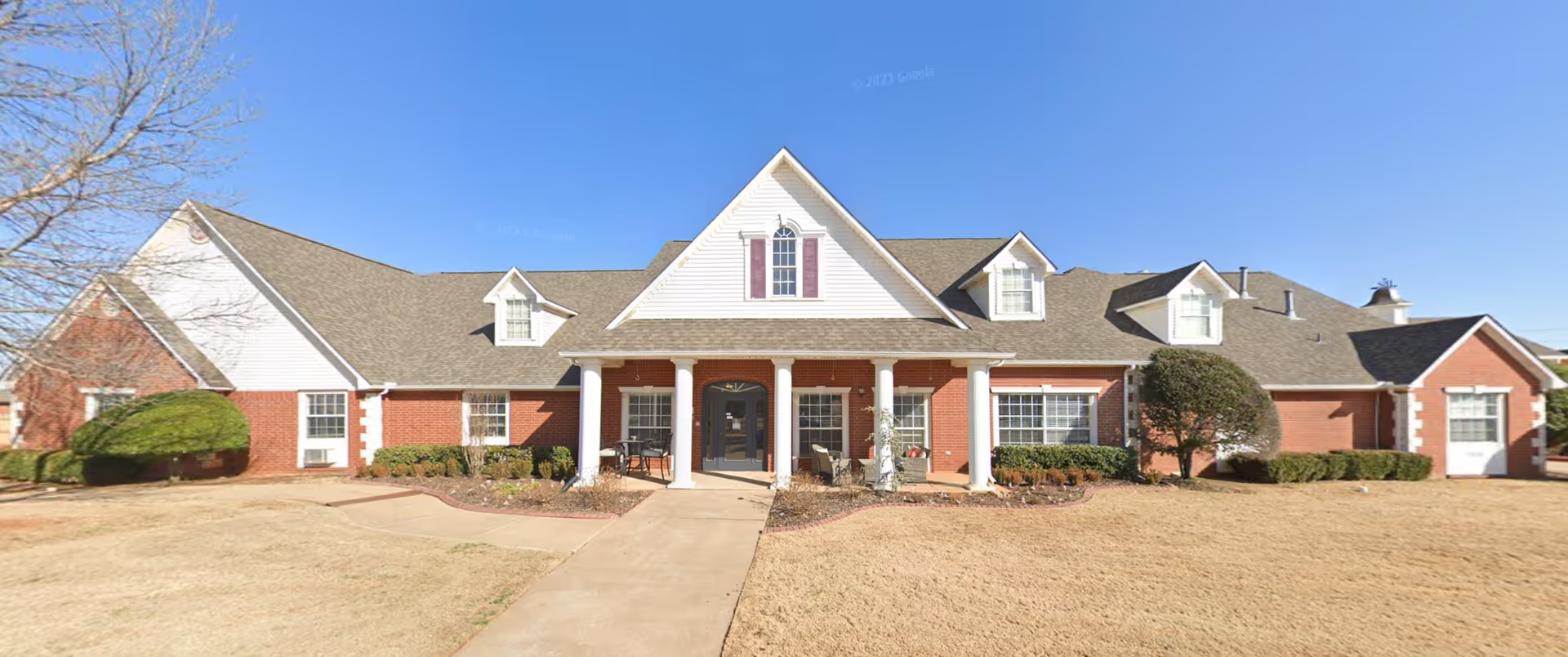
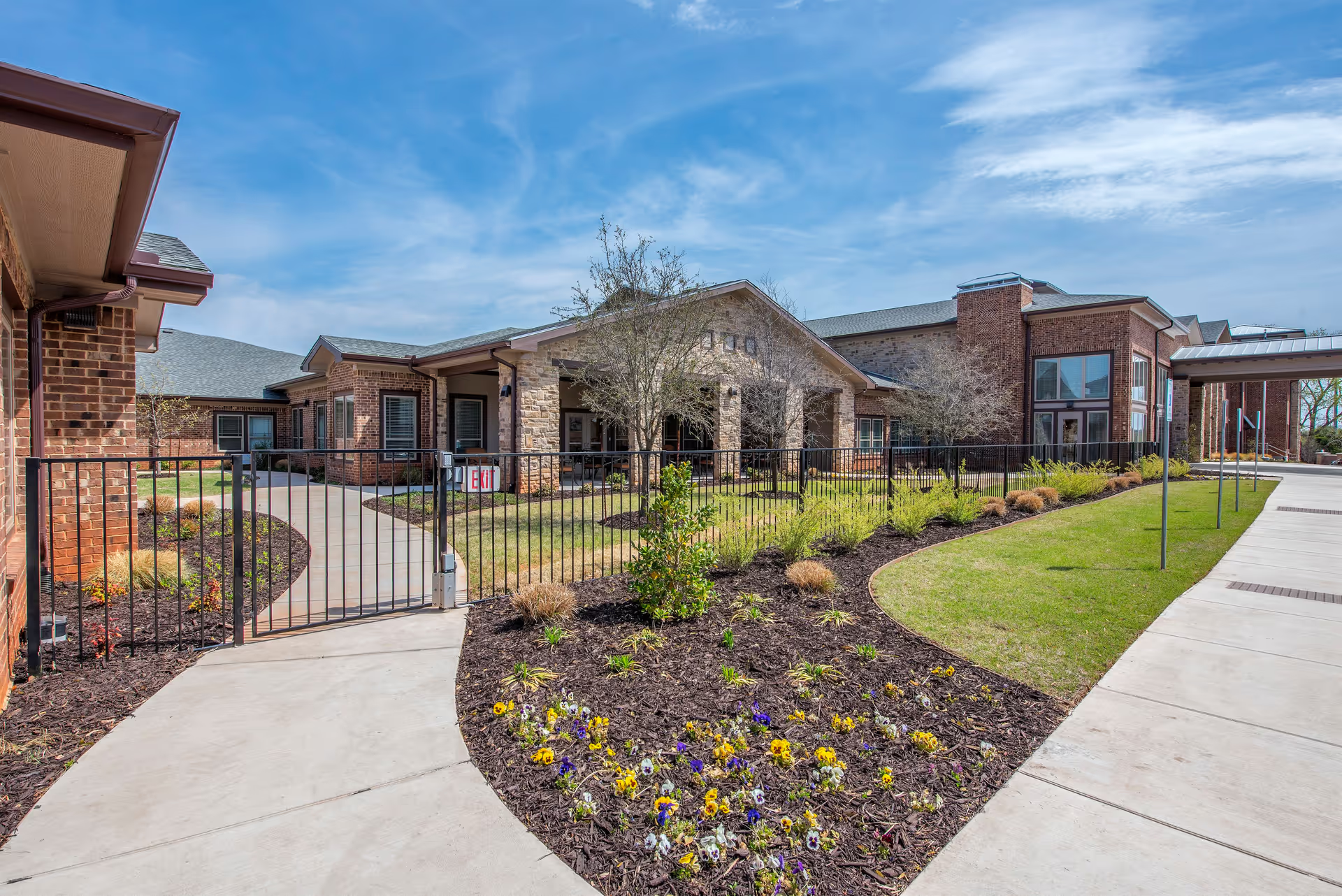
Reviews of The Commons present a mixed but detailed picture. Many families praise the physical plant and the on-site services: apartments are consistently described as well-appointed, comfortable, and purpose-built for assisted living, with convenient features such as in‑unit laundry, walk‑in showers, and ample storage. Common spaces, visiting areas, and the dining room are frequently noted as pleasant, and reviewers highlight a range of care settings on campus, including assisted living, memory care, cottages, and a nursing unit.
Clinical- and therapy-related offerings receive positive attention. On-site physical therapy and structured exercise programs are described as strong assets; reviewers indicate that therapy staff provide beneficial support and that scheduled exercise and activity programming are meaningful for residents. Several families also appreciate regular progress updates from clinical staff and the variety of activities available to residents.
At the same time, a clear pattern of operational inconsistency emerges. Staffing levels and staff responsiveness are described as variable, and some reviewers reported difficulties with customer-service interactions, long hold times, and unhelpful administrative responses. These staffing and communication variability issues are tied to concerns about clinical-care consistency and care coordination; reviewers described mistakes or delays in care that suggest gaps in processes or oversight.
Facility maintenance and sanitation are generally viewed positively for common areas, but some reviewers called out cleanliness issues and odor concerns in particular resident rooms or bathrooms. There are also serious procedural concerns raised by some families regarding medication handling and security; these indicate a need for clearer controls and transparency around medication-management practices.
Management and administrative practices are another area of divergence. Positive comments mention stocked supplies and professional therapy communications, while critical comments point to limited administrative responsiveness, unresponsive social-work interactions, and stress caused by frequent policy or environment changes. These mixed accounts suggest variability across shifts, units, or time periods rather than a uniformly consistent operational model.
For prospective residents and families: The Commons offers notable advantages in accommodations, therapy, dining, and social programming, which many families find appropriate for assisted living and memory-care needs. At the same time, it would be prudent to evaluate current staffing levels, medication-security procedures, cleanliness protocols, and communication practices during a visit. Ask for specifics about staffing ratios, medication-administration safeguards, sample activity and therapy schedules, and how the facility documents and communicates clinical updates to family members to ensure the facility’s strengths align with your expectations and care needs.