The reviews portray a facility with a mix of notable strengths and serious operational concerns. On the positive side, many accounts describe caring, attentive nursing staff and aides, an active social calendar, and a Memory Loss Unit with structured activities. Residents and families frequently mention well‑maintained, spacious rooms, private and semi‑private options, and a variety of recreational offerings — including crafts, cards, entertainers, and multiple activity rooms that allow parallel programming. Several families also described clear dietary communication and a range of meal choices.
Care and staffing impressions are mixed. Numerous reviewers praise individual staff members as knowledgeable, helpful, and engaged; others raised concerns about staff professionalism and demeanor. There are repeated notes about prompt responses to call lights in some situations, but countervailing reports describe slow response times that may reflect staffing challenges. A subset of reviewers expressed unease about residents' post‑acute outcomes after short stays, indicating variability in rehabilitation effectiveness and clinical oversight.
Dining and activities are generally strengths, with many families describing varied menus, regular diet updates, and an active events schedule. At the same time, there are contrasting impressions of food quality and meal experience — indicating inconsistency between shifts or units. Activities are a clear positive, supported by multiple dedicated rooms and a visible effort to engage residents socially.
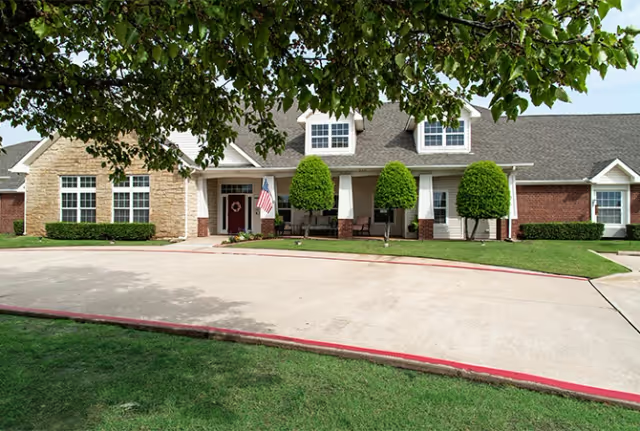
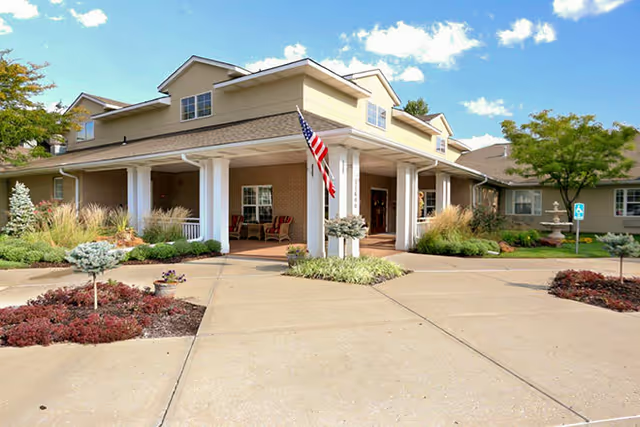
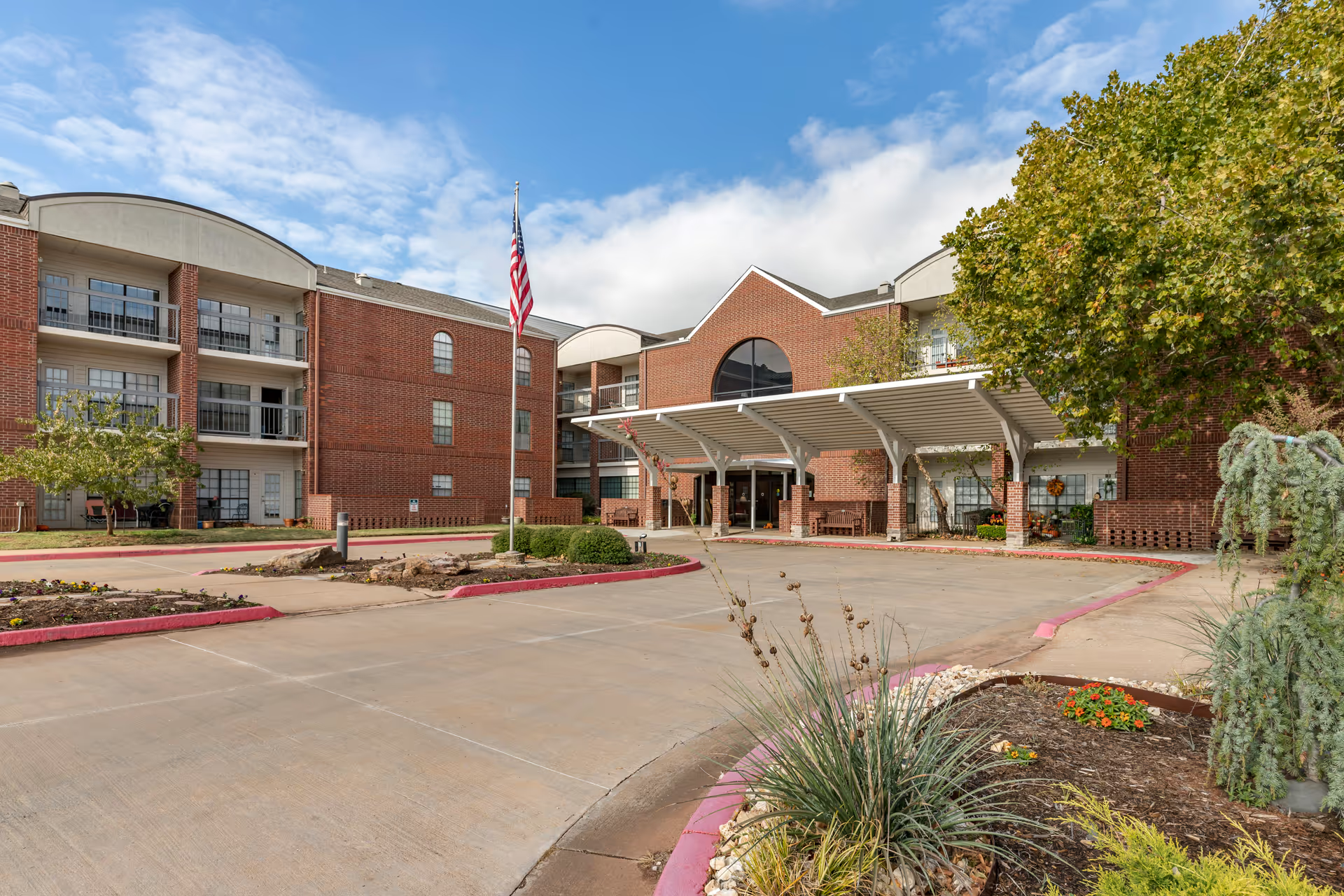
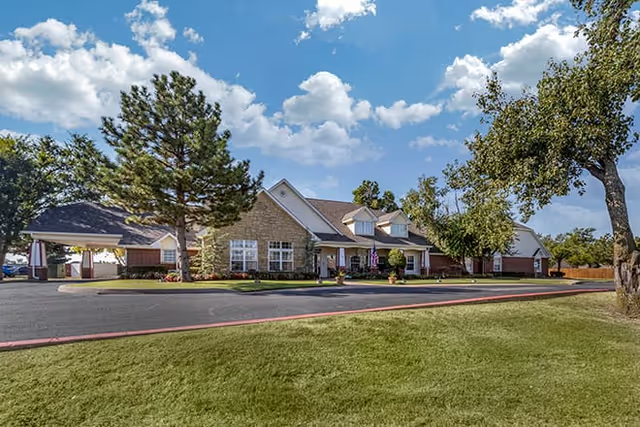
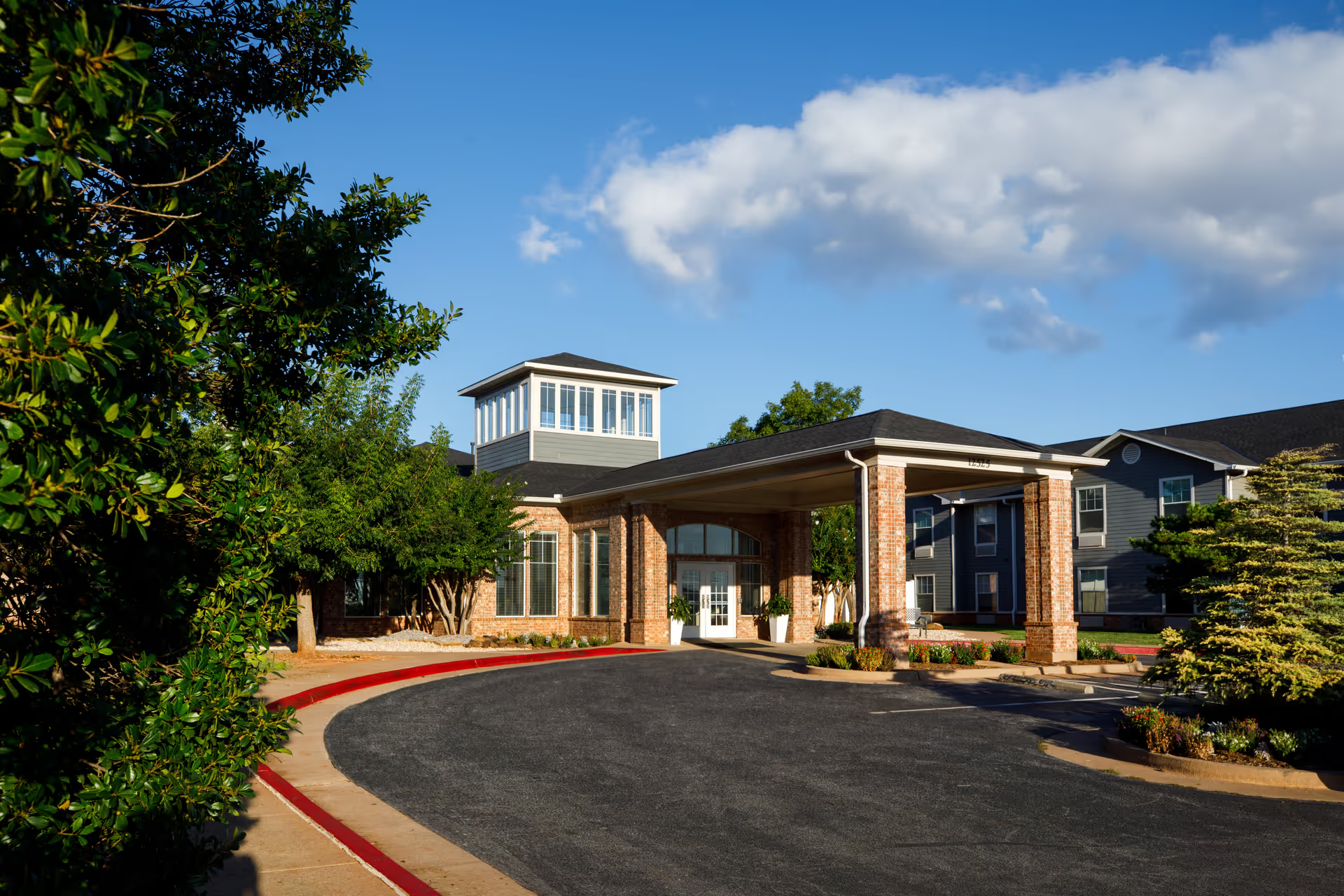
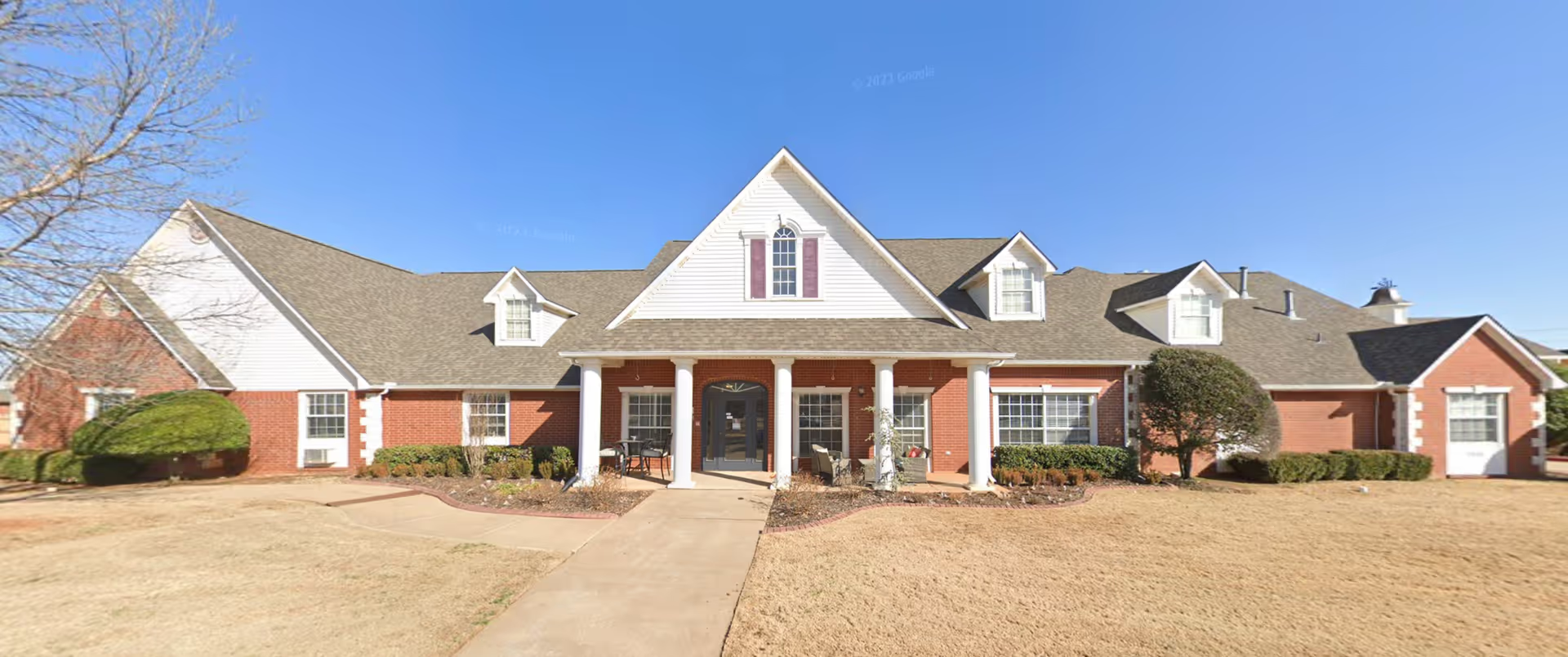
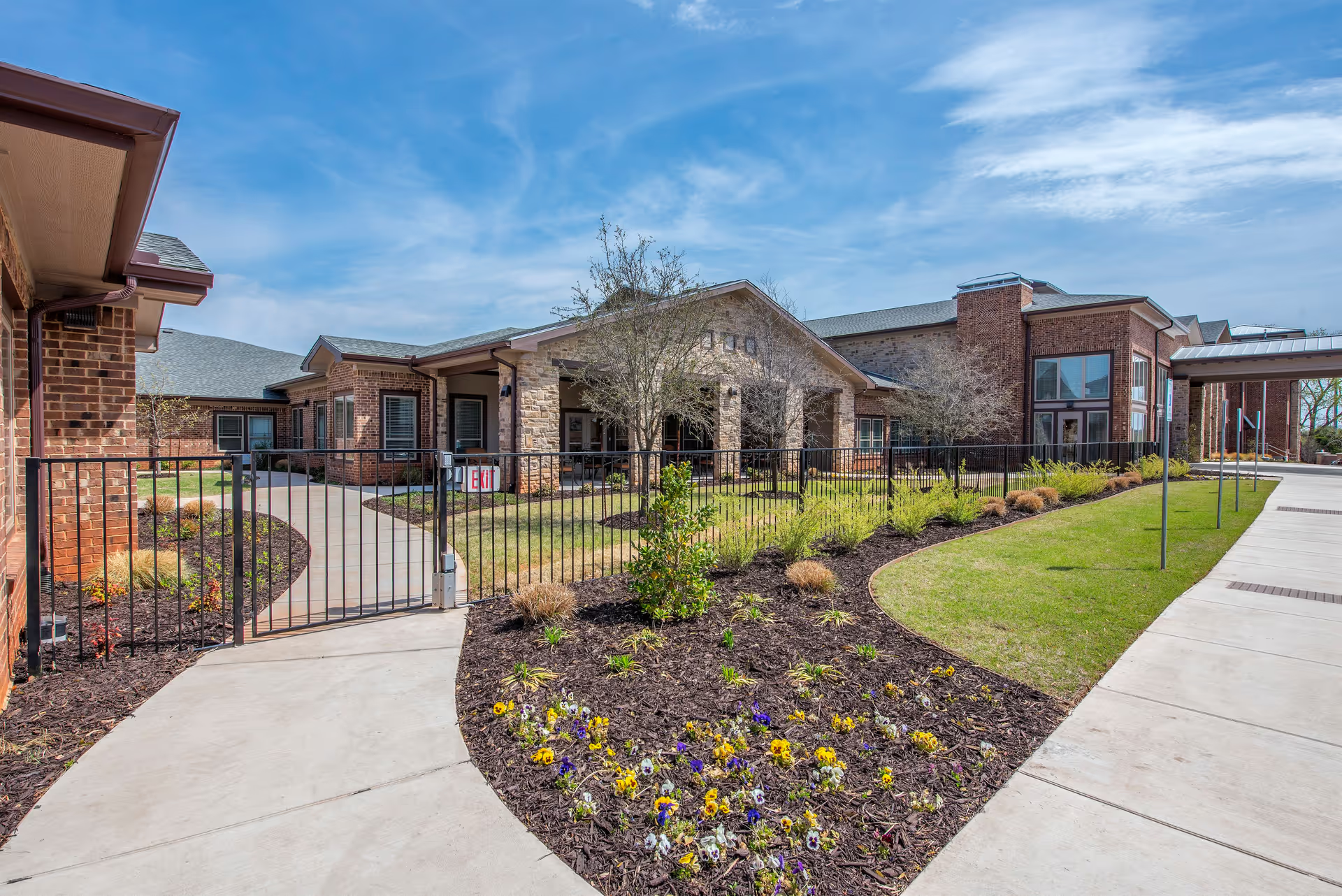
Facility features receive mostly favorable comments about cleanliness, room size, and communal spaces such as dining and TV rooms; however, some reviewers noted crowding in shared rooms and common areas and uneven sanitation between units. Management and communication are areas of concern: reviewers described poor telephone access, long hold times, rough call handling, terminated visits, and unresolved issues after outreach. These patterns suggest weaknesses in front‑line communication processes and family information‑sharing protocols.
Overall, the pattern is polarized: many families report high‑quality, compassionate care and strong social programming, while others describe operational gaps that affect safety perception, rehabilitation outcomes, and family trust. Prospective residents and families should consider asking the facility about staffing ratios, call‑handling procedures, therapy success metrics, medication‑monitoring practices, and unit‑level cleanliness standards to clarify how consistent these strengths are across the whole campus.