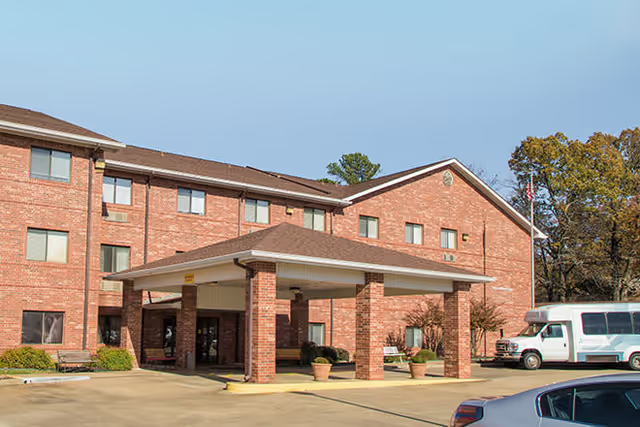
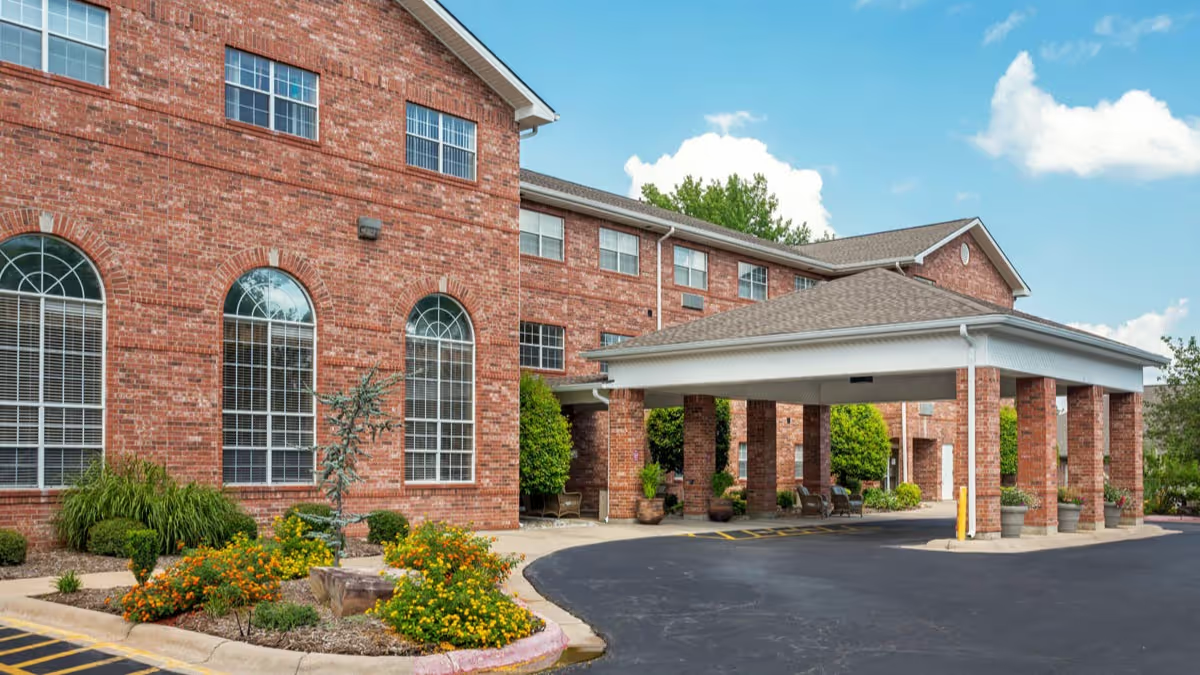
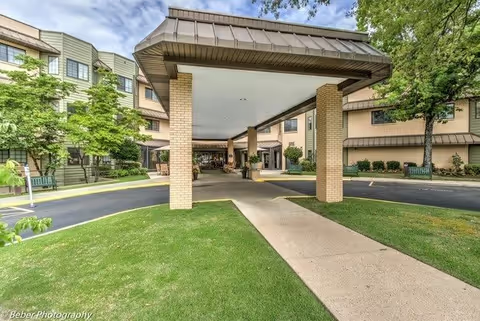
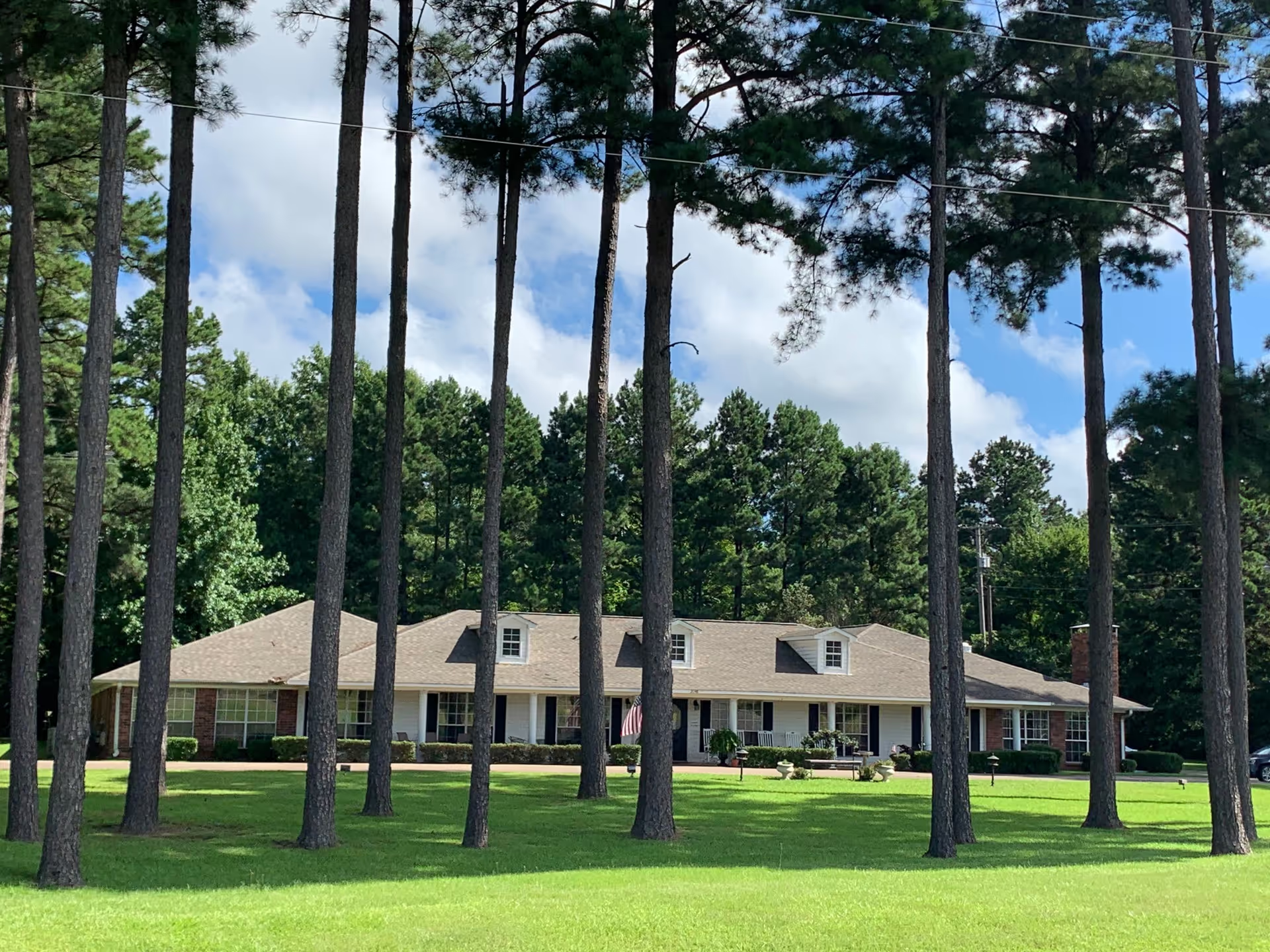
Heavener Nursing & Rehab elicits strongly mixed impressions. Several reviewers described a modern, well-kept physical environment: a newer building, clean interiors, bright dining areas and resident rooms equipped with standard amenities. Many families and former residents praised individual staff members as friendly, welcoming and caring; the facility is also described as secure, with some positive post-operative rehabilitation outcomes (notably knee-replacement rehab) and available recreational activities. Food quality and dining-room presentation were positive for a number of reviewers.
At the same time, a set of operational concerns recurs across reviews. Staffing consistency appears uneven: reviewers cited shortages, unclear caregiver assignments and turnover that can affect day-to-day responsiveness. Relatedly, several accounts describe limited accessibility of leadership and nursing management, creating communication gaps when families seek information about care issues or investigations. These communication gaps extend to incident follow-up and personal-property handling, where families reported limited or delayed information about ongoing inquiries.
Care-quality impressions vary. While some families described attentive, effective care and recommended the facility, others raised concerns about delays in attending to residents and about the interpersonal tone of certain staff members. There are also allegations of serious staff-conduct concerns; families described frustration with how those concerns were handled and the availability of information regarding any inquiries. Visitation and surrogate-decision policies were viewed by some as rigid, particularly around power-of-attorney interpretation, which affected family access and involvement in care decisions.
Dining and activities reflect similar variability: the facility’s dining areas and some meals were described as attractive and satisfactory, but other reviewers noted limited menu variety and repetitive meal offerings. The facility’s online presentation and marketing materials were perceived by several families as more favorable than their on-site experience, suggesting a discrepancy between expectations set by promotional materials and observed operations.
For prospective residents and families, the pattern suggests that on-site visits at multiple times of day and direct questions about current staffing ratios, management availability, visitation and POA policies, incident-investigation procedures, and recent turnover may be useful. The facility demonstrates clear strengths in physical environment and certain care episodes, but operational inconsistencies and communication challenges appear to be important factors to evaluate further when making placement decisions.