Reviews for this facility are polarized, with a distinct split between families who describe positive, rehabilitation-focused experiences and those who describe operational shortfalls that affected care continuity. Several families praised nursing staff, therapists, and administrators for compassionate interactions, proactive problem-solving, and successful rehab outcomes; others raised consistent concerns about delays, inconsistent practices, and facility-level management issues.
Care quality: Positive accounts emphasize attentive nursing, effective physical therapy, weight gain and functional improvement for some residents, and compassionate end-of-life support. Contrasting accounts describe delayed assistance for activities of daily living, inconsistent medication timing and monitoring (including concerns about giving medications without appropriate food or observation), and gaps in wound and pressure-area oversight. The pattern suggests variability in clinical oversight and monitoring rather than uniformly poor or uniformly excellent clinical care.
Staff: Staff interactions are described both as a major strength and a recurring vulnerability. Many reviewers singled out individual nurses, aides, therapists, and program staff as compassionate and skilled; others noted chronic short-staffing, high turnover, caregiver burnout, and inattentive behavior at certain shifts (particularly nights and weekends). This inconsistency appears to drive much of the variability in resident experience: when core staff are present and engaged, outcomes and family satisfaction were generally positive; when staffing gaps occurred, families reported slower response times and lapses in basic care.
Dining and nutrition: Feedback on dining is mixed. Some residents and families appreciate the meals and social dining opportunities, while others report inconsistent meal quality, problems with diabetic meal timing, and meal-service interruptions that led to prolonged fasting. These concerns point to weaknesses in meal-service continuity and in coordinating nutrition-sensitive medication schedules.
Activities and social programming: The facility offers a range of activities and family-oriented events that several families found meaningful; staff have provided photo updates and efforts to engage residents. However, multiple accounts note uneven access—residents who are less mobile or excluded by scheduling sometimes miss programs, and restrictive policies during infection-control periods were described as limiting participation.
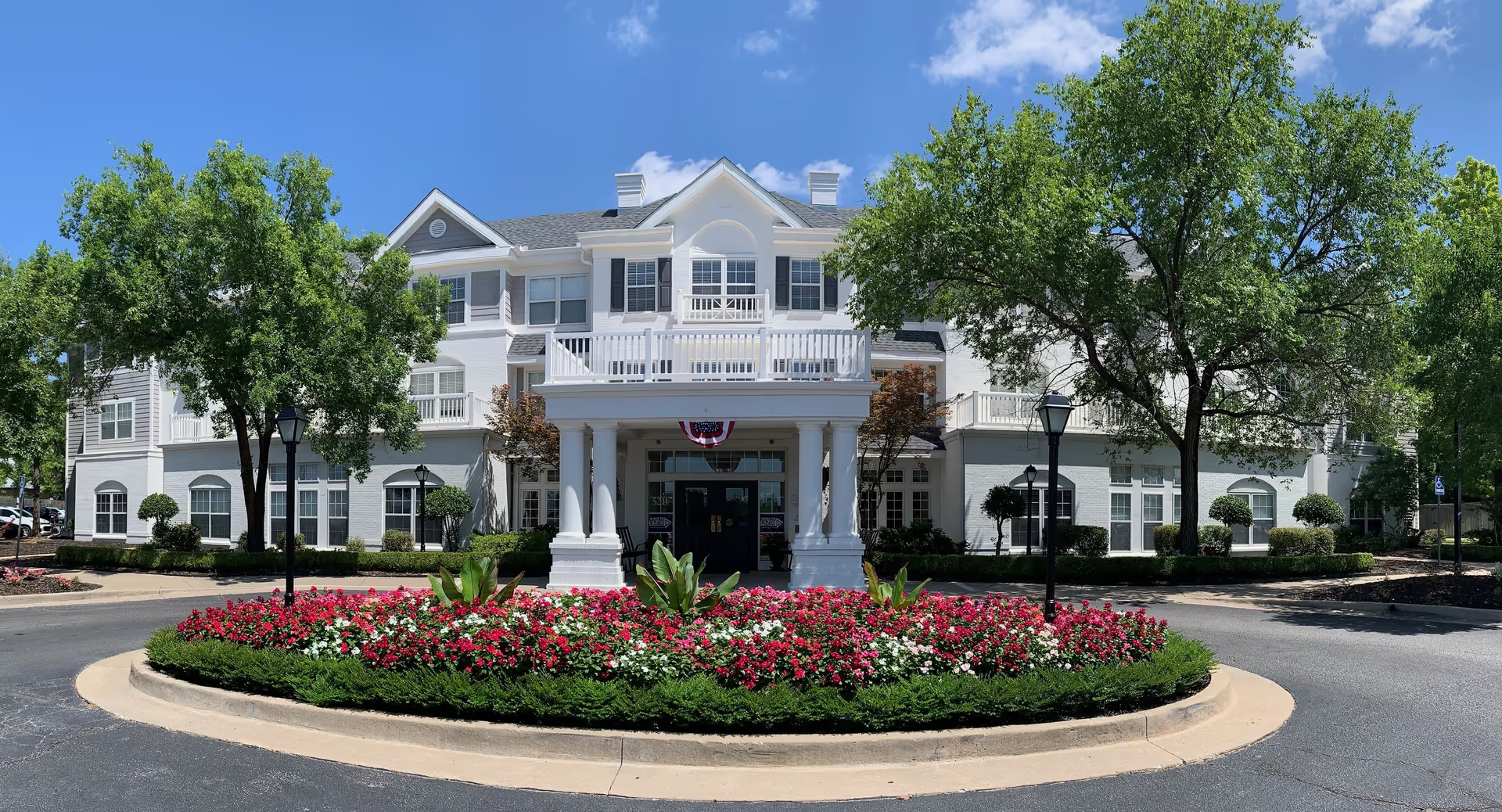
Facilities and sanitation: Observations range from clean, bright communal areas to outdated rooms and accessibility limitations. Several reviewers flagged sanitation concerns, cluttered hallways, and maintenance issues, while others reported promptly addressed housekeeping when issues were brought to staff attention. Physical plant concerns (older rooms, accessibility for toileting and transfers, mattress and equipment condition) emerged as an operational theme.
Management and communication: Administrative responsiveness is another area of divergence. Some families praised an involved administrator and helpful admissions/case-management support, including assistance with Medicaid. Other families described poor communication, delayed case-management follow-up, discharge or transfer coordination problems, and what they perceived as an operational focus on billing or length of stay rather than individualized care planning. There are also isolated allegations raising significant concern, including issues related to privacy and informed-consent processes; these should prompt prospective families to ask specific questions during a tour.
Notable patterns and takeaways: The prevailing pattern is variability: strong pockets of clinical and social support exist alongside recurring operational weaknesses most commonly tied to staffing consistency, timely responsiveness, medication and nutrition coordination, and facility upkeep. Prospective residents and families would benefit from in-person assessments focused on current staffing levels per shift, protocols for call-light response, medication timing (especially for diabetes), wound and pressure-area monitoring, activity inclusion for less-mobile residents, and recent infection-control practices. A direct conversation with administration about turnover, staff training, and specific examples of care-plan meetings may clarify whether the facility's strengths align with an individual resident's needs.