Reviewers present a strongly mixed picture of care at this facility. Many families and observers praise the staff, cleanliness, and overall atmosphere: descriptions include a homelike, well-kept interior, an engaged activities program, and clinical improvements attributed to skilled nursing. Several accounts emphasize attentive, respectful caregivers, accessible management, and food and dining experiences described positively. These elements contribute to strong recommendations from numerous families and a perception of effective clinical oversight and compassionate day-to-day care for many residents.
At the same time, a subset of reviews describes operational and clinical inconsistencies that materially affect some residents' experiences. Concerns cluster around medication-management inconsistencies and questions about end-of-life medication handling; delays in attending to personal-care needs (characterized here as incontinence-care delays and hygiene inconsistencies); and uneven delivery of rehabilitation services. These point to variability in clinical processes and follow-through rather than uniform performance across the facility.
Staffing and communication show similar polarization. Many reviewers highlight staff who are resourceful, kind, and responsive, and note supportive administrative leadership. Conversely, others describe inconsistent staff conduct, restricted or unclear family communication, and episodic rudeness. There are also serious operational concerns raised about resident financial/property security and discrepancies in documentation and communication with oversight bodies, which warrant direct inquiry by prospective families.
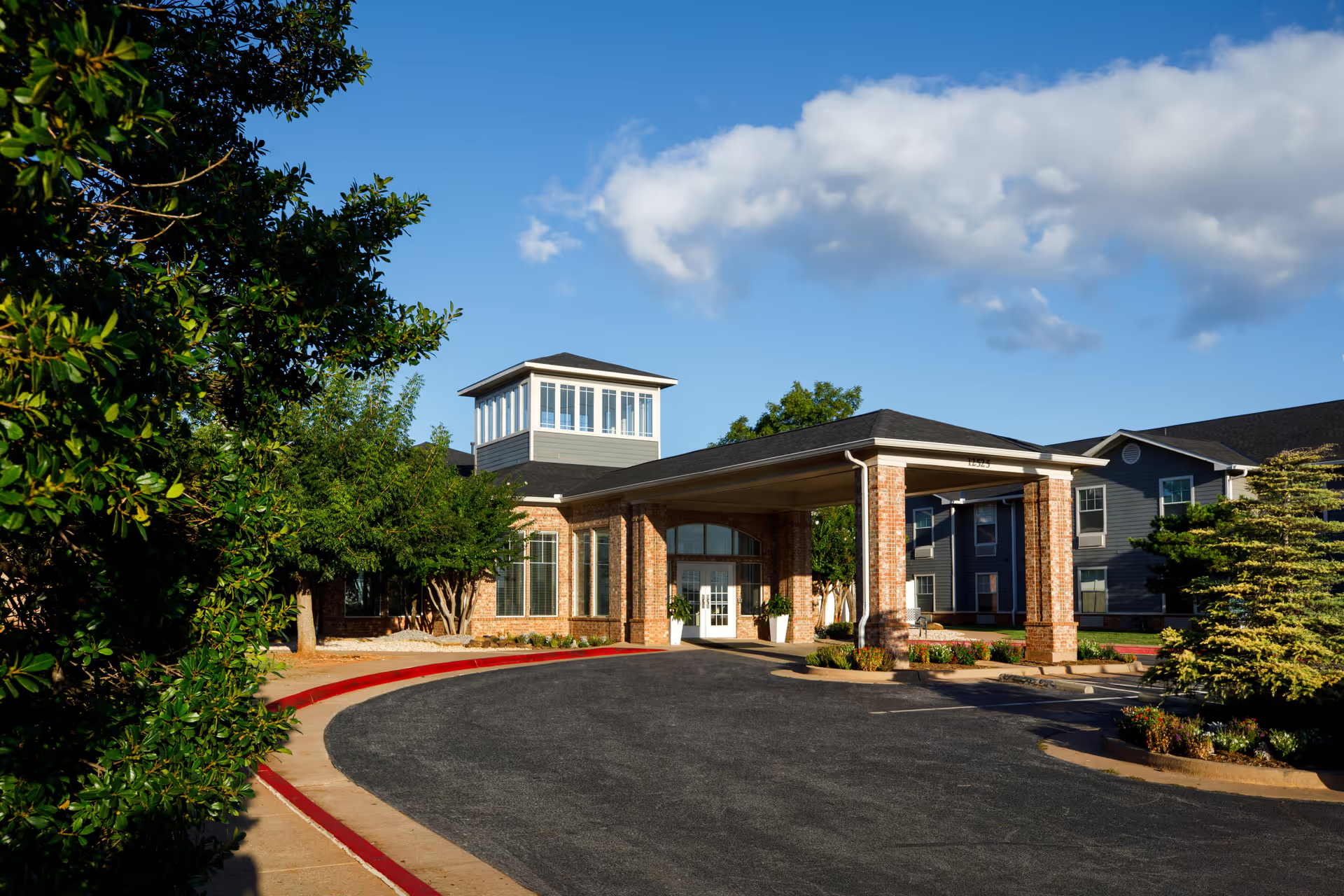
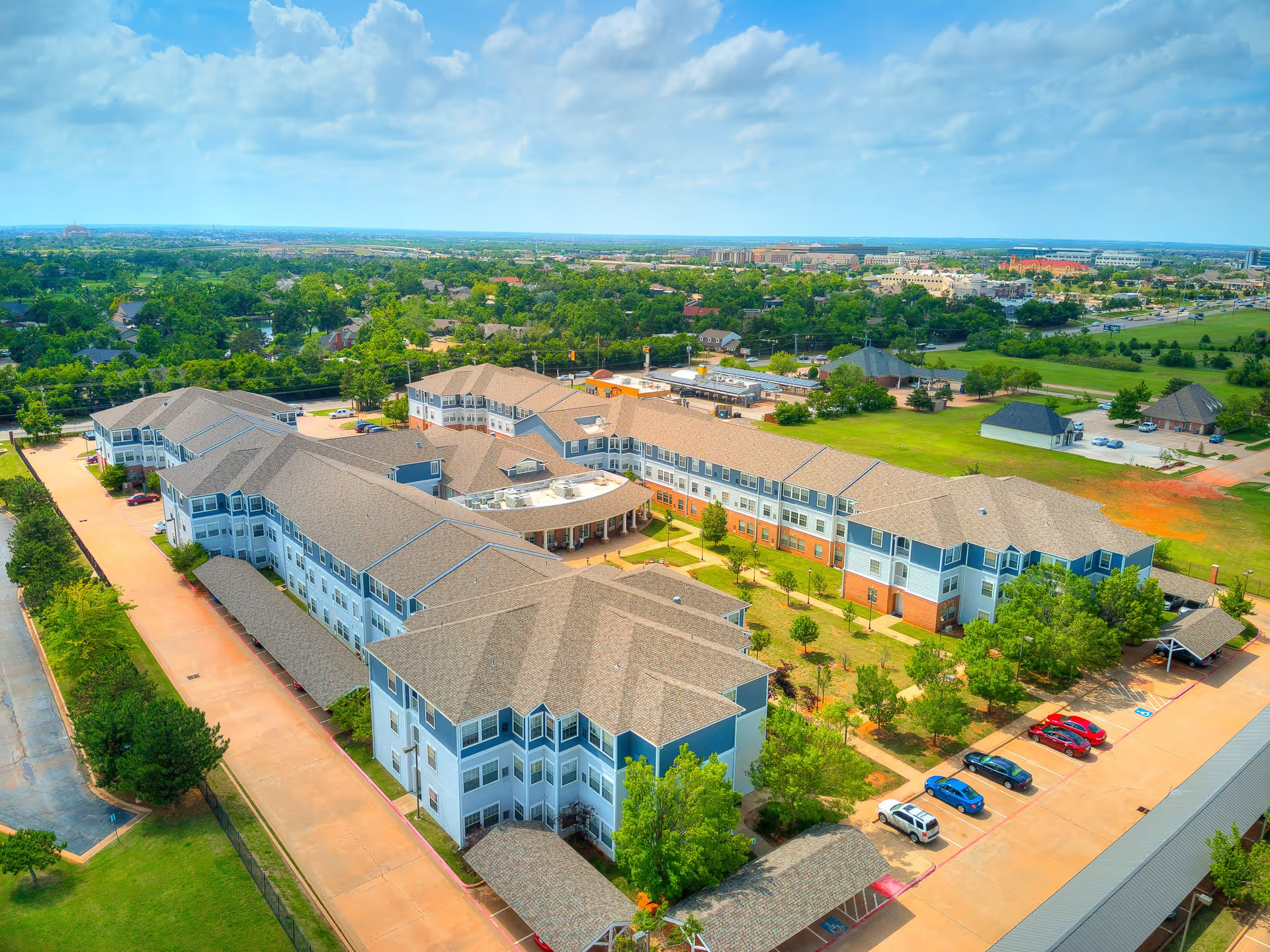
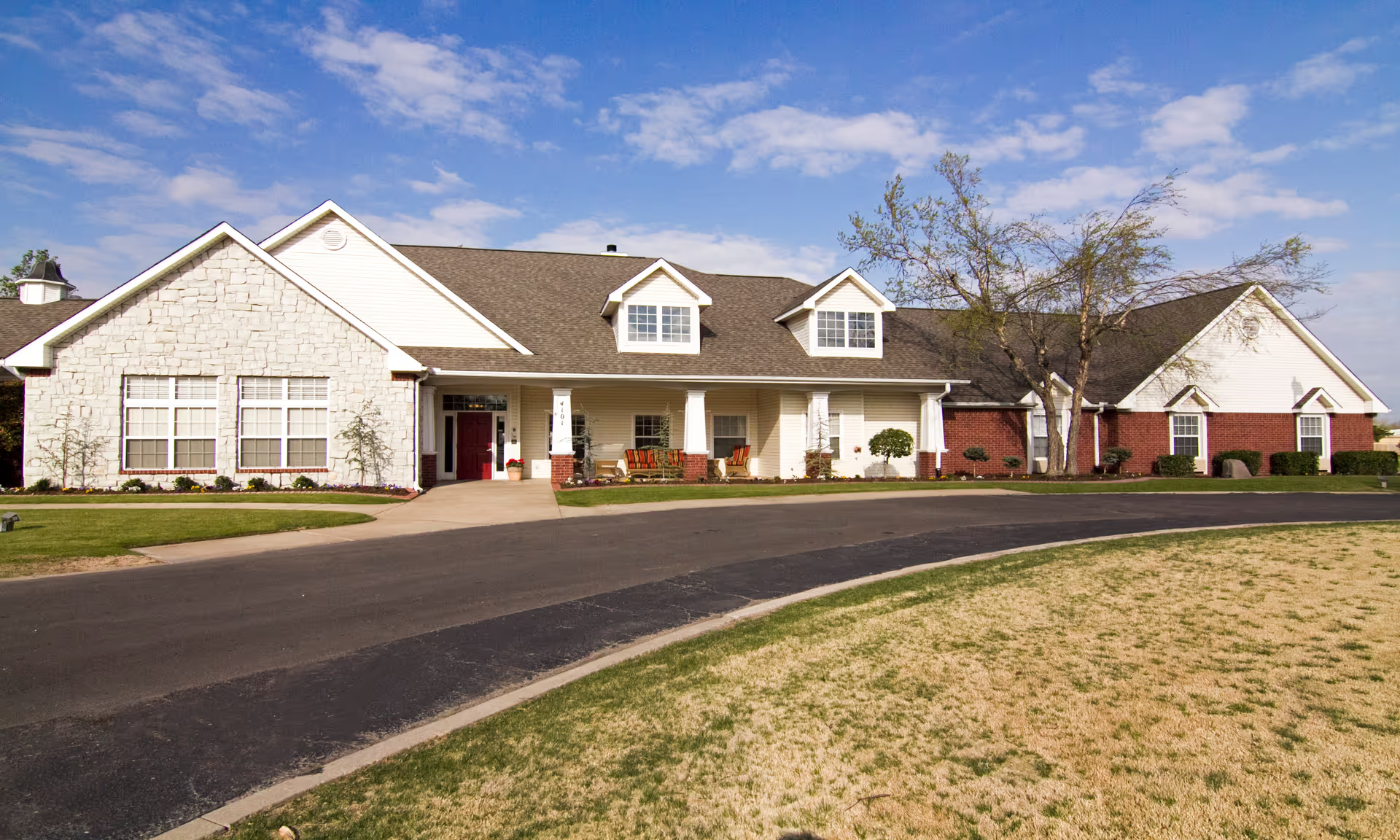
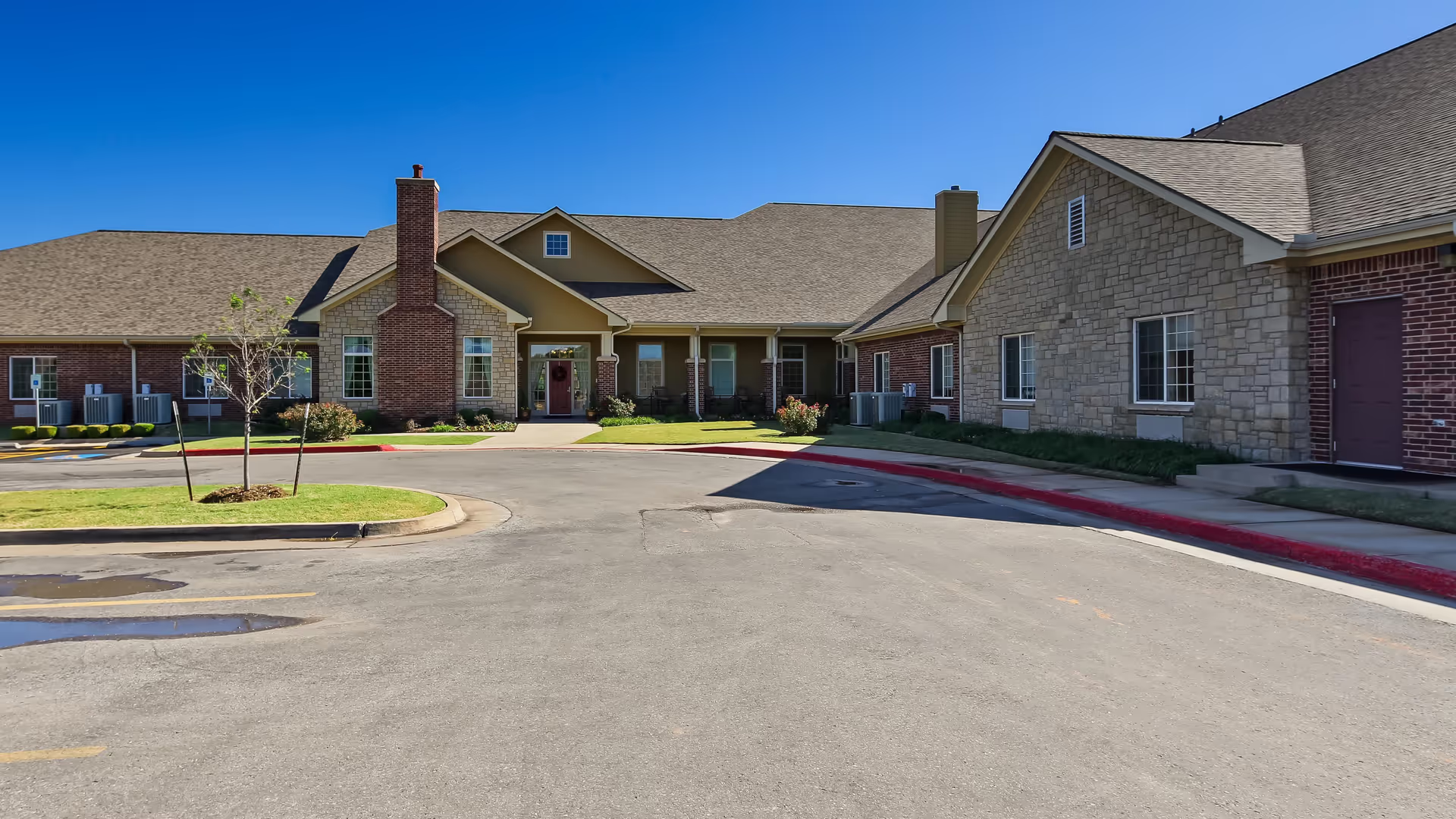
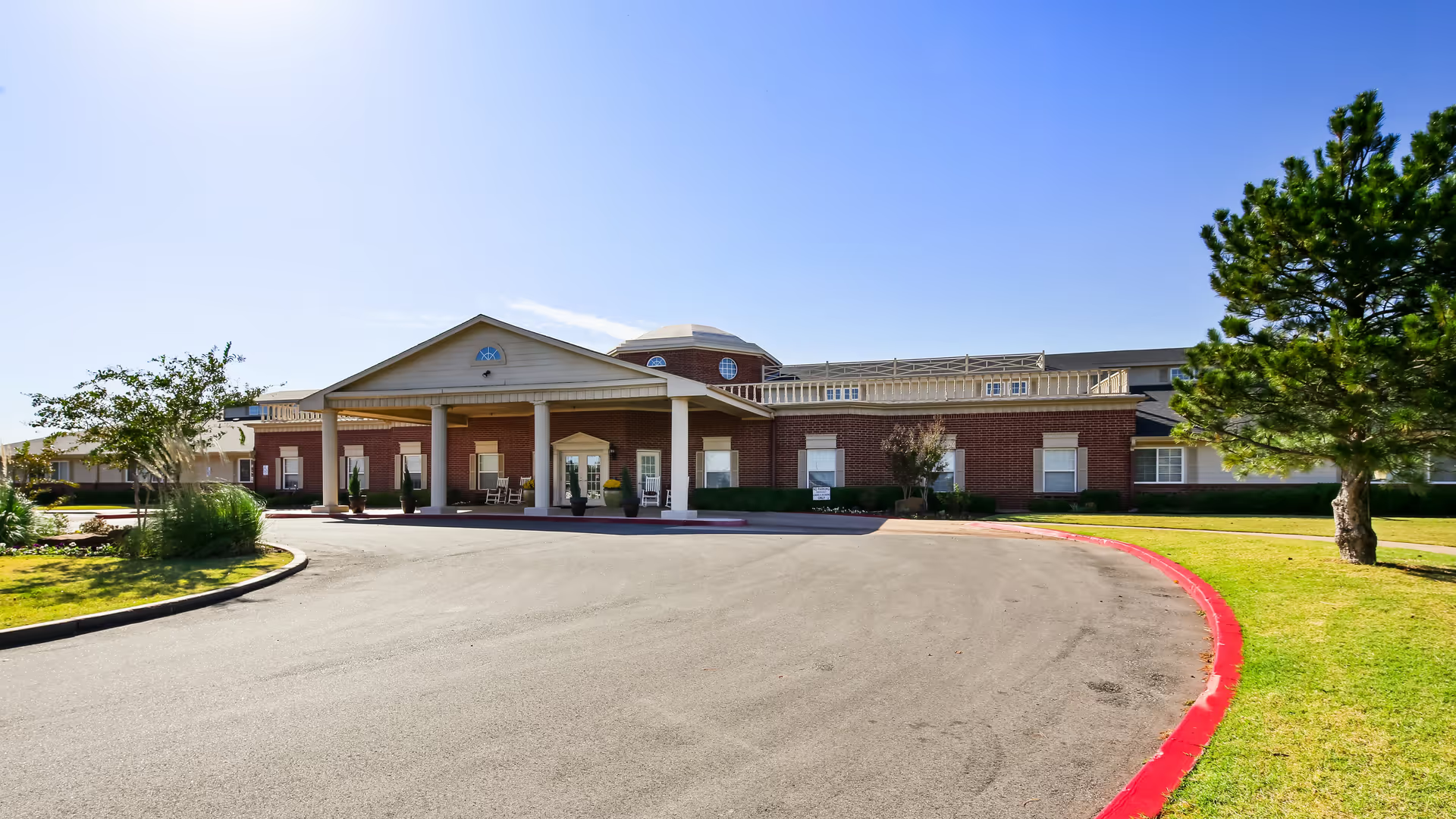
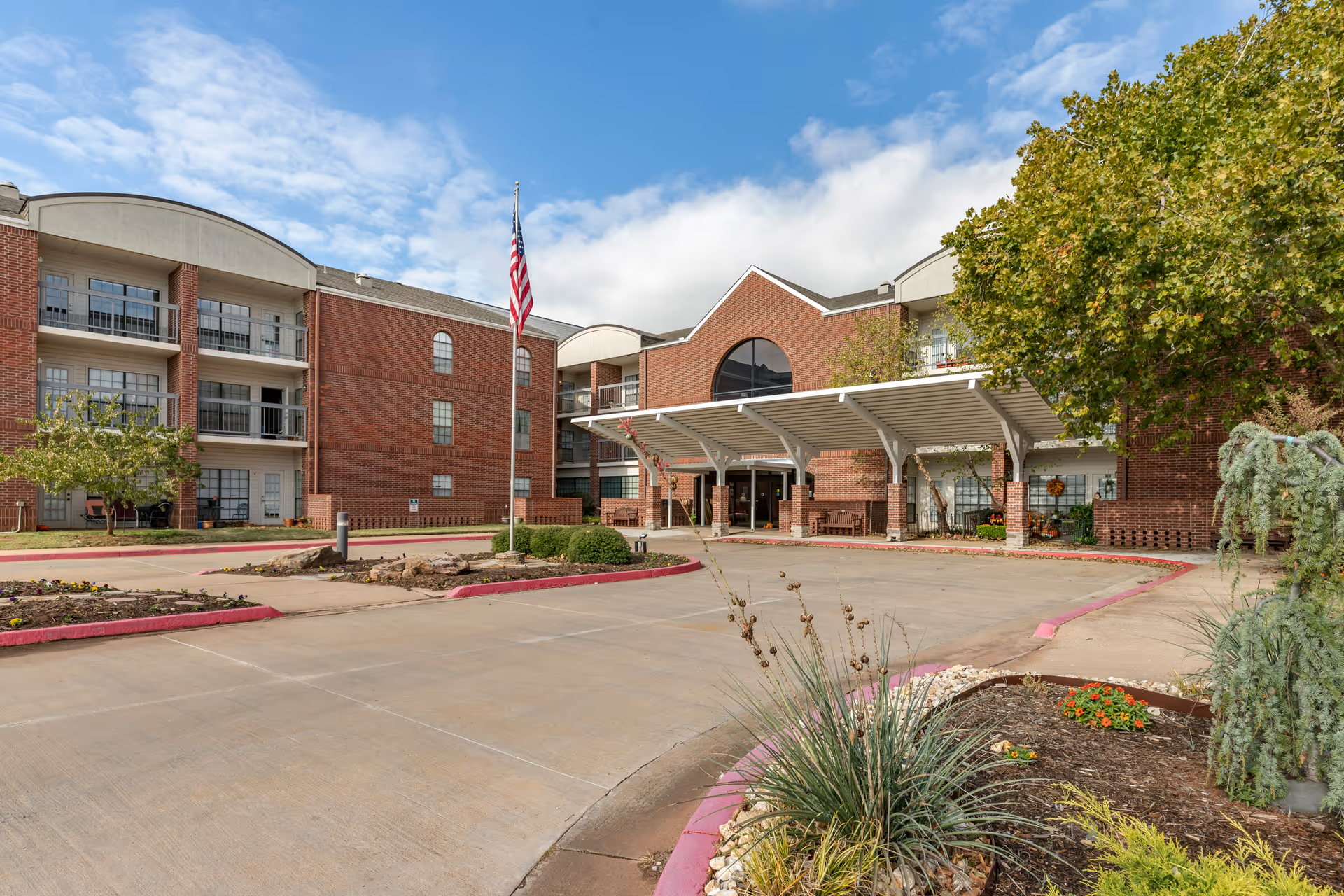
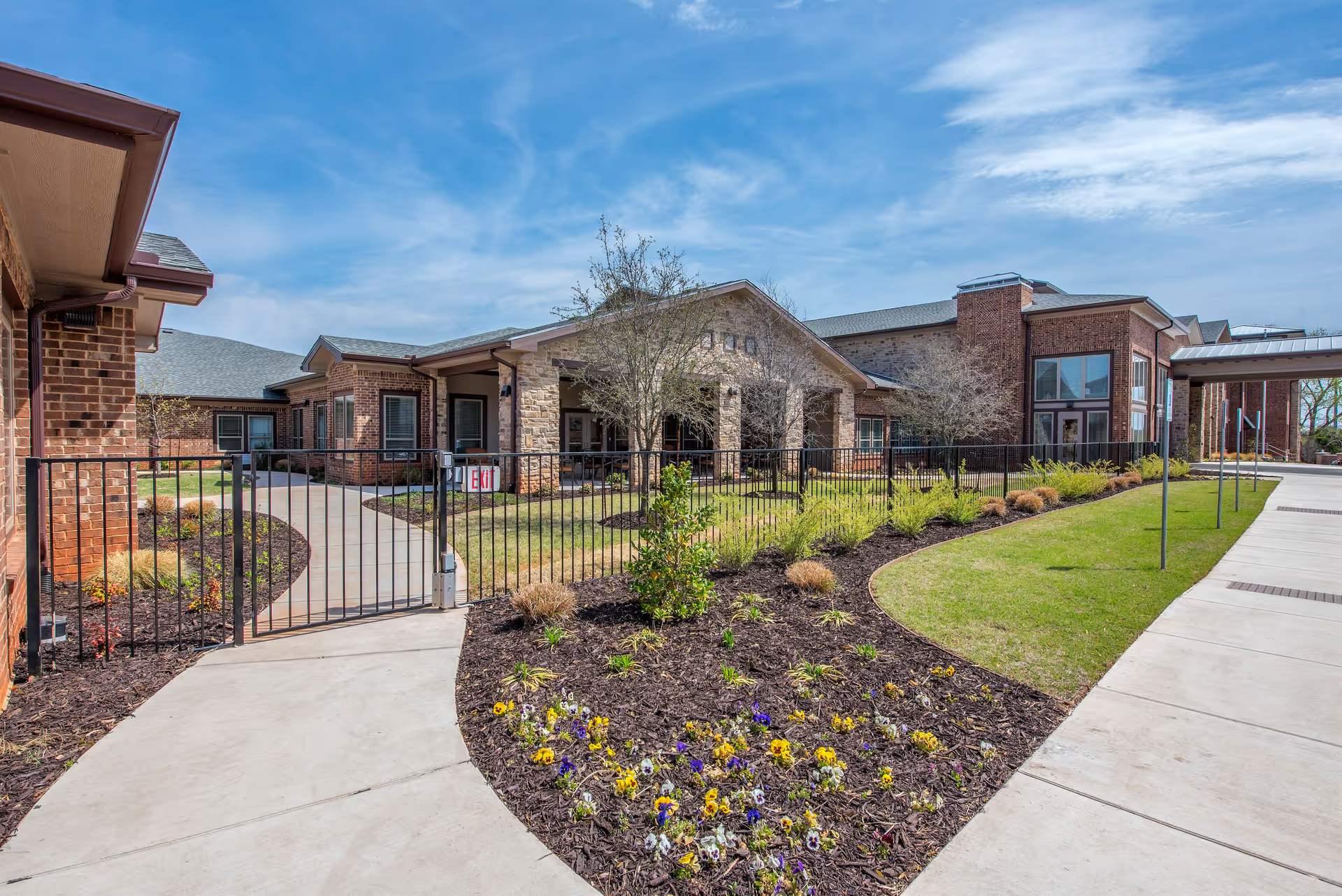
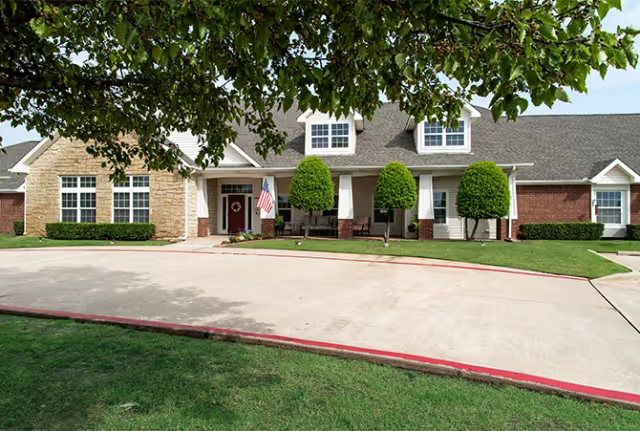
Facility-level amenities and operations present mostly positive impressions: the building is frequently described as clean and well maintained, with an activities director and programs that families find meaningful. However, a limited number of accounts reference odor concerns in specific common areas and variability in day-to-day sanitation attention, which should be checked during a visit.
For prospective residents and families: the facility demonstrates clear strengths in person-centered culture, engaged caregiving, and areas of clinical competence. At the same time, variability in medication oversight, responsiveness to personal-care needs, property-security controls, rehabilitation follow-through, and family communication are recurring themes. When evaluating this facility, consider an in-person tour, ask about medication-administration protocols, property-security procedures, staffing ratios/shift consistency, incontinence and personal-care routines, rehabilitation plans, and how the facility documents and communicates incidents to families and regulators. These targeted questions can help determine whether the facility’s strengths align with a prospective resident’s priorities and mitigate the areas of operational risk noted in reviews.