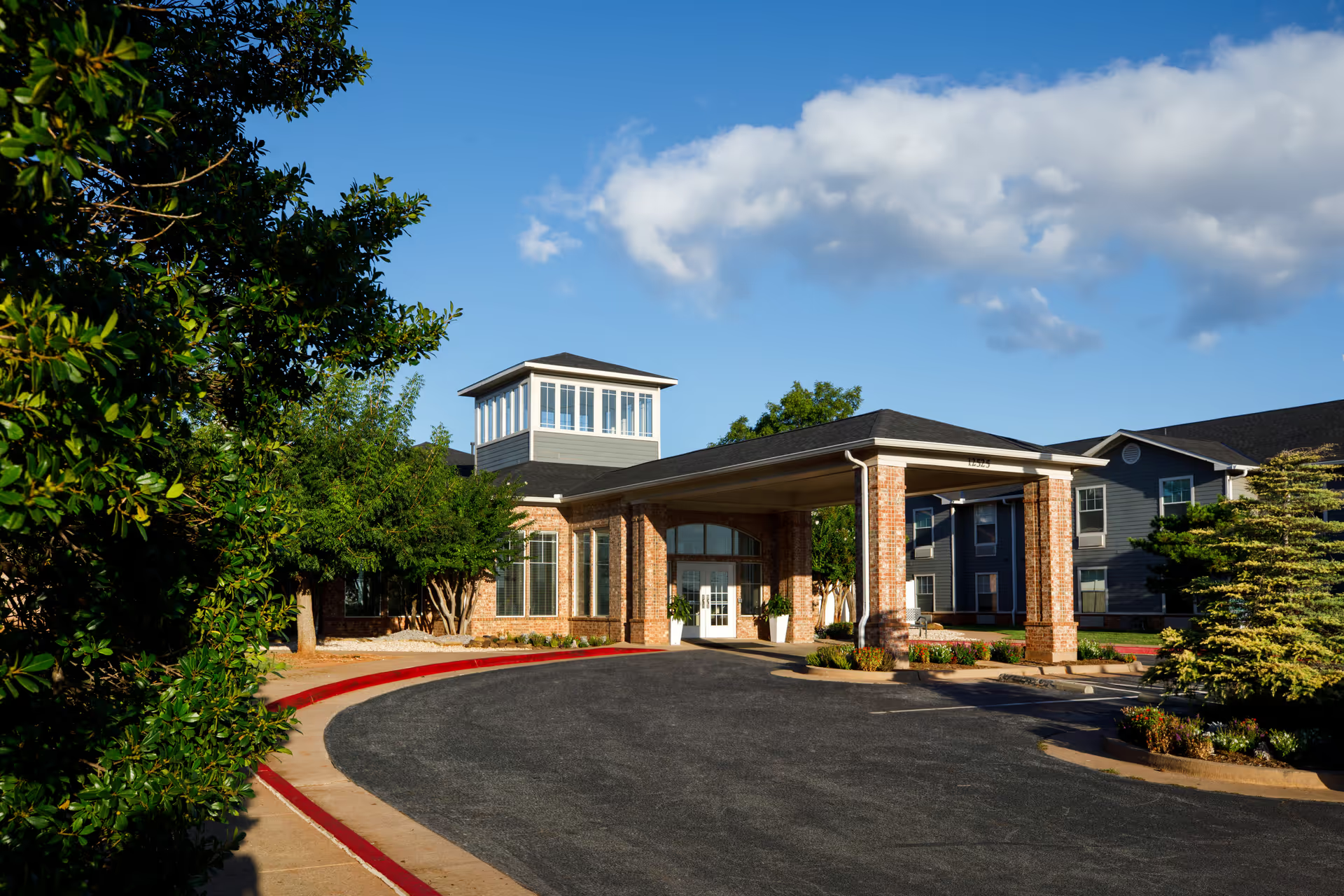
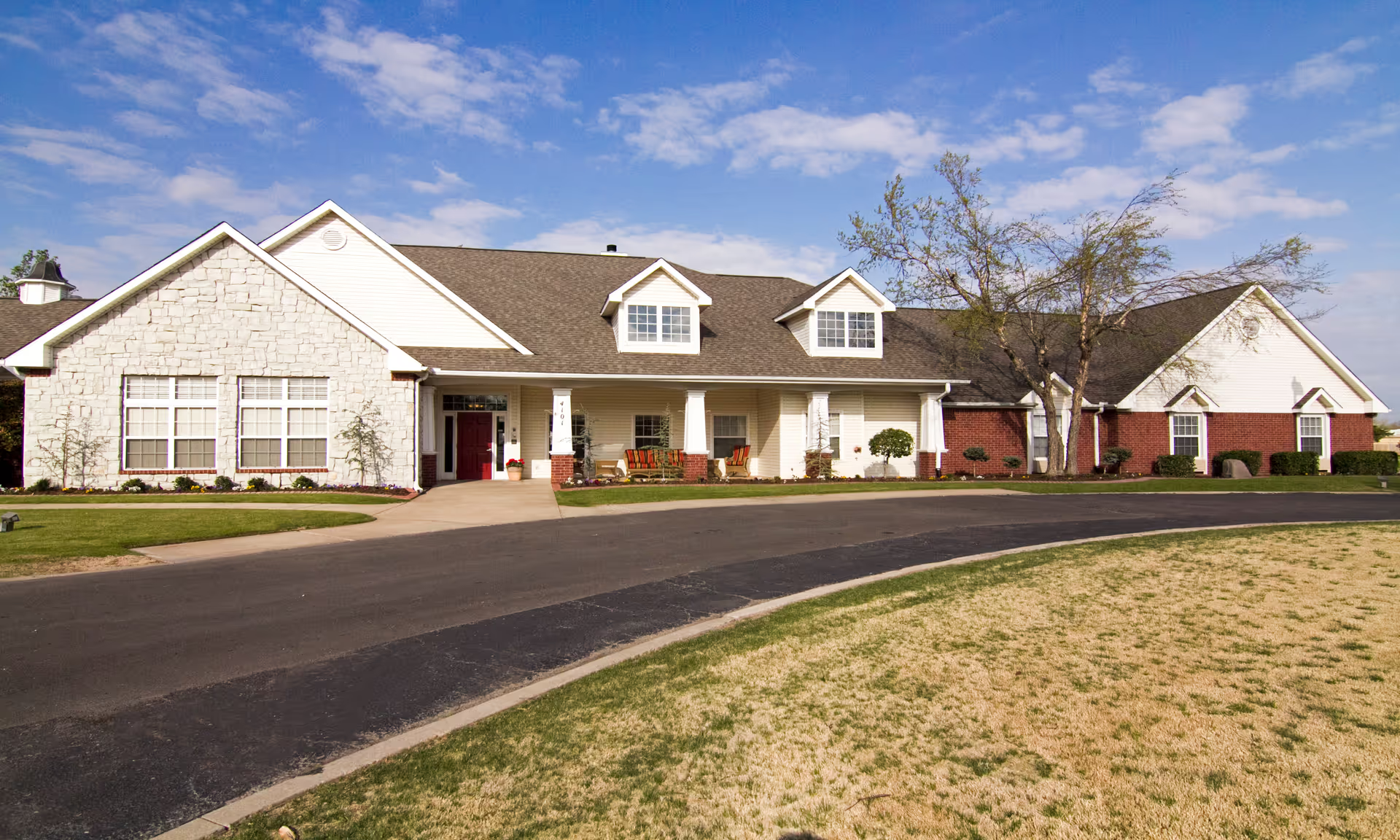
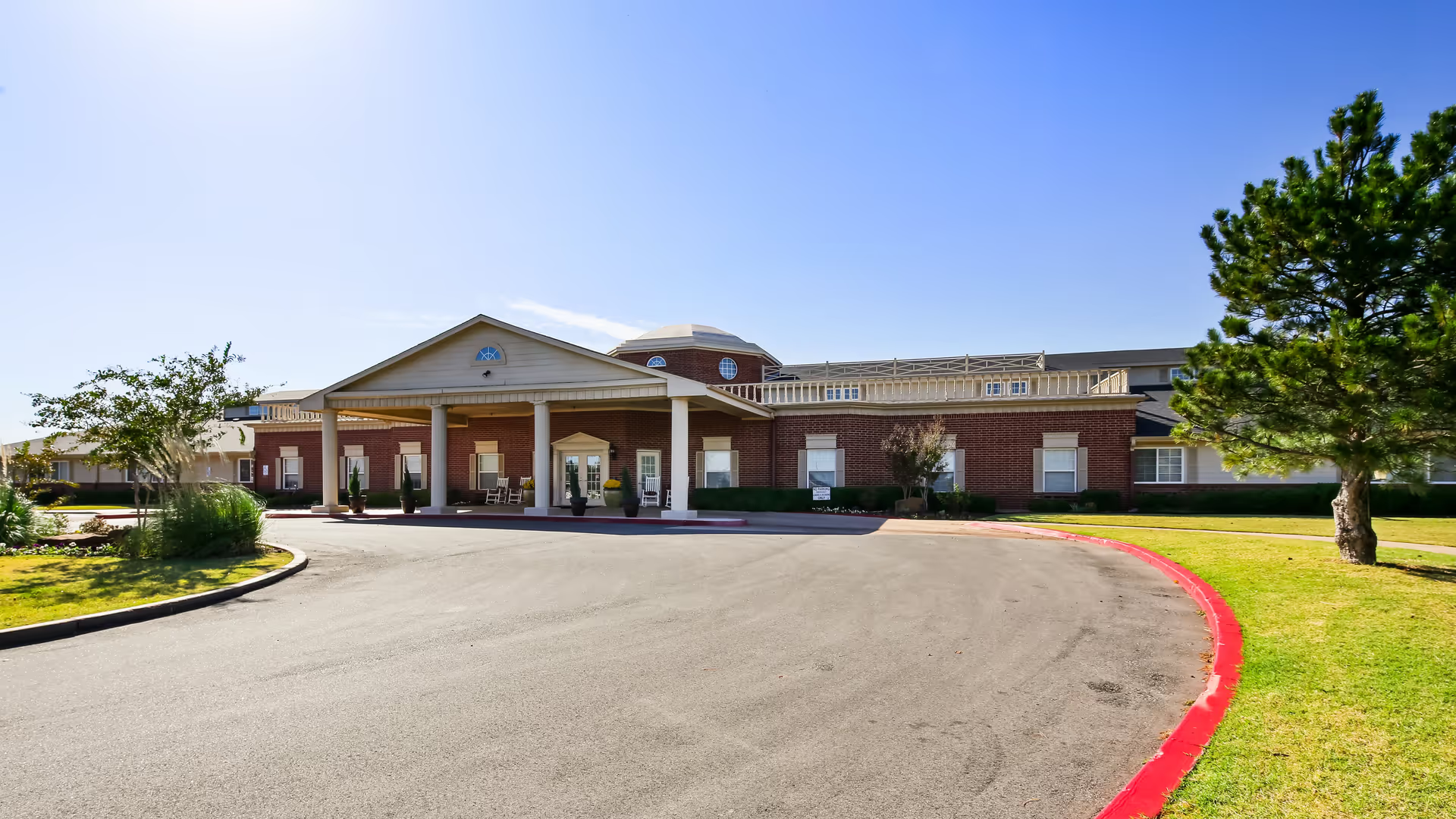
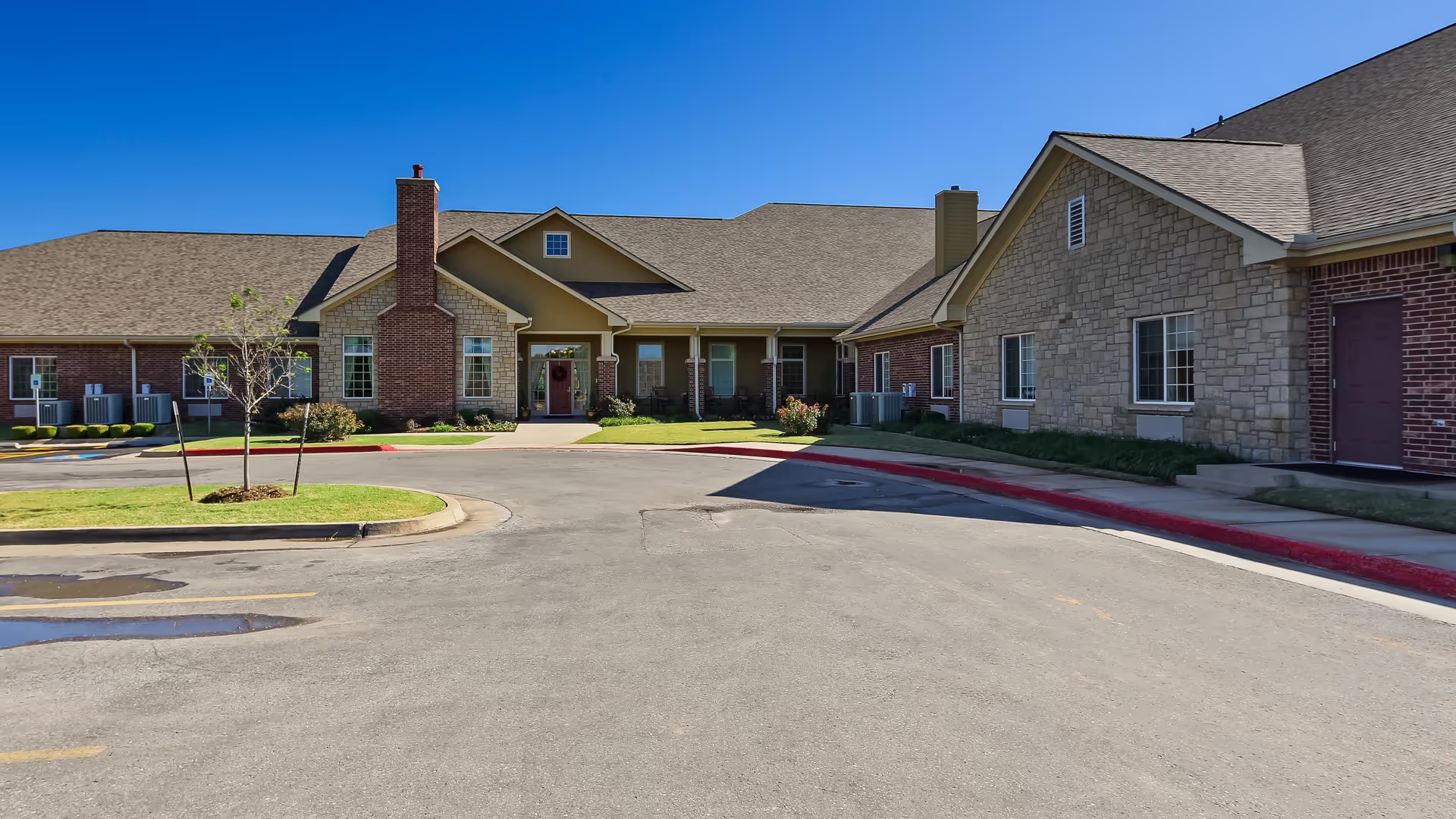
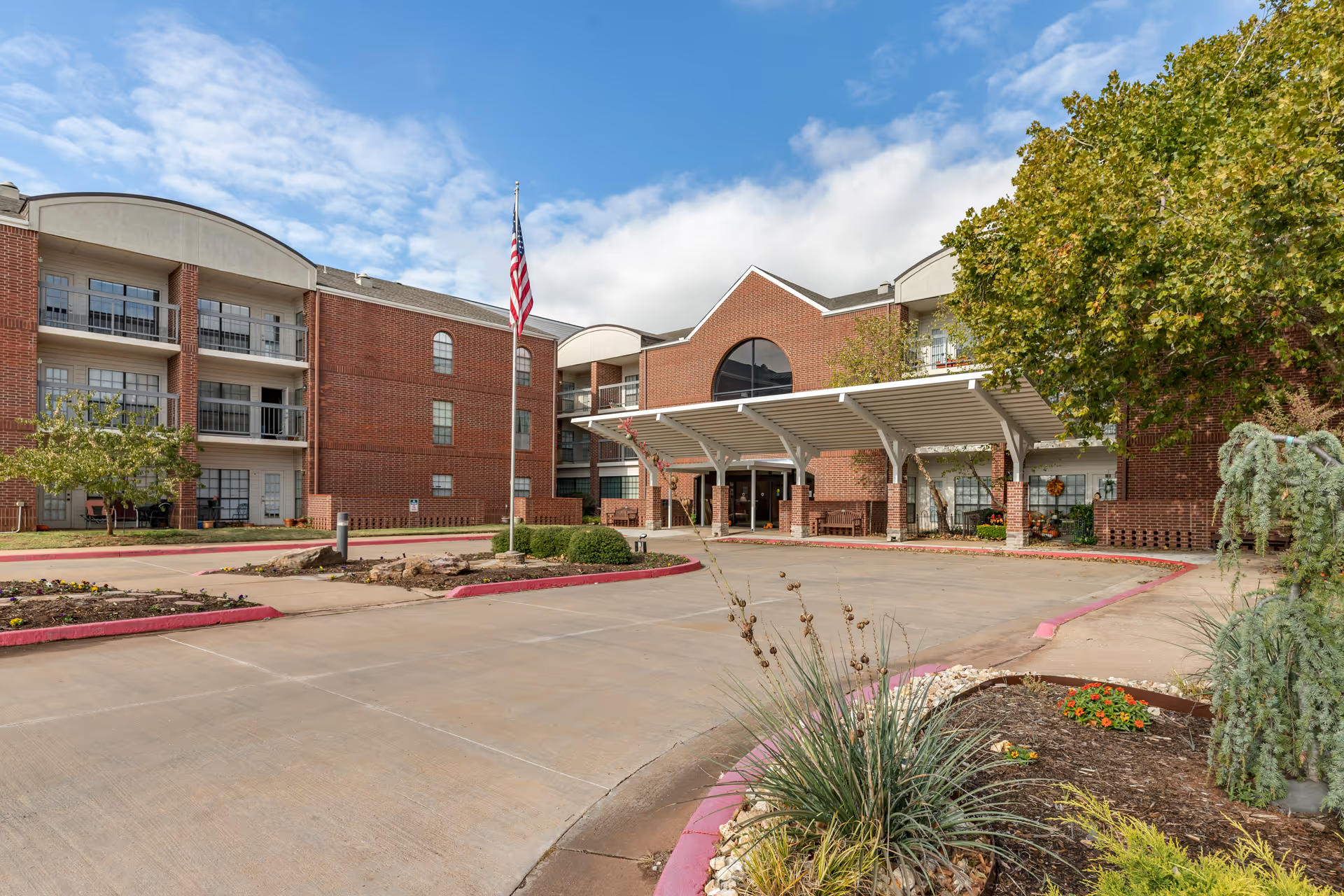
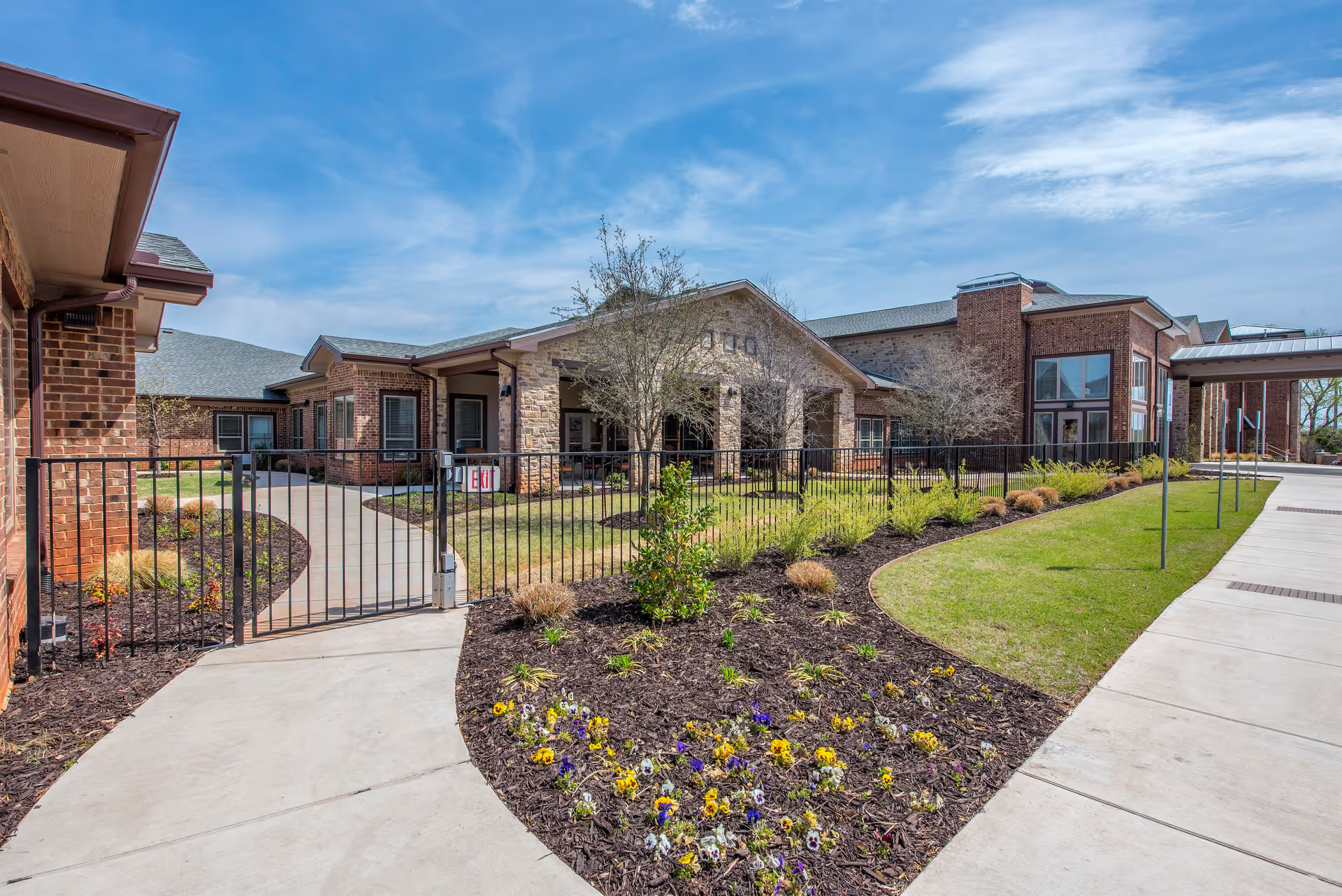
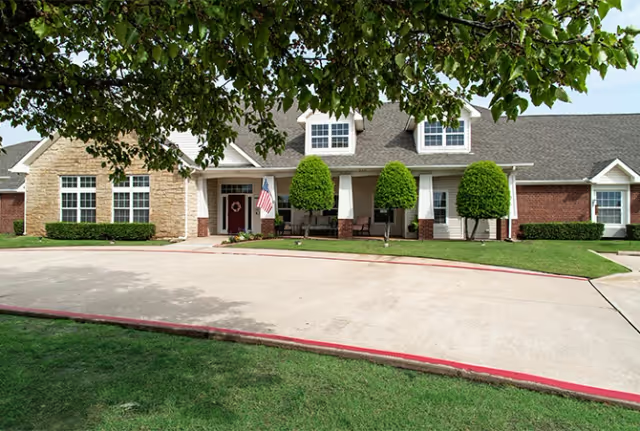
The Mansion at Waterford presents a mixed but instructive profile for prospective residents and families. Strengths repeatedly cited include warm, compassionate caregiving staff and engaged nursing leadership, a restaurant-style dining program with multiple menu choices, and an active calendar of social and recreational programming. The property itself is often described as attractive: landscaped grounds, sizable common areas, and a variety of apartment configurations with in-unit safety features (walk-in showers, handrails, wide doorways) support independent living and social engagement. Amenities such as an on-site salon, transportation for outings, and a memory-care unit are additional positives noted by families.
Care quality appears to be uneven across reviews. Many families praise individualized attention, timely nursing involvement, and collaborative care-plan meetings that produced measurable improvement for some residents. At the same time, a pattern of operational weaknesses emerges: inconsistent staffing levels, especially on weekends and nights, and delayed responses to call lights and bathing assistance have been described. Several reviews also describe medication-administration or pharmacy coordination problems; while some accounts indicate these issues were corrected after management involvement, the existence of such lapses points to variability in clinical processes.
Dining and food-service strengths coexist with complaints. The dining program is commonly praised for variety, generous portions, and flexible mealtime options (including takeout and family dining). However, there are recurring comments about inconsistent meal temperature and occasional poor meal quality, along with missing nutrition labeling and limited accommodations for specialized diets. Housekeeping and sanitation practices are another area of divergence: common areas are often well kept, but intermittent housekeeping lapses, sanitation concerns in resident rooms or corridors, and odor concerns have been described.
Management and administrative patterns are similarly mixed. Several reviewers commend responsive leadership, quick maintenance response, transparent fee information, and staff who foster a family atmosphere. Conversely, others report administrative communication problems, contract/fee disputes (including deposit and rent-change issues), and the effects of management turnover. Renovations and remodeling have been ongoing; while some units are noted as newly updated, construction activity has produced disruption and aesthetic inconsistencies, and some parts of the building are described as dated or dimly lit.
A few reviews raise serious individual concerns—delays in clinical-incident response, inadequate documentation or follow-up after falls, allegations of discriminatory conduct, and pest-control concerns. These accounts appear alongside many positive experiences, which produces a polarized overall picture: excellent care and programming for some residents, and operational or consistency problems for others. Prospective families should weigh the facility's strong points (amenities, dining, activities, engaged staff in many cases) against the pattern-level operational risks (staffing consistency, clinical-process reliability, housekeeping/sanitation consistency, and administrative stability).
Practical next steps for families considering The Mansion at Waterford include asking for recent staffing ratios by shift, written protocols for medication administration and incident reporting, examples of how dietary needs are handled, and a tour of both renovated and older units during active hours (including weekends and nights if possible). Requesting references from current families and documenting contract terms, deposits, and fee-change policies in writing will help mitigate some administrative concerns identified across reviews.