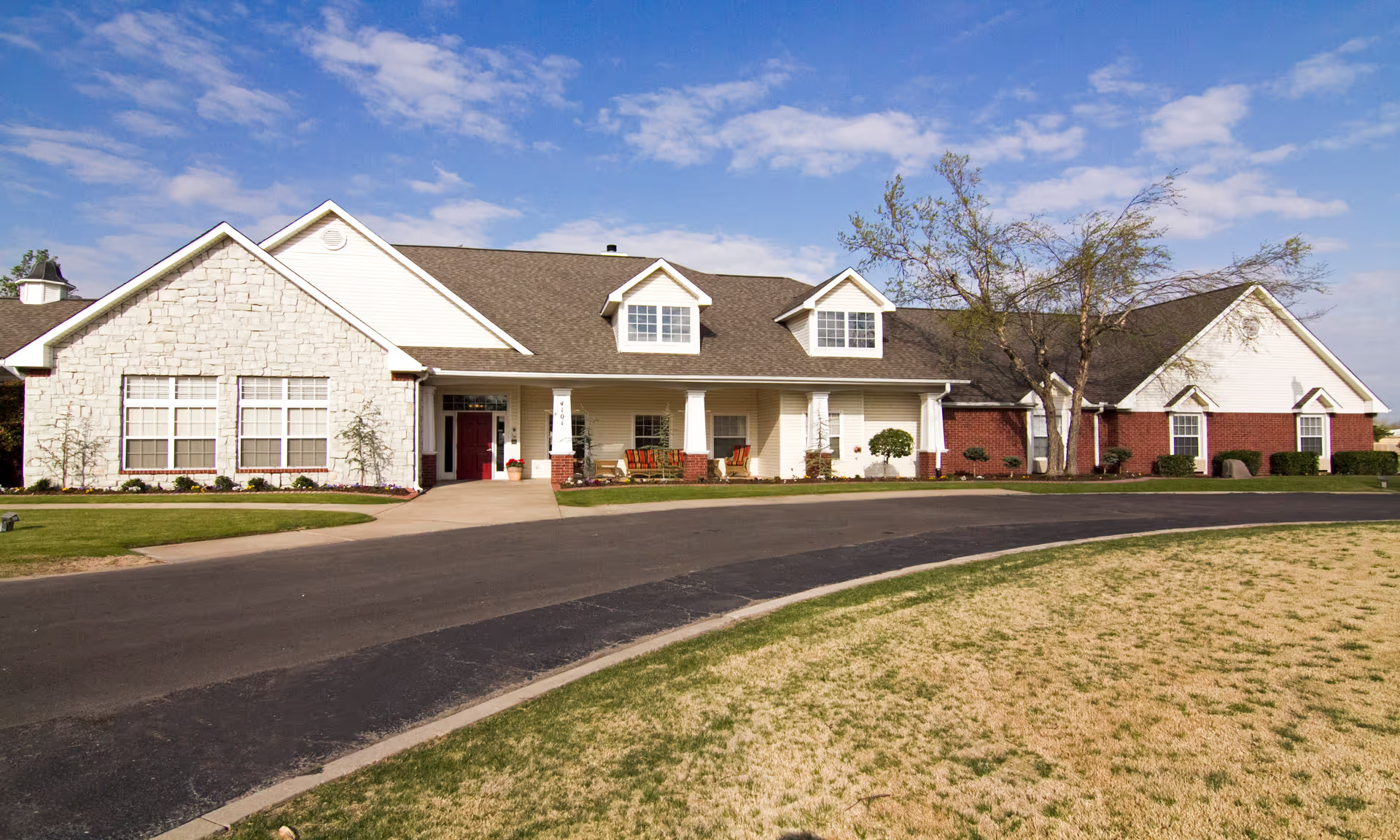
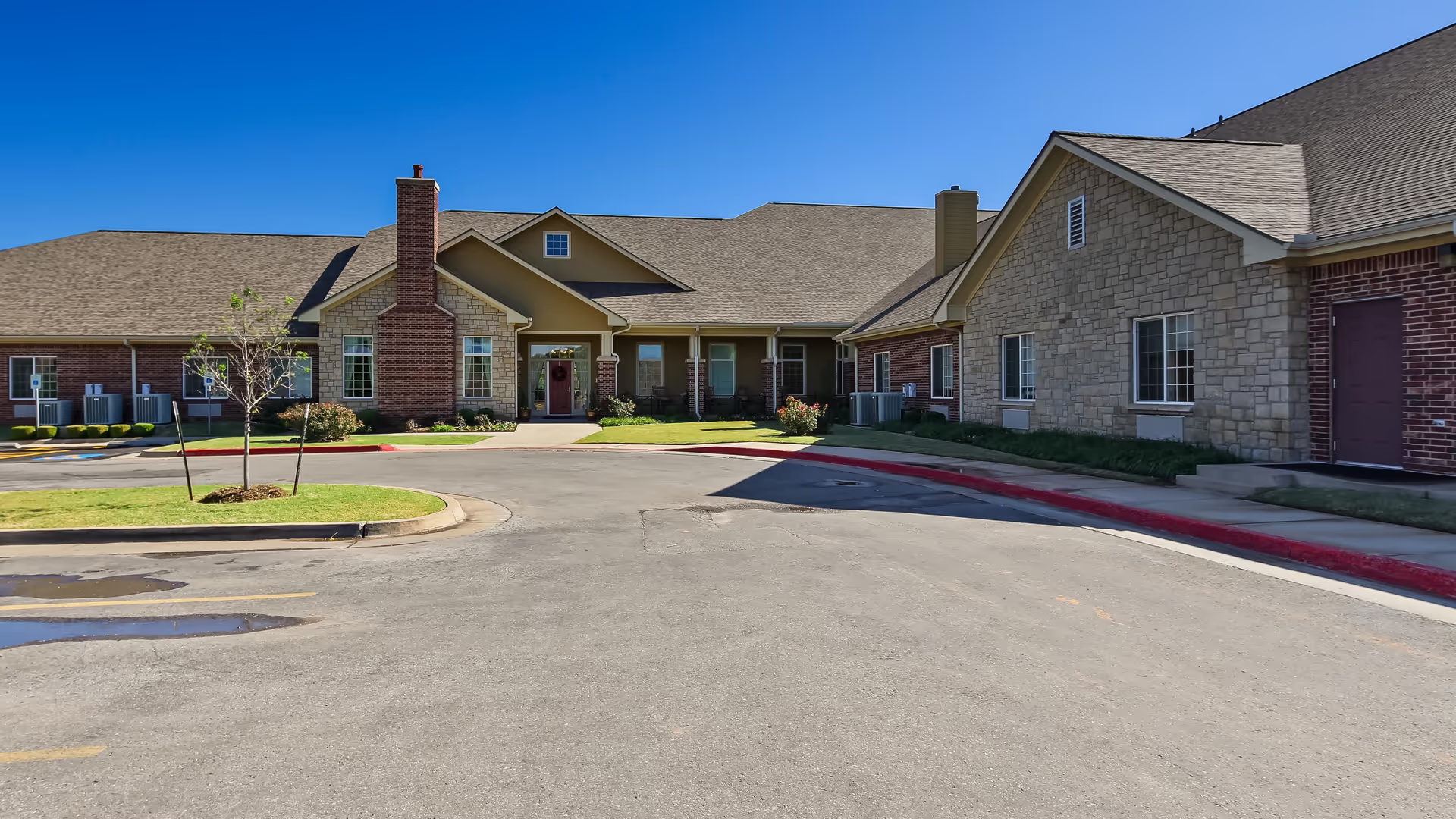
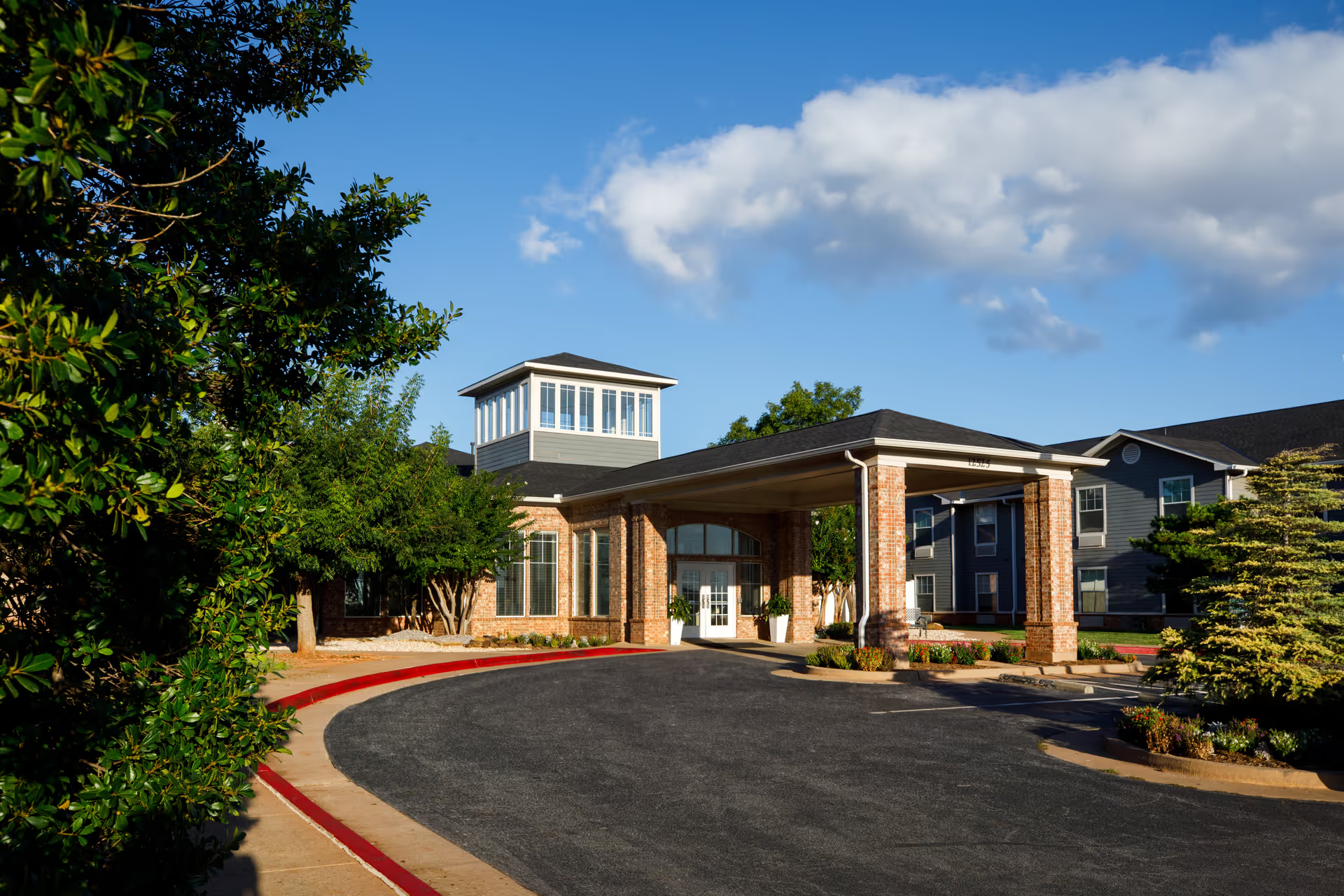
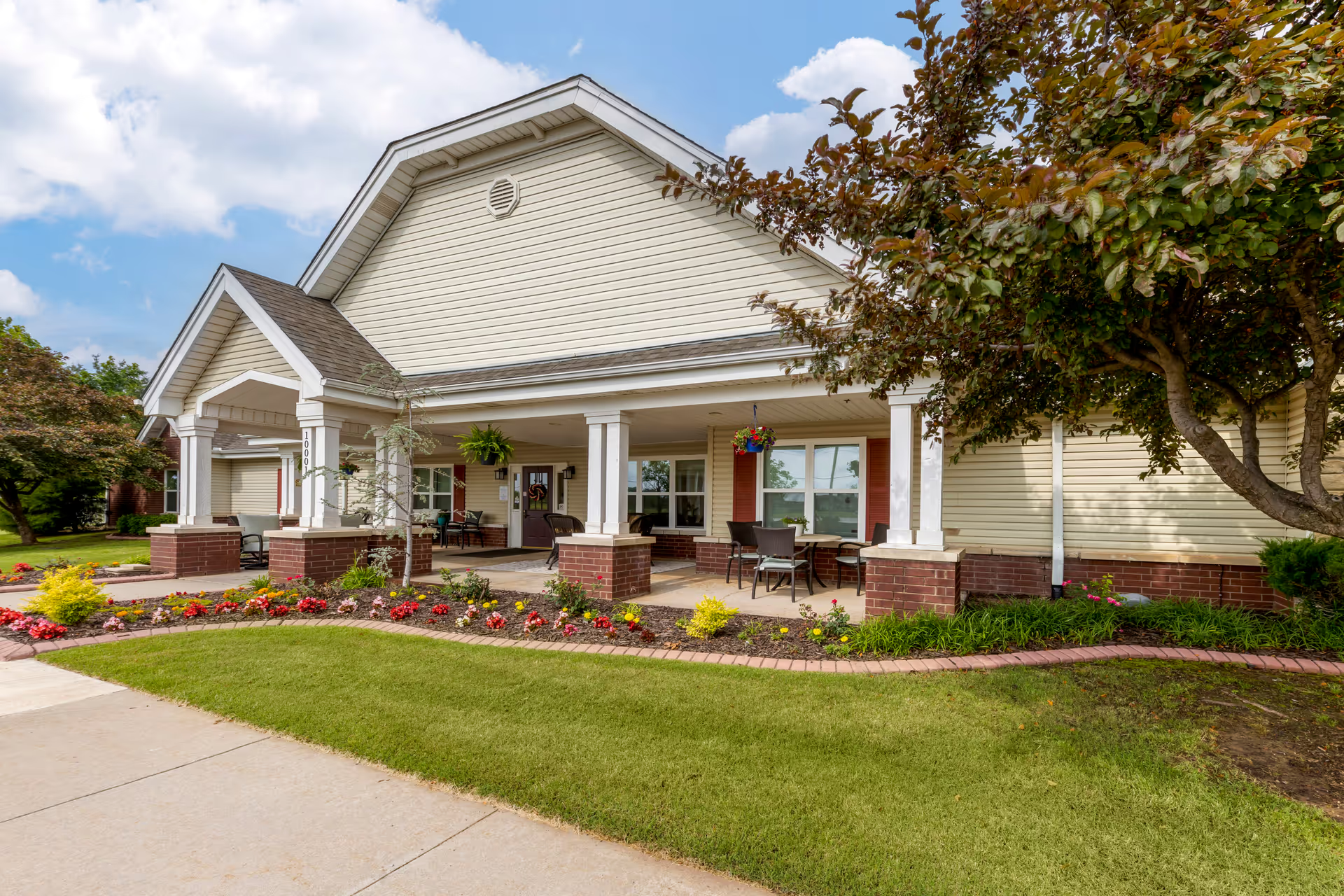
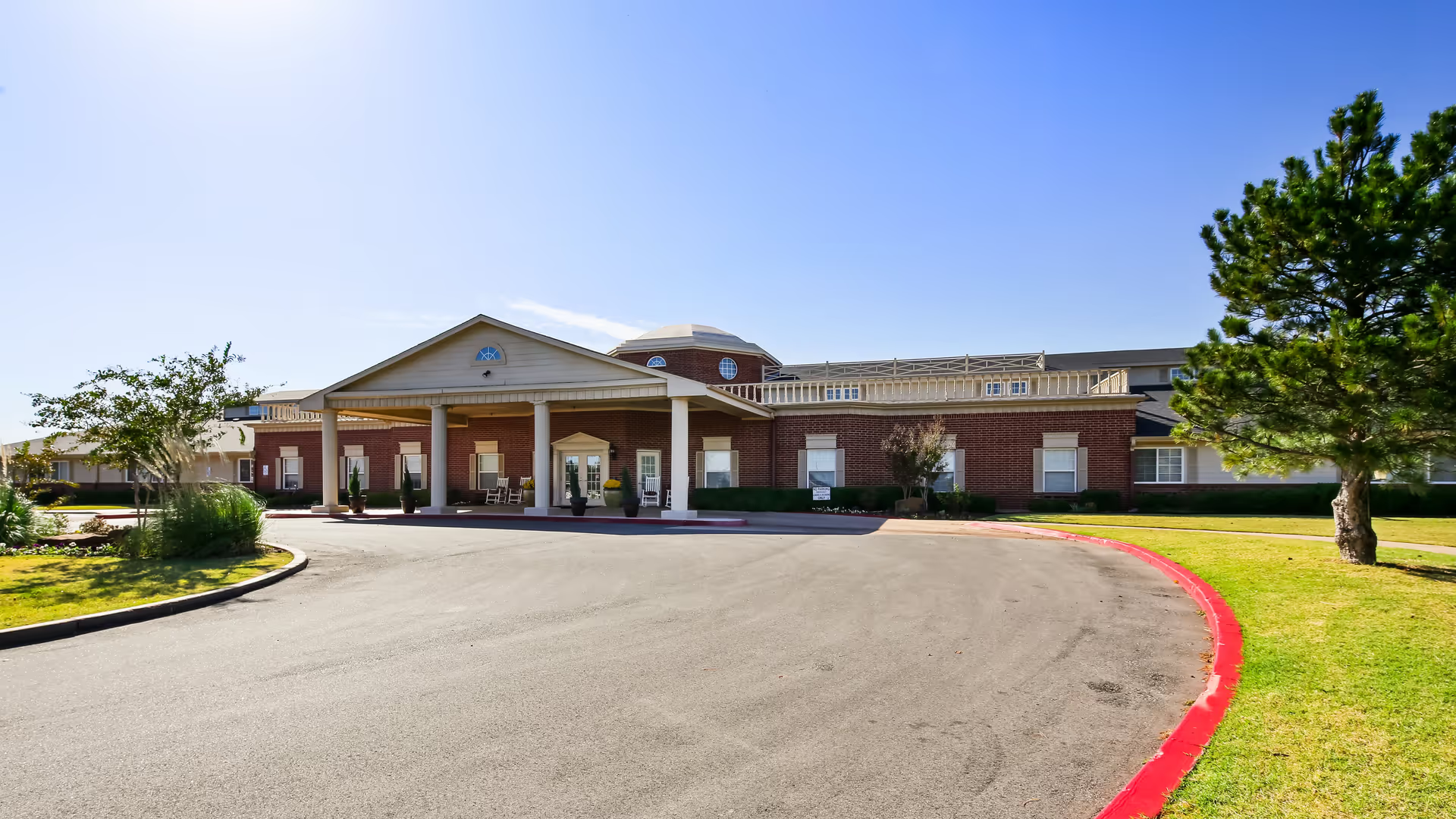
The reviews describe a facility with clear strengths in staffing culture, rehabilitation services, and a welcoming, home-like atmosphere, but also recurring operational weaknesses that produce variable resident experiences. Many families highlight compassionate nursing and caregiving, particularly on morning shifts, along with strong therapy collaboration and attentive placement support. The facility offers standard long-term care amenities — private and semi-private rooms, furnished communal lounges with large TVs, wheelchair accessibility, an outdoor patio and fenced yard, and a secure entry system — and several accounts praise the cleanliness of common areas and the friendliness of staff during events and holidays.
Care quality appears inconsistent across shifts and dependent on staffing levels and family involvement. Several reviewers praised excellent nursing and morning-staff continuity, yet others described uneven aide performance, delays in personal-care tasks, and deficiencies in bathing schedules for residents with mobility needs. More serious clinical concerns arise in accounts of gaps in documentation and medication-management processes, and some reviewers reported delays in emergency responses or transfer practices that led to additional medical attention. These items indicate variability in clinical oversight and escalation procedures rather than a uniform standard of care.
Dining and activities are mixed. The facility provides three meals daily and offers social programming (Bingo, holiday events, other activities), and some families appreciated active holiday participation and therapy-led engagement. However, multiple comments point to inconsistent meal quality and slow service at times, limited variety of activities beyond routine options, and a need for greater involvement for more residents. Families looking for robust recreational programming or consistently high culinary standards should verify current menus and activity schedules during a tour.
Facility condition and management present a similar pattern of strengths and weaknesses. Several reports describe a clean, well-kept environment and improvements under new leadership, whereas other accounts note sanitation concerns in specific rooms, dirty meal trays, and pest-control issues. Administrative turnover and mixed communication practices were commonly cited: some families experienced clear, helpful coordination from leadership, while others reported poor notification, difficulty reaching staff, and concerns about management responses to incidents. There are also serious, isolated allegations related to privacy-policy handling and coercive documentation; these are significant and warrant direct inquiry.
Overall, Windsor Hills Nursing Center shows areas of strong person-centered care, particularly in nursing, therapy, and morning-shift operations, alongside operational inconsistencies that affect hygiene, clinical documentation, emergency responsiveness, and day-to-day personal care. Prospective residents and families would benefit from an on-site visit that asks specifically about current staffing patterns by shift, medication-administration safeguards, sanitation and pest-control measures, bathing schedules for dependent residents, and how the facility communicates with families about clinical changes or incidents. Observing mealtime service and activity participation during a visit will also help assess whether the facility’s strengths align with an individual’s needs.