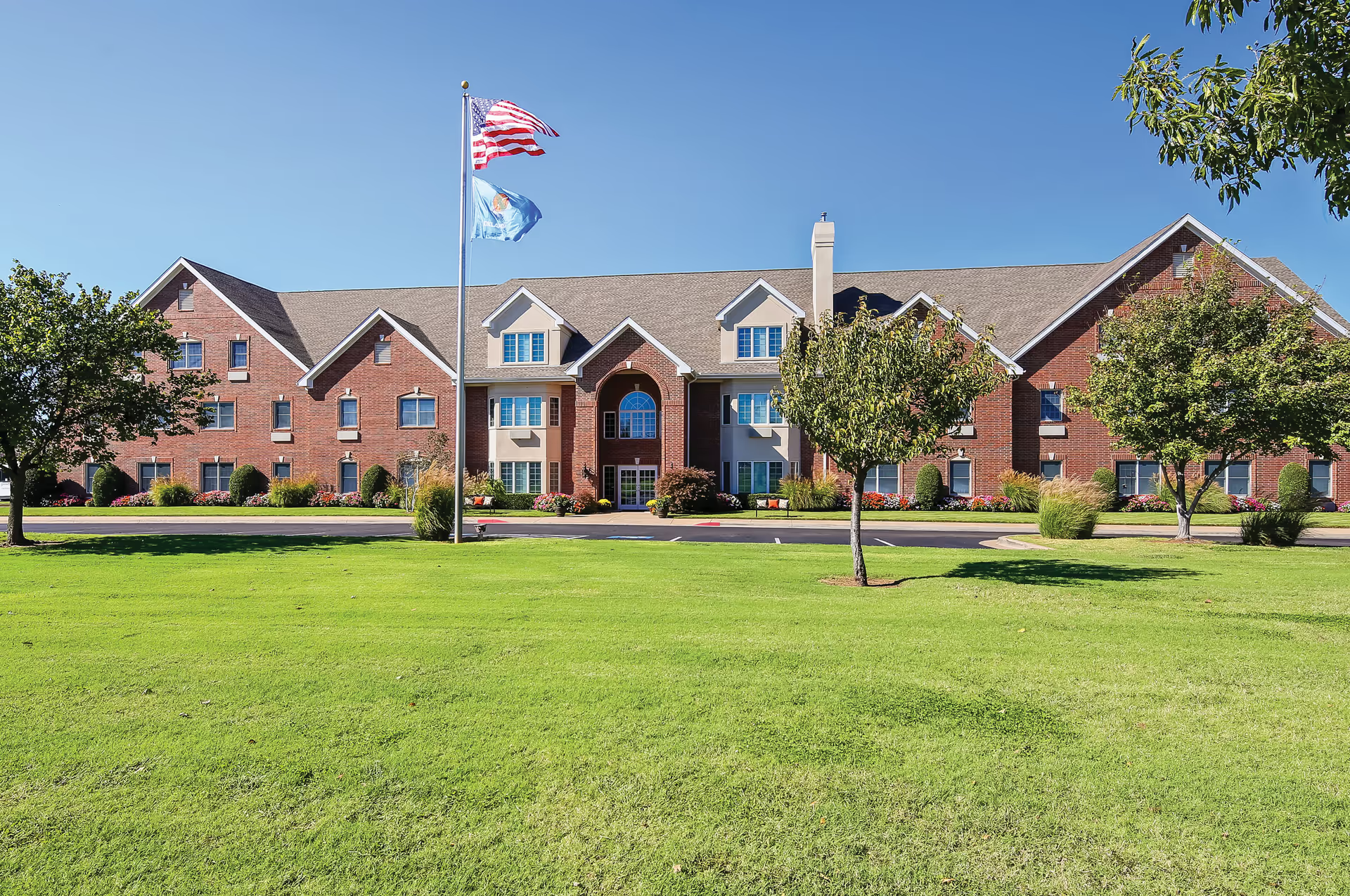
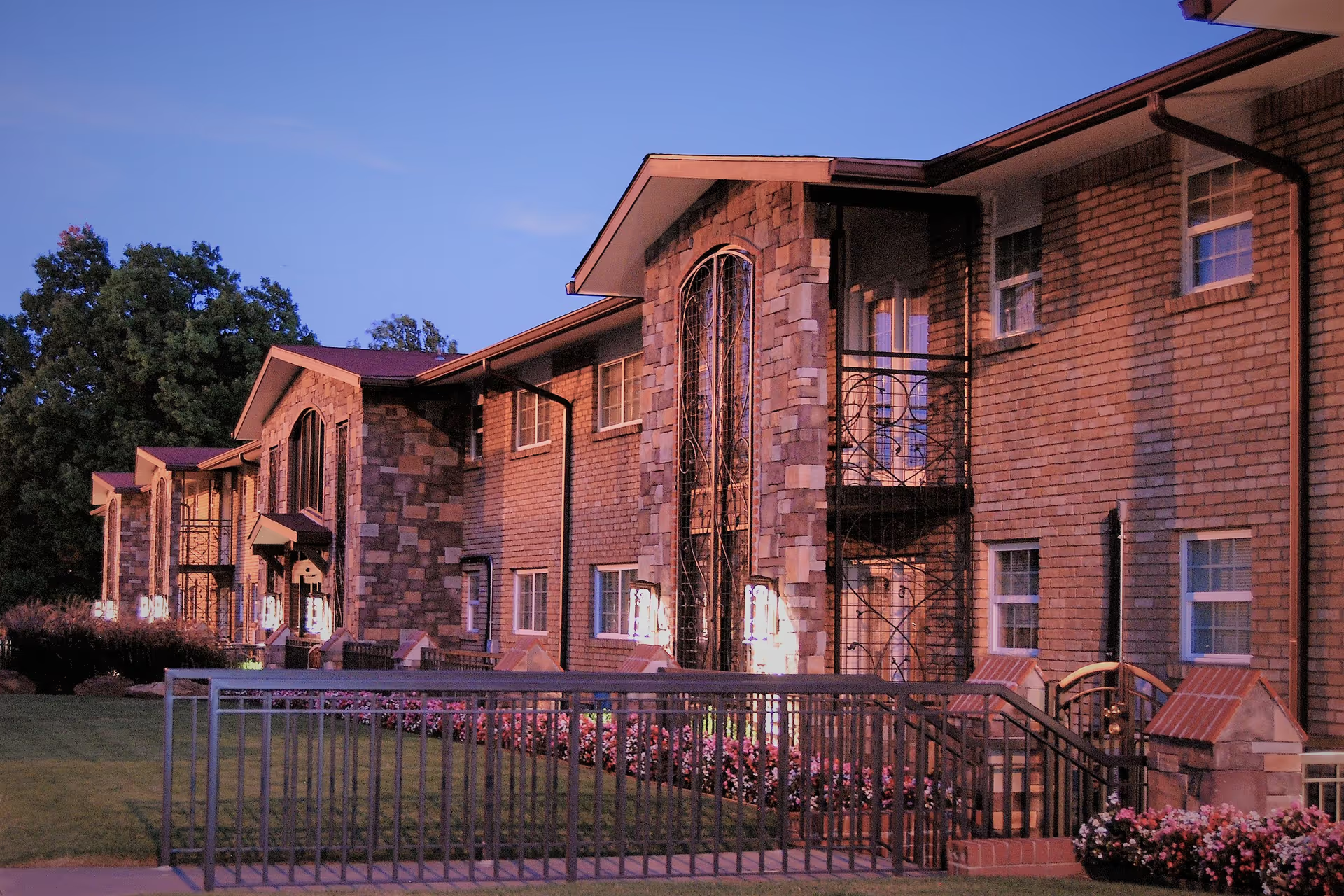
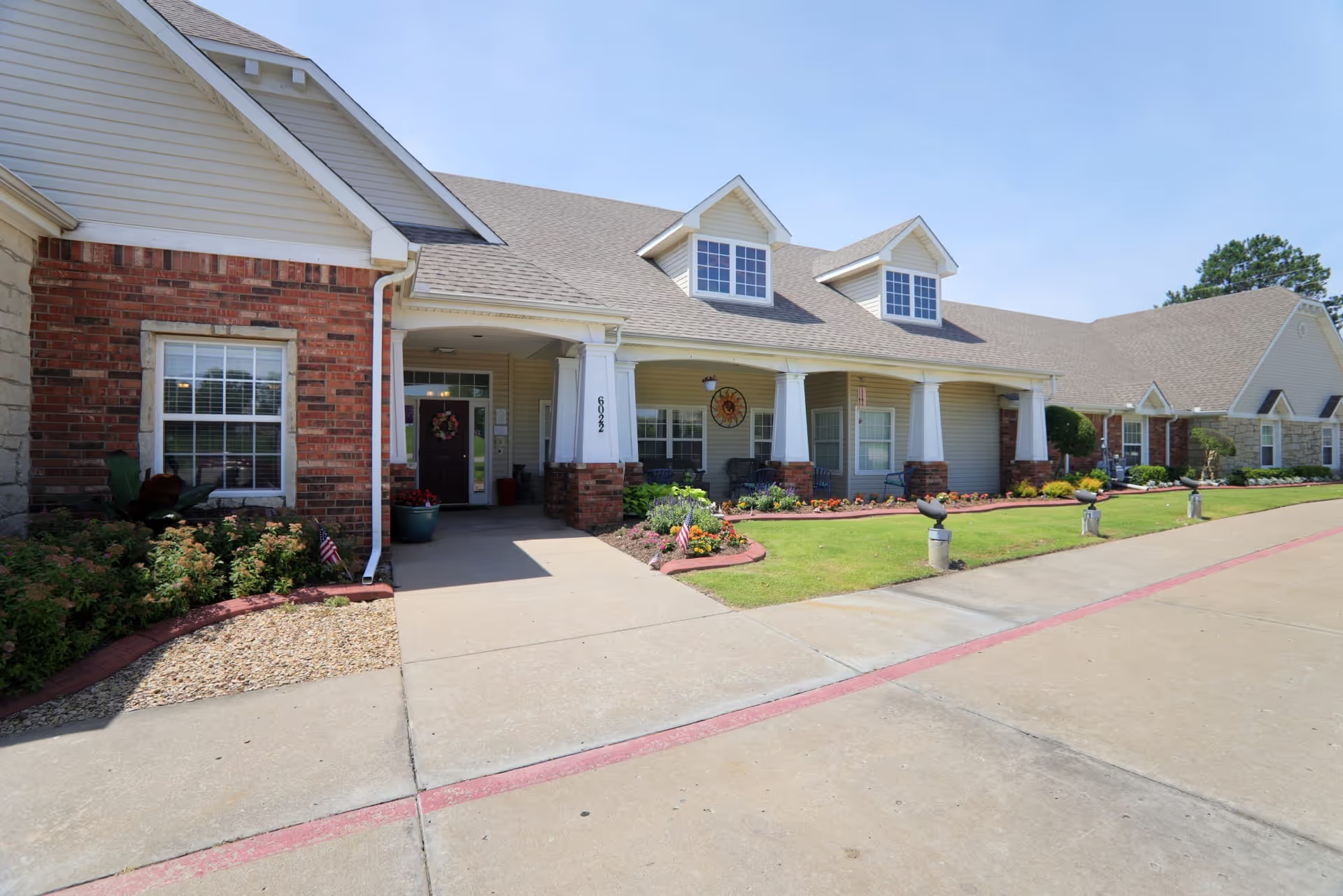
Covenant Living at Inverness presents a broadly attractive campus with many durable strengths alongside recurring operational concerns. Physical assets and amenities are consistently highlighted: reviewers describe well-kept grounds and landscaping, spacious light-filled apartments and cottages with private patios, multiple dining venues including a bistro, fitness and pool facilities, salon services, library and craft rooms, and an active calendar of classes and social programs. The community layout and outdoor walking paths are frequently cited as pleasant features, and many families praised a smooth move-in experience and a welcoming community atmosphere.
Care and front-line staff receive mixed but instructive feedback. Numerous comments commend attentive, friendly, and helpful caregivers and long-tenured employees who provide meaningful daily support. At the same time, there are repeated concerns about inconsistent clinical responsiveness, delays in attending to residents during busy periods, and gaps in care coordination. Several narratives describe issues with medication decisions or delayed physician involvement and uneven rehabilitation outcomes. Prospective families should confirm clinical protocols, staffing ratios, and physician availability for the level of care needed.
Operational and management themes recur across reviews. Staffing instability, including turnover and use of agency staff, is noted and is linked by reviewers to variability in day-to-day service and communication. Management and HR communication gaps — including dissatisfaction with administrative responsiveness, marketing and contractual clarity, and recent policy changes such as guest/overnight restrictions — were a frequent source of frustration. Financial transparency also emerges as a pattern: reviewers cite high entrance fees and monthly rates, variable move-in pricing, and limited refund flexibility on buy-ins. There are also serious singular claims referenced as allegations, including theft and financial misconduct; these should prompt targeted questions and documentation requests during tour and contracting.
Dining, housekeeping, and building maintenance show polarized impressions. Many residents enjoy the food, desserts, and multiple dining areas, but others describe inconsistent meal quality, understaffed dining service, and occasions when dietary restrictions were not well managed. Housekeeping is described as inconsistent in frequency and thoroughness, with specific operational gaps (for example, residents or families sometimes expected to handle small in-room chores). A small number of comments also raise pest-control concerns in particular areas, suggesting the need to review sanitation and pest-management records.
Overall, Inverness appears to be a high-amenity, well-appointed community that delivers a positive living environment for many residents, particularly in independent-living contexts. However, variability in clinical care, staffing continuity, management transparency, and certain operational services could materially affect the experience for residents who require higher levels of medical or memory-care attention. Recommended actions for prospective residents and families: tour during active times (mealtimes, activity periods), ask for written clinical protocols and staffing ratios for the relevant care level, review contract language on entrance fees/refunds and guest policies, request pest-control and housekeeping schedules, and speak with current residents or family members about consistency of care and communication. These steps will help align expectations with the facility’s strengths and identified weaknesses.