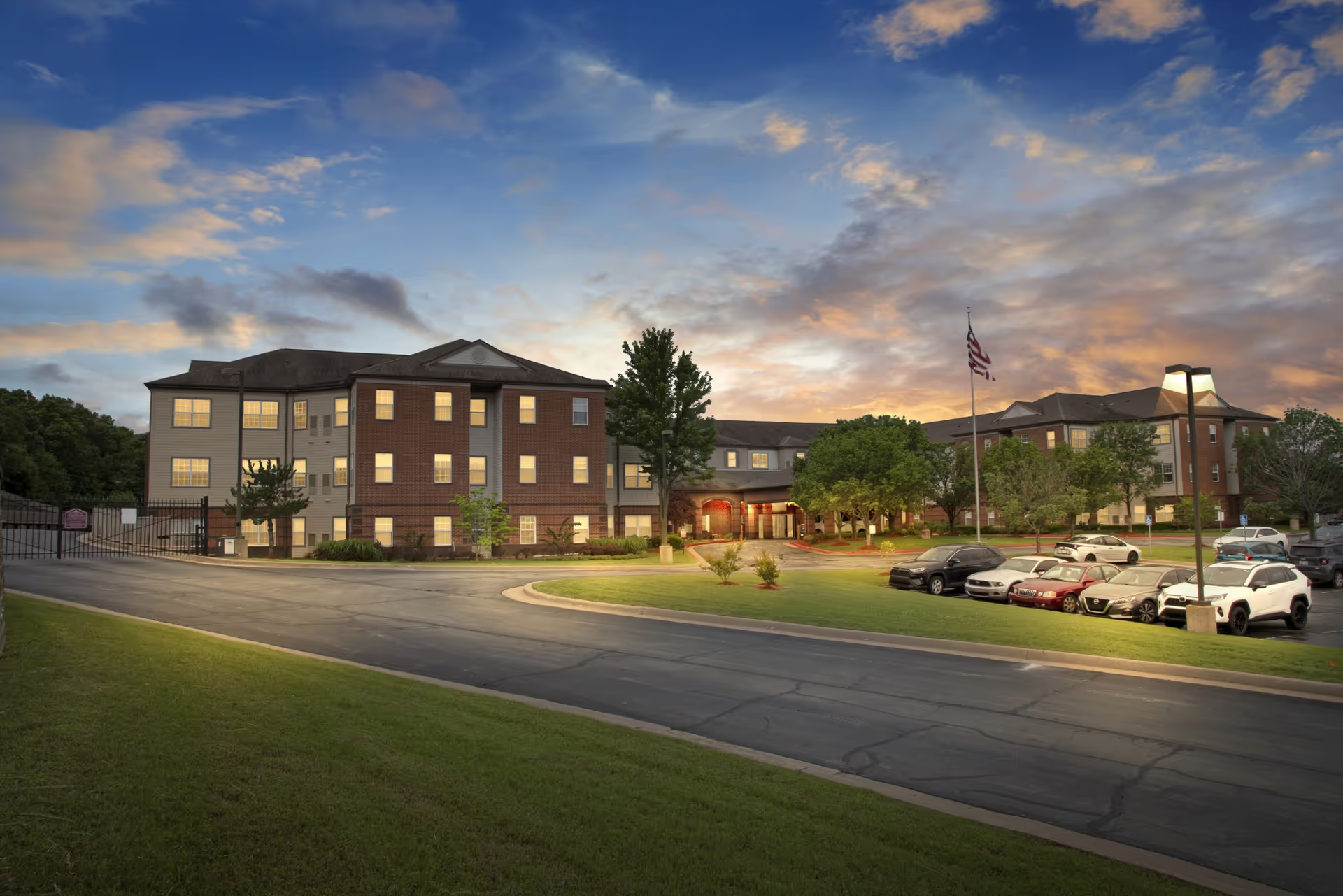
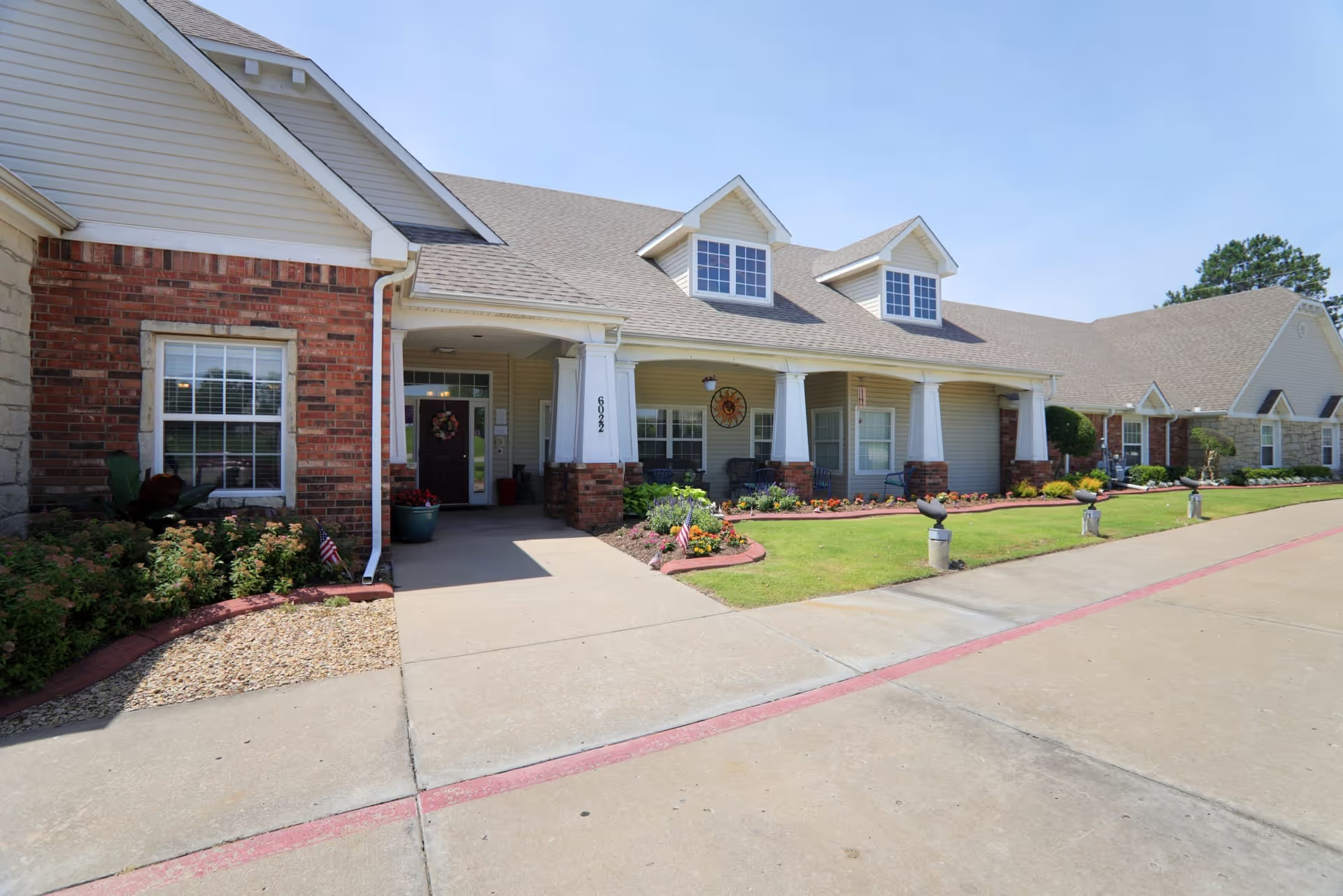
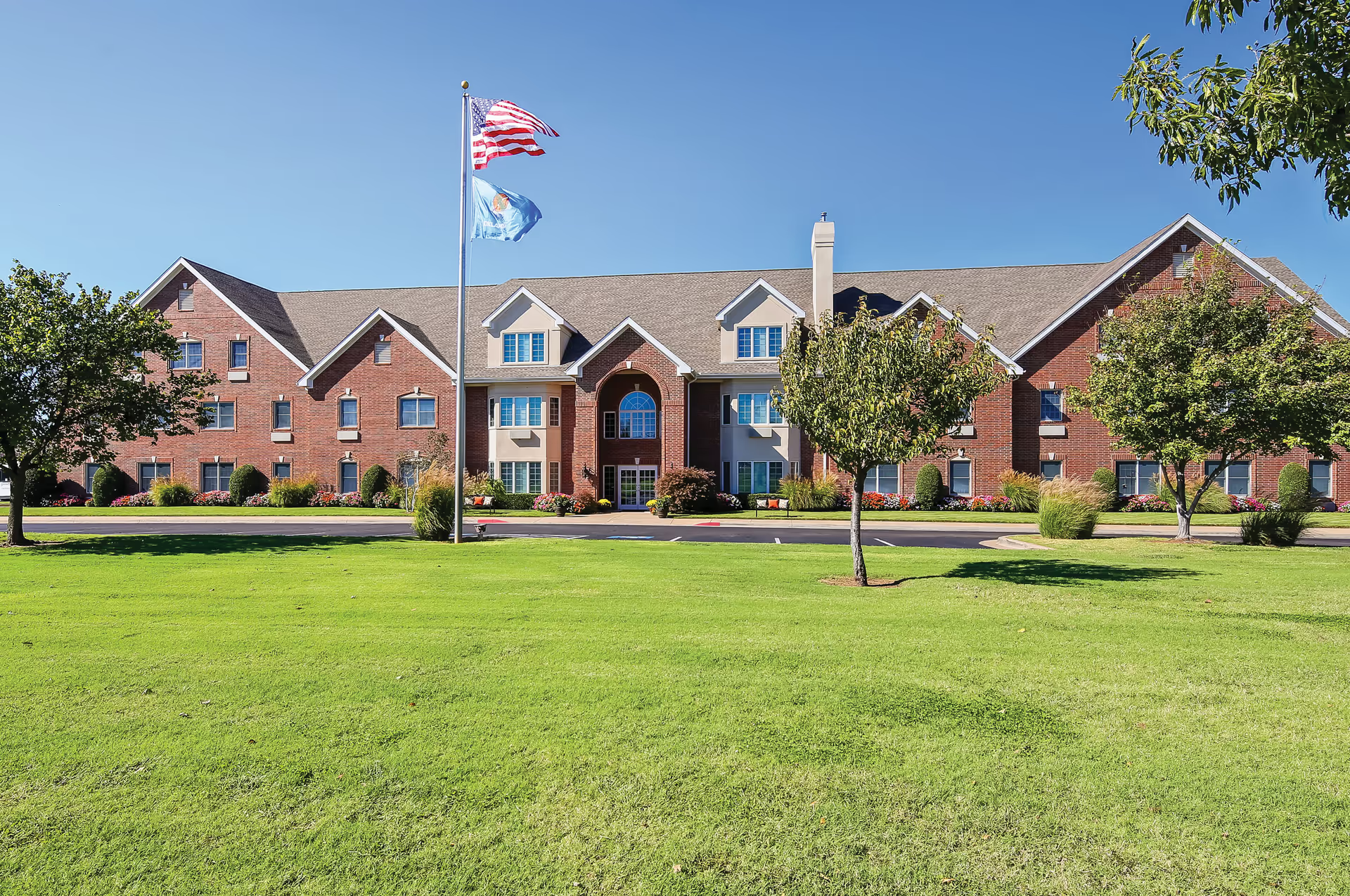
Experiences at Sherwood Manor are mixed. Positive accounts emphasize a core of experienced, long‑tenured caregivers and therapy staff who provide effective rehabilitation and attentive bedside care; several families described meaningful improvements in health and mood during stays and noted friendly social opportunities for residents. Some reviewers also pointed to recently updated areas and units that appear well maintained, and a subset of families described clean, well‑kept rooms and compassionate administrative support.
At the same time, a consistent pattern of operational weaknesses appears across multiple reviews. Staffing levels and stability are frequent concerns, with accounts of delays in responding to call lights and care requests and inconsistent attention to routine needs such as bathing and incontinence care. Several reviewers described gaps in supervision and transfer‑handling, which raises questions about consistency of care practices during peak demand periods.
Facility condition and infection‑control matters are another recurring theme. While parts of the building have been renovated, other areas were described as older and in need of continued upkeep. Multiple families raised sanitation and odor concerns in common areas and units, and some noted pest‑control issues. These cleanliness and environmental concerns were commonly linked to negative first impressions and heightened family anxiety about safety and comfort.
Communication and administrative processes show mixed performance. Positive interactions with social‑work and administrative staff were noted, but there are also repeated accounts of inadequate discharge planning, missing transition paperwork, and limited medication documentation provided to families at transitions. These gaps in documentation and communication can complicate care continuity after a resident leaves the facility.
Dining and resident life present divergent impressions. Several reviewers described effective therapy programs and opportunities for residents to socialize and form friendships, while others flagged a repetitive menu, limited dining options, and occasional portioning concerns. The facility does not appear to offer a dedicated memory‑care unit, which may be an important consideration for families seeking specialized dementia services.
Management and workplace culture are uneven in the accounts: some families praised responsive, caring managers and long‑standing staff, whereas others described low morale, claims of undercompensation, and conduct issues that affected resident experience. In a few cases, families engaged external advocates regarding transitions and care concerns.
Bottom line: Sherwood Manor has demonstrable strengths in experienced caregiving staff and therapy services that lead to positive rehabilitation outcomes for many residents. However, prospective families should weigh those positives against recurring operational concerns — especially staffing consistency, sanitation and pest control in parts of the facility, communication and discharge‑planning gaps, and variability in daily care practices. A careful, in‑person assessment of current units, recent renovation areas, staffing levels on the intended unit, and written transition/medication procedures is advisable before placement.