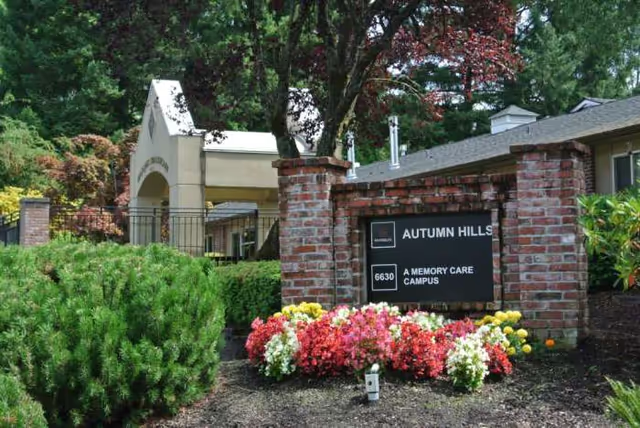
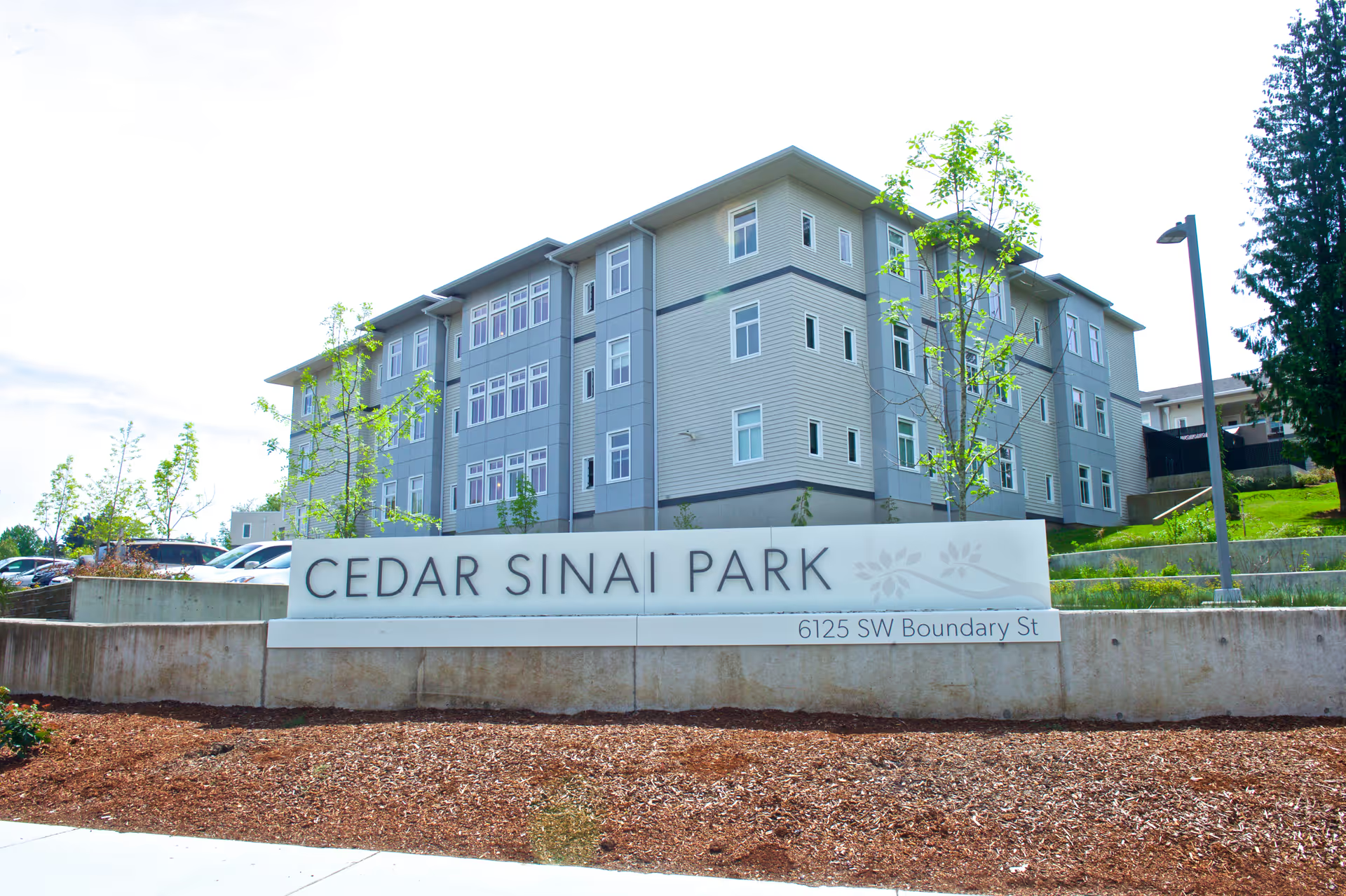
Reviews of this facility are polarized, with a clear pattern of strong rehabilitative services and many staff members praised for compassion and clinical skill, alongside recurring operational weaknesses. Therapy teams — both physical and occupational — receive consistent positive feedback for individualized plans, measurable mobility improvements, and focused one-on-one sessions. Several families described effective social-work support, proactive admission processes, and helpful discharge coordination that included home-based follow-up therapy when appropriate. The building’s single-floor layout, abundant natural light in rooms, courtyard and pleasant common areas are also noted as positive environmental features.
At the same time, multiple reviews identify persistent concerns about core nursing operations. The most frequently cited clinical issues are delayed or incorrect medication administration, slow response to call lights, and variability in pain management. These problems are often linked by reviewers to low staffing levels and inconsistent night/weekend coverage; staff are commonly described as caring but overworked. There are also reports raising serious safety and clinical-care questions — including allegations that prompted complaints to regulatory bodies — which warrant direct inquiry by prospective residents and families.
Dining and activities receive mixed assessments. Some reviewers praised nutritious, well-prepared meals and courteous dietary staff, while others described bland or poorly timed meals, portion issues, and occasional missed meal delivery. Activity programming is similarly uneven: therapy-led group sessions and bingo were appreciated by some families, but others reported limited socialization and constrained activity offerings, particularly when clinical or staffing demands are high.
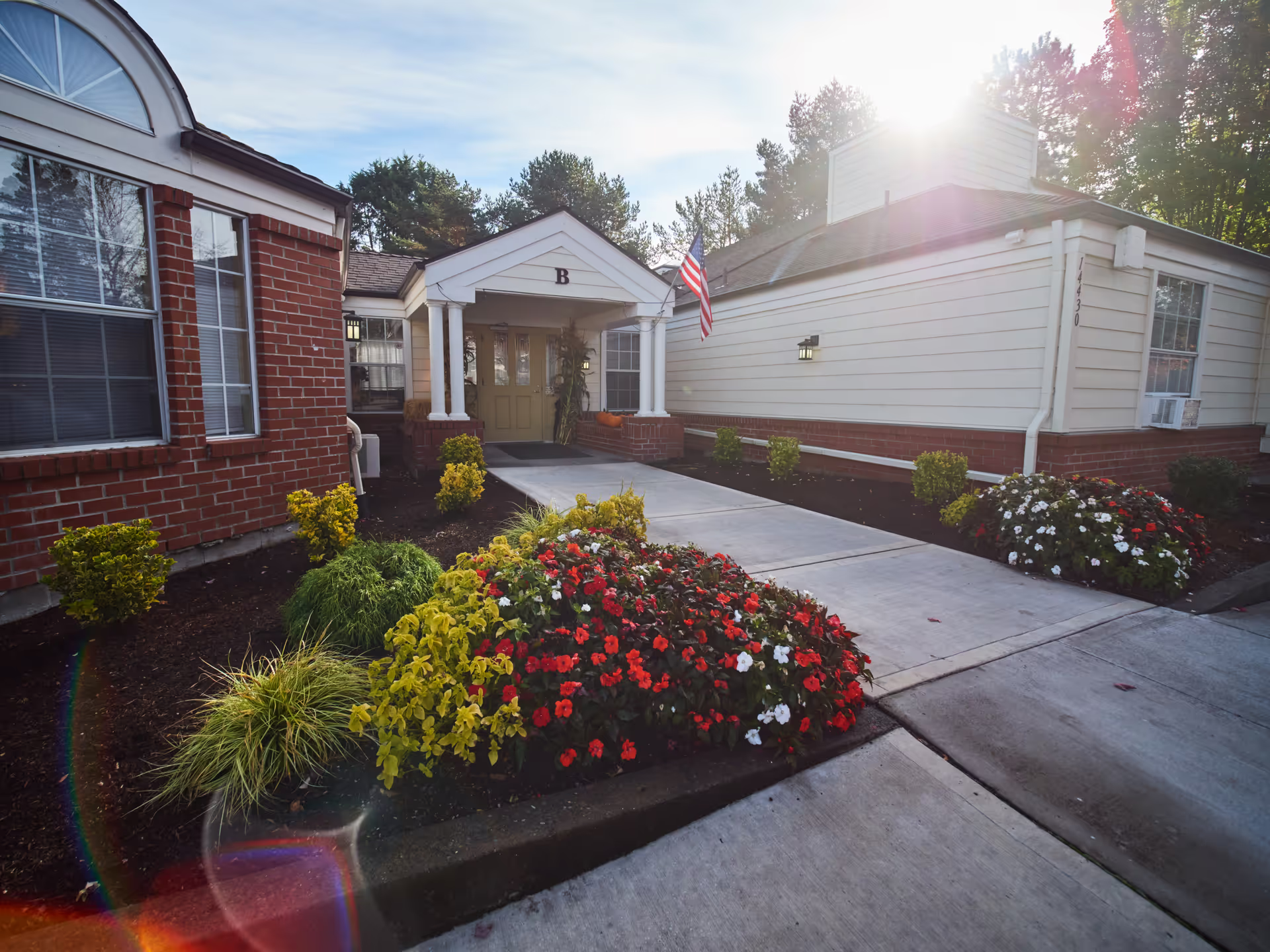
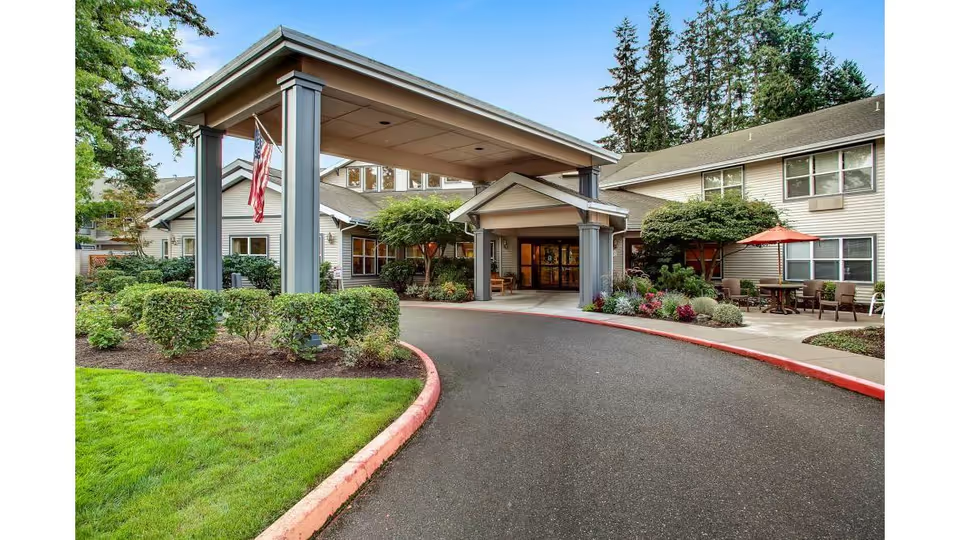
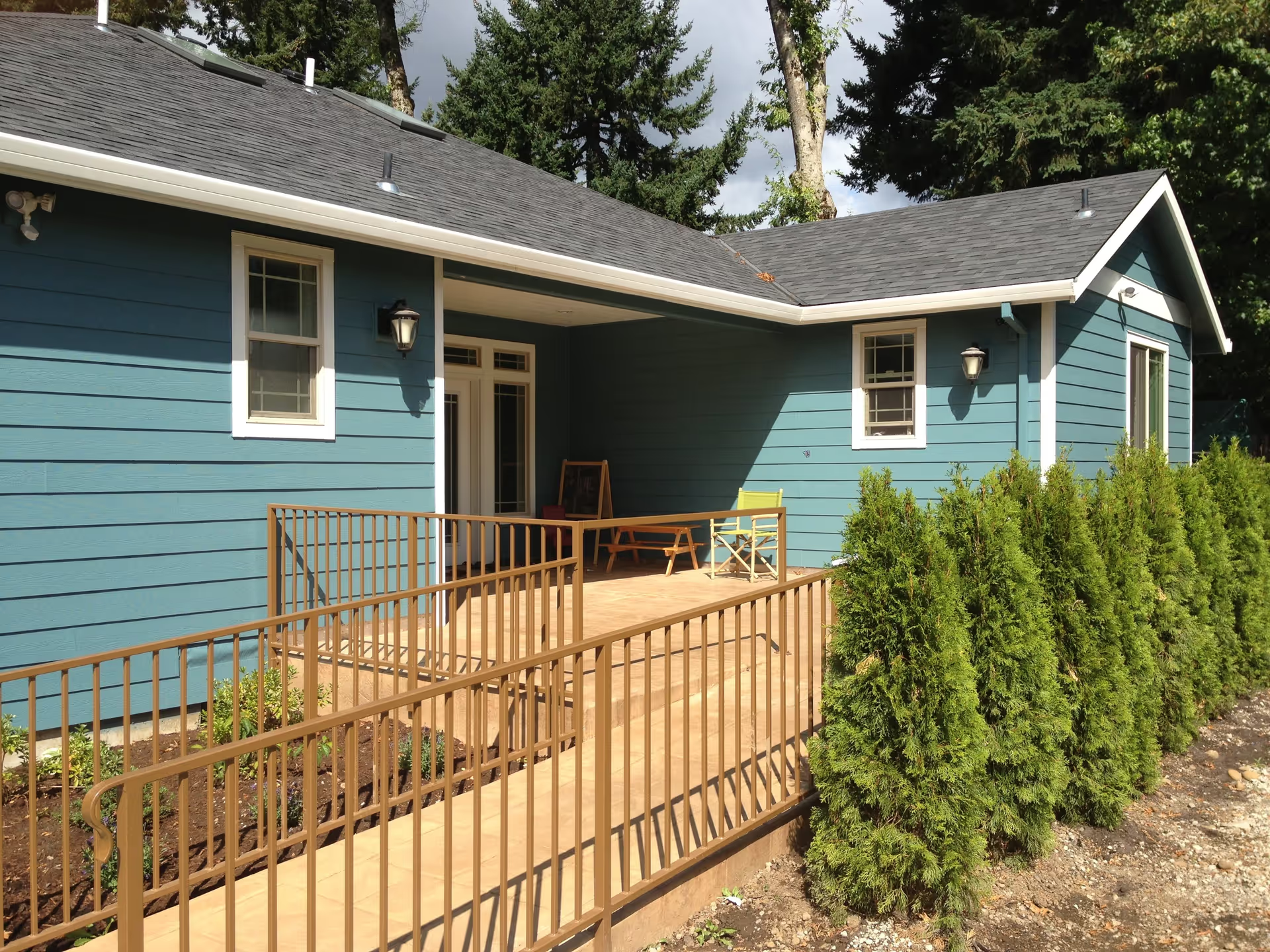
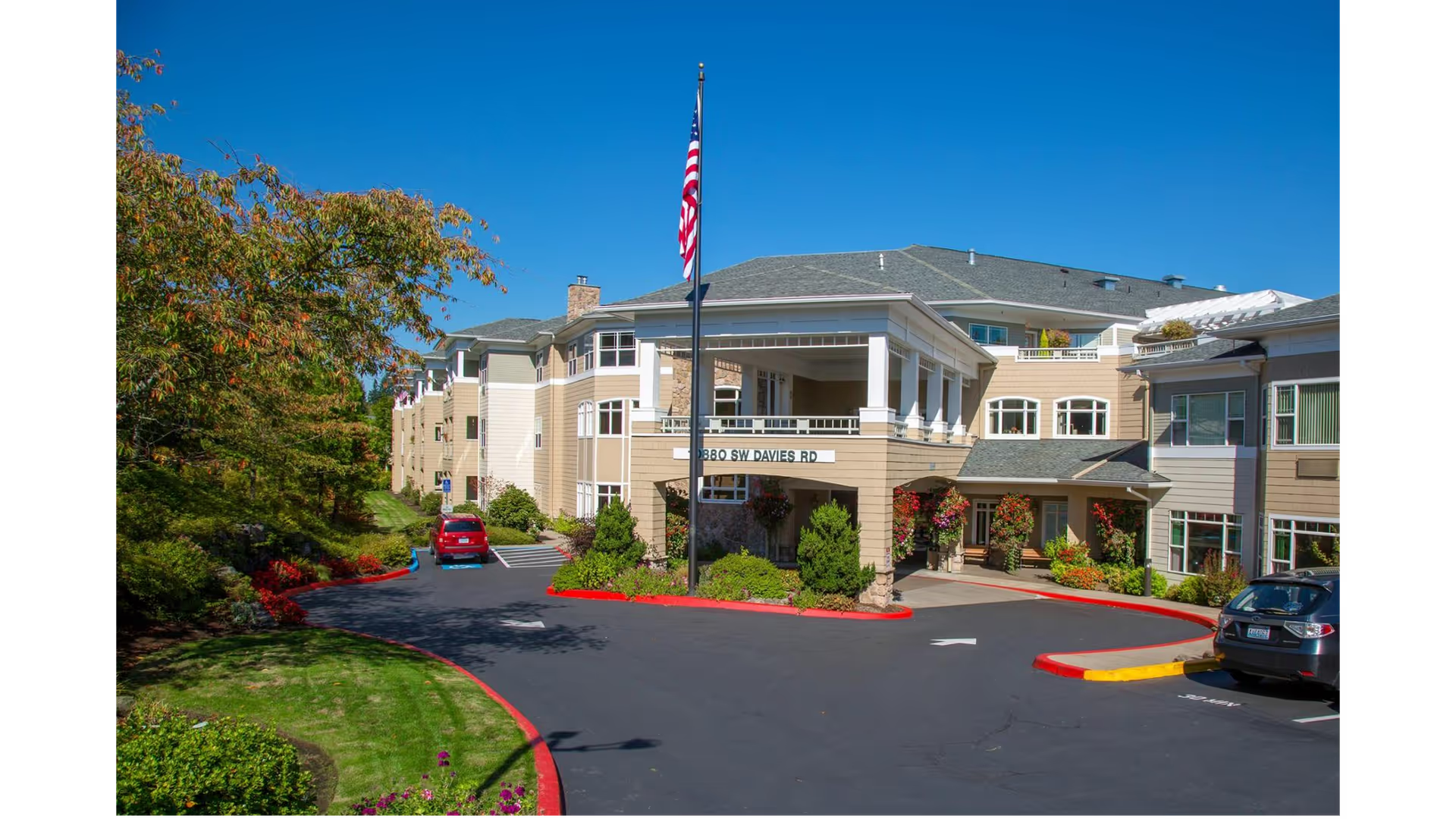
Facility condition and maintenance present a split picture. Several visitors and residents described clean, welcoming lobbies and well-maintained rooms, but a substantial number flagged aging infrastructure, broken or outdated fixtures (TVs, beds, toilets), and sanitation concerns in some bathrooms and common areas. Shared-room arrangements and shared bathrooms were repeatedly noted as limiting privacy and convenience for some residents. Accessibility and ADA compliance issues were raised in a few accounts.
Management and communication are another mixed area. Positive mentions include helpful admissions staff and proactive care managers; negative themes include unresponsive front-desk staff, voicemail and after-hours communication failures, billing and discharge coordination problems, and occasional difficulty locating documentation or important contact information. Laundry mistakes and misplaced personal items were reported repeatedly enough to be considered an operational weakness.
Bottom line: this facility demonstrates clear strengths as a rehabilitation-focused provider with many dedicated clinicians and therapists who achieve meaningful functional gains for residents. However, recurring operational concerns — especially around staffing levels, call-response reliability, medication timing and accuracy, sanitation and facility upkeep, and certain communication and management functions — create significant variability in the resident experience. Prospective residents and families should weigh the strong therapy capability and caring staff against these operational risks, and consider asking targeted questions during a tour: current staffing ratios and weekend/night coverage, call-light response metrics, medication-safety protocols, room and bathroom configuration, recent regulatory history, and how laundry and property-loss incidents are handled.