The reviews indicate a facility with a notable split between strong rehabilitative services and recurring operational problems. Clinical rehabilitation — especially physical and occupational therapy — is repeatedly described as effective, with well-maintained therapy spaces and staff who push for recovery. Many families and residents identified individual nurses, CNAs, and therapy staff as caring and skillful; several accounts singled out the activity director and certain administrative staff as especially helpful. When staffing and processes work well, residents report timely medication administration, responsive call-light service, satisfying meals, and a supportive social environment.
However, a consistent pattern of system-level weaknesses emerges across reviews. Staffing levels and staff turnover are frequently cited as undermining day-to-day care: reviewers describe long and variable response times to call lights, delays in medication delivery, and gaps in basic incontinence and toileting assistance. Medication-management concerns appear in multiple contexts — delayed doses, access delays at med carts, wrong medications, and accounts of sedative-type medications given without adequate family notification — indicating weaknesses in medication-administration controls and communication around informed consent.
Dining and nutrition are uneven. Some residents praise the food and kitchen staff, while others describe limited menu choices, omitted or forgotten meals, and poor adherence to dietary needs. The activity program is generally a strength; the facility offers social and recreational programming and an engaged activities lead, which many families found valuable for recovery and quality of life.
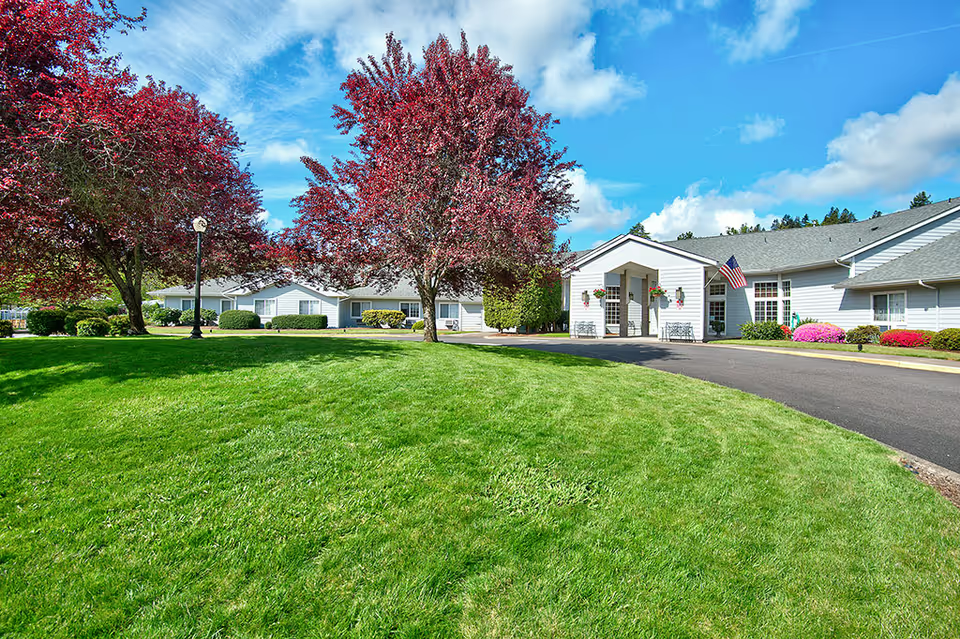
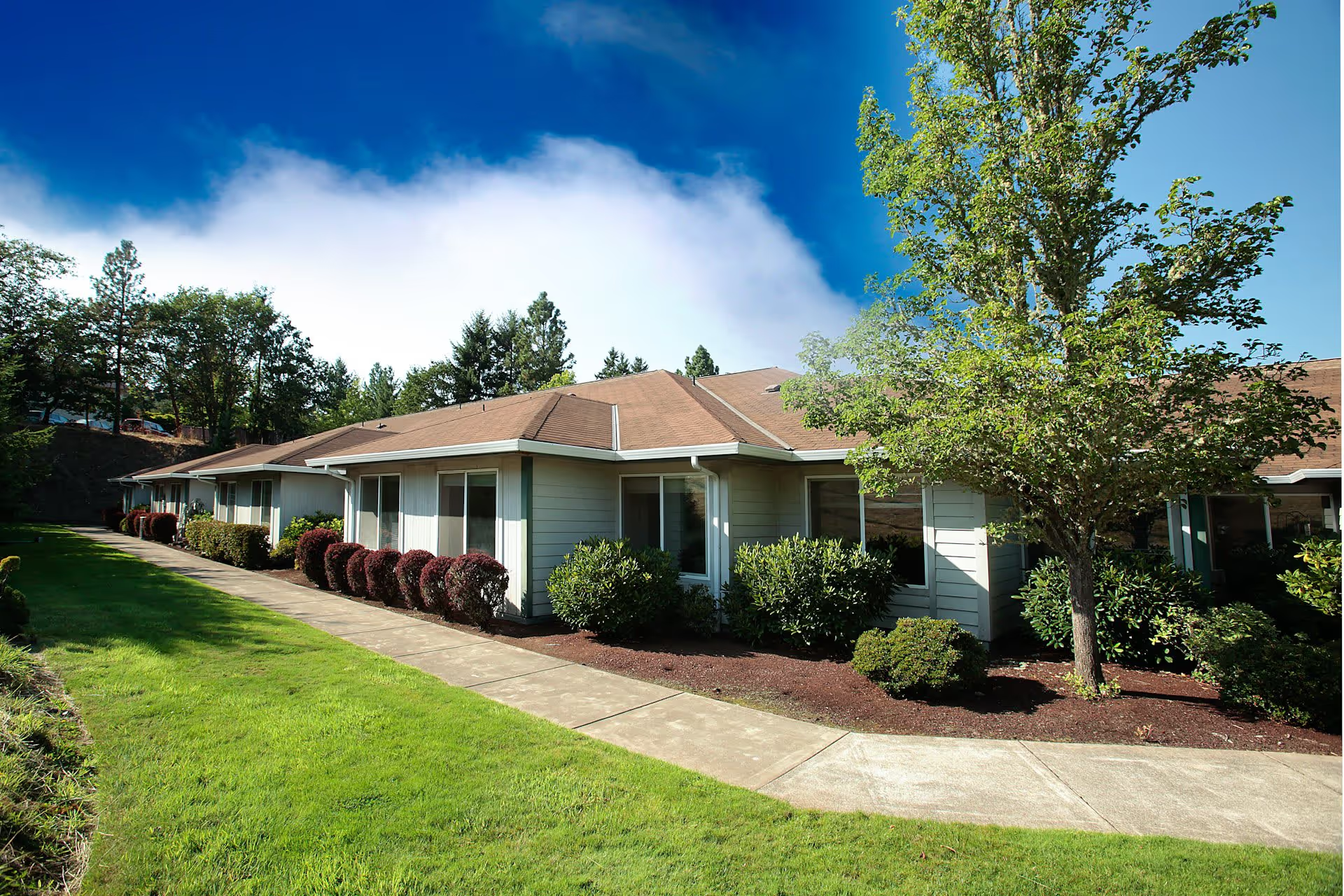
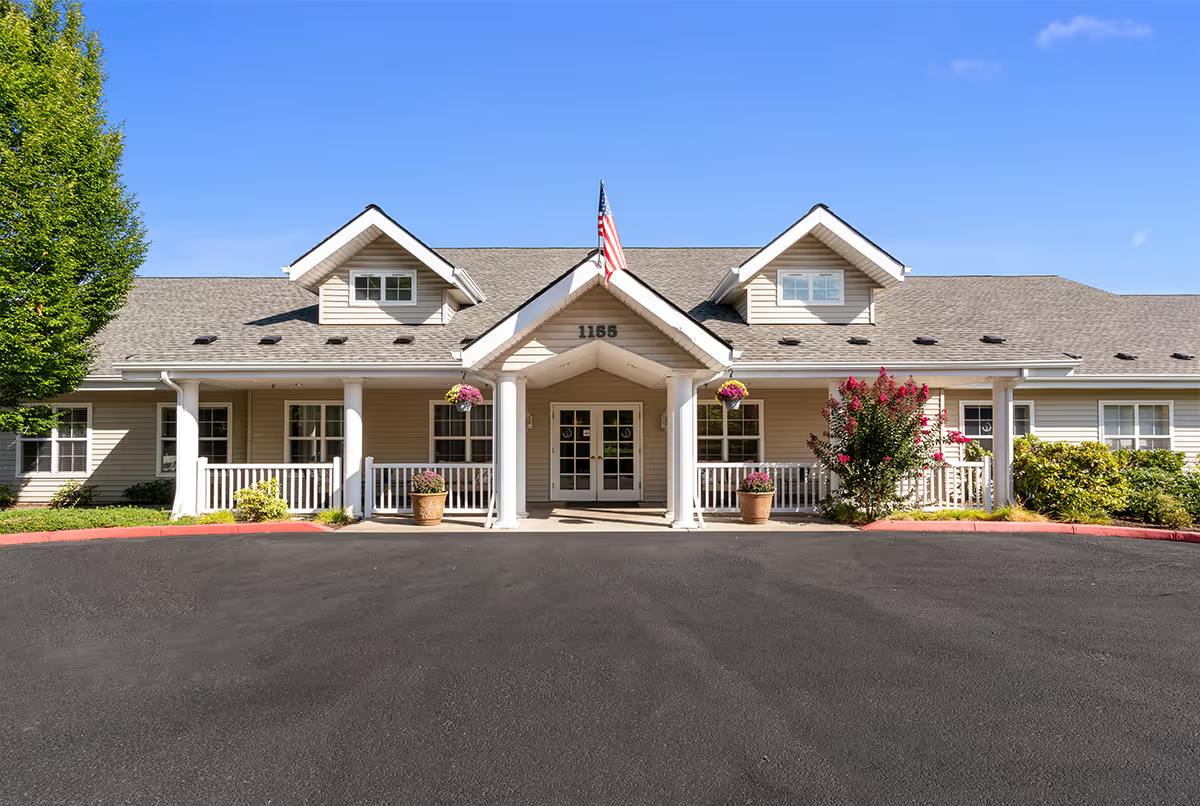
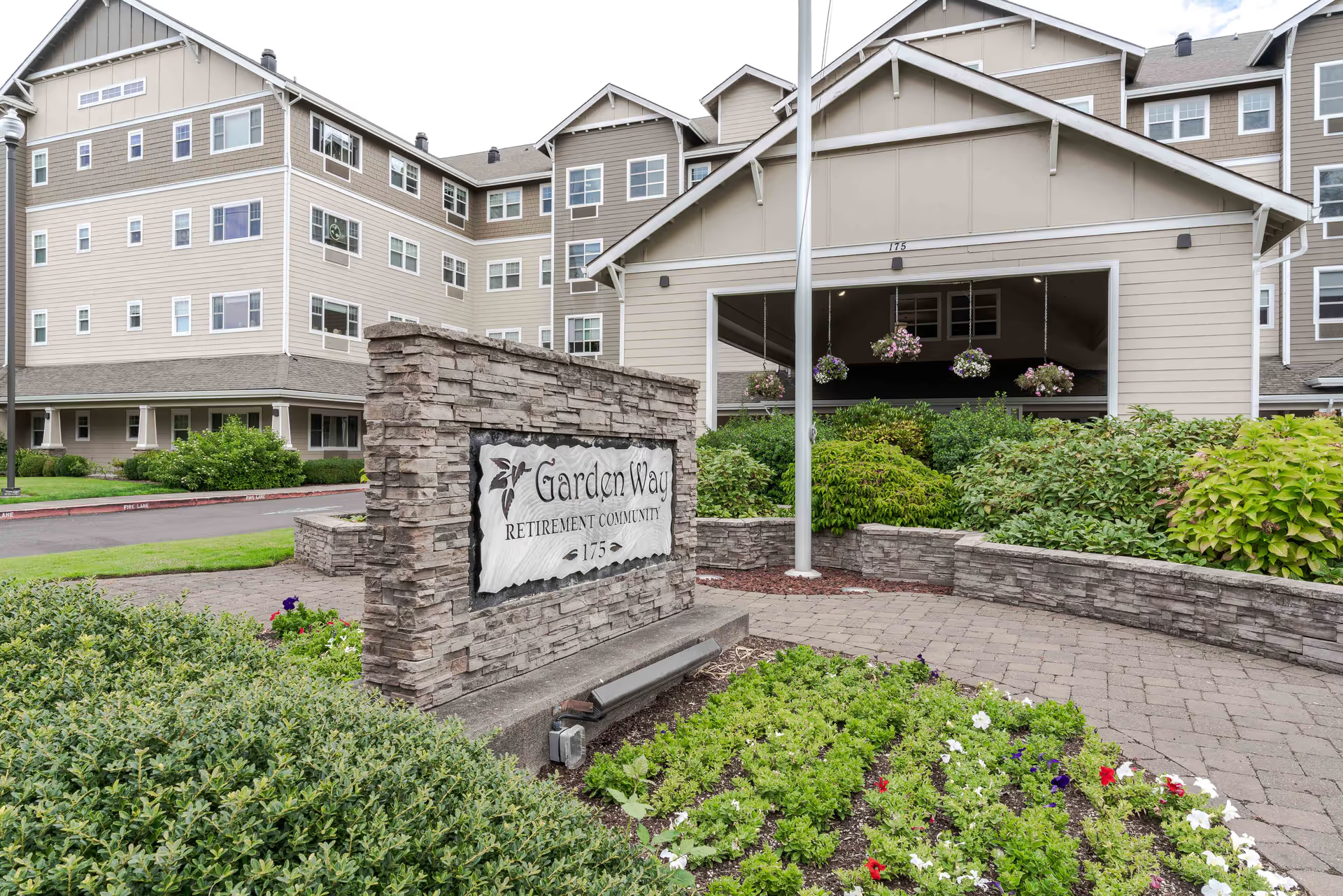
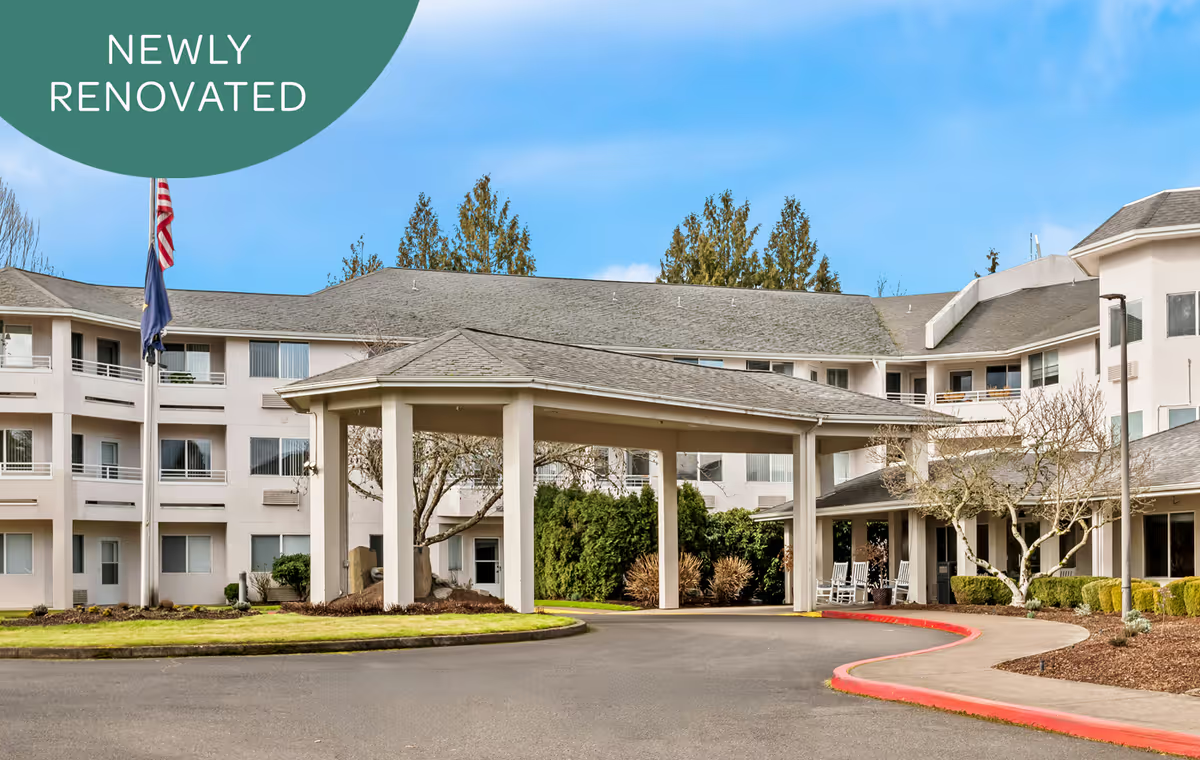
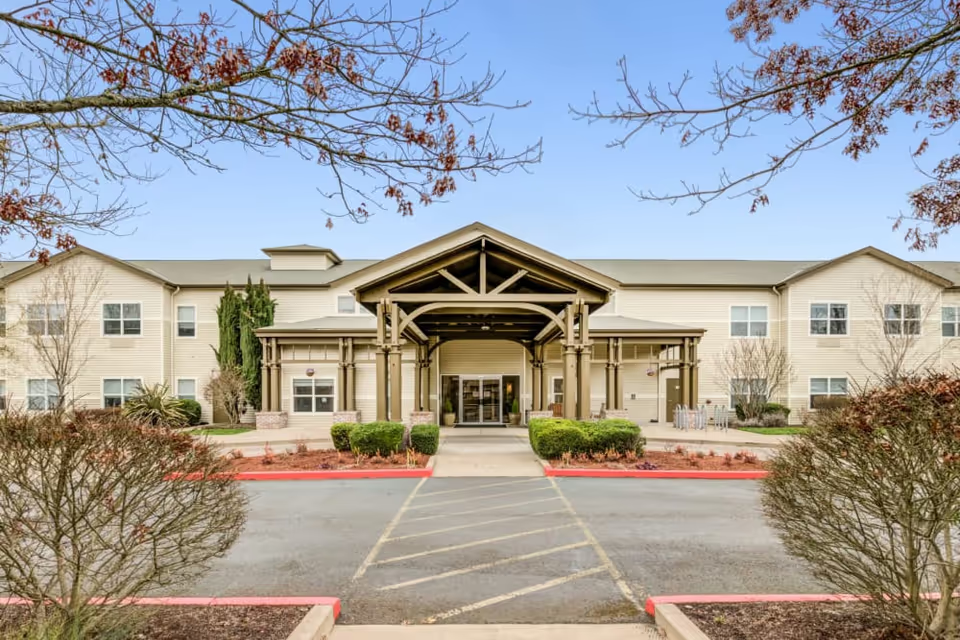
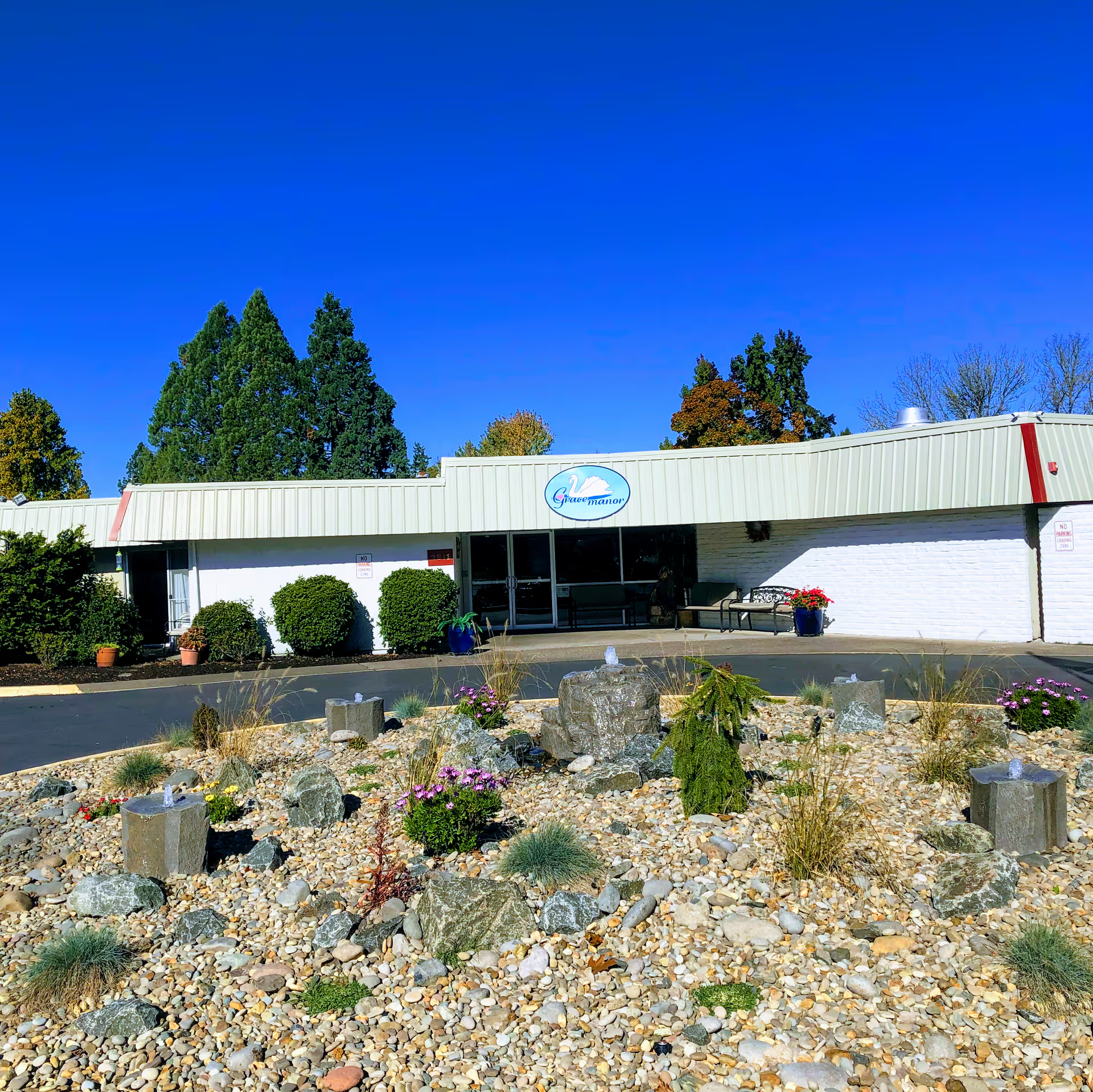
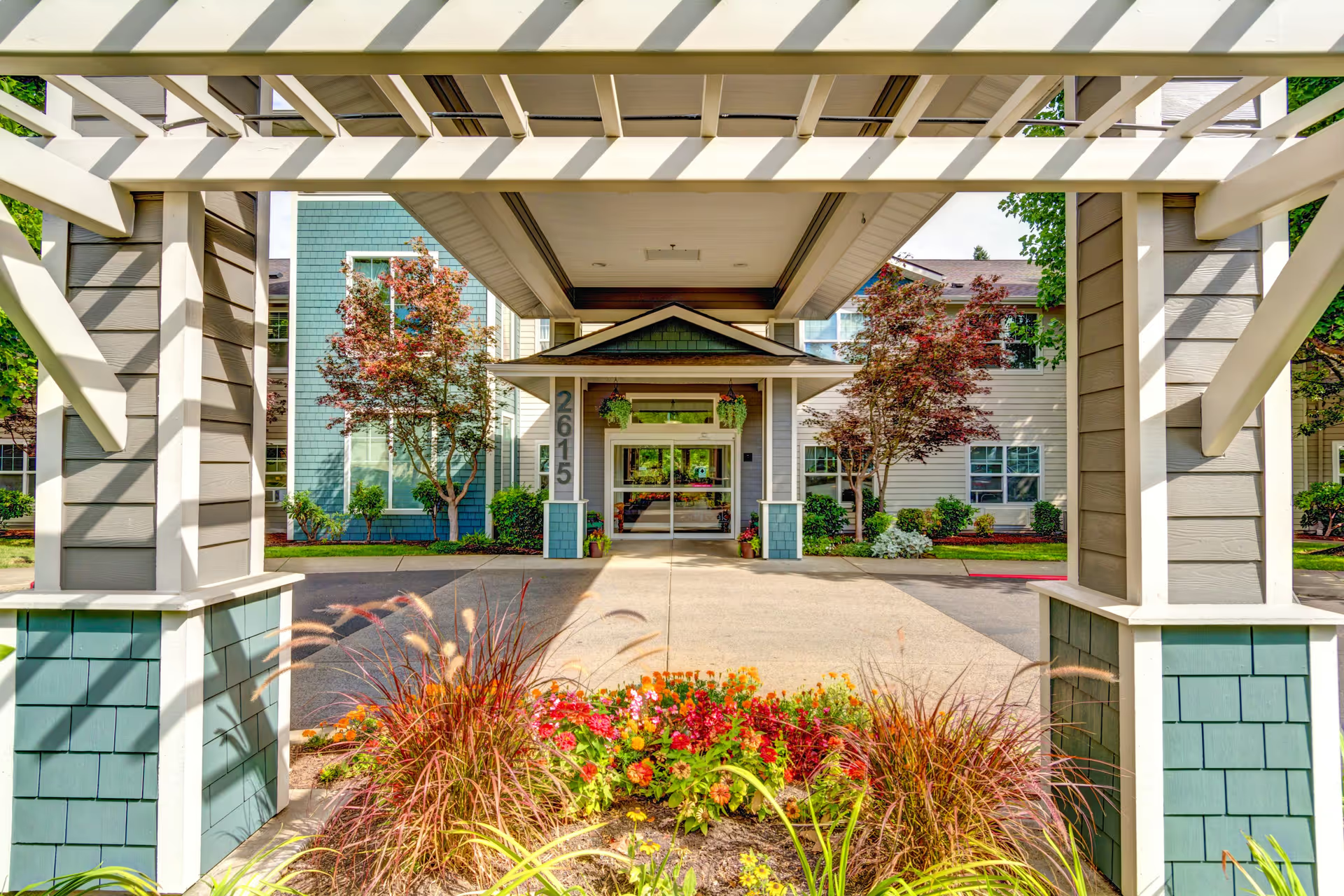
Facility condition and sanitation also vary by report. Several reviewers describe clean, orderly rooms and communal spaces, but an equal number describe sanitation concerns, odor issues in parts of the building, and cleanliness inconsistencies during night shifts. Physical-plant observations include older furniture and areas that feel dated; a small set of reports note uncomfortable room temperatures and nighttime noise disruptions.
Communication, documentation, and management stability are recurring themes. Families cite inconsistent updates, delayed or missing incident reports, and administrative turnover. Several reviews raise serious operational concerns — including post-fall evaluation practices, delayed clinical follow-up, and alleged missing resident property — which point to gaps in incident-response protocols, documentation, and security procedures. While some administrative staff and the billing office receive positive mentions for helpfulness and flexibility, leadership communication and consistency appear uneven.
In summary, prospective residents and families are likely to encounter strong rehabilitative programming and dedicated individual caregivers at this facility, alongside systemic operational challenges that can affect daily care reliability. The most consistent areas requiring attention are staffing consistency, medication administration safeguards, dining/dietary reliability, sanitation practices in particular units or shifts, and clearer incident-reporting and family communication processes. Those considering this facility should weigh the facility's rehabilitative strengths and dedicated staff against the potential for variable day-to-day operational performance and consider asking targeted questions about staffing ratios, medication protocols, dietary accommodations, sanitation audits, and incident-report procedures before placement.