Overall impression: Reviews exhibit a clear split between strong praise for frontline care and persistent concerns about the facility environment, operations, and leadership. Many families and patients emphasize that staff behavior—particularly nursing aides and therapy teams—is a primary strength: caregivers are described as compassionate, patient, and attentive; therapists are described as knowledgeable and motivating; and short-term rehabilitation outcomes are frequently reported as positive, including rapid recoveries after surgery. Several accounts also highlight practical supports such as safe transport, individualized holiday accommodations, and responsive maintenance staff.
Care and staff: The strongest and most consistent positive theme is the quality of direct care. Frontline employees receive repeated commendations for kindness, patience, and effective hands-on therapy. Night-shift nursing assistants, in particular, are noted positively, and families often say staff listen and communicate well about care goals. At the same time, reviewers describe variability in staffing and responsiveness across shifts—daytime staffing shortages and slow call light responses are cited as operational weaknesses that can affect timeliness of assistance.
Dining and activities: Opinions about dining are mixed, ranging from praise for “gourmet” meals to criticisms calling the food unappetizing. This suggests inconsistent meal quality or variable menu execution. Activity and accommodation highlights include private rooms for rehab patients and individualized events (for example, holiday arrangements), which families appreciated. Prospective residents may want to review current menus and activity calendars during a tour to assess fit and consistency.
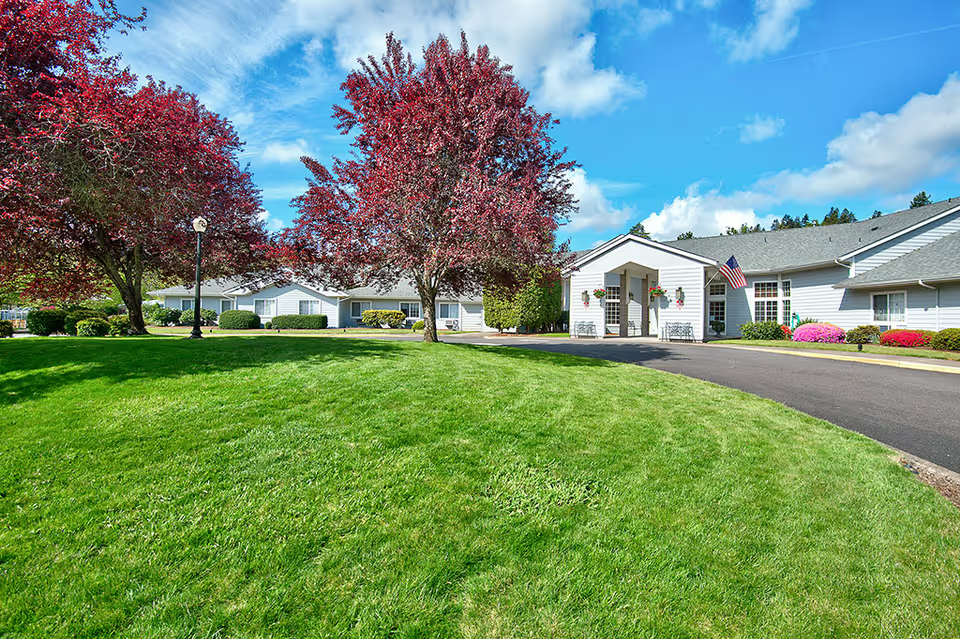
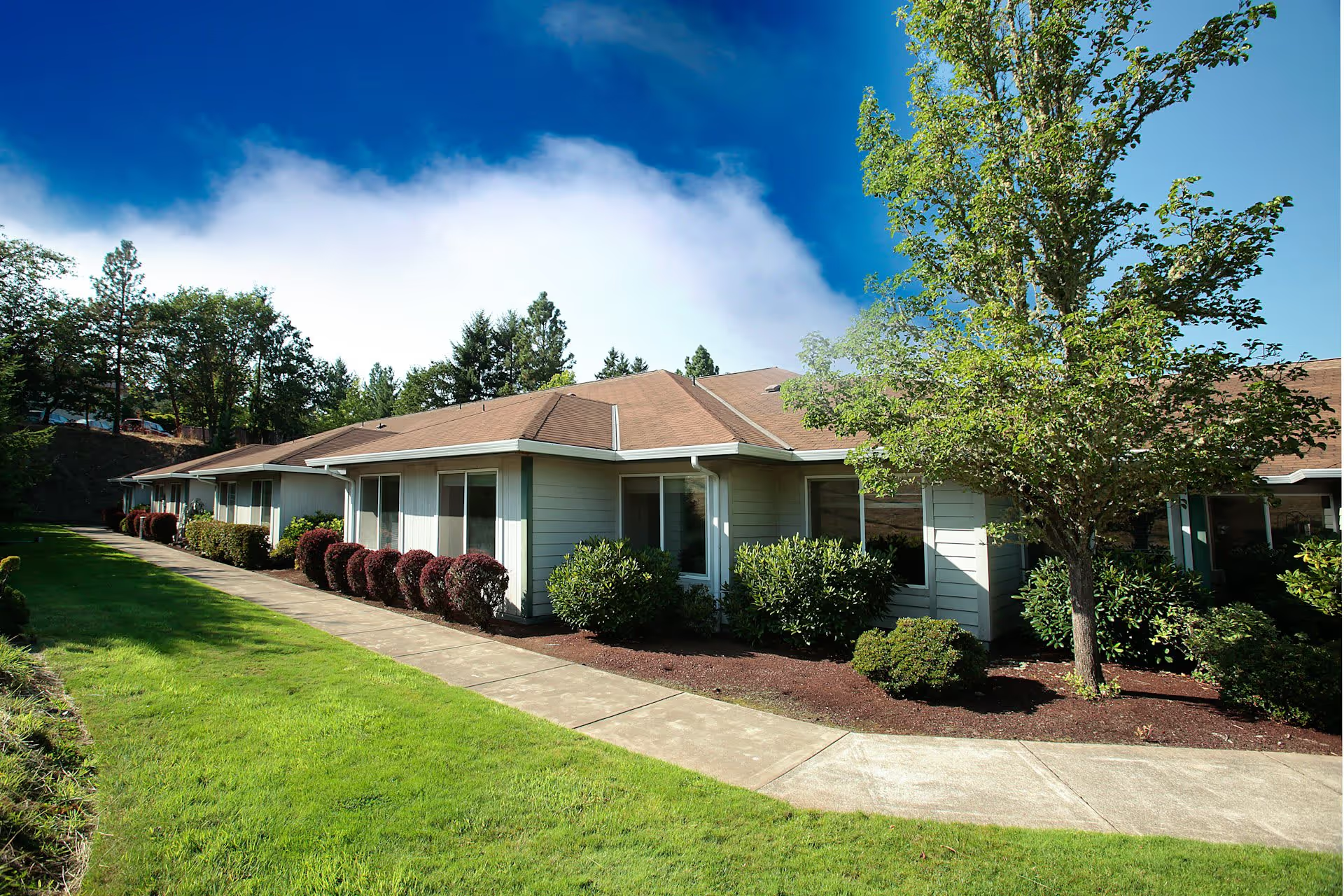
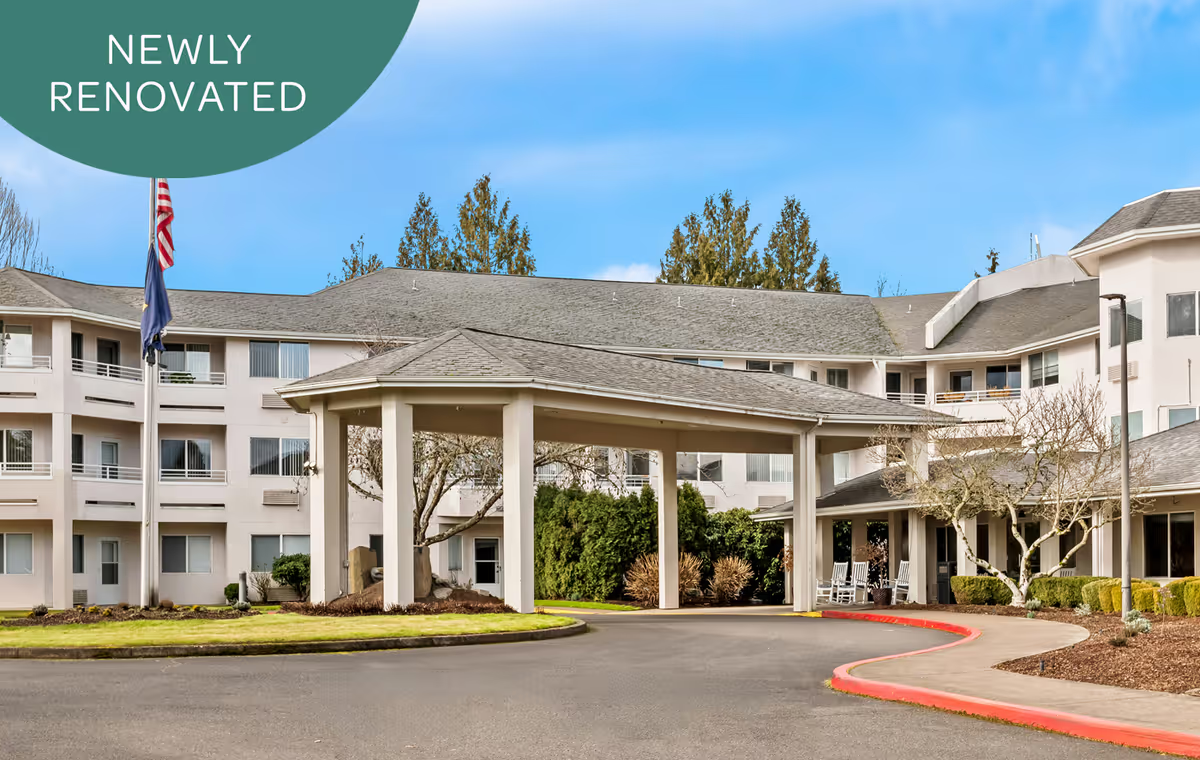
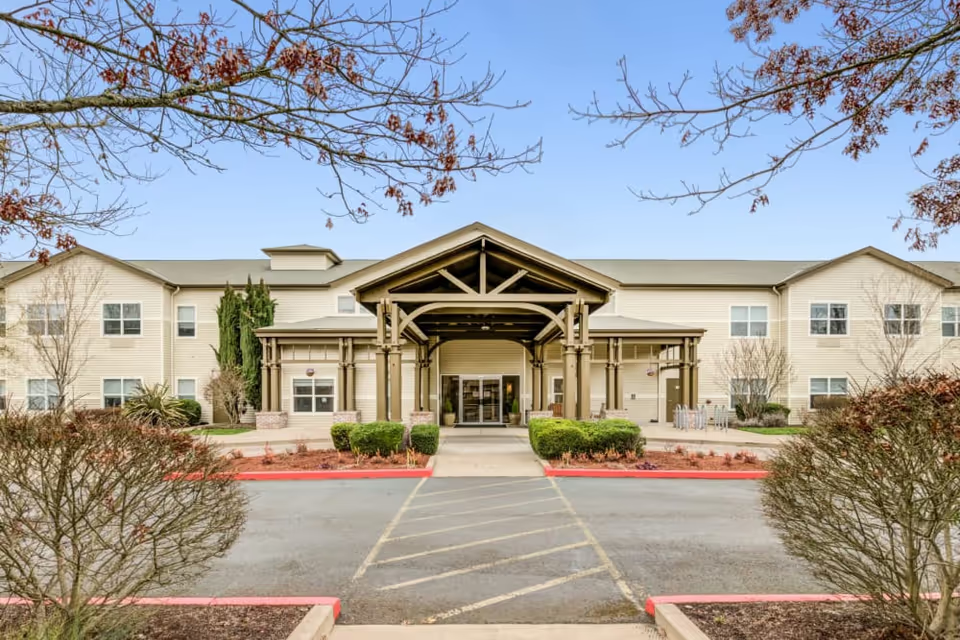
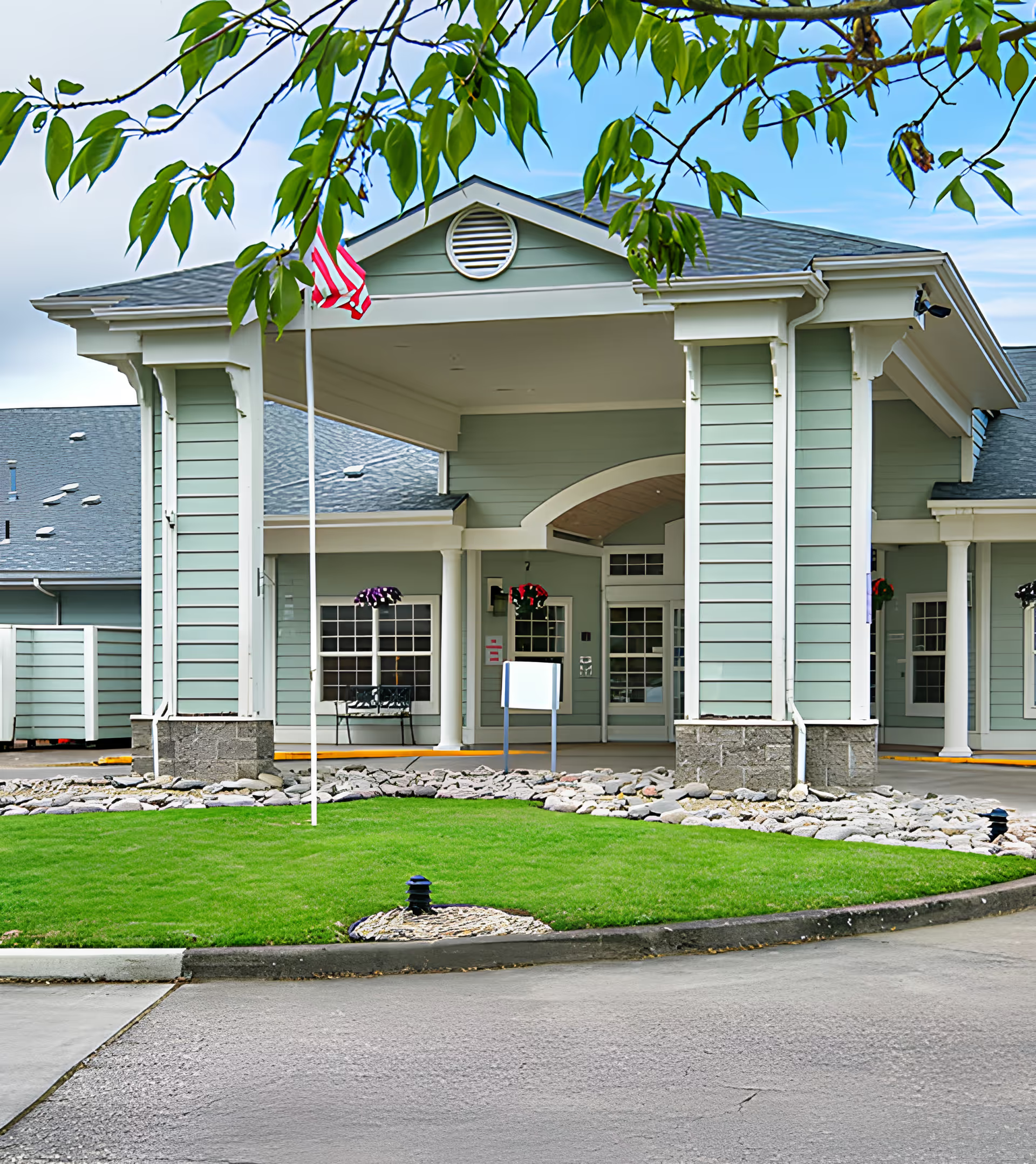
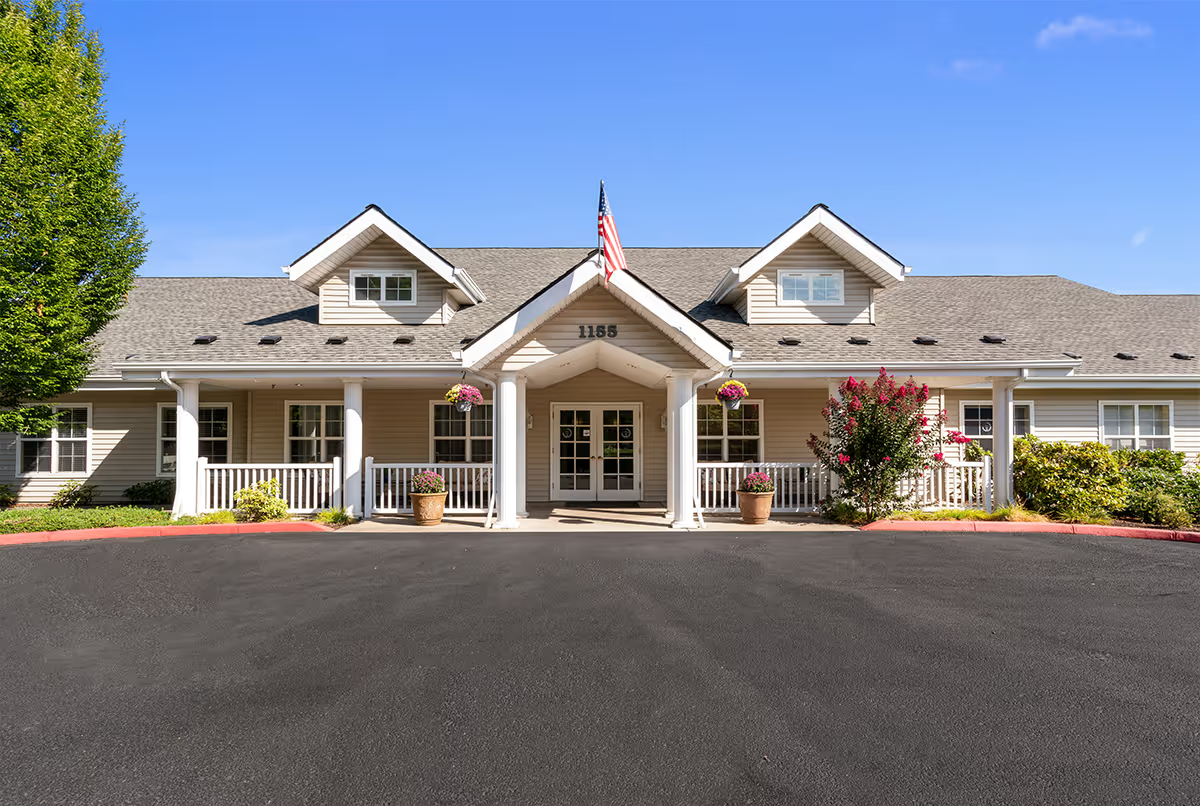
Facilities and maintenance: Multiple reviews describe an aging physical plant and worn furnishings—peeling paint, exposed hardware, flickering lights, and outdated rooms are cited alongside positive notes that some rooms feel homey. Equipment reliability issues such as inoperative call buttons and bed/furniture wear are mentioned; these indicate maintenance and safety-oversight gaps rather than isolated preferences. There are also references to odor concerns and variable cleanliness standards, signaling that sanitation and environmental upkeep may be uneven across units.
Management and operations: Several reviews raise concerns about leadership, noting management turnover, reports of regulatory violations, and perceived lapses in safety oversight. These comments are more administrative in nature and contrast with the generally favorable descriptions of direct-care staff. Admission and intake processes are described by some as impersonal or intrusive, which may affect early impressions and family confidence. Taken together, the pattern suggests strong bedside caregiving but potential weaknesses in governance, consistency, and facility investment.
Notable patterns and recommendations: Prospective residents and families should weigh the consistently positive accounts of staff compassion and therapy outcomes against recurring operational complaints—particularly infrastructure age, maintenance reliability, inconsistent dining, shared-room instability, and management/regulatory concerns. Recommended steps before deciding include touring multiple room types (private vs. shared), asking for current staffing ratios by shift, reviewing recent inspection or regulatory documentation, sampling current menus, and inquiring about scheduled capital improvements and maintenance response times. These targeted questions will help reconcile the facility’s strong clinical reputation at the bedside with mixed reports about facility condition and administrative oversight.