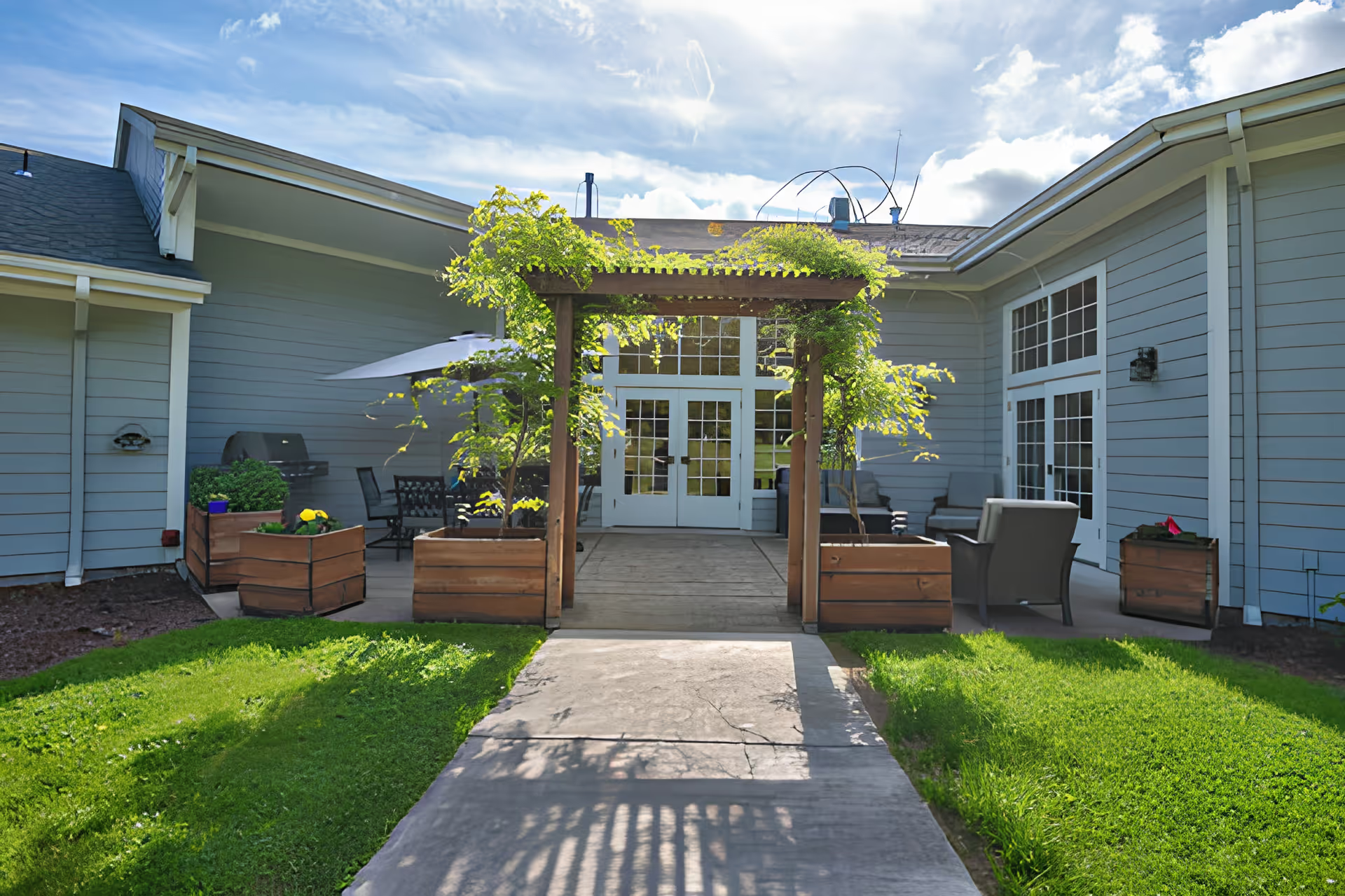
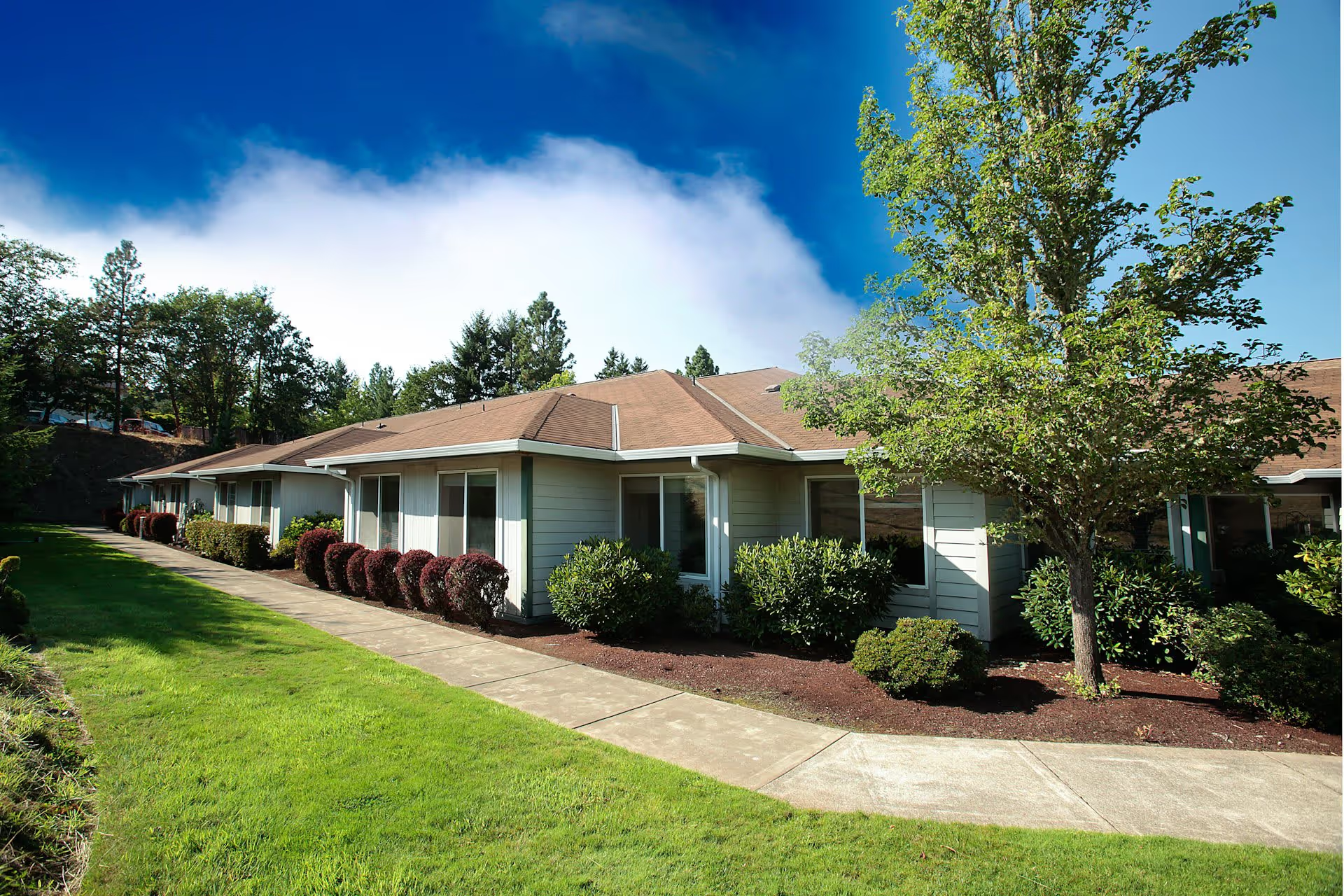
Reviews describe a facility with clear strengths in bedside care and rehabilitation, alongside recurring operational weaknesses. Many families and patients praised nursing staff, CNAs, and therapy teams for being compassionate, attentive, and effective in facilitating returns home. Hospice coordination and individualized end-of-life support were highlighted as well-managed. Maintenance and grounds were frequently described as responsive and pleasant, and the facility offers active recreational programming and accessible outdoor space.
Care quality appears mixed. Several accounts emphasize prompt assistance, regular nursing check-ins, and skilled physical/occupational therapy that produced positive rehabilitation outcomes. At the same time, there are documented concerns about medication management (timing and coordination), adverse medication effects in isolated cases, and lapses in catheter-related clinical practices. These patterns suggest variability in clinical consistency rather than uniformly high or low clinical performance.
Staff behavior and responsiveness also show a split pattern. Many reviews praise individual caregivers and note supportive communication from nursing leadership and administration. Conversely, there are repeated descriptions of overworked CNAs, instances of unprofessional conduct or brusque communication, and periods when residents experienced delays in assistance. Dedicated aides and engaged nurses are commonly noted as strengths; staffing variability and workload appear to drive the negative experiences.
Dining and activities are uneven. The facility provides three meals daily and an active activities program — examples include participation in local events and on-site entertainment. However, food quality and cafeteria service are frequently criticized as bland or canned in nature, and some families requested more varied, homelike dining and musical/quiet programming. Activity availability is present but appears inconsistent across stays.
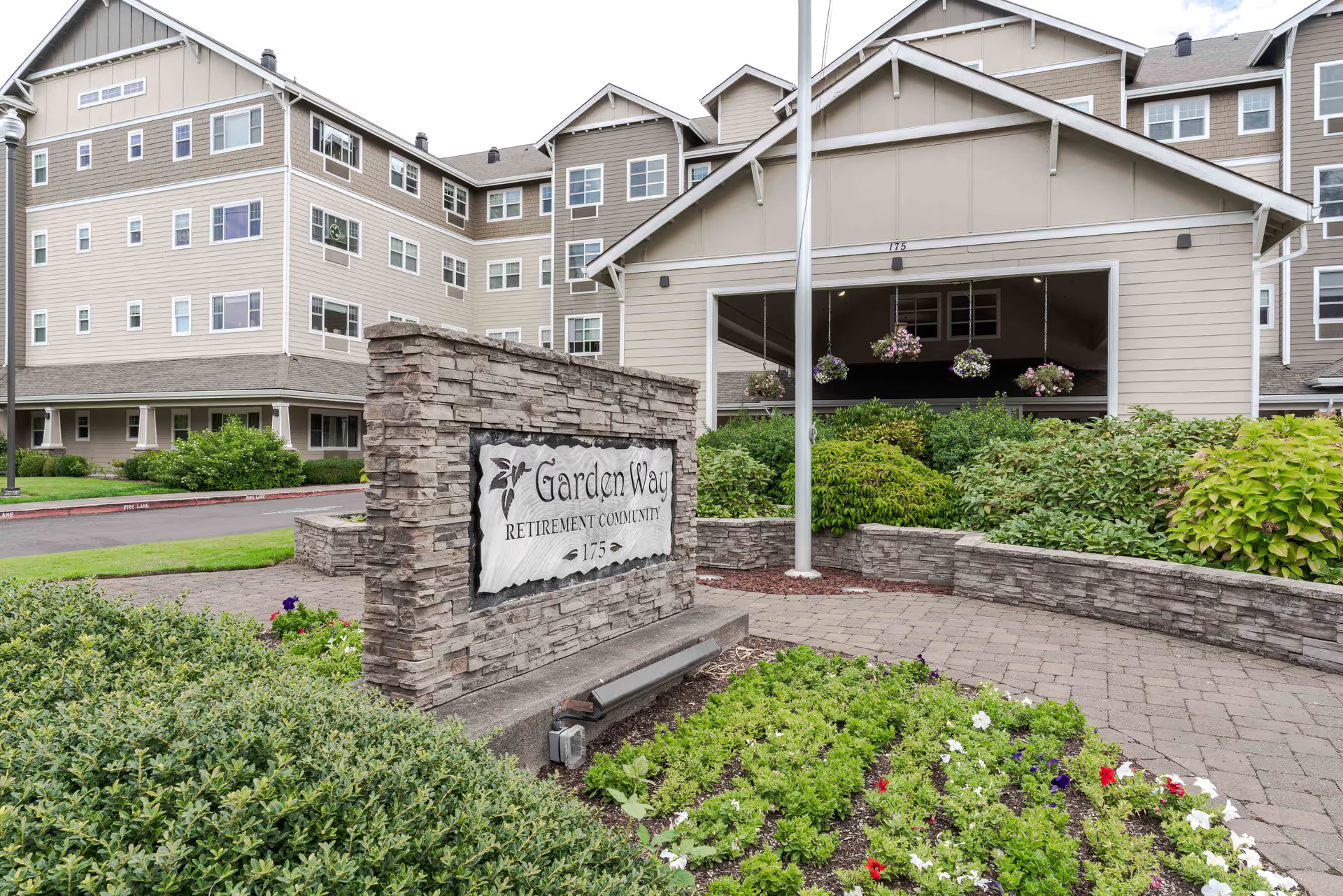
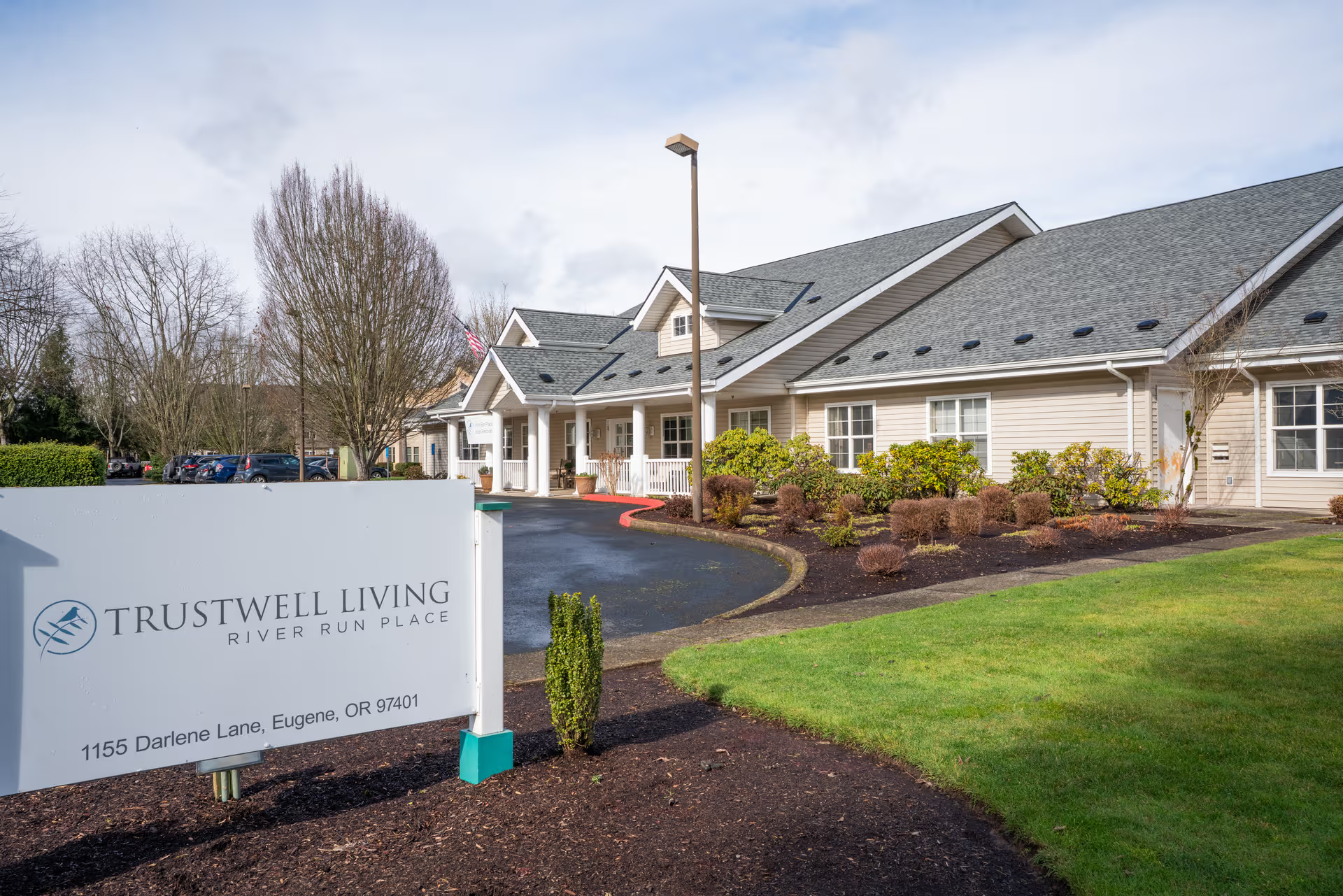
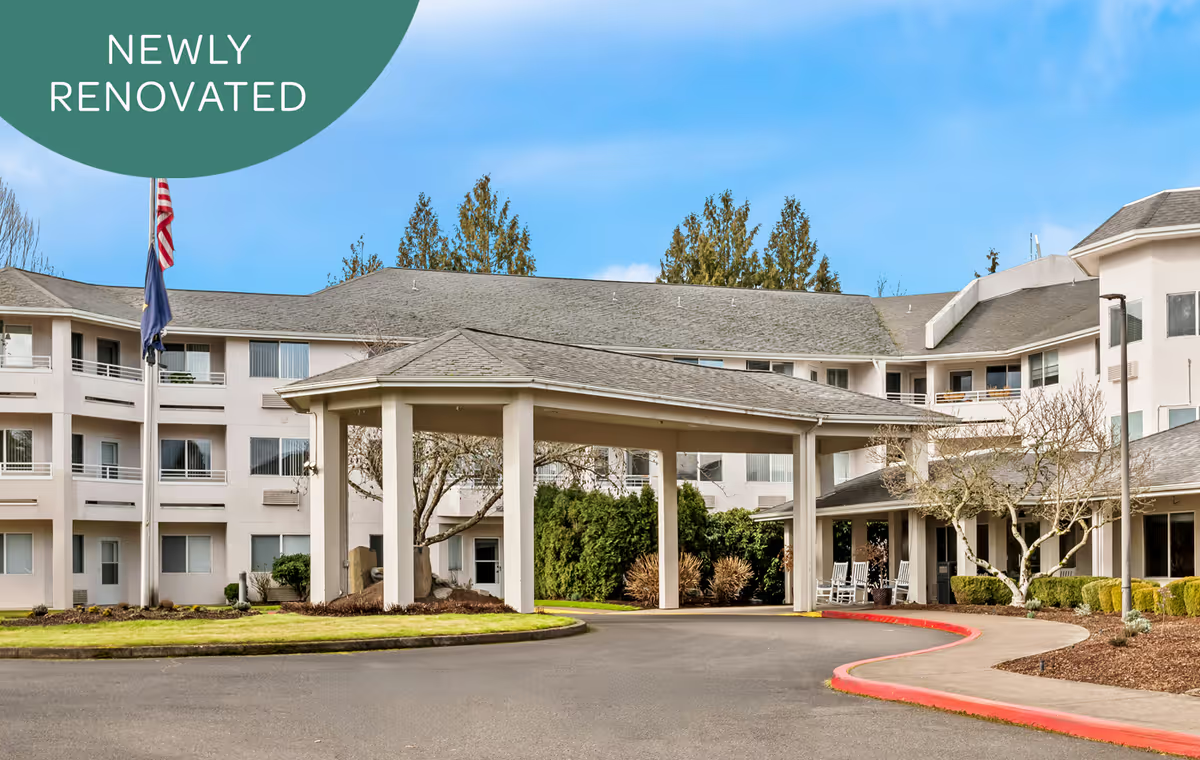
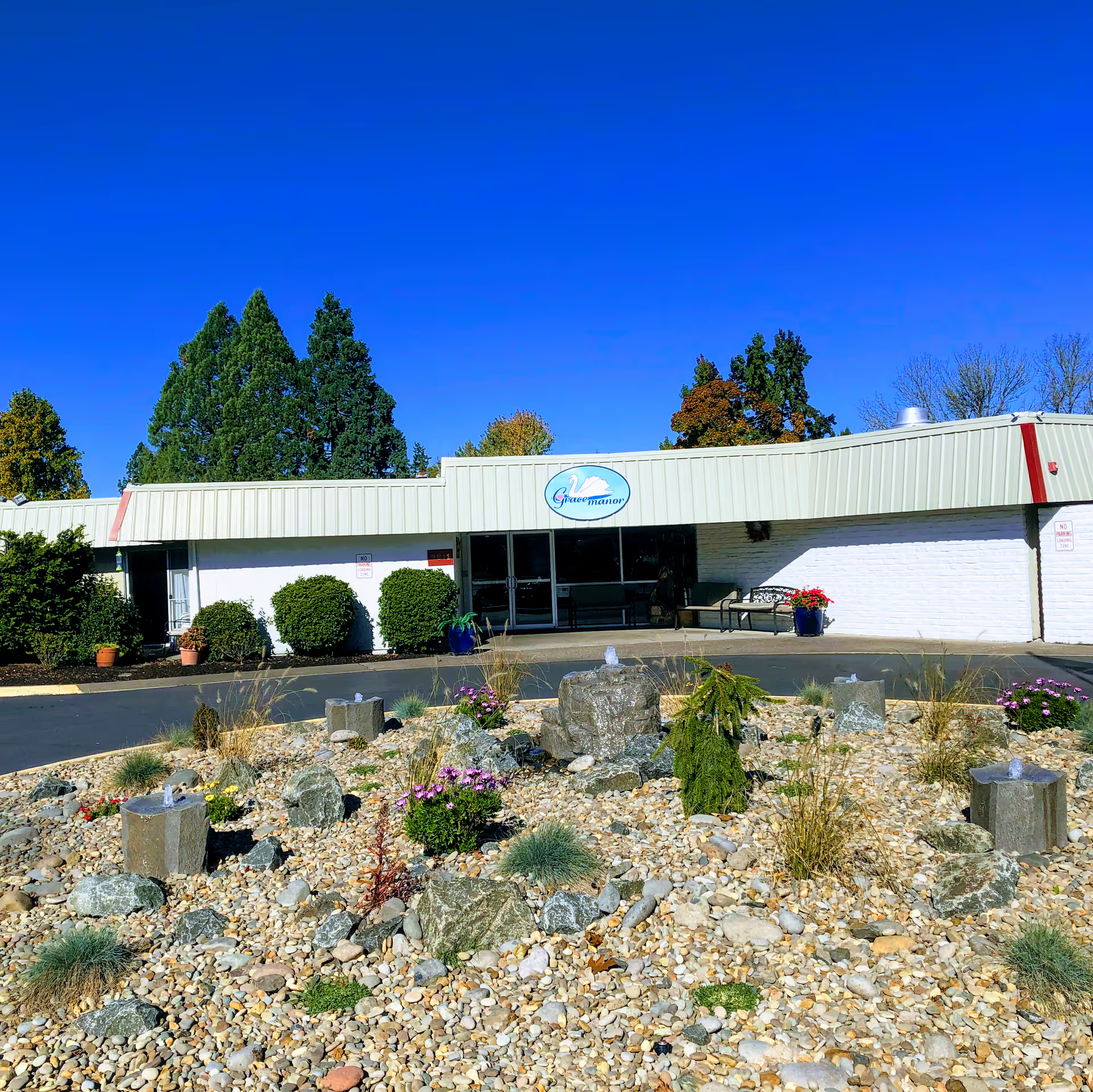
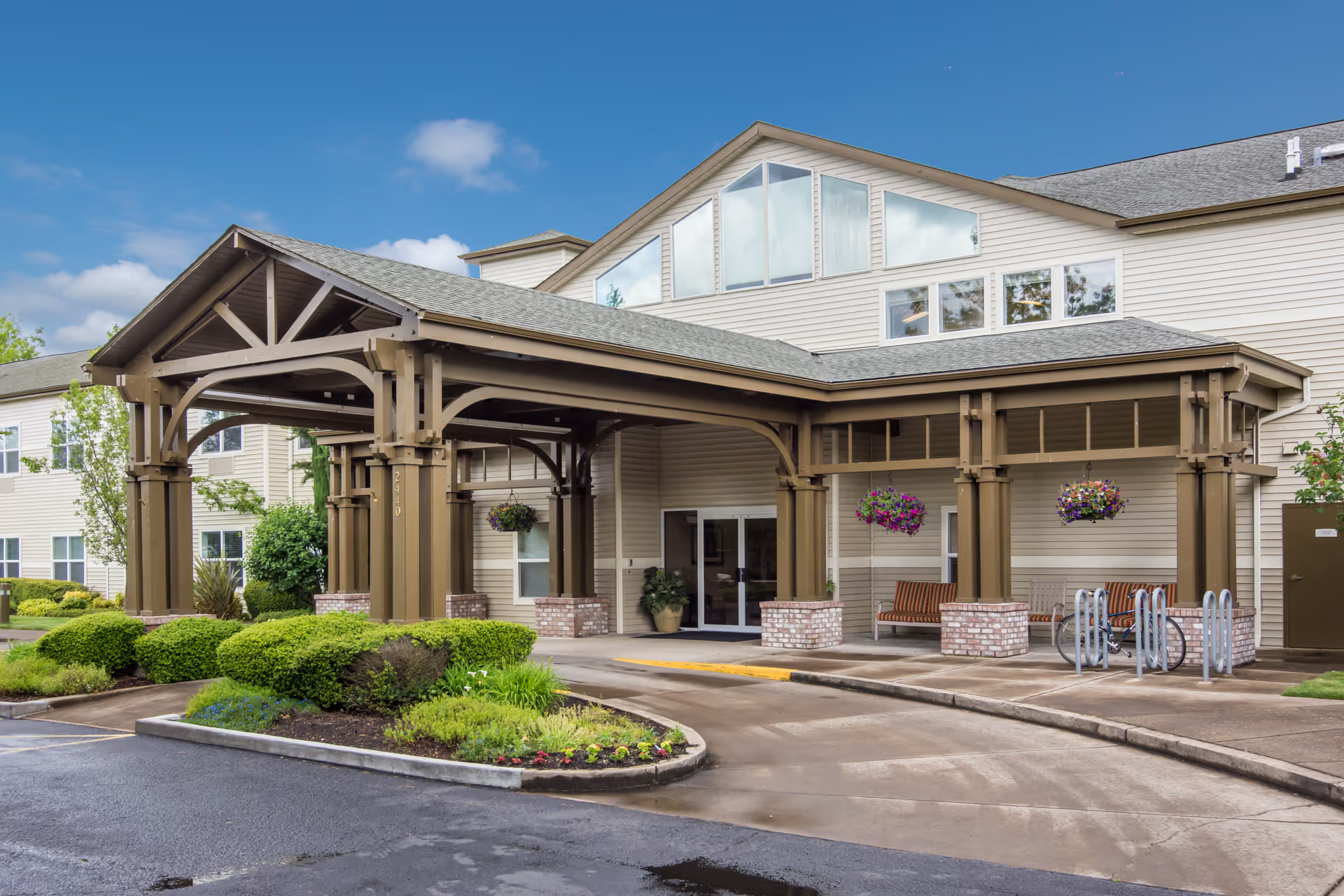
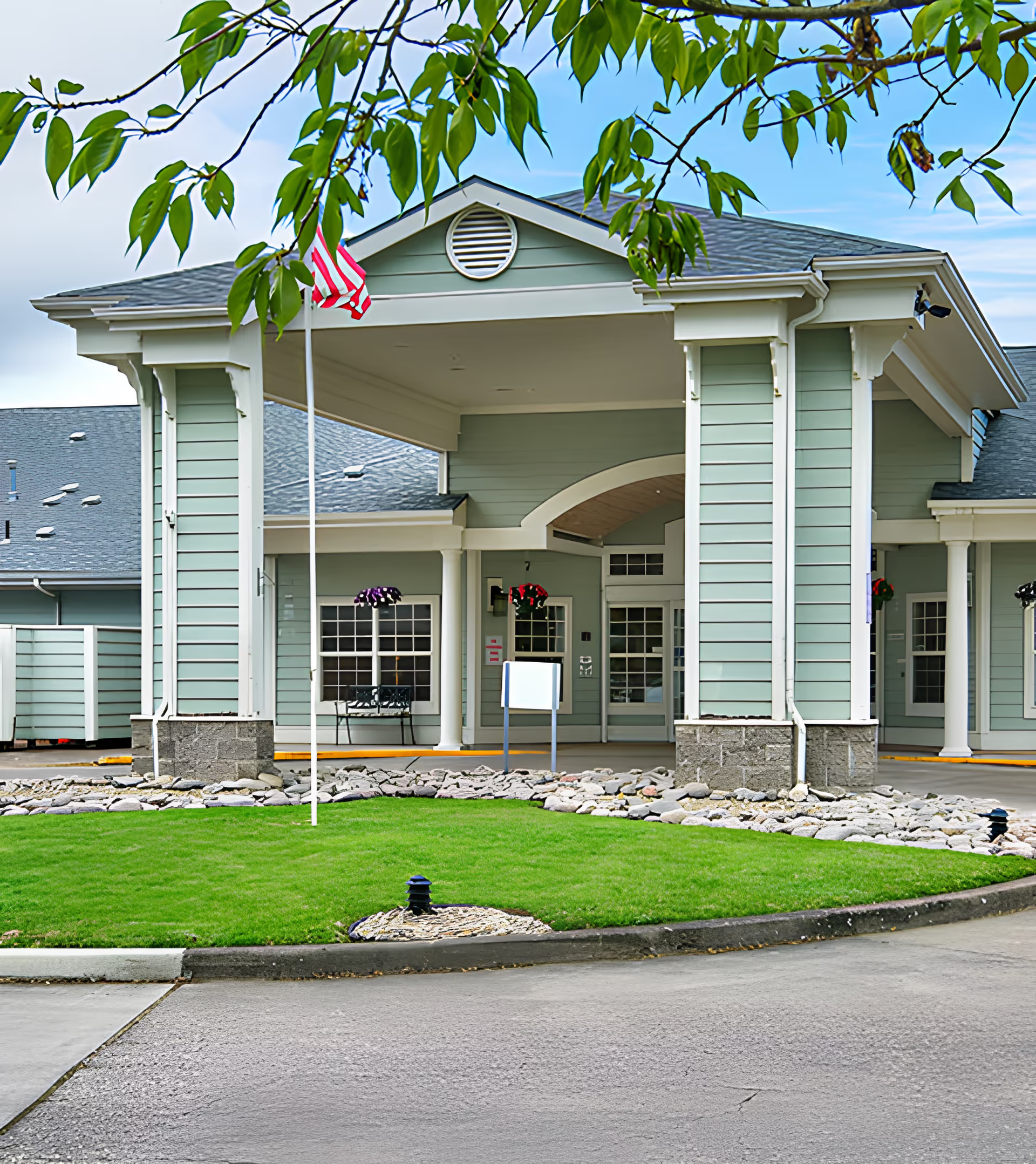
Physical environment feedback is mixed. The campus and outdoor areas are seen as attractive and well-kept, and maintenance responsiveness is a positive. Many parts of the building, however, are described as older and in need of updates: bathrooms that are not fully disability-friendly, cramped shared rooms that limit space for medical equipment, aging carpeting, and sanitation concerns in certain rooms and bathrooms. These factors affect privacy, comfort, and the practical delivery of care.
Management and operational patterns warrant attention. Several accounts note accessible leadership and effective coordination in particular cases, while others describe gaps in follow-up, inconsistent family communication, and troubling operational issues such as medication delays and infection-prevention shortcomings. There are also serious, isolated claims involving mishandled resident valuables; these have been characterized as allegations and represent a separate area to investigate. Prospective families should inquire specifically about staffing levels, medication-administration processes, infection-control protocols, room configurations, and valuables/security procedures during a tour.
Overall, Hillside Heights Rehabilitation Center demonstrates notable strengths in compassionate caregiving, rehabilitation services, hospice coordination, and facility upkeep. Those positives are tempered by recurring concerns about staffing consistency, medication and clinical-process reliability, food quality, and the need for physical upgrades. An on-site visit focusing on care routines, staffing ratios, medication safety measures, and room accessibility will help families weigh the facility's rehabilitative and interpersonal strengths against the operational limitations described in reviews.