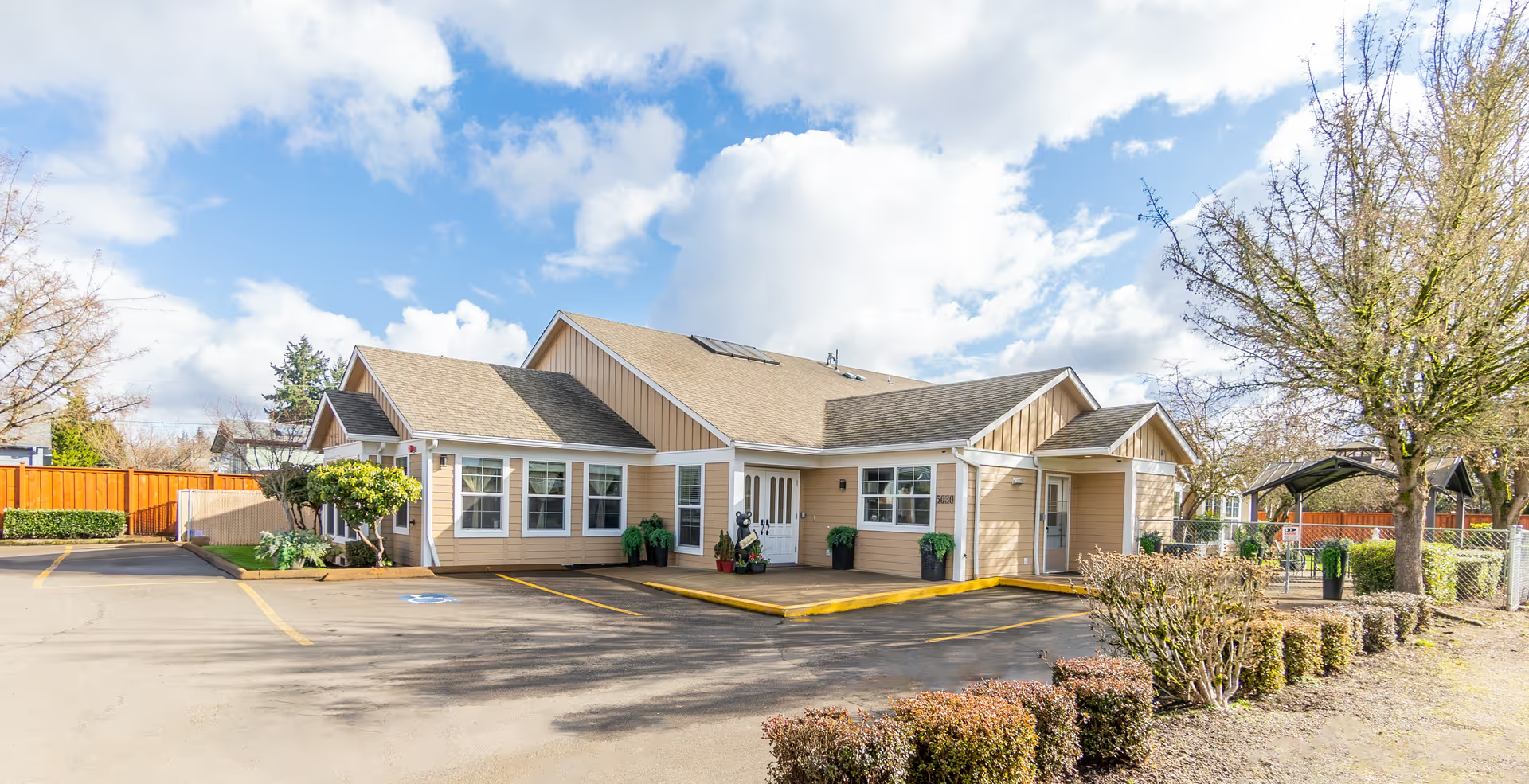
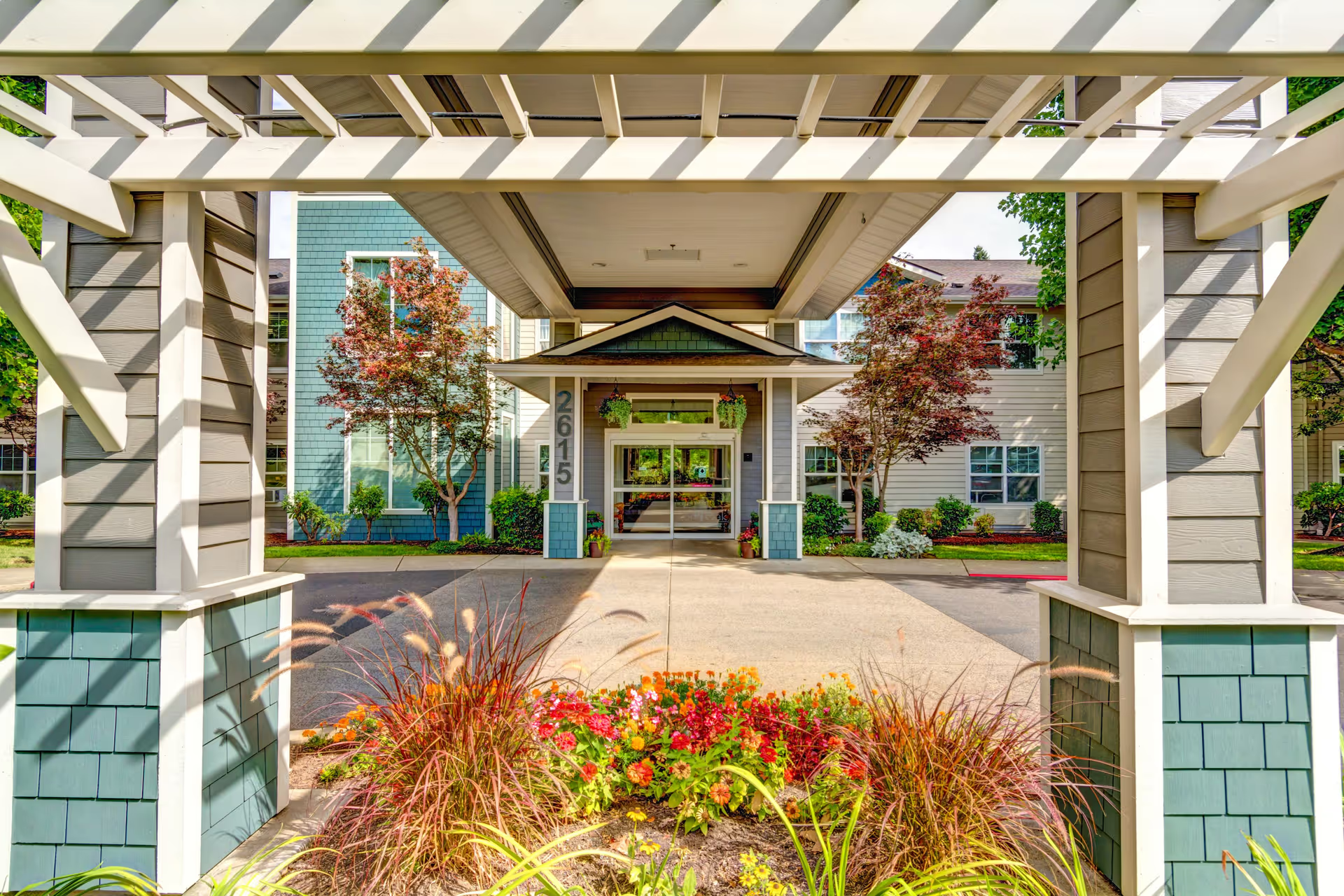
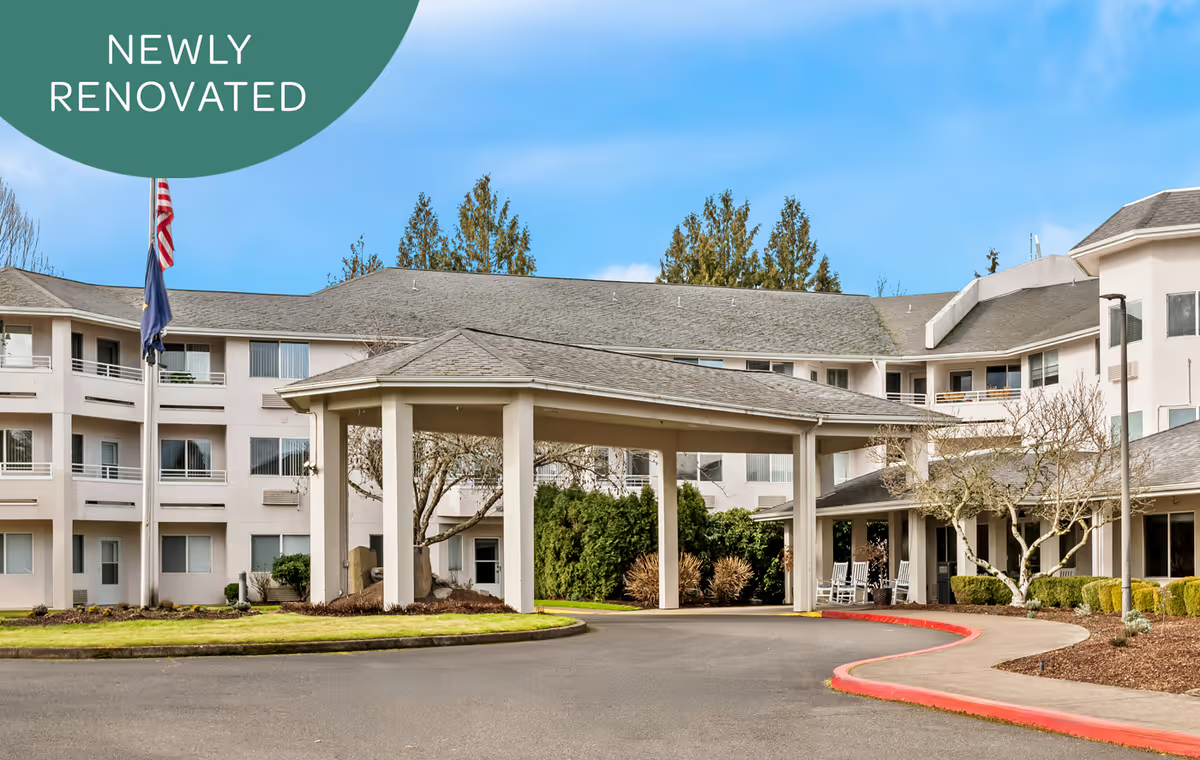
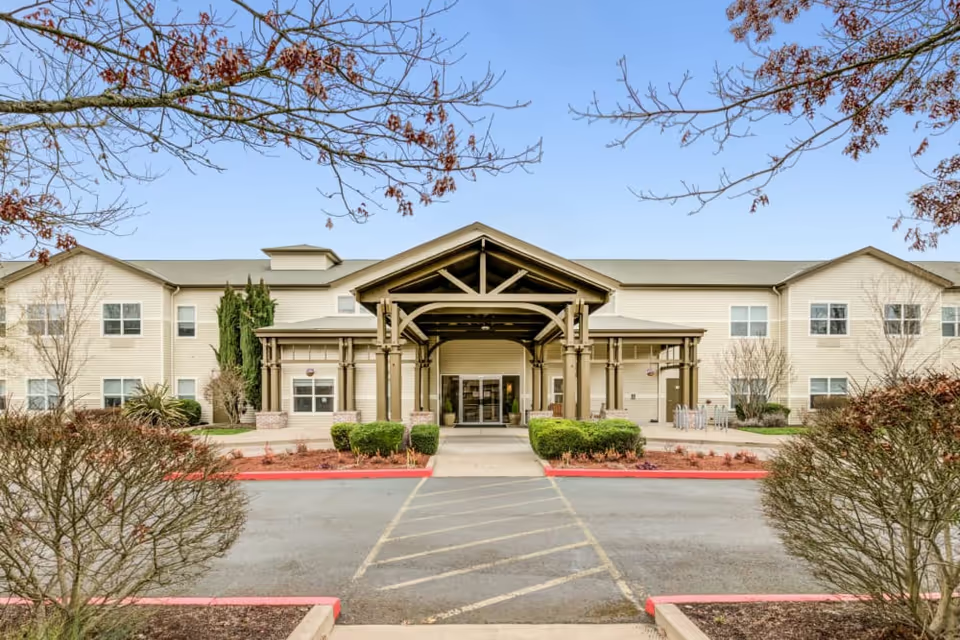
The reviews describe a facility with a clear strength in its frontline clinical and therapy teams and notable operational weaknesses that affect consistency of care. Many accounts highlight compassionate, engaged CNAs, nurses, and an effective physical/occupational therapy department that support rehabilitation and recovery. Several families and residents praised helpful night staff, attentive therapists, and staff who facilitate insurance/Medicare processes; communal spaces and portions of the building are described as clean, bright, and home-like.
Despite those strengths, there is a recurrent theme of staffing instability and uneven care delivery. Reviews point to frequent understaffing, long waits for call-light response, and delayed attention to toileting and other basic needs. These operational shortfalls are linked to delayed medication administration, inconsistent clinical monitoring (including wound and pressure-prevention care), and safety gaps such as falls and transfer-safety concerns. Several reviewers also described delays in diagnostic testing and problems handling specimens, which suggests process and coordination weaknesses in clinical workflows.
Dining and nutrition receive mixed evaluations: some residents report good, customizable meals and attentive dining service, while others note menu disruptions, lack of diabetes-specific planning or snacks, unintended weight loss, and variable portioning. Activity programming and recreation are available and well-liked by many residents, but high-acuity patients and those experiencing pain or mobility limitations may have difficulty participating due to staffing or care-priority constraints.
Facility maintenance and cleanliness are uneven across units. Some wings and rooms are described as clean and well-maintained, whereas other comments cite cleanliness issues, supply shortages (towels, linens, working dispensers), and areas needing repair or updating. Management impressions are mixed: several reviewers credit hands-on administrative responsiveness and corrective action after family escalation, but others report perceived profit-driven decisions, inadequate oversight, problematic scheduling, and a workplace culture with high turnover and interpersonal conflict. A pattern emerges of polarized experiences—many positive frontline interactions coupled with system-level operational gaps—so prospective residents and families should weigh therapy strengths and staff compassion against possible variability in staffing, communication, and care continuity.