Reviews of Fairlawn Health and Rehabilitation of Cascadia present a strongly polarized picture: many families and residents describe attentive, compassionate caregivers, an active therapy program, and engaged administrative staff, while other accounts identify significant operational and clinical weaknesses. The favorable comments emphasize warm, family-like interactions, effective rehabilitation services that support return-to-function and weight gains, helpful front-office support (including Medicaid navigation), and an activities program that promotes socialization. Several reviewers also noted improvements tied to new ownership and visible managerial engagement.
Clinical-care feedback is mixed. Positive accounts praise attentive CNAs and therapists; however, a subset of reviews raises substantive concerns about medication administration, clinical oversight, wound and infection management, and the facility’s ability to follow through on special-diet or individualized care plans. These concerns cluster around inconsistent application of clinical protocols, delays in responding to resident needs, and variable follow-up on nursing or physician orders. There are also reports that have prompted questions about end-of-life coordination and timing of clinical escalation.
Staffing, communication, and conduct also show variability. Many reviews highlight supportive, professional nurses and an administrative team that advocates for residents. Conversely, other reviews describe delays in call-light responses, lapses in incontinence-care or hygiene-management, and instances of unprofessional communication style. Visitor-access issues — such as restricted restroom assistance or locked doors that complicate visits — were mentioned alongside praise for staff who are flexible and responsive when concerns are escalated.
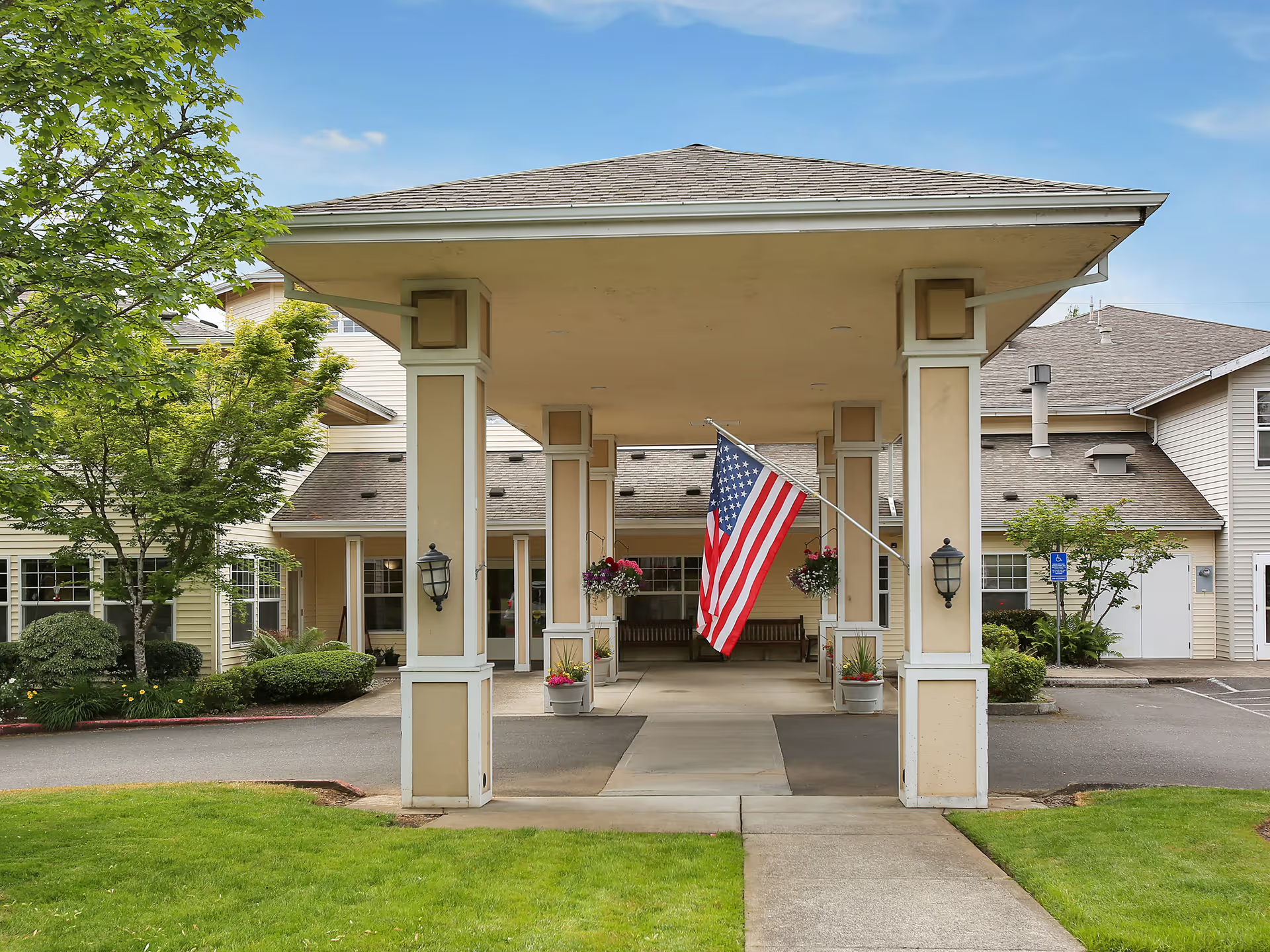
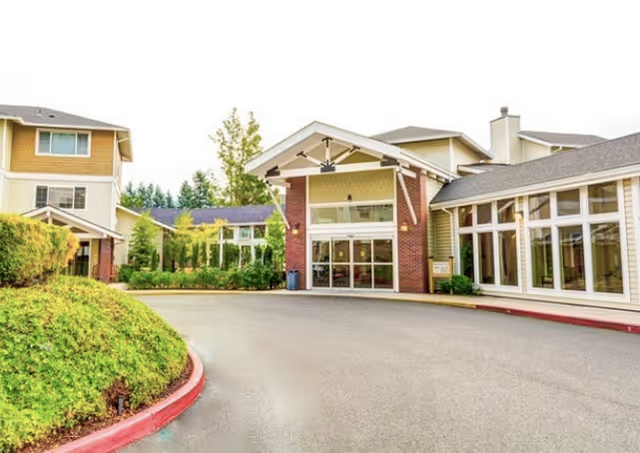
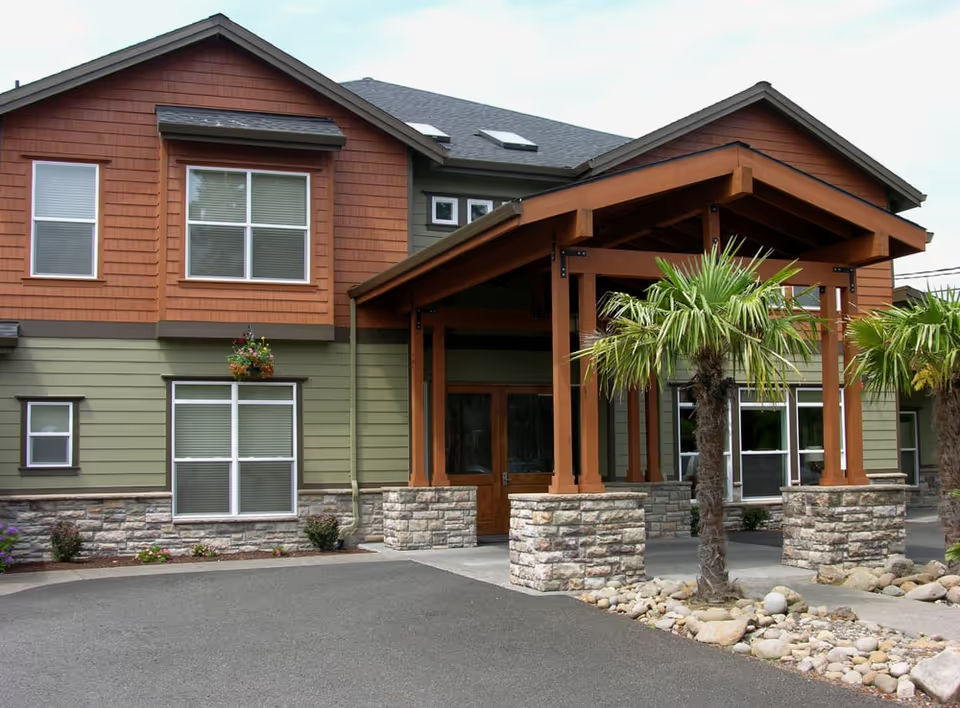
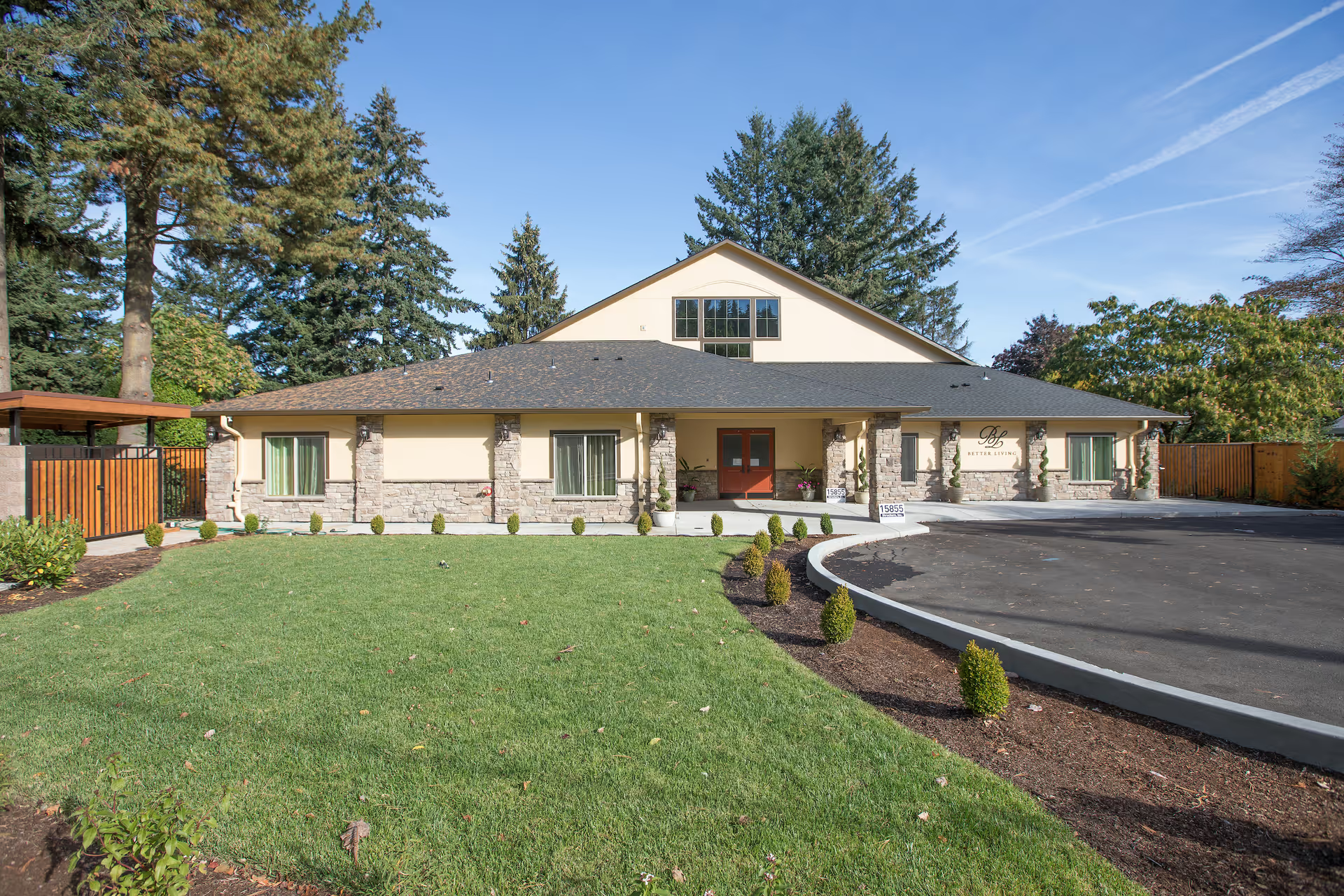
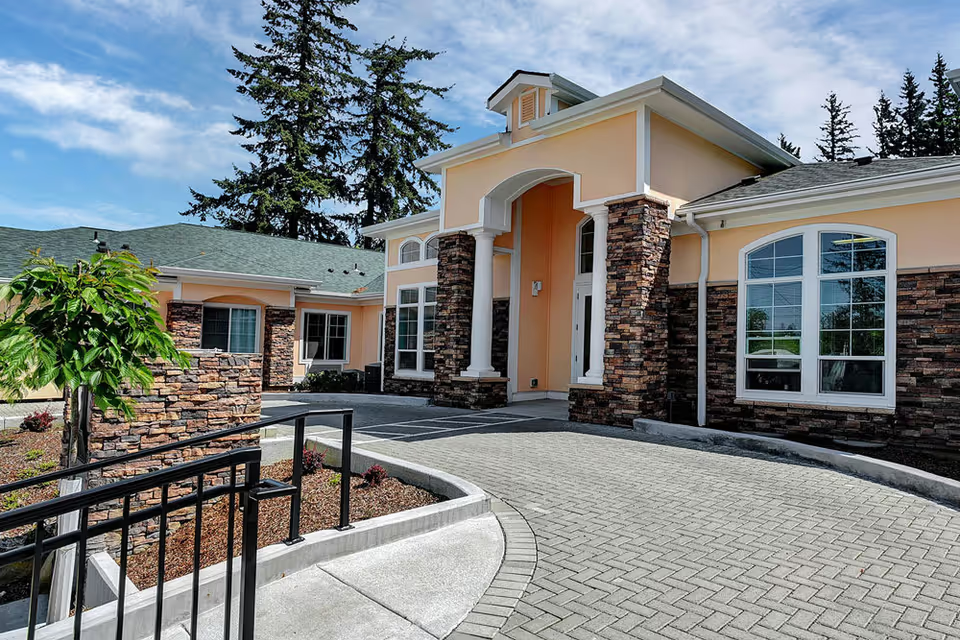
Dining, activities, and facilities likewise produce mixed impressions. The activities program and opportunities for social engagement were consistently described as strengths; several families credited activities staff with improving appetite and mood. Meal quality was described as inconsistent, and the facility’s responsiveness to special-diet requests was sometimes slow. Facilities were often described as clean and well maintained in common areas, though there are isolated sanitation and cleanliness inconsistencies noted in some accounts.
Notable operational patterns that emergent reviewers should consider when evaluating this facility include: medication-management and clinical-oversight variability; potential delays in direct-care response times; gaps in wound, infection, and end-of-life care coordination; inconsistent meal and special-diet follow-through; visitor-accessibility concerns; and serious allegations about billing controls and unauthorized charges. Many reviewers who encountered problems described positive outcomes when issues were escalated to specific administrative staff members, which suggests that family advocacy and direct communication with leadership can influence resolution. Prospective residents and families may wish to tour the facility, ask about staffing levels and call-response metrics, review medication-administration and infection-control protocols, clarify visitation and restroom-access policies, and request written billing safeguards before admission.