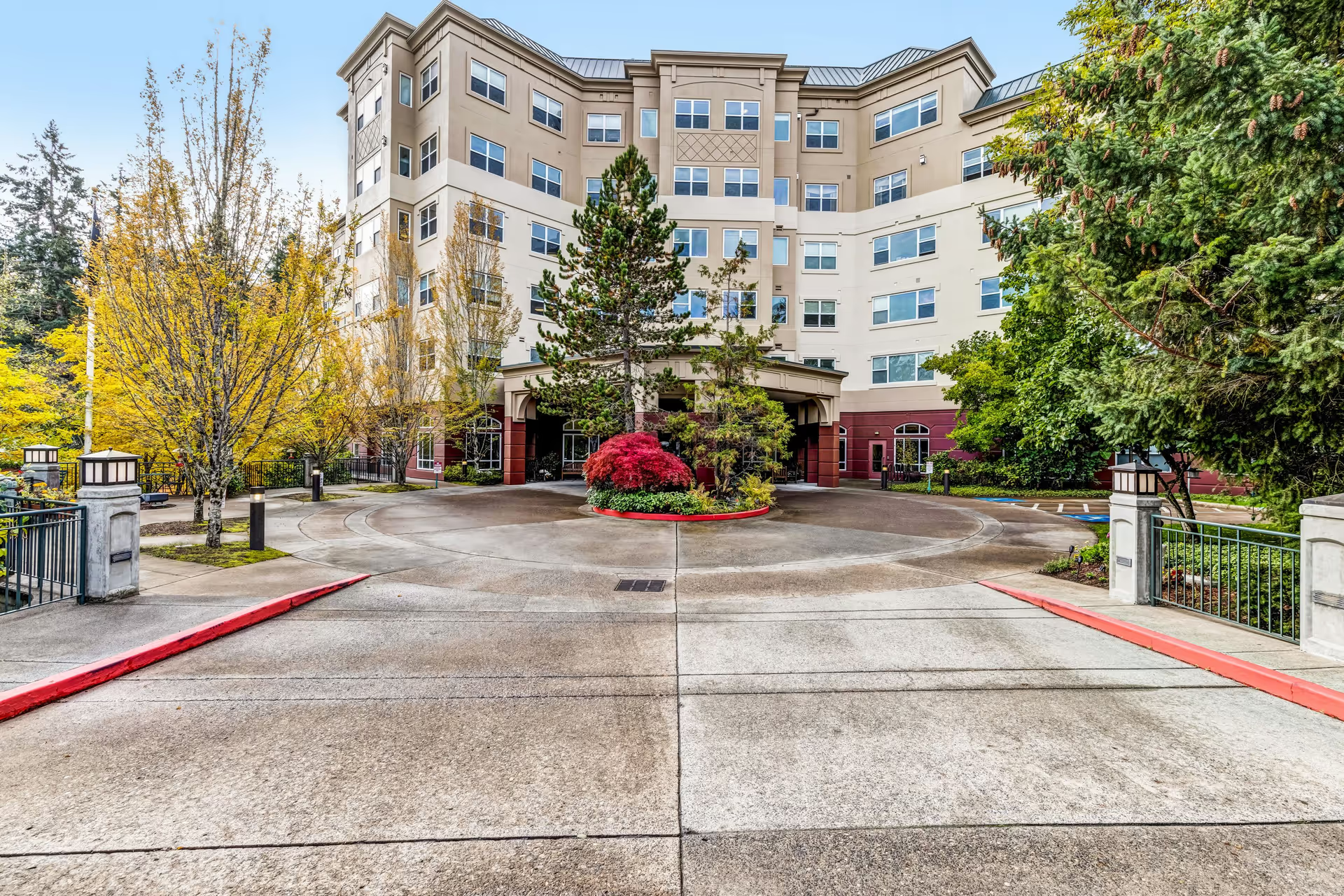
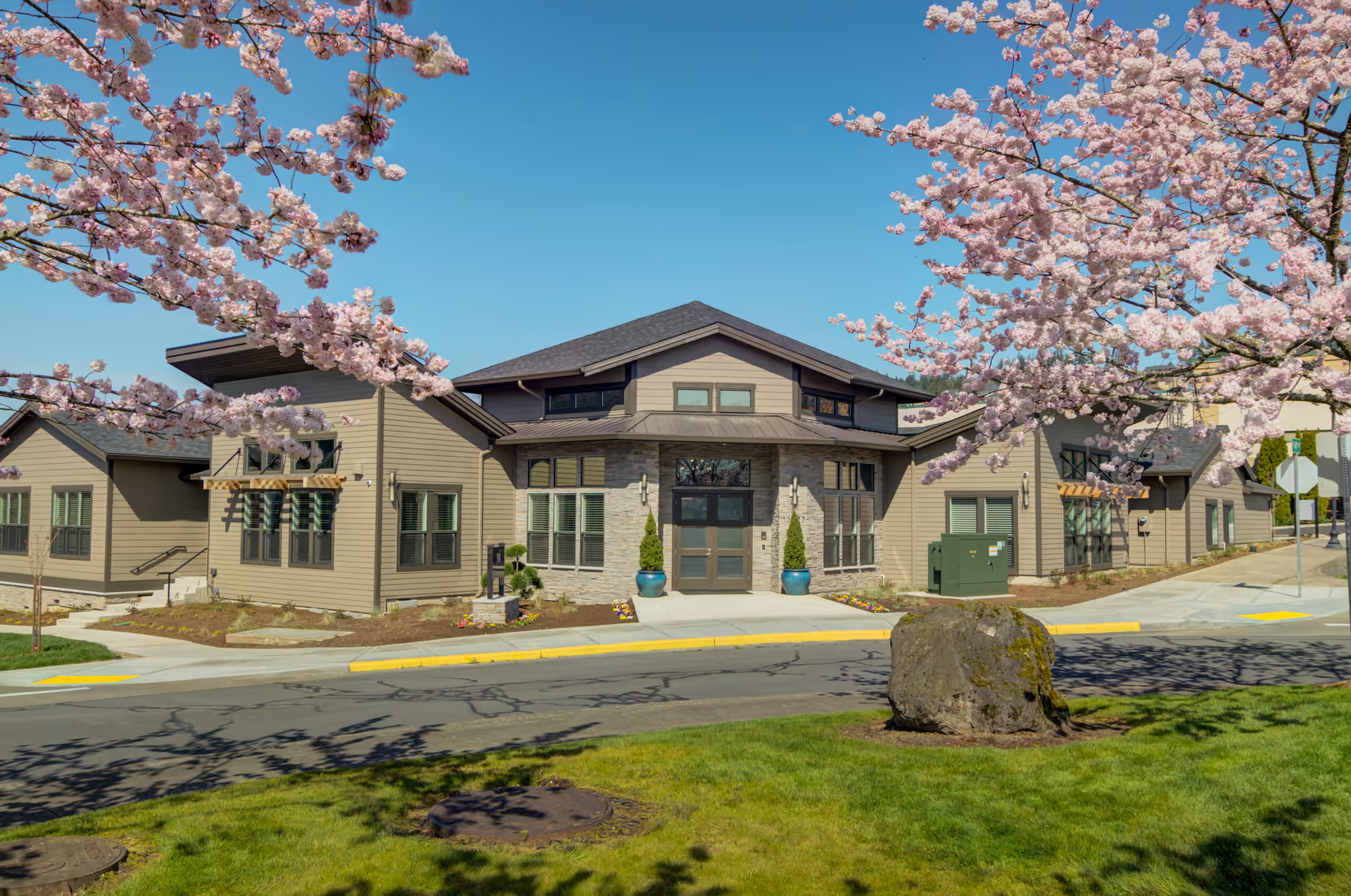
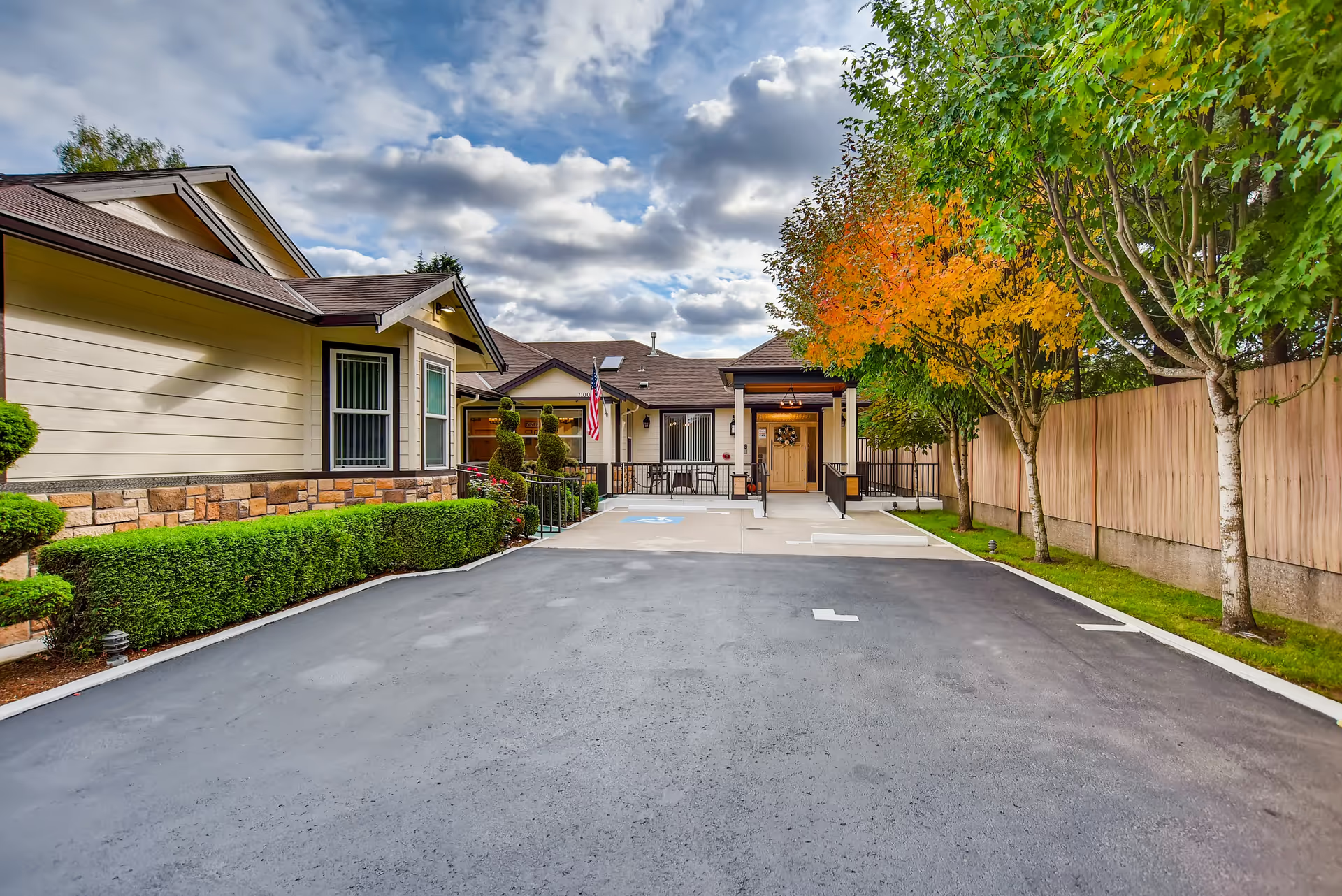
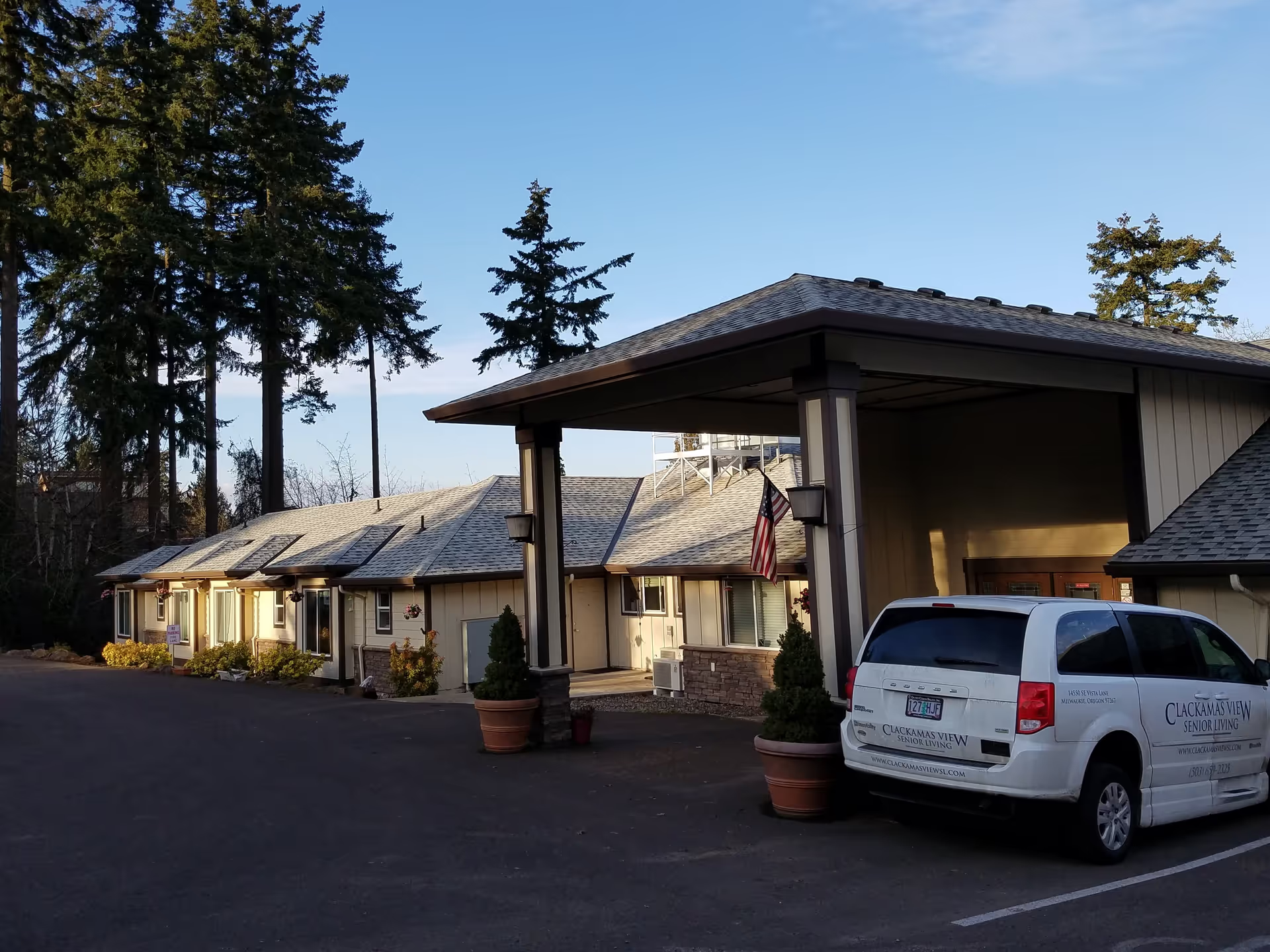
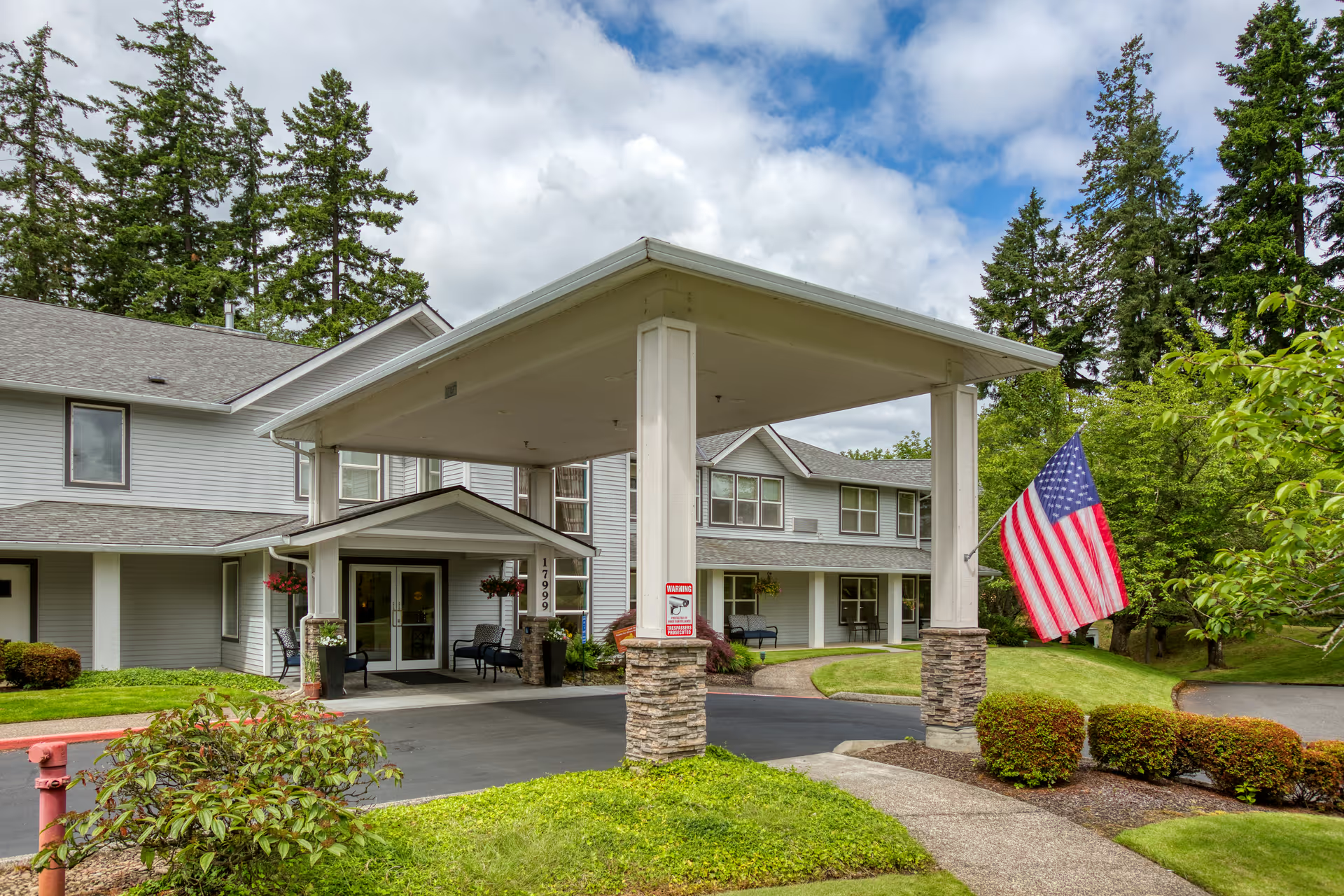
Glenmoore Gracious Retirement Living presents as a modern, well-appointed independent living community with a broad amenity set and an active social environment. Many comments praise the recently renovated interiors, bright apartments with balconies or patios, and on-site conveniences such as a movie theater, fitness center, chapel, library, media room and guest suites. The community is frequently described as warm and home-like, with numerous organized activities, scheduled outings, gardening space and transportation options that support resident engagement and socialization. Its pet-friendly policy, lack of a buy-in fee, and competitive pricing are additional draw factors for prospective residents.
Staff and daily care impressions are mixed but skew positive in direct-resident interactions. Numerous families and residents highlight compassionate, attentive caregivers, helpful maintenance and housekeeping staff, and on-site managers who are accessible around the clock. Reviewers describe smooth move-ins, supportive transition assistance, and staff members who foster a sense of belonging. At the same time, there are recurring operational concerns: management turnover and inconsistent administrative practices have been noted, and some comments describe communication and conduct issues that family members found troubling. There are also reports indicating gaps in how the facility responds to medical events and how families are notified, which are described in ways that suggest the need for clearer emergency-response and family-notification protocols.
Dining and nutrition are a clear area of variability. Many residents praise chef-prepared meals, plentiful dining selections, and amenities such as round-the-clock snacks and ice cream. Others report inconsistent meal quality, menu repetition, and occasional poor execution that contributors associate with weight or nutrition concerns for some residents. Prospective residents should evaluate the current dining program in person, ask about menu rotation, accommodations for dietary needs, and how the community addresses food-quality complaints.
Operational patterns to consider include inconsistent housekeeping/cleaning schedules and periodic service lapses, parking availability constraints, and limited walkable neighborhood destinations — factors that may affect daily convenience. The community appears to focus on independent living; reviewers note that higher-acuity assisted-care services are limited or not centralized on campus, and medication-management processes were described as unclear in some accounts. Social dynamics among residents and staff-resident interactions are generally positive, but there are reports of interpersonal conflicts and management of resident behavior that suggest the community’s policies for addressing bullying, privacy, and resident disputes could be clarified and strengthened.
In summary, Glenmoore offers strong physical amenities, many social and recreational options, and numerous examples of compassionate, engaged staff — features that make it appealing to prospective independent-living residents. However, mixed reports around dining consistency, administrative turnover, emergency-response communication, privacy safeguards, and housekeeping consistency point to operational areas warranting careful inquiry. Families touring the community should observe mealtime service, ask about emergency response times and notification procedures, request current staffing levels and turnover data, review incident-handling protocols, and confirm what on-site clinical supports and medication-management services are available before making a placement decision.