Overall sentiment in these reviews is mixed but leans positive on resident care and interpersonal interactions while raising several operational and management concerns. Multiple reviewers express clear satisfaction with the direct care their family members receive: phrases such as "good care," "happiness with care," and "better care" recur, and one reviewer specifically notes that their mother is "thriving emotionally" and benefits from social interactions in the dining setting. Staff are repeatedly described as "caring," and leadership is in some instances described as approachable and available — reviewers mention a director/manager who is accessible for questions and supportive when asked.
Care quality and daily life: The strongest and most consistent positive theme is the quality of day-to-day care and the social environment for residents. Reviewers report that their family members are emotionally better and enjoy social dining interactions, which suggests the facility provides an engaging social atmosphere and that direct caregiving staff are attentive. Multiple short statements of satisfaction ("good care," "better care," "happiness with care") support the conclusion that clinical and personal care aspects are meeting expectations for several families.
Staff and work environment: Despite the positive remarks about frontline staff, there are notable concerns about the internal work environment. One or more reviews describe a "bad work environment," with specific operational pain points tied to night (NOC) shifts. Night-shift caregivers report an excessive cleaning workload and feel that pay does not fairly reflect the demands of those shifts. These staffing and workload issues could affect morale, retention, and ultimately continuity of care if they are not addressed.
Management and responsiveness: Feedback about management is mixed and appears context-dependent. On the positive side, reviewers note an approachable director and a manager who is available to answer questions. However, other comments state that management is "not addressing issues," indicating a disconnect between accessibility and effective resolution of staff or operational problems. This pattern suggests that while some leaders are visible and reachable, there may be inconsistent follow-through or limited capacity to remedy systemic concerns raised by staff or families.
Privacy, payroll, and policy concerns: A specific and troubling complaint centers on privacy and payroll handling: the report of a "ripped open paystub envelope" is a concrete example of a privacy violation and contributes to perceptions of poor administrative practice. Additionally, reviewers cite "unfair pay differentiation for NOC shifts," combined with the excessive cleaning workload for those shifts, which raises both fairness and safety concerns. These issues are actionable and stand out as priorities for the facility to investigate and correct to maintain staff trust and regulatory compliance.
Dining and activities: Dining is highlighted as a positive area — social dining interactions are called out as beneficial, and are tied to the reported emotional thriving of at least one resident. While the reviews are sparse on formal activities or facility amenities beyond dining, the social aspect of meals appears to be a reliable contributor to resident well-being.
Patterns and recommended focus areas: The overall pattern is a facility that delivers good, compassionate care and supports resident social needs, but struggles with backend operational and management issues that could undermine staff morale and, over time, resident experience. Specific areas for leadership attention include: (1) investigating night shift workload and staffing levels to reduce excessive cleaning burdens; (2) reviewing compensation practices for NOC shifts to address perceived unfair pay differentiation; (3) improving administrative practices around privacy and payroll handling (e.g., secure delivery of paystubs); and (4) ensuring that accessible managers and directors consistently follow through on reported issues so staff and families see resolution, not just responsiveness.
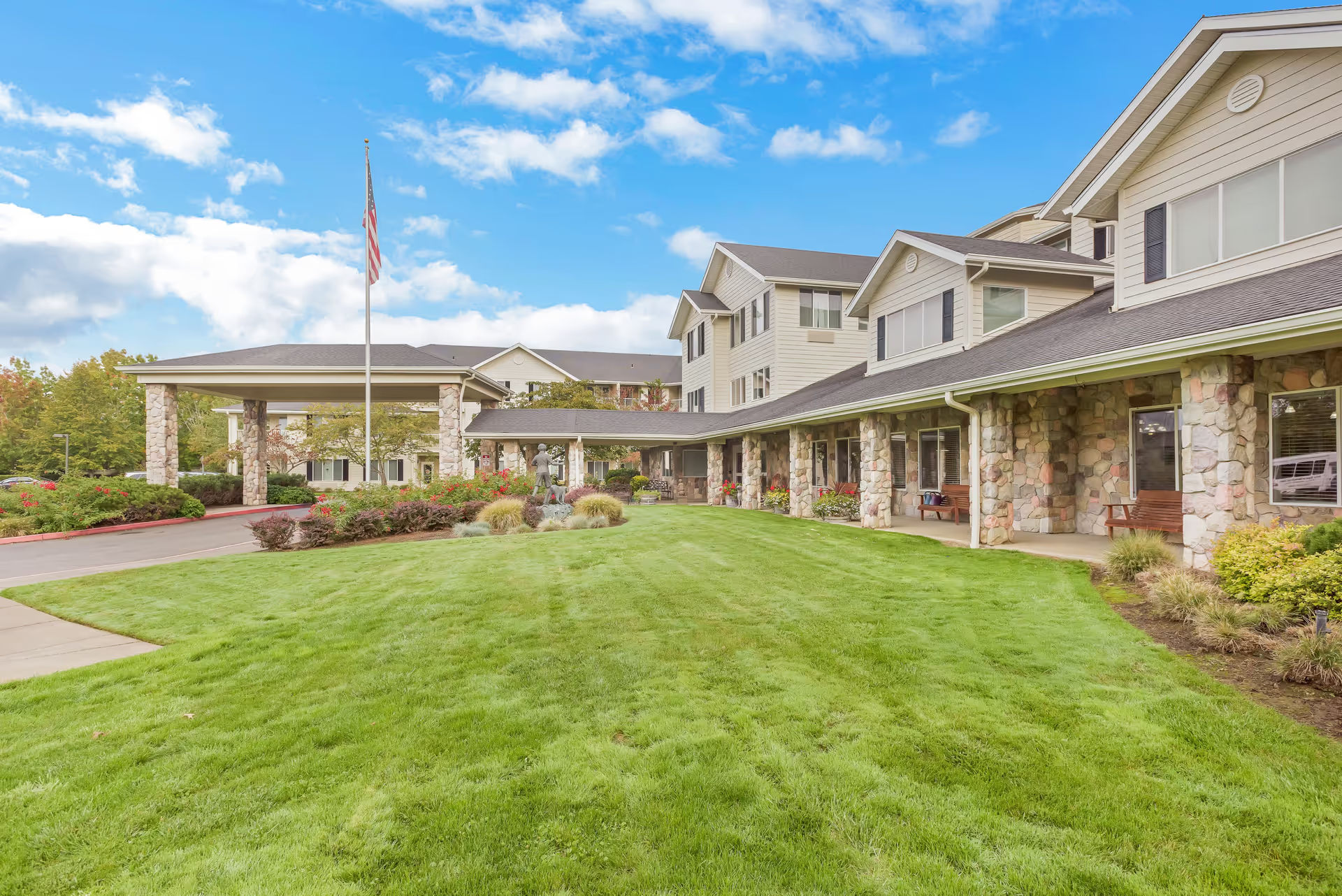
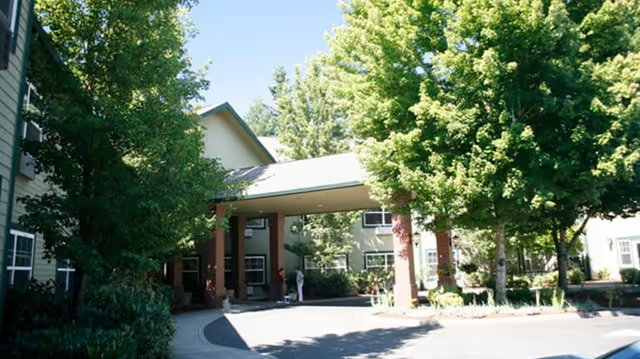
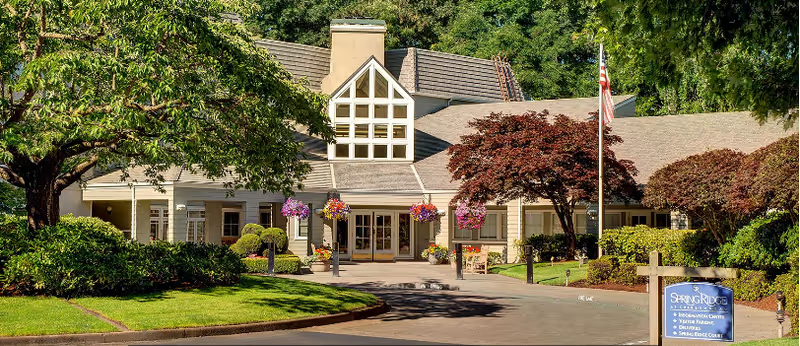
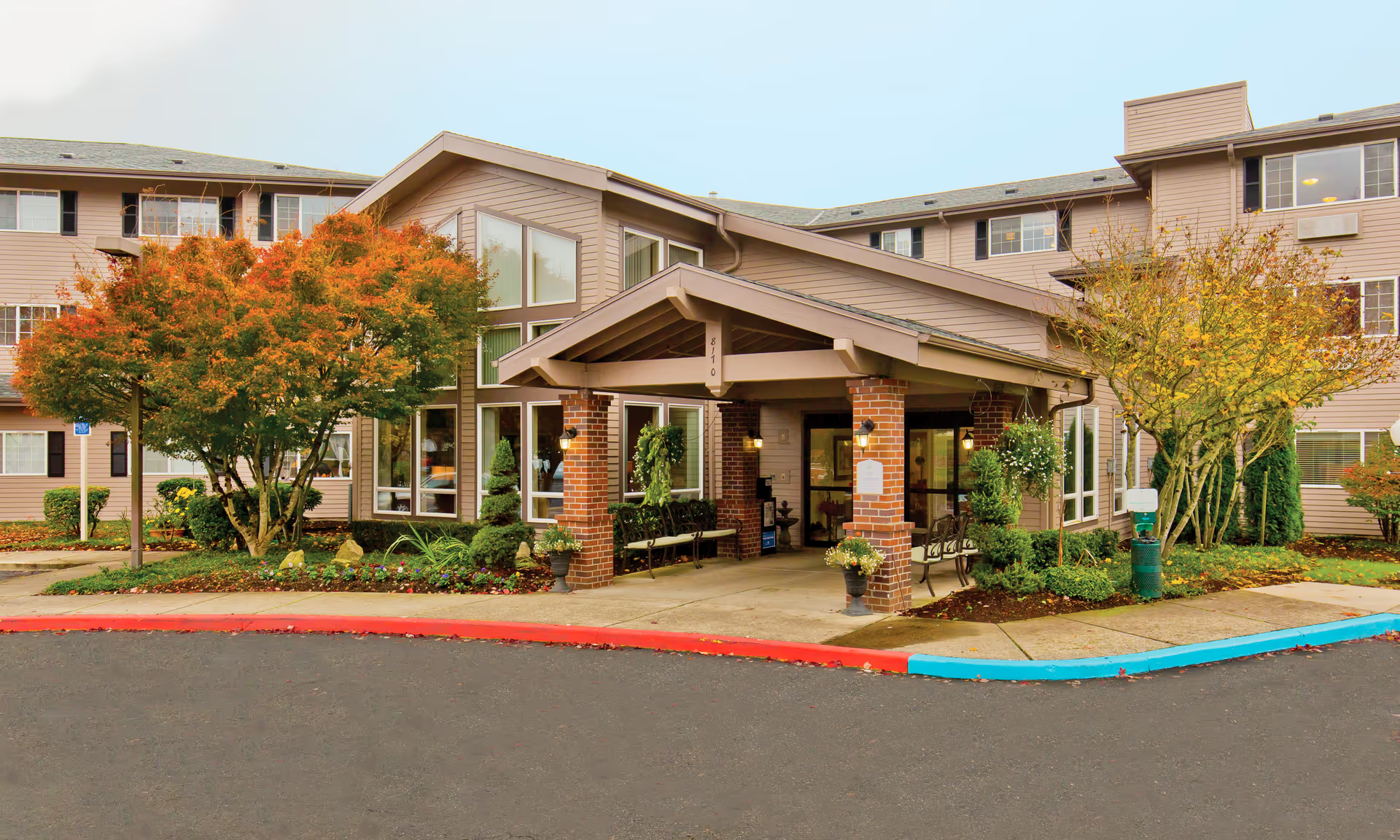
In summary, the reviews portray Willow Place as a place where residents receive caring attention and benefit from social interactions and visible leadership, but also as a workplace with actionable HR and administrative problems. Addressing the payroll/privacy incident, night-shift workload and compensation, and the gap between managerial access and problem resolution would likely improve staff morale and reinforce the positive resident-care outcomes already noted by families.