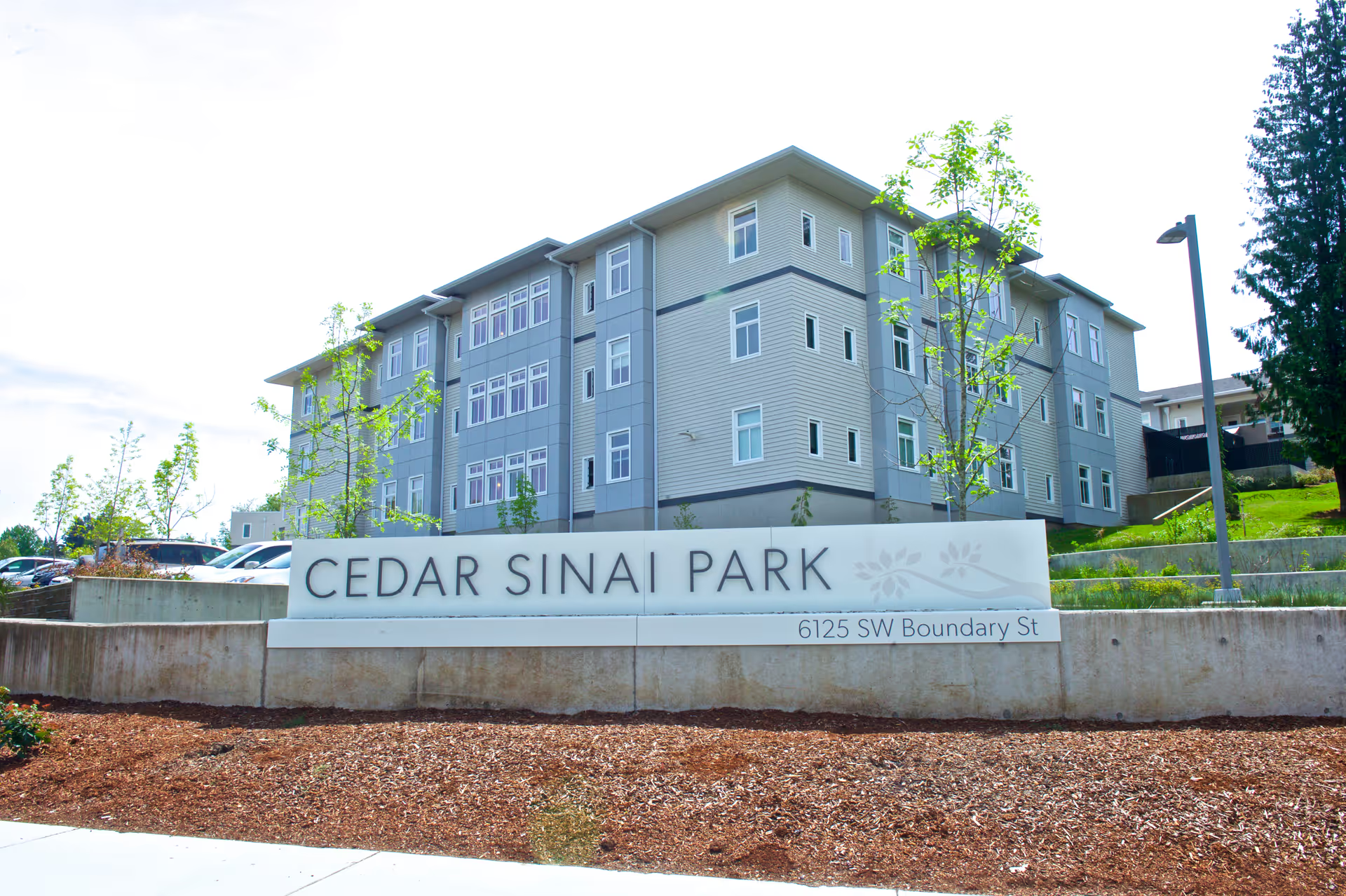
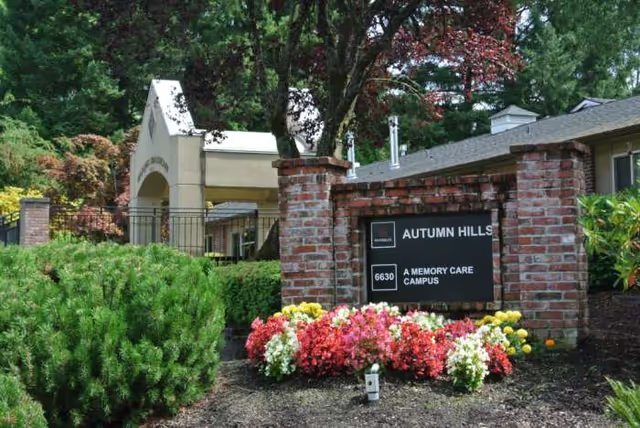
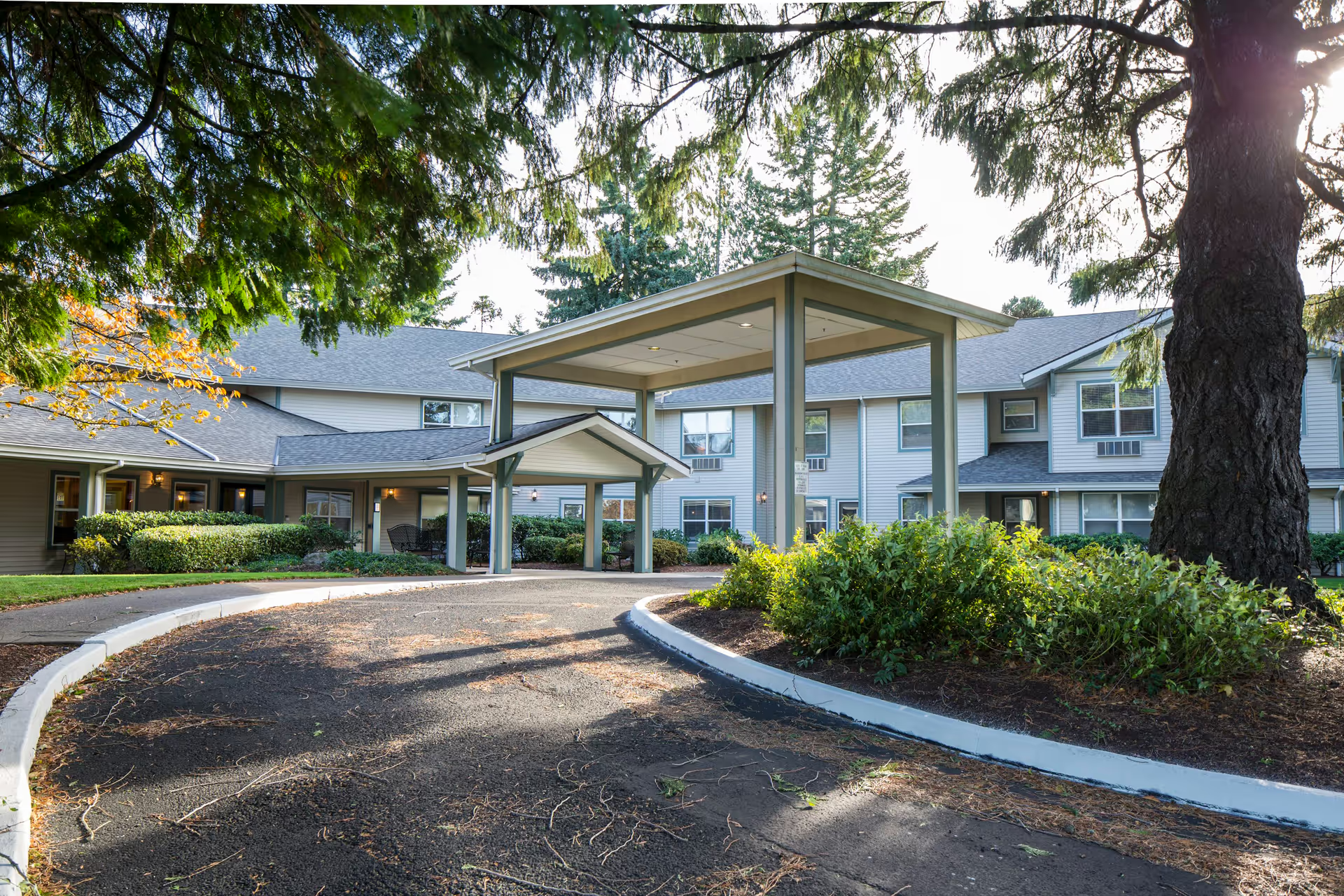
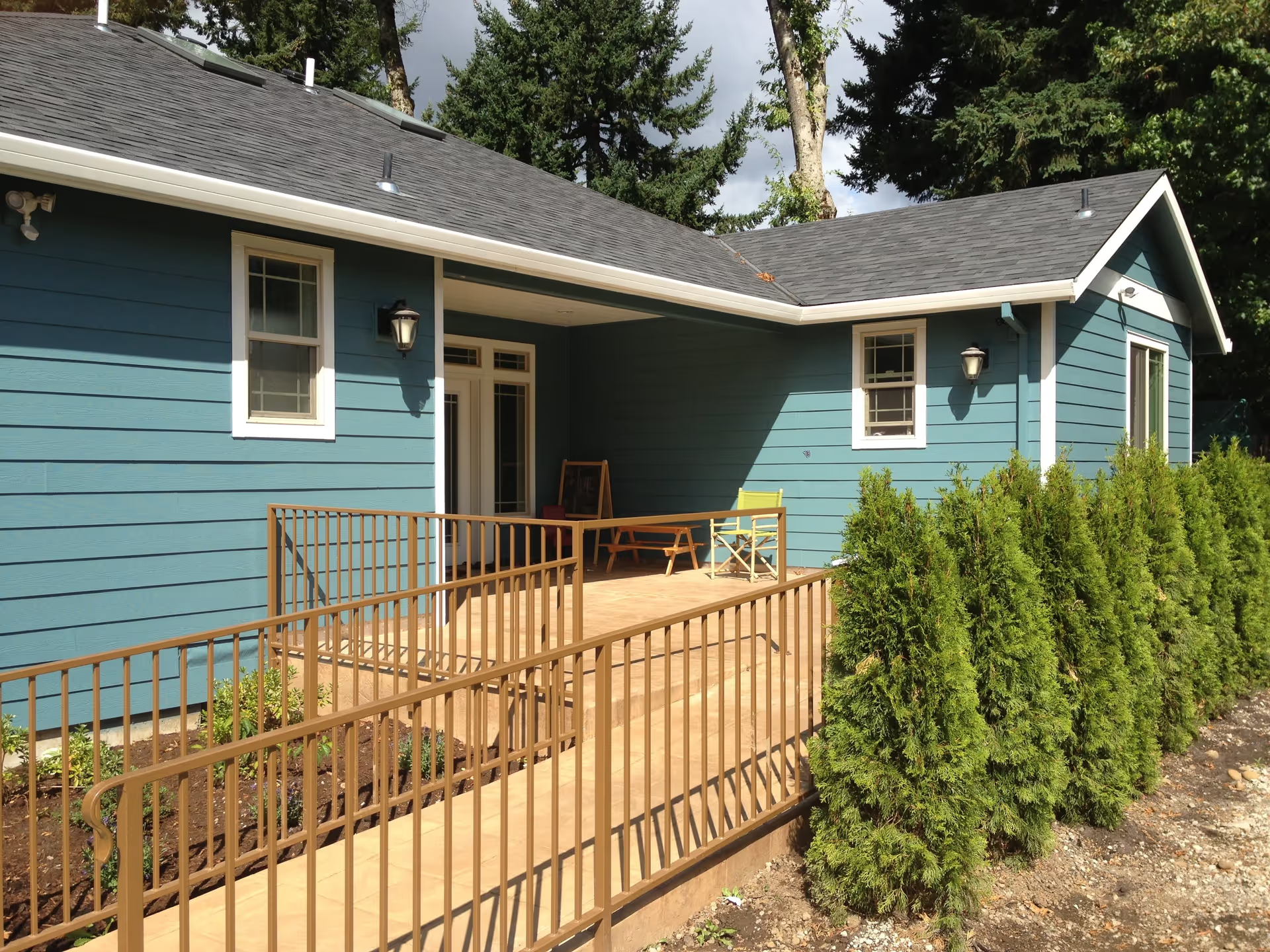
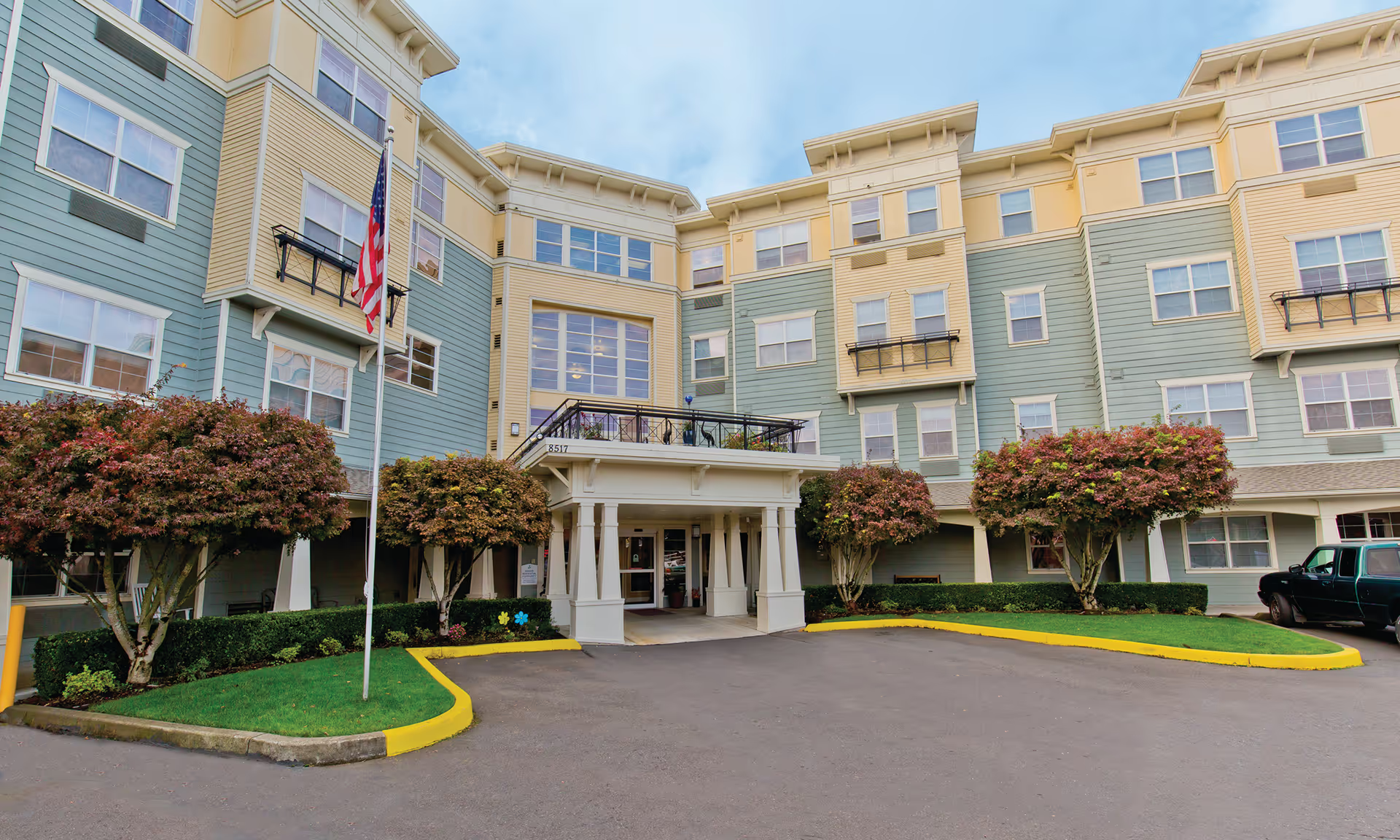
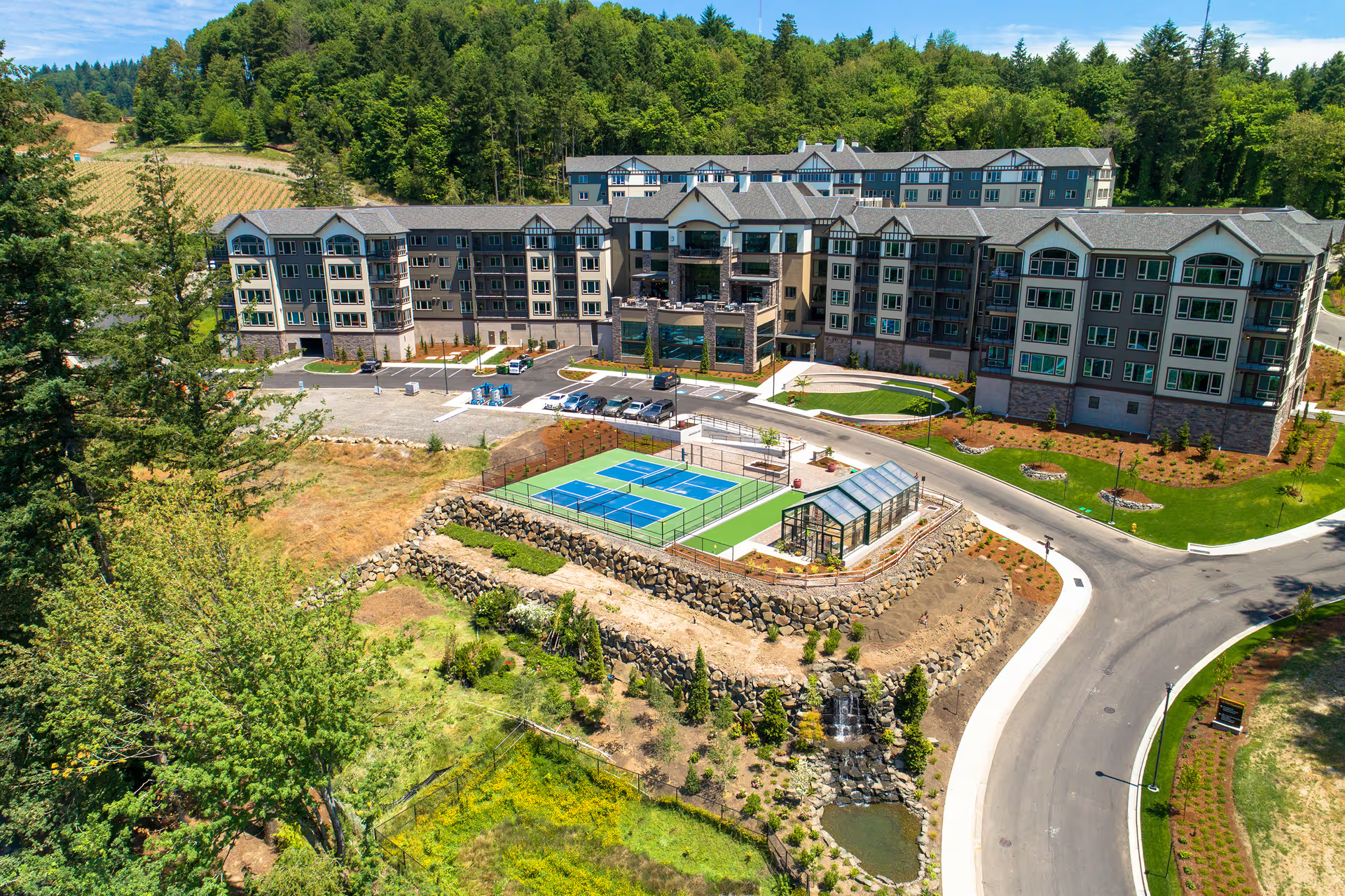
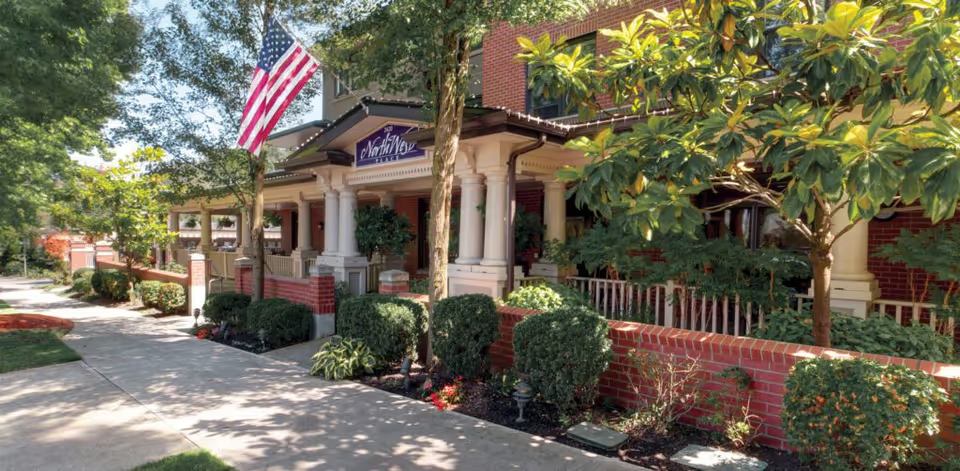
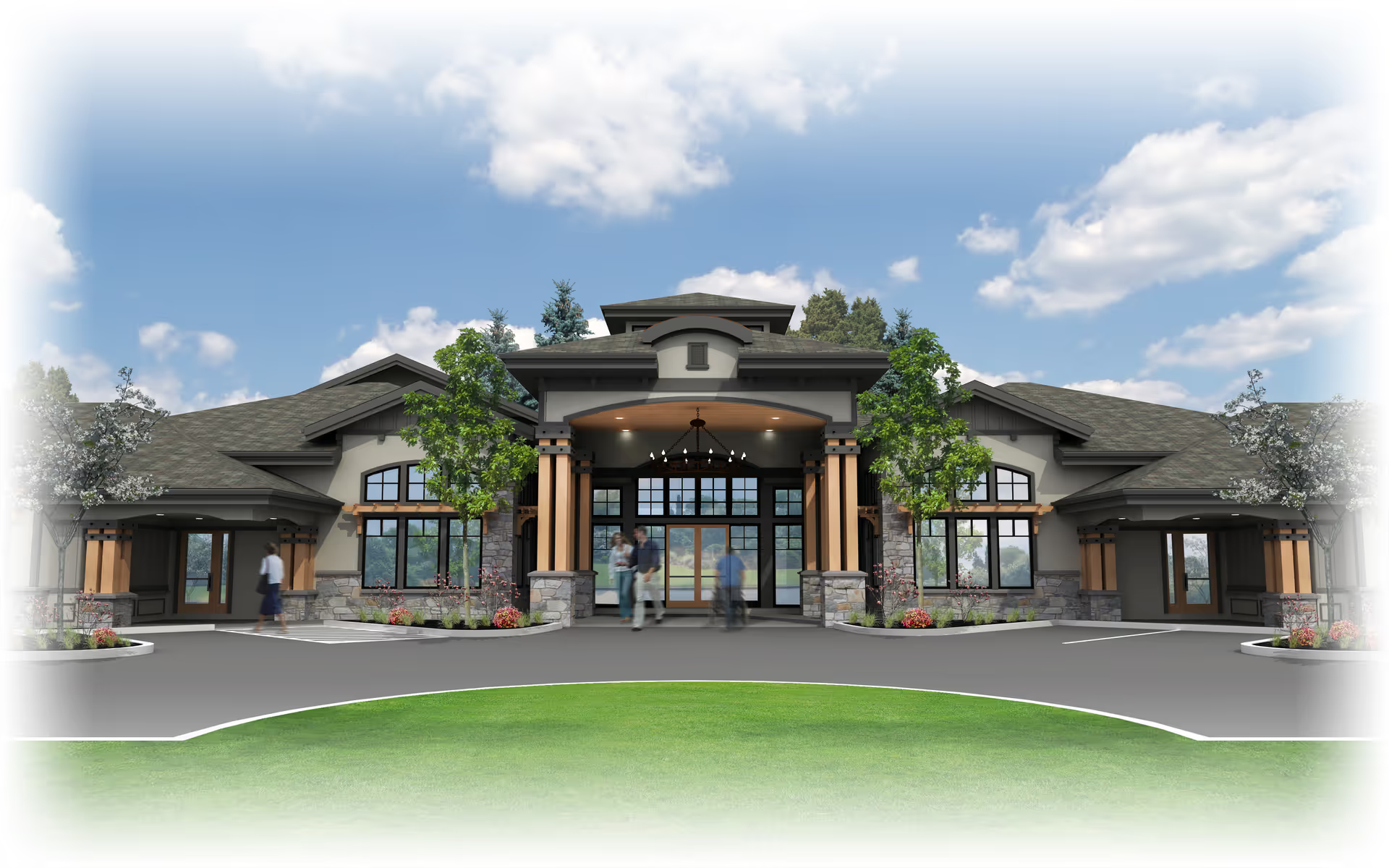
Overall impression is mixed, with clear strengths in hands-on caregiving and therapy alongside recurring operational concerns. Many families and residents praised the bedside care: nursing and CNA staff are frequently described as compassionate and attentive, therapists are credited with supporting measurable recovery, and administrative/admissions staff are often helpful and approachable. The facility's programming and communal spaces — including a light, airy dining room, central courtyard, and an active activities schedule — are seen as supportive of resident engagement and well-being. Several comments highlighted accommodations and programming suitable for residents with developmental or intellectual disabilities.
At the same time, a pattern of inconsistent operational performance emerges. Staffing levels appear variable between day and night shifts, and long call-light response times and night-shift unresponsiveness were repeatedly noted. Related clinical concerns include medication-administration and documentation gaps, inconsistent adherence to physician orders, and weaknesses in transfer and fall-prevention practices. A limited number of accounts also described delayed clinical interventions and challenges in end-of-life equipment availability and staff training, which created serious family concerns about coordination during critical events.
Dining and environmental feedback is mixed: some meals (notably hot breakfasts and a la carte sandwiches) and the responsiveness of nutrition staff receive positive notes, while overall food quality and meal consistency are described as uneven. Facility condition is similarly mixed — reviewers describe clean, well-maintained rooms and pleasant common areas, yet also point to sanitation concerns in certain resident rooms and an aging building where recent renovations did not fully address perceived needs.
Management impressions vary. Several families praised specific administrators and an open-door approach to communication, visitor amenities, and helpful admitting staff. Conversely, other families experienced difficulty contacting the facility, inconsistent family communication, and a perception that corporate or renovation changes did not translate into consistent frontline improvements. Cost was mentioned as a consideration relative to perceived inconsistencies in care quality.
For prospective residents and families: the facility shows strengths in compassionate direct care, rehabilitation therapy, and recreational programming, but there are documented operational vulnerabilities — particularly around staffing consistency, night coverage, medication processes, cleanliness in isolated rooms, and end-of-life coordination. When evaluating this facility, consider targeted questions about shift staffing ratios, call-response times, medication-safety protocols, transfer procedures, recent remediation of sanitation concerns, and how end-of-life equipment and training are managed. Observing the facility at different times of day (including evenings) and speaking directly with therapy, nursing leadership, and admissions staff can help clarify whether the facility's strengths align with a prospective resident's needs.