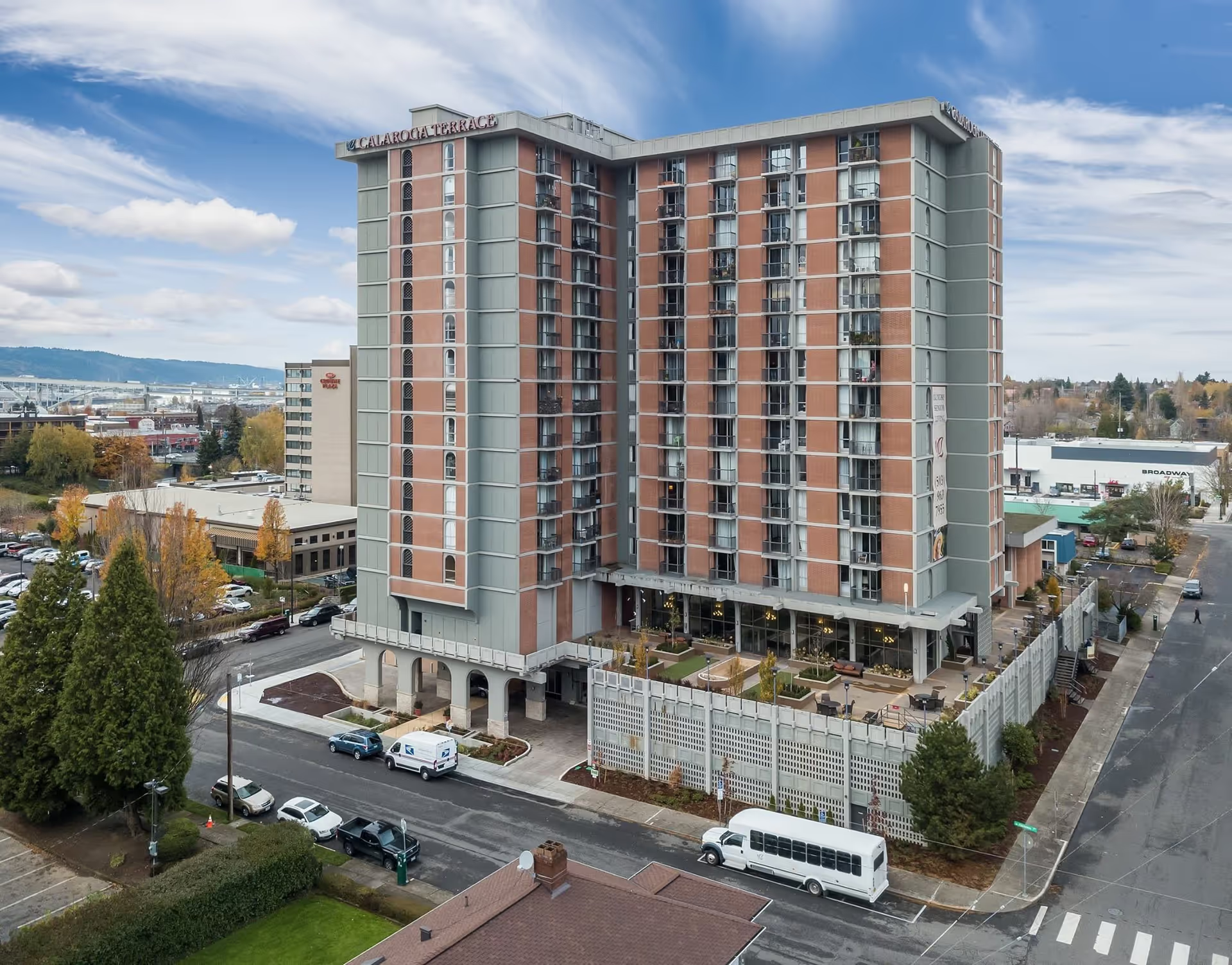
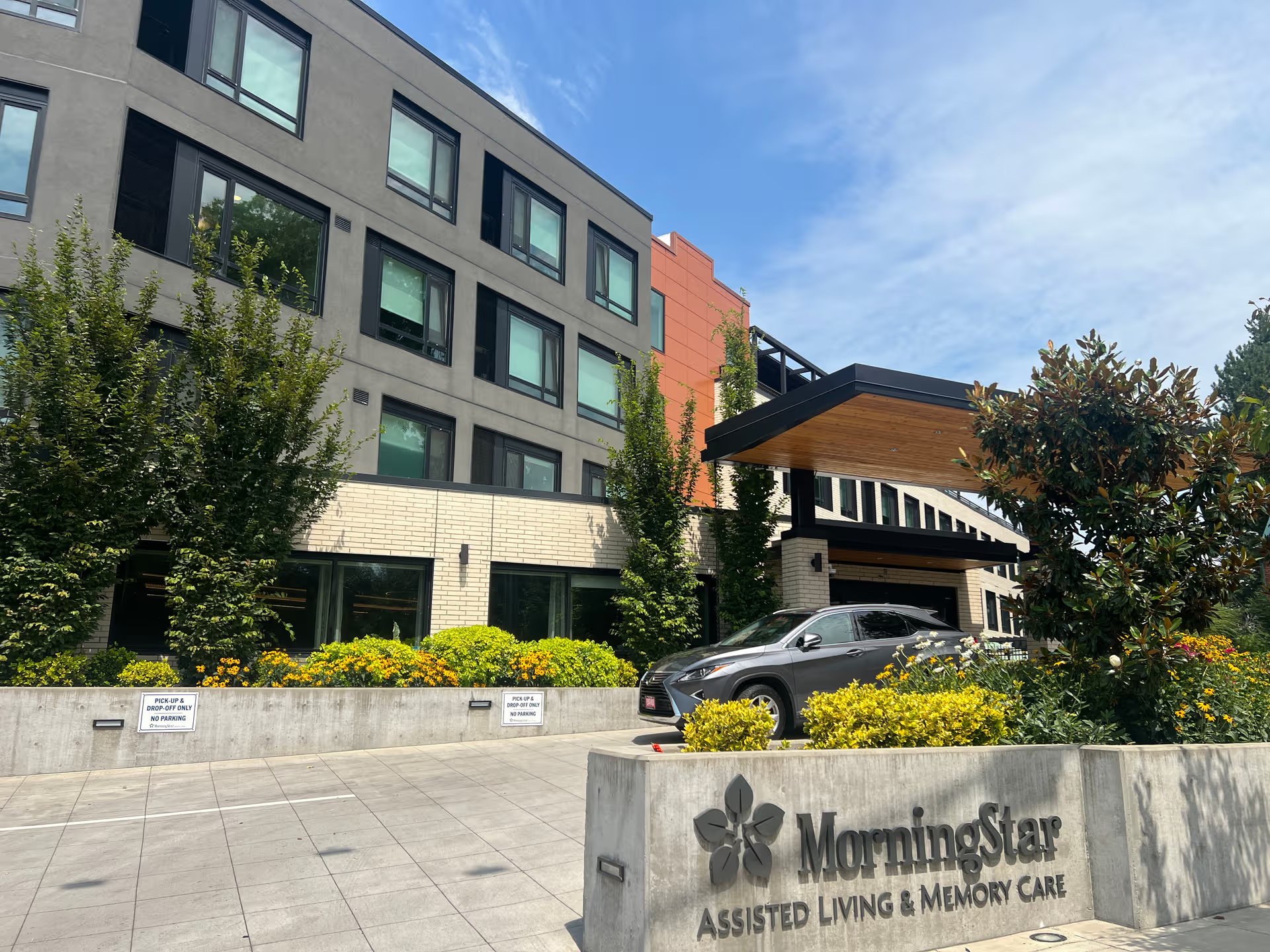
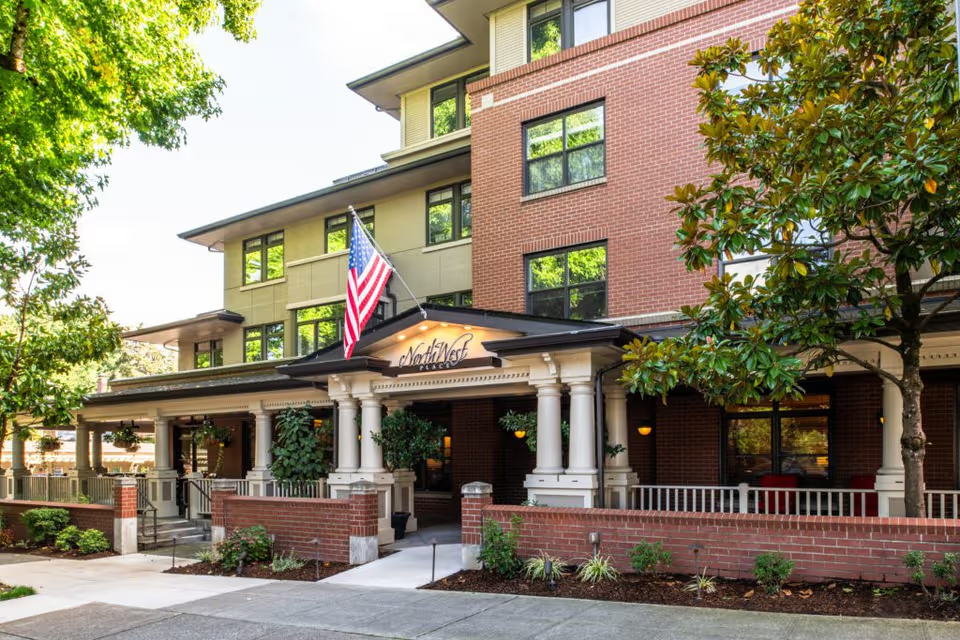
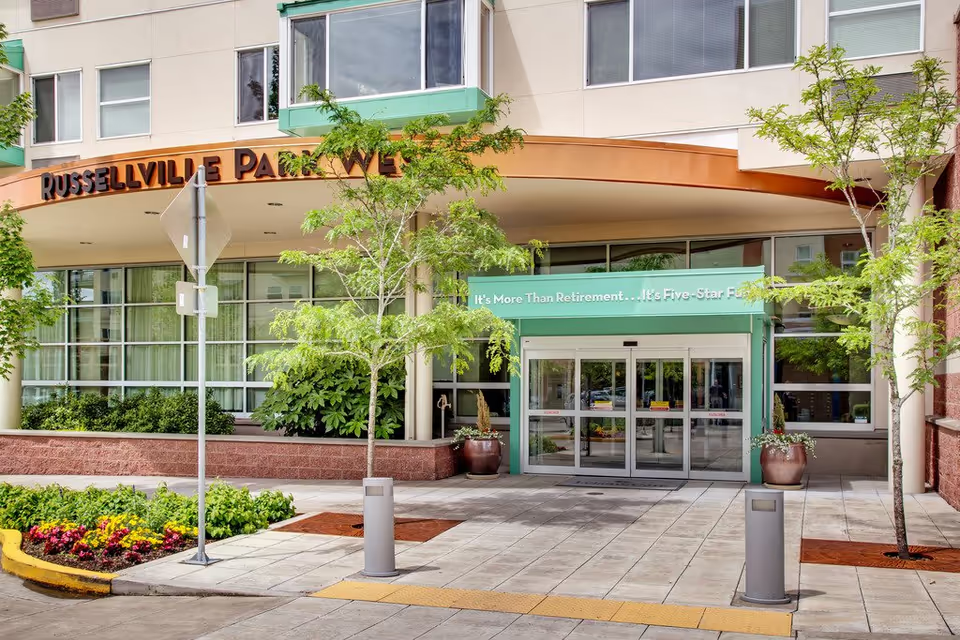
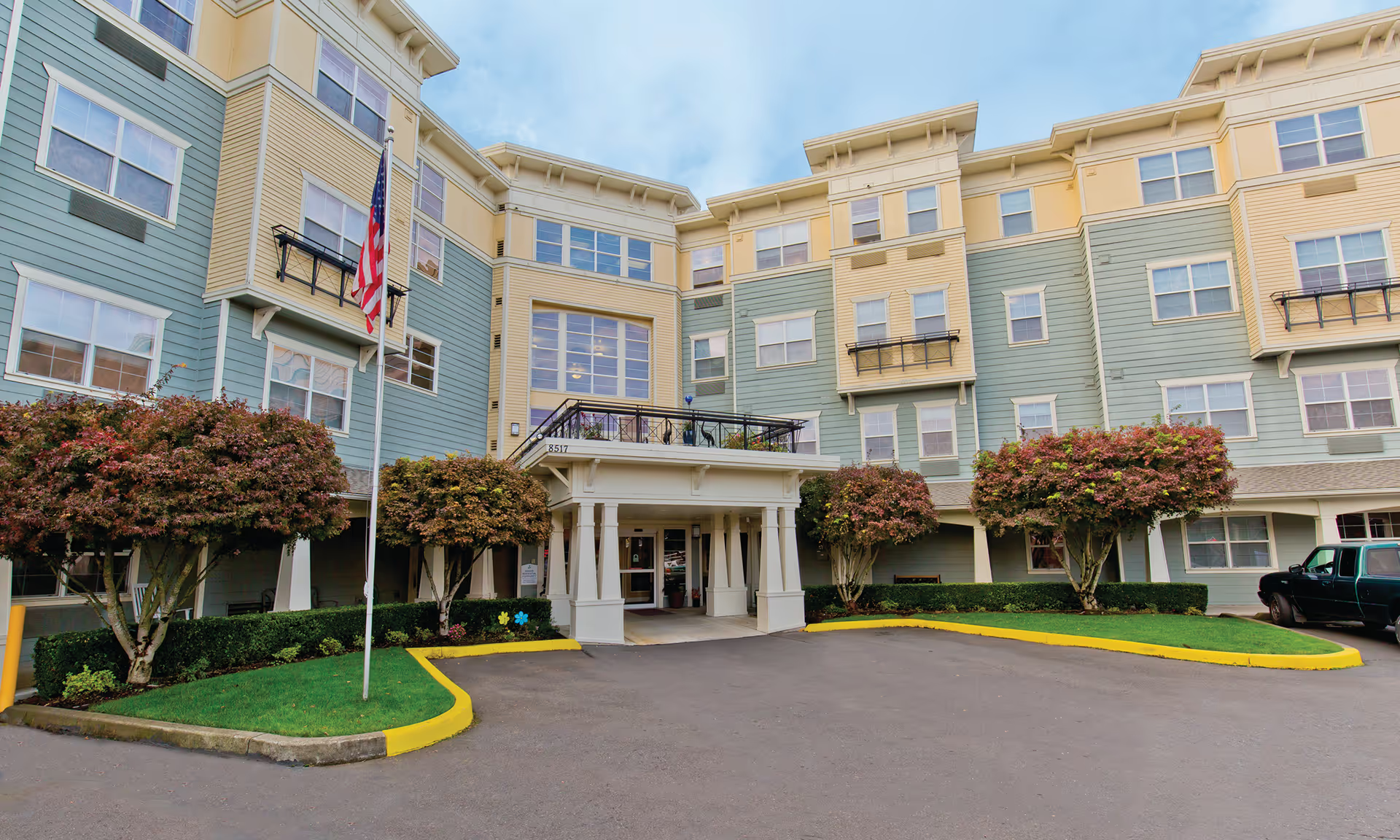
Holladay Park Plaza is described as an attractive, full-service continuing-care community with apartment-style units, ample amenities, and a city-center location that many residents and families find appealing. Reviewers consistently praise the campus appearance, pleasant views, on-site gym, shuttle and outing opportunities, and an active calendar of classes and social activities. Several accounts highlight strong rehabilitation services (PT/OT), a welcoming reception area, and supportive social-services and human-resources staff who contribute to a positive employee culture.
Care quality and staffing perceptions are mixed. Numerous reviewers commend individual caregivers as compassionate and personable and praise therapists and some nursing staff for recovery-focused attention. At the same time, recurring concerns point to inconsistency in clinical oversight and training, with specific mentions of gaps in wound-care instruction and variable staff performance. Families cited delays in addressing resident needs, inconsistent bathing schedules, and challenges with feeding assistance and dietary timing—particularly for residents requiring dependent feeding or special diabetic meal timing—raising concerns about hydration and adequate nutrition support in some cases.
Dining and housekeeping receive divergent assessments. Many residents enjoy meals and find food satisfying, while others describe a fixed menu with limited daily choices and bland preparations; some recommend bringing personal condiments. Operational weaknesses are noted around meal-service assistance (for example, food accessibility and unwrapping), laundry and personal-item controls (lost blankets or coats), and intermittent cleanliness lapses in certain areas (accumulated dust and delayed deep cleaning reported). These issues suggest variability in housekeeping consistency and asset-management practices.
Management and administrative processes show both strengths and weaknesses. The facility has staff members and leaders who are positively regarded — including trusted social-services personnel and an HR director noted for supporting employees — contributing to a generally positive workplace climate for many employees. However, families raised concerns about slow paperwork processing, unclear deadlines, inconsistent communication, and customer-service tone on calls. There are also serious, isolated allegations regarding decisions by nursing leadership, including assertions of misrepresentation and care denials tied to insurance coverage; these claims amplify family worries about transparency and clinical decision-making.
Operational and safety items include limited guest parking, vendor parking that can obstruct sight lines, and elevator capacity or speed limitations that affect moves and daily flow. Visitors and residents should confirm parking policies, elevator logistics, and any extra costs for shuttle services or outings. Additionally, reviewers indicated that memory-care offerings and admission criteria were not always clearly communicated, so prospective residents with cognitive impairment or families seeking memory-specific services should verify availability and staging up front.
In summary, Holladay Park Plaza offers many attributes sought in a continuing-care community — attractive grounds, apartment living, robust therapy services, and an active program of activities — alongside uneven performance in several operational areas. Prospective residents and families would benefit from detailed, specific conversations with leadership about clinical oversight and training, feeding and dietary assistance protocols, housekeeping and laundry controls, parking and elevator logistics, and clear documentation of the facility’s memory-care capabilities and administrative timelines before making a placement decision.