Reviews present a mixed but distinct pattern: the facility consistently earns praise for cleanliness, communal spaces, and many aspects of daily living, while operational and care-consistency issues emerge as recurring concerns. Common positives include well-kept rooms and common areas, an active calendar of social activities, an accessible dining program with group seating and a salad bar, and visible rehabilitation and end-of-life support. Several families described compassionate interactions with individual caregivers and clinicians, and some reviewers noted improvements after remodeling and changes in staff morale.
Care quality and staffing are the most variable domains. Some accounts describe attentive, compassionate caregivers and reliable assistance with bathing, glucose checks, and medication dispensing; others point to delayed responses to call lights, hurried personal-care routines, and staff conduct that ranges from professional to brusque or pushy. This variability suggests inconsistent staffing levels, training, or supervision: while individual staff members and teams are cited positively, the overall pattern indicates uneven application of care practices and inconsistent individualized care planning.
Dining and activities are generally strengths but show inconsistency. The dining area, social meal setup, and menu variety (including hot soups and salad bar options) are frequently praised, and activities such as card games, bingo, and outings support social engagement. At the same time, some families experienced lower-quality meal preparation and hurried service, indicating variable kitchen execution and meal-service pacing.
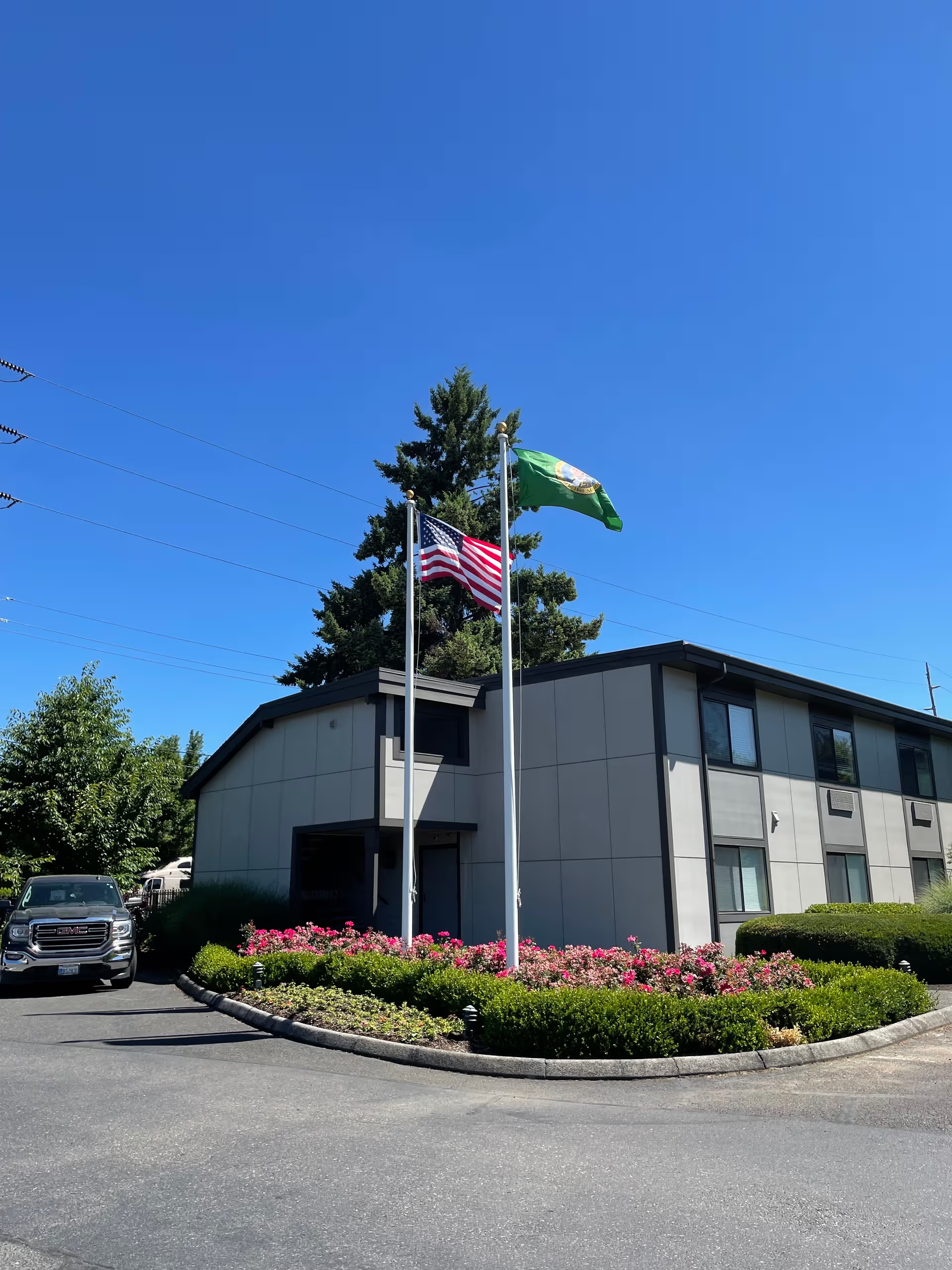
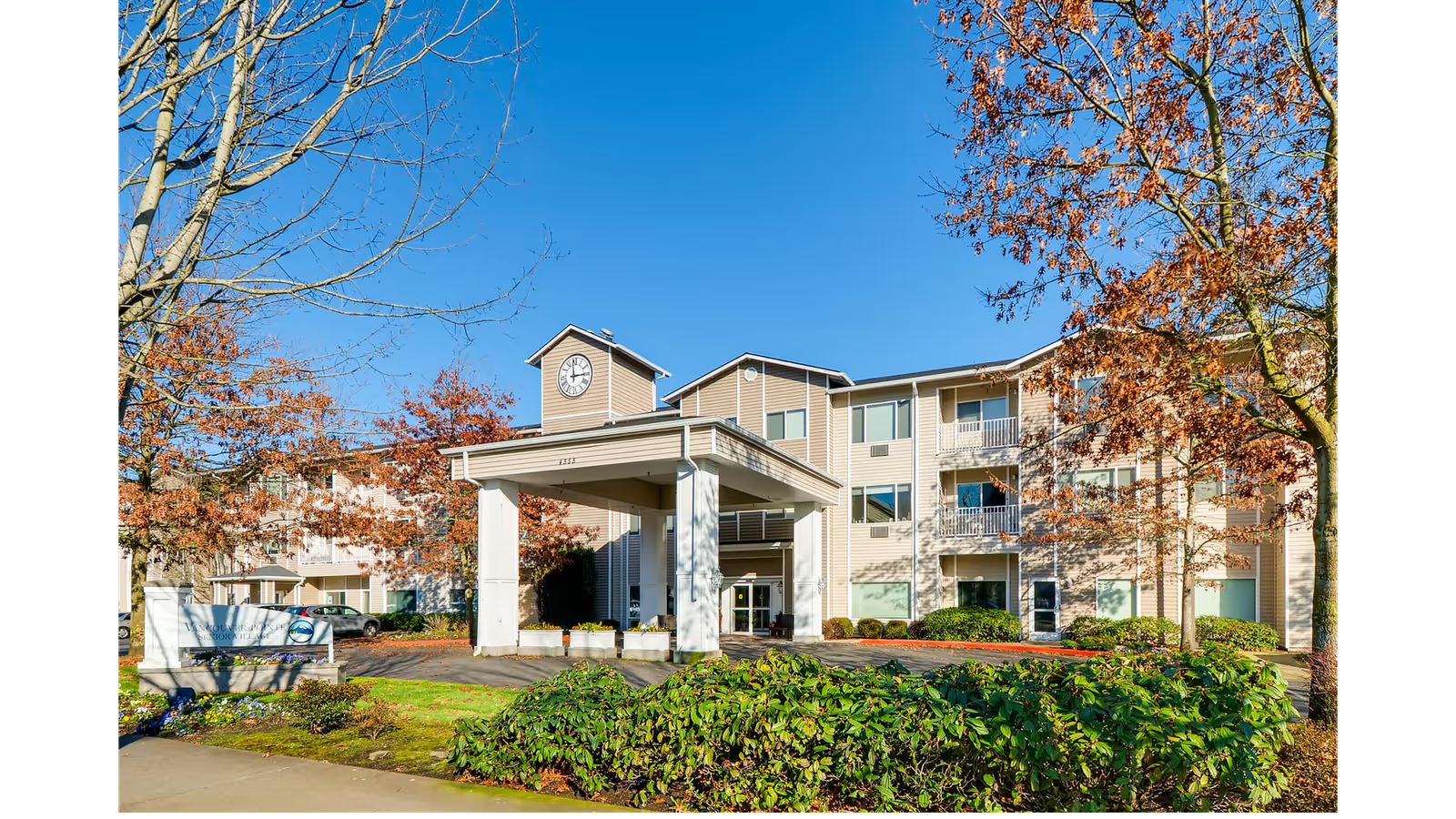
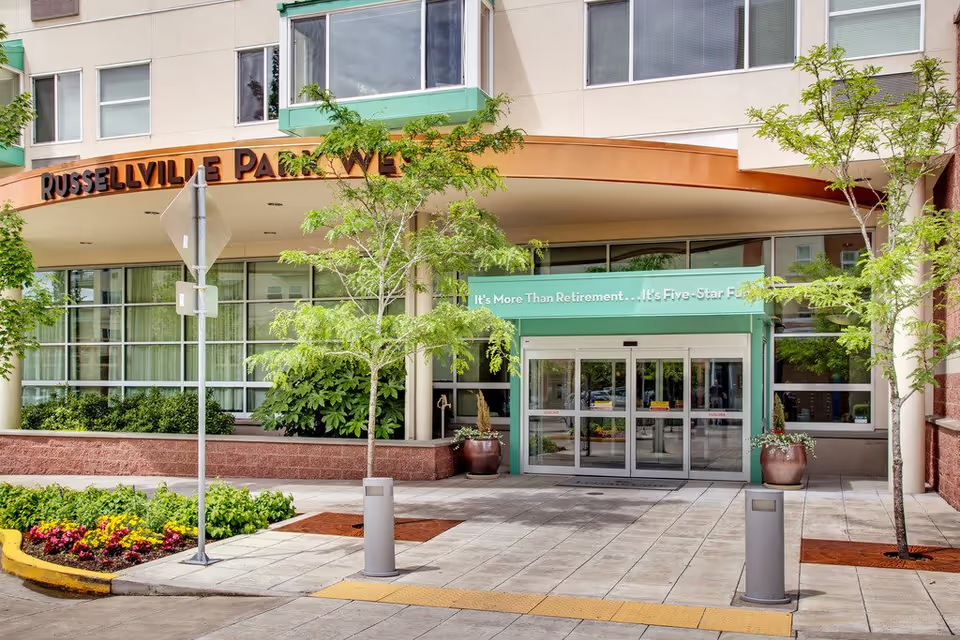
Facilities and living spaces are another area of contrast. Many reviewers emphasize clean rooms, patio access, large bedrooms, and recently remodeled, upbeat common areas; rehabilitation spaces and social dining areas were noted as positive. Conversely, shared rooms have been described as noisy or warm due to equipment and ventilation limitations, and parts of the building were characterized as dated or in need of further updates.
Operational and management patterns that warrant attention include inconsistent communication about medications, disorganized front-desk/sign-in procedures, unreliable package handling, and weaknesses in roommate assignment processes. There are also concerns about controls for resident belongings and cash and about the facility’s visitation flexibility during infection-control events. A number of reviews indicate that some of these issues have improved over time, while others remain ongoing.
Overall, prospective residents and families will likely find strong communal programming, clean living spaces, and capable individual caregivers, but should plan a careful, in-person evaluation focused on staffing consistency, medication-communication practices, roommate arrangements, and asset-handling procedures. Asking about staffing ratios, training/supervision, visitation policies during infection-control periods, and concrete examples of how individualized care plans are implemented will help clarify whether this facility aligns with a particular resident’s needs.