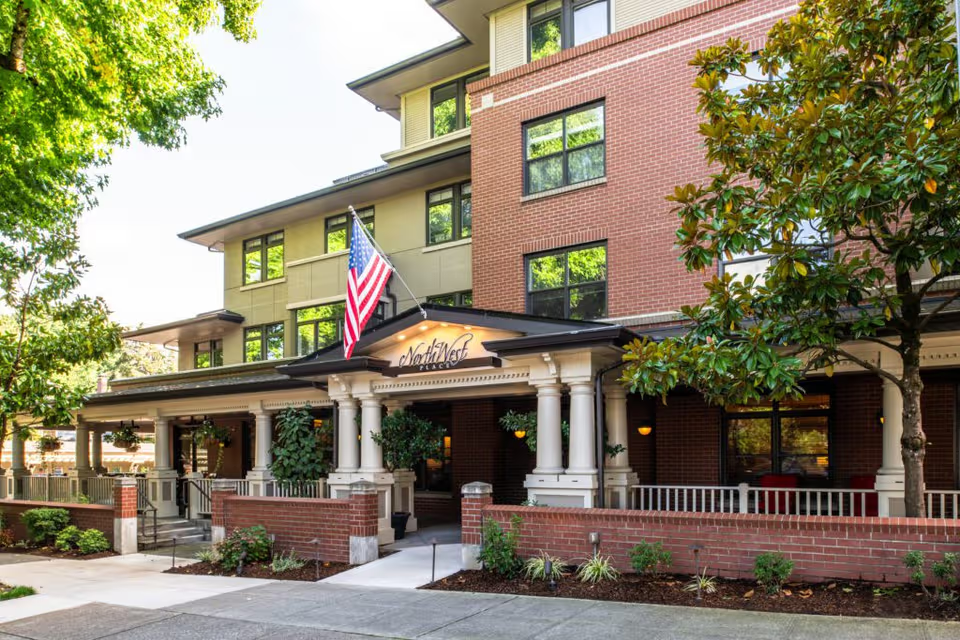
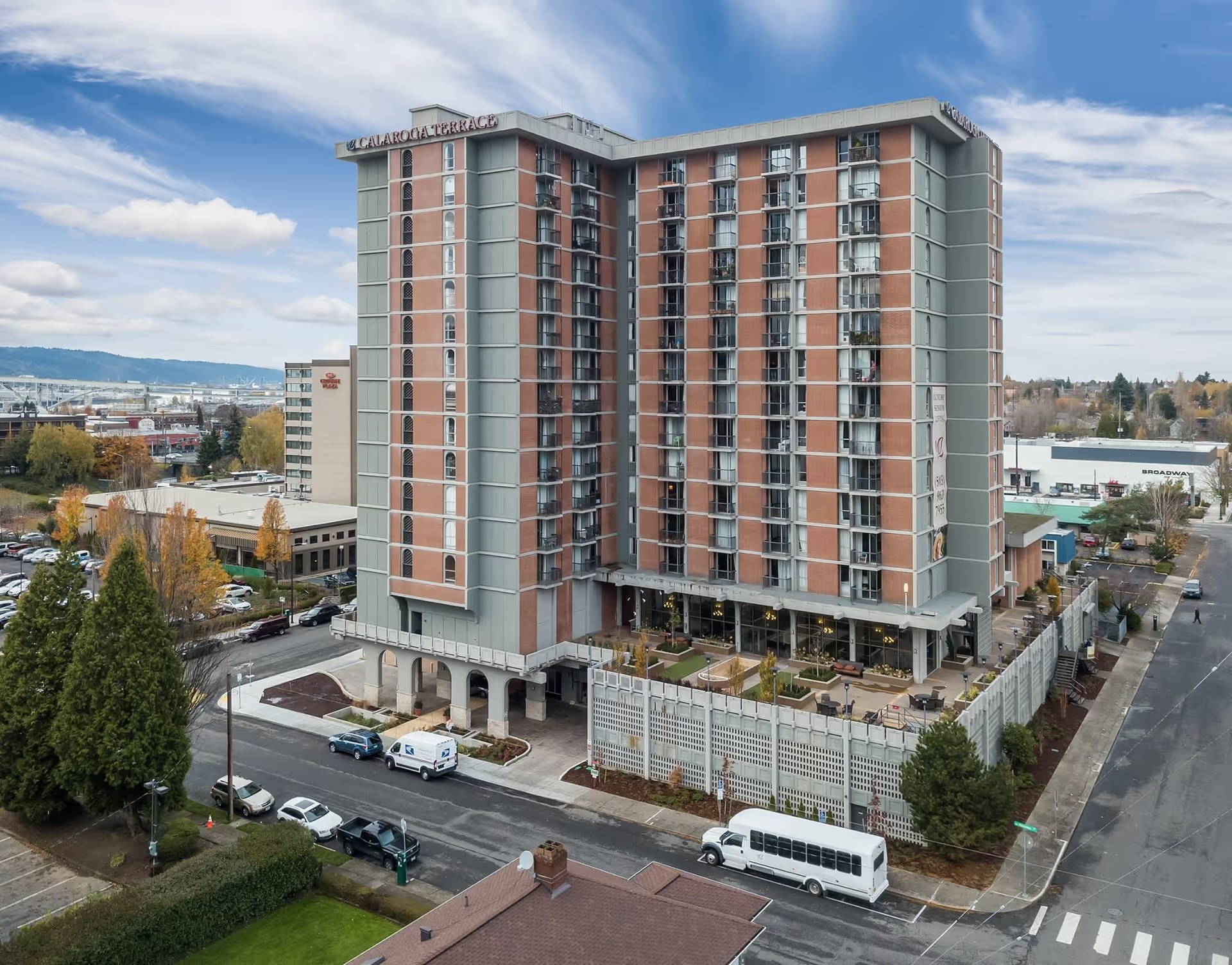
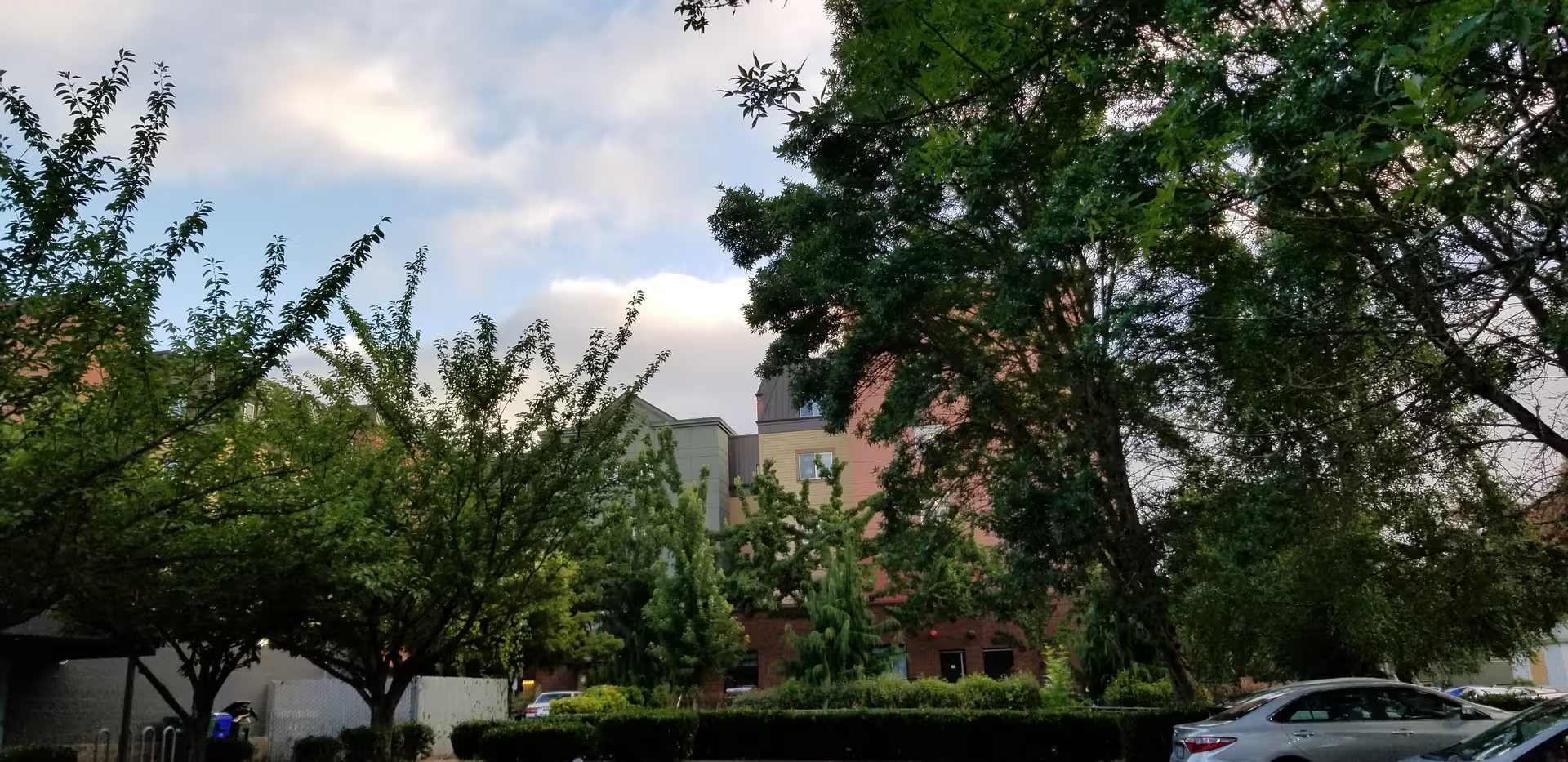
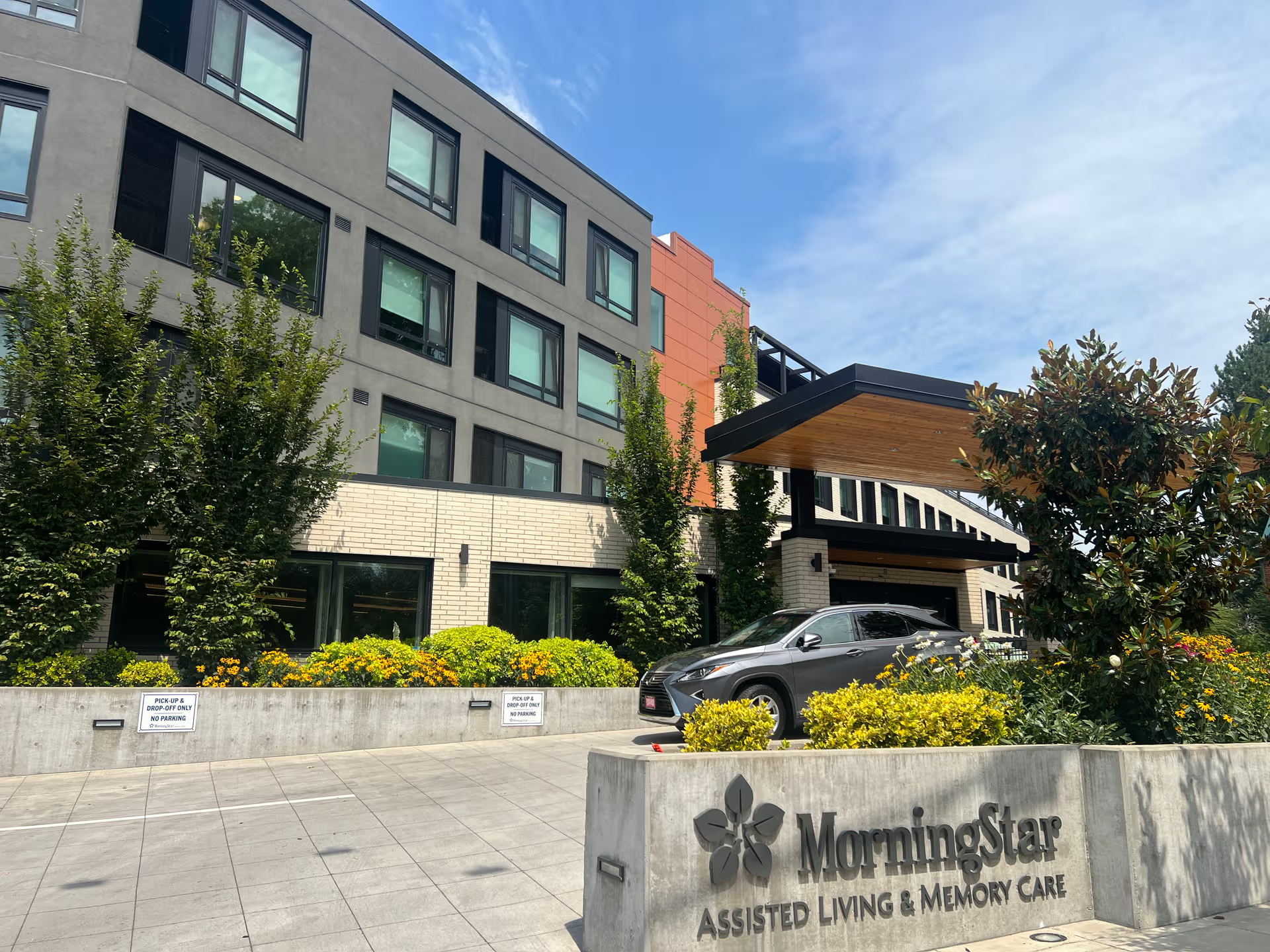
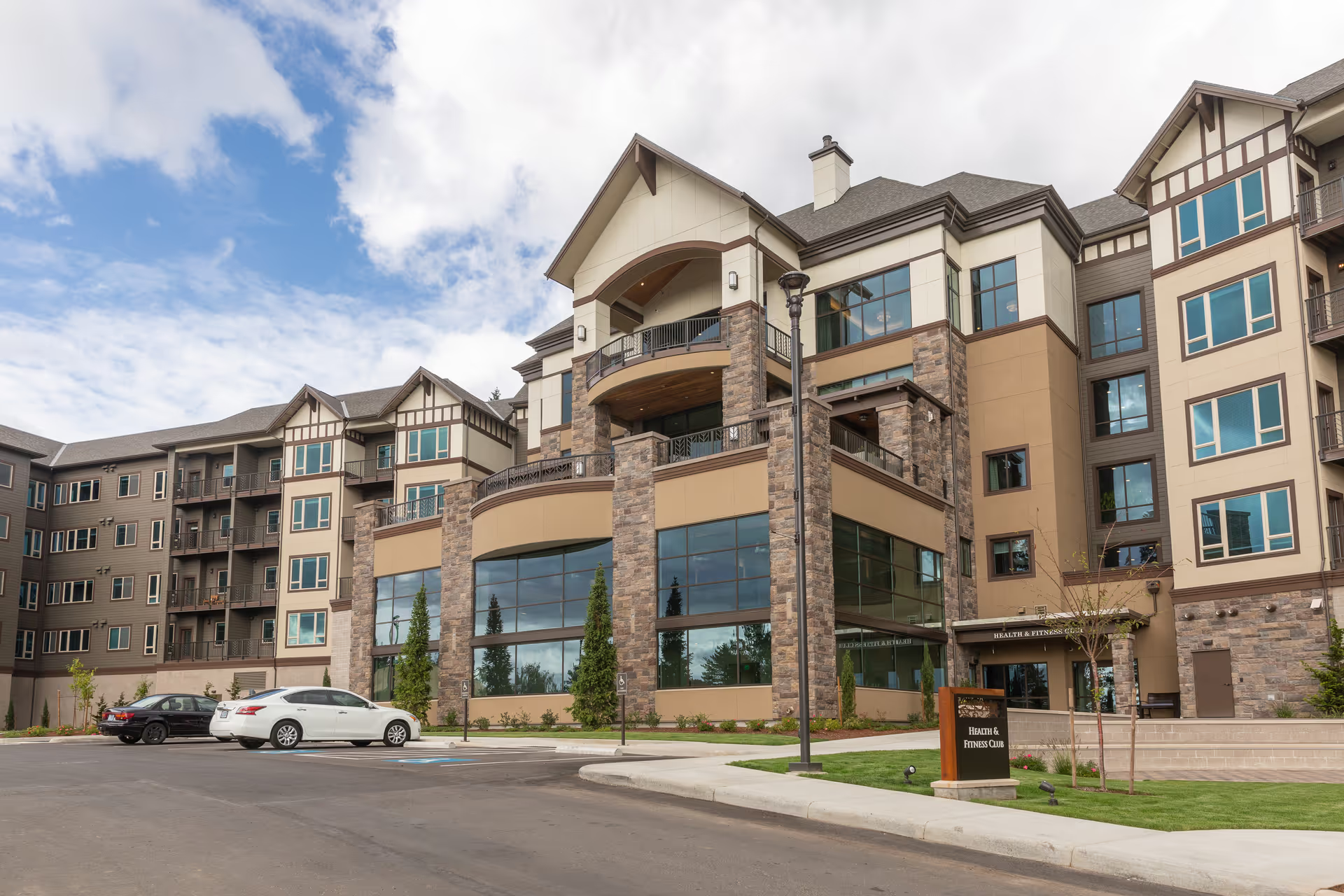
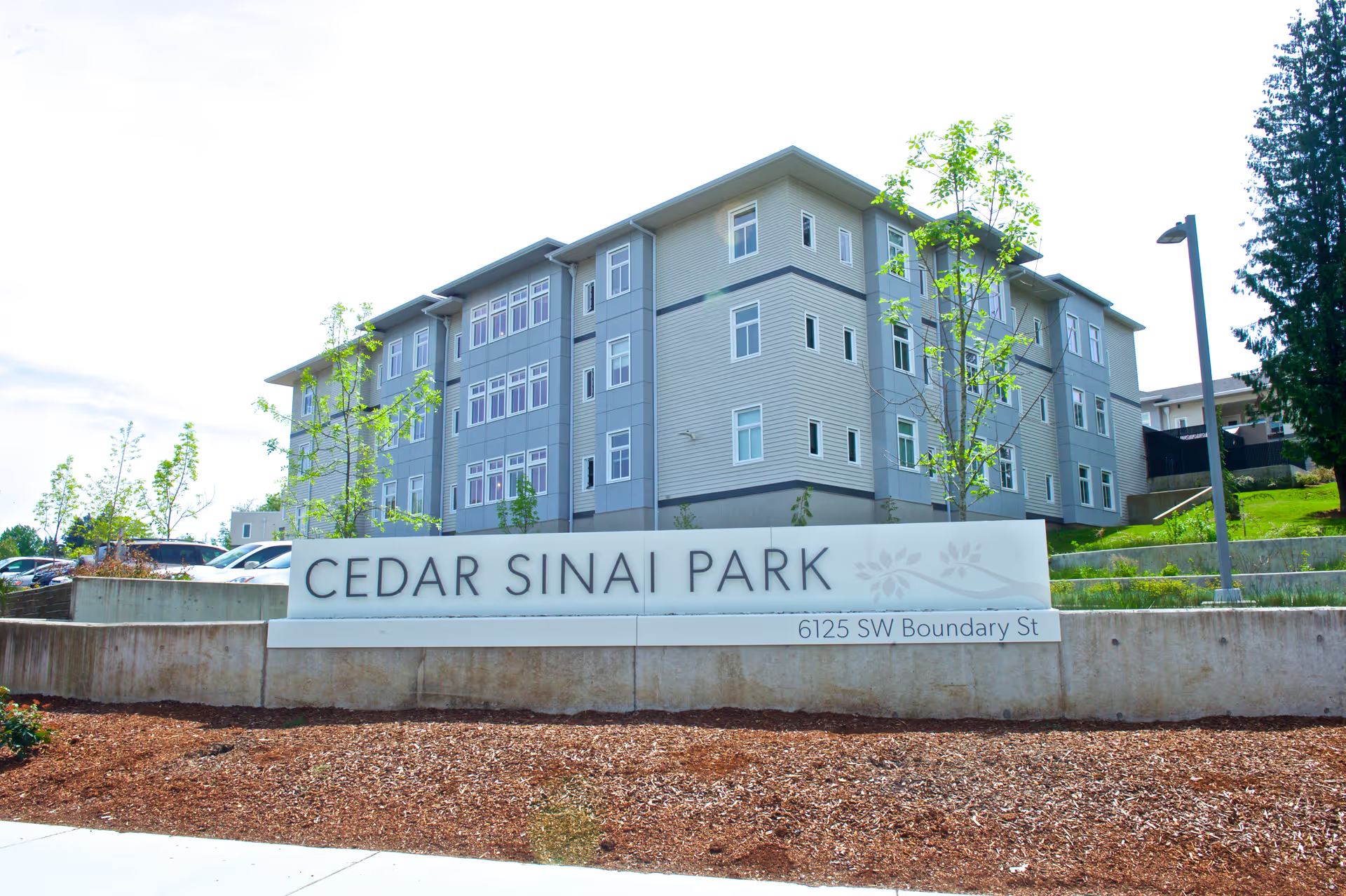
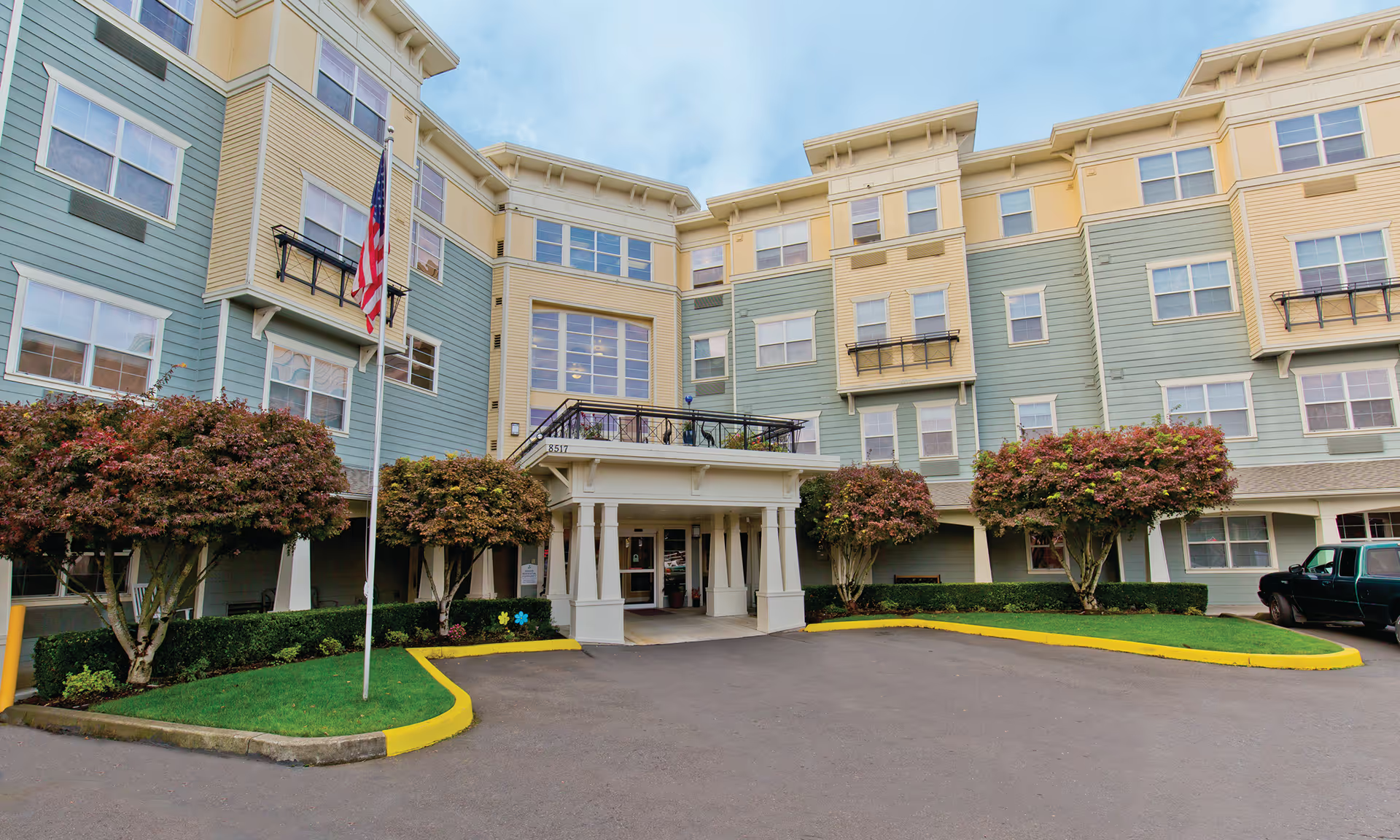
Marshall Union Manor presents as a well-kept urban residential building with several operational strengths. Common areas, including elevators and hallways, are described as clean and well maintained, and groundskeeping and a community garden contribute to an overall home-like atmosphere. Management and maintenance responsiveness is frequently praised for timely repairs and courteous interactions, and rent levels are positioned as standard for the area. The facility’s urban setting and tenant-stability (long-term leases) are perceived as conveniences that contribute to a generally secure environment.
Staff interactions and day-to-day care aspects present a mixed picture. Many reviewers describe friendly, helpful, and professional office and maintenance staff who contribute to residents’ sense of security and comfort. At the same time, there are consistent notes about variability in staff conduct and training; some accounts describe less professional behavior and a need for improved staff courtesy and customer-service skills. Clinical-care specifics (medication management, nursing intensity) are not widely discussed in the available summaries, so prospective residents should ask direct questions about clinical staffing levels and care protocols during a visit.
Facilities and amenities are a relative strength: landscaping, a community garden, clean common spaces, and a secure building layout are cited positively. However, there are operational gaps that affect resident experience. Landscaping practices — particularly the use of gas-powered leaf blowers — are a recurring source of noise disturbance and sleep disruption; noise-management policies and equipment choices appear not to be consistently aligned with resident comfort. In addition, there are reports of exterior litter and occasional safety hazards on adjacent property, suggesting room to strengthen perimeter-maintenance and community-conduct enforcement.
Management and policy enforcement show both praise and concern. While many reviewers commend responsive maintenance and hands-on management, others describe inconsistent application of building rules, spot checks, and enforcement actions. Smoking within units and uneven enforcement of the smoking policy are identified as ongoing issues that affect neighboring residents. There are also accounts of serious exterior incidents that residents associate with gaps in community-behavior oversight; these items point to the need for clearer incident-prevention procedures and more consistent follow-through when problems arise.
Dining and structured activities receive little direct comment in the summaries provided; the presence of a community garden and a home-like environment suggests some opportunities for resident engagement but does not substitute for documented activity programming or meal-service quality. Prospective residents should inquire about meal offerings, activity schedules, and opportunities for personalized engagement to assess fit.
Overall, Marshall Union Manor appears to offer solid facility upkeep, timely maintenance, and many staff who are attentive and courteous. Key areas for improvement are consistent staff training and professionalism, clearer and more uniformly applied enforcement of building policies (particularly smoking), better noise controls for landscaping operations, and stronger exterior-litter and community-conduct prevention. When touring, families should observe staff interactions, ask about enforcement procedures and noise schedules, request information on staff training and clinical-support levels, and, if possible, visit during landscaping activities to assess noise impact firsthand.