Overall sentiment in the reviews is mixed but leans positive: multiple reviewers praise the staff, the breadth of services, and the affiliation with Providence Health Care System, while several operational and clinical-process concerns recur enough to be notable. The strongest, most consistent positive theme is the quality of interpersonal care — reviewers repeatedly describe aides and staff as caring and exceptional, and some say the facility, its people, and the care are wonderful. Social services are singled out as excellent, and the presence of comprehensive medical and care services, including an on-site clinic and transportation assistance for external services, gives many residents and families confidence in the facility’s clinical capabilities and coordination of care.
Care quality and staffing: The reviews present a dual picture. On the one hand, aides and many staff members are described as compassionate and professionally strong, which contributes to very favorable impressions from several reviewers. On the other hand, operational issues undermine responsiveness. An erratic call system and reports of long waits for aides are specific, repeated pain points — these suggest gaps between staff willingness/ability to provide timely hands-on assistance versus structural/technical barriers that delay response. Additionally, limited choice of doctors and nurses and reports that complaints are ignored by clinical staff indicate possible limits in clinical autonomy, responsiveness, or escalation procedures. Some reviewers characterize the facility as reliably providing basic life-sustaining care but imply that more complex or nuanced clinical needs and resident preferences are not always handled to the same standard.
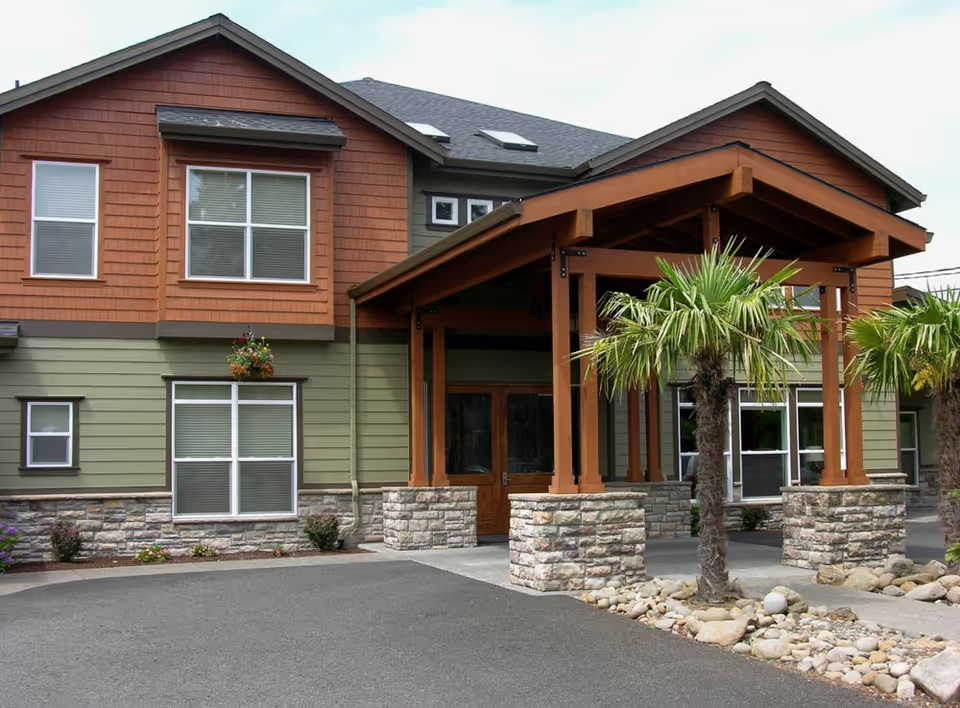
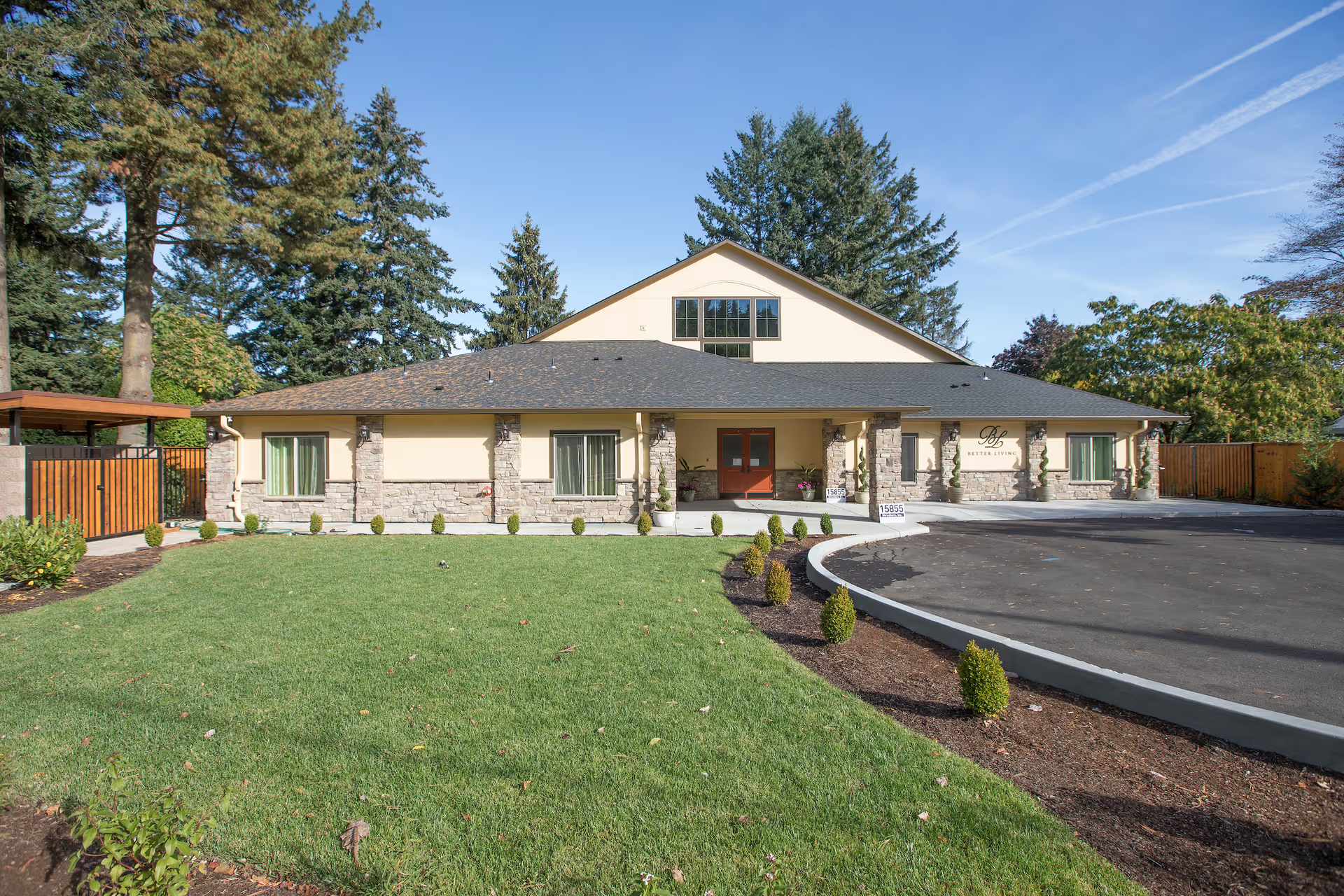
Facilities and clinical services: The affiliation with Providence Health Care System and the availability of an on-site clinic are clear strengths noted by reviewers. These ties appear to create a robust system for coordinated care and a level of trust for many families. However, a notable operational concern is that appointments at the on-site clinic have been scheduled without resident input — a procedural or communication issue that can undermine resident autonomy and satisfaction. Also mentioned is limited choice of outside providers, which may frustrate residents who prefer a particular physician or want more options for specialty care. The physical environment draws fewer explicit criticisms beyond the air conditioning issue; several reviewers mention the A/C being set around 68°F in rooms during summer, which some residents find uncomfortably cold.
Dining and daily life: Dining receives mixed-to-negative comments. Multiple reviews describe the food as fattening and starch-heavy with little fresh fruit or vegetables and limited dining options overall. This pattern suggests the menu may prioritize familiarity and ease of service over nutritional variety and freshness. Because diet is a daily quality-of-life factor, these comments stand out as recurring concerns that contrast with the otherwise positive descriptions of staff and services.
Management, communication, and billing: Communication and administrative issues appear as a theme. Aside from clinic scheduling without resident input and ignored clinical complaints, reviewers note complex payment arrangements. The combination of opaque billing/payment complexity and a perception that some complaints are not taken seriously by clinical staff points to potential weaknesses in transparency and customer service processes. Conversely, reviewers praising the ‘‘very good system’’ and being impressed suggest that many operational structures work well for some residents; the pattern indicates variability in individual experiences rather than universal failure or success.
Net assessment and patterns: In sum, Providence ElderPlace Glendoveer - Portland is viewed by several reviewers as a facility with strong, compassionate staff and a solid clinical backbone through Providence affiliation and on-site services. These strengths are tempered by operational shortcomings that affect day-to-day resident experience: unreliable call response, scheduling decisions made without resident input, menu limitations, some clinical-staff responsiveness issues, and complicated payment arrangements. The reviews point to a facility that can deliver high-quality, attentive care, but where systems and processes (technology for call systems, scheduling and consent practices, dining management, complaint resolution, and billing clarity) would benefit from targeted improvements to make the resident experience consistently excellent for everyone.