Overall impression: Reviews describe a facility with some clear strengths alongside several significant operational concerns. Positive comments focus on personable staff, a generally clean environment, and available on-site rehabilitation services. However, serious themes recur around clinical oversight, management, and value for cost.
Care quality and clinical practices: The dominant clinical concerns relate to medication administration and monitoring. Multiple accounts indicate missed or mismanaged medication doses and delays in attending to resident needs. These descriptions point to weaknesses in medication-management systems and in routine monitoring or rounding practices rather than isolated complaints about individual interactions. Families also raised issues about extended delays in environmental checks, which has implications for both safety and resident comfort.
Staffing and conduct: Staff are frequently described as friendly, but there are also reports raising concerns about conduct and the tone of communication from some employees and supervisors. This produces a mixed impression: frontline caregivers may be courteous in day-to-day interactions, while supervisory or managerial behaviors are perceived as overly forceful or not sufficiently collaborative with families. The combination suggests inconsistent staff training or uneven leadership influence on unit culture.
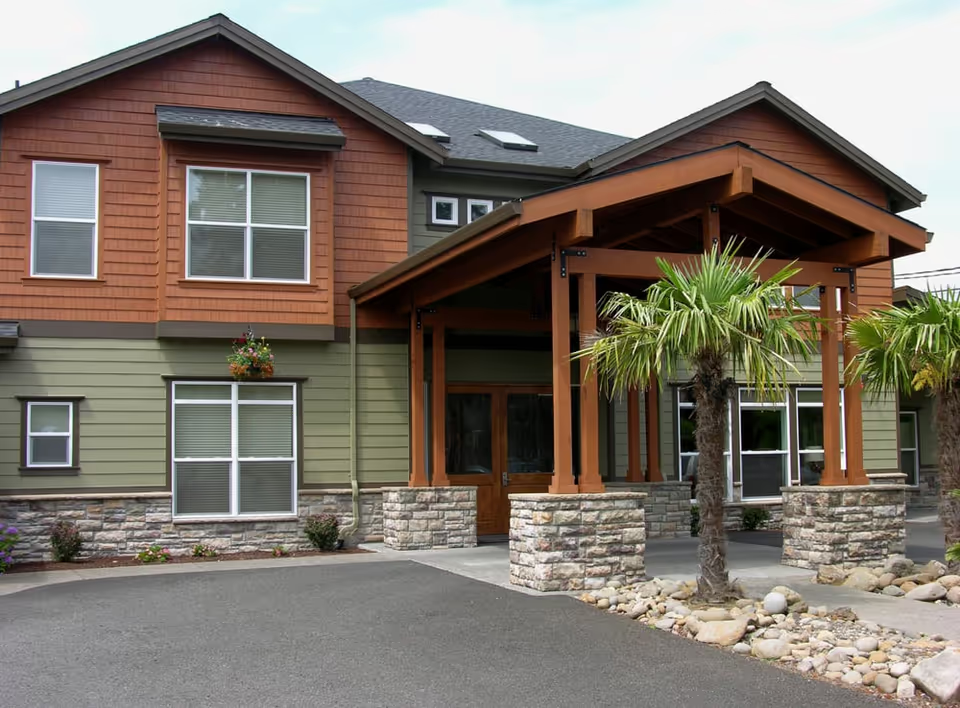
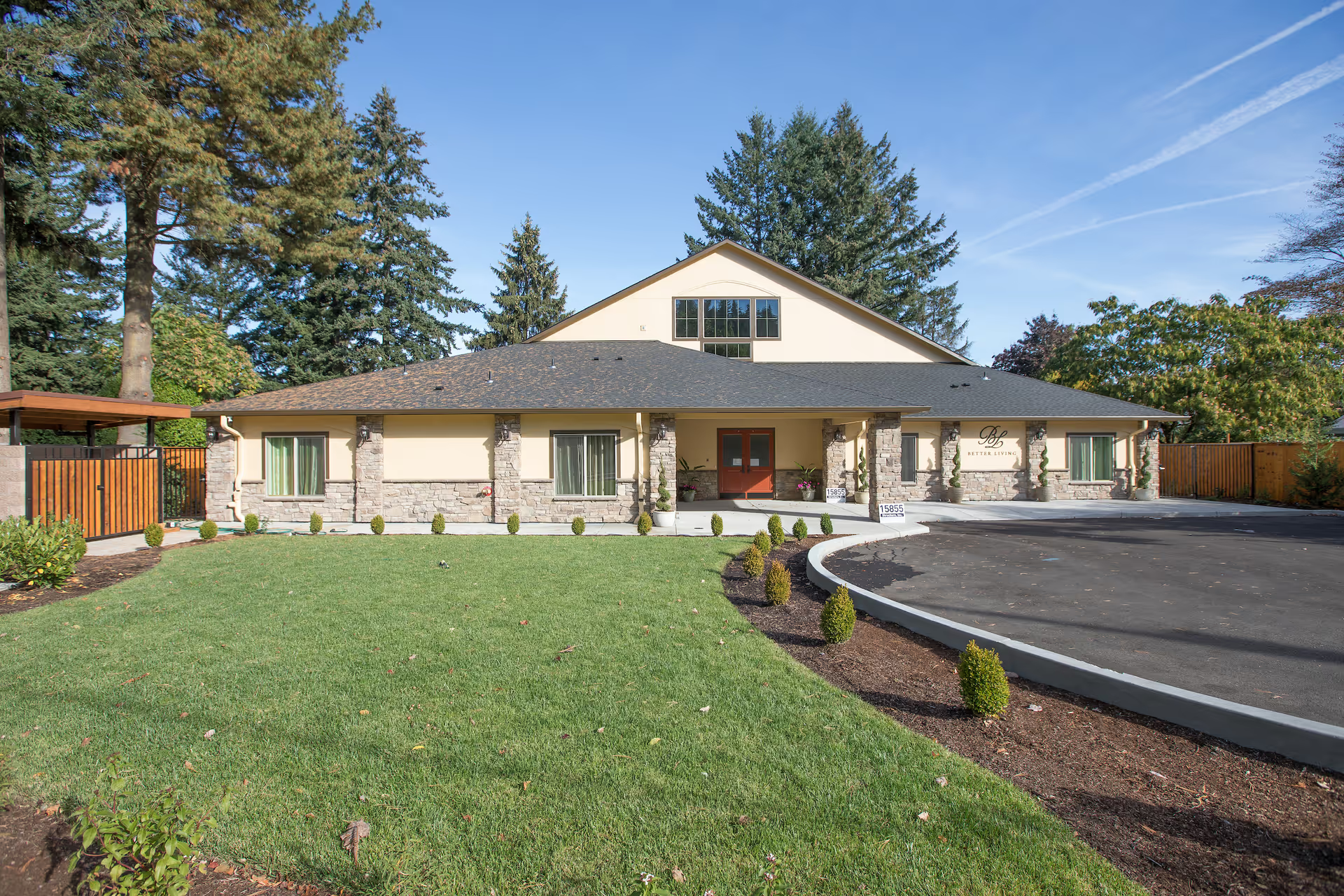
Dining, activities, and amenities: Dining quality appears inconsistent — reviewers note variability in meal satisfaction rather than consistently poor food. Activity programming receives little direct mention in the summaries provided, leaving the scope and engagement level of recreational offerings unclear. Facility amenities are described positively in terms of cleanliness, but room sizes are considered small and private space is limited, which may affect resident comfort and perceived value.
Facility management and compliance: Several comments indicate broader management and compliance instability, including references to regulatory action and a period of facility closure. Combined with concerns about medication systems and staff conduct, these items suggest gaps in administrative oversight, internal quality assurance, and regulatory adherence that prospective residents and families should investigate further.
Notable patterns and guidance for prospective families: The reviews present a pattern of contrasts — courteous staff and a clean physical environment alongside operational shortcomings that affect care continuity and perceived safety. Key decision points for families should include a close review of the facility’s medication-administration protocols, recent regulatory history and corrective actions, staffing ratios and training, and a tour to assess room size and meal service. Requesting documentation of quality-improvement measures and speaking with current family members or ombudsmen may help clarify whether the facility’s strengths are supported by reliable clinical and managerial practices.