The available reviews focus primarily on the facility’s public listings rather than on direct care experience. The dominant pattern is an inability to assess operational quality because online entries lack concrete, facility-level detail. Reviewers expressed frustration with listing accuracy and platform responsiveness, which creates uncertainty for prospective residents and families trying to evaluate care, staffing, services, and costs.
Care quality and clinical concerns cannot be reliably evaluated from the current online material. There are no substantive descriptions of care models, staffing ratios, clinical oversight, medication-management practices, or outcomes; that absence prevents conclusions about day-to-day clinical quality or responsiveness. Given the lack of resident or family feedback in the public listings, it is not possible to corroborate staff conduct, timeliness of assistance, or continuity of care from the summary information available.
Dining and activities are similarly underspecified. Listings use general, positive language but omit concrete details such as sample menus, dietary accommodations, activity calendars, or therapeutic program descriptions. That non-specific marketing makes it difficult to assess nutritional services, meal consistency, social engagement opportunities, or program intensity — all important factors for matching a resident’s needs and preferences.
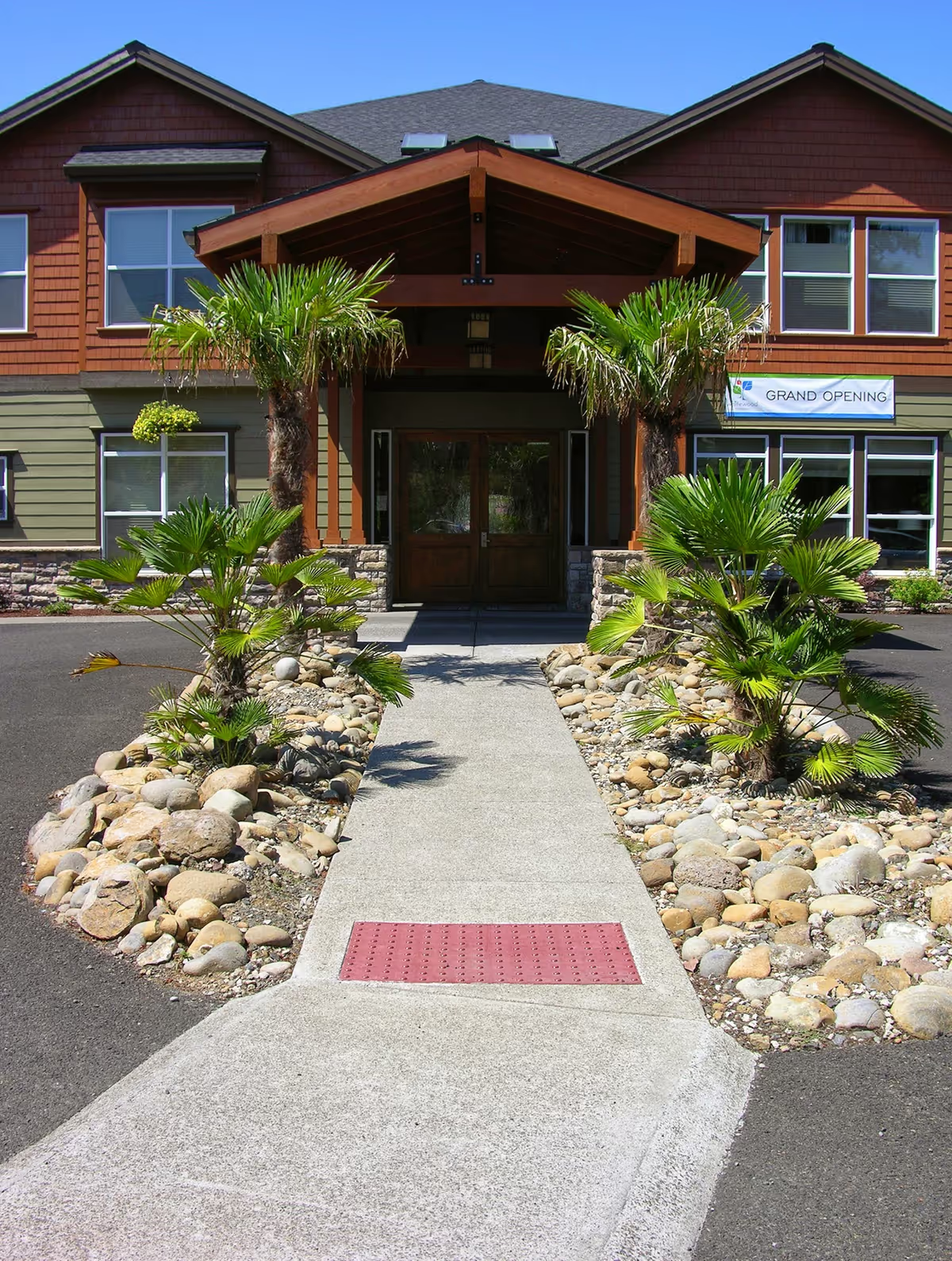
Facilities and physical environment details are also limited. Photographs or basic promotional descriptions do not substitute for operational information such as maintenance practices, accessibility features, safety systems, or sanitation protocols. The absence of verified ratings and third-party reviews further reduces the ability to judge cleanliness, upkeep, and the suitability of living spaces for specific care needs.
Management and accountability emerge as notable concerns in the aggregate feedback. Reviewers cited misleading or inaccurate listings and slow or absent responses from listing platforms, which together suggest weaknesses in how facility information is maintained and verified for public audiences. This pattern indicates a need for clearer verification processes and more transparent communication from management about services, fees, and regulatory status.
For prospective residents and families, the practical implication is that additional due diligence is required before making decisions. Recommended actions include requesting up-to-date written documentation (licensing, inspection reports, staffing ratios, medication policies), arranging an on-site tour, interviewing care staff and administrators, asking for written sample menus and activity schedules, and obtaining references from current families. Verifying claims with state regulatory databases and independent review sites can help mitigate risks introduced by generic or misleading online listings.