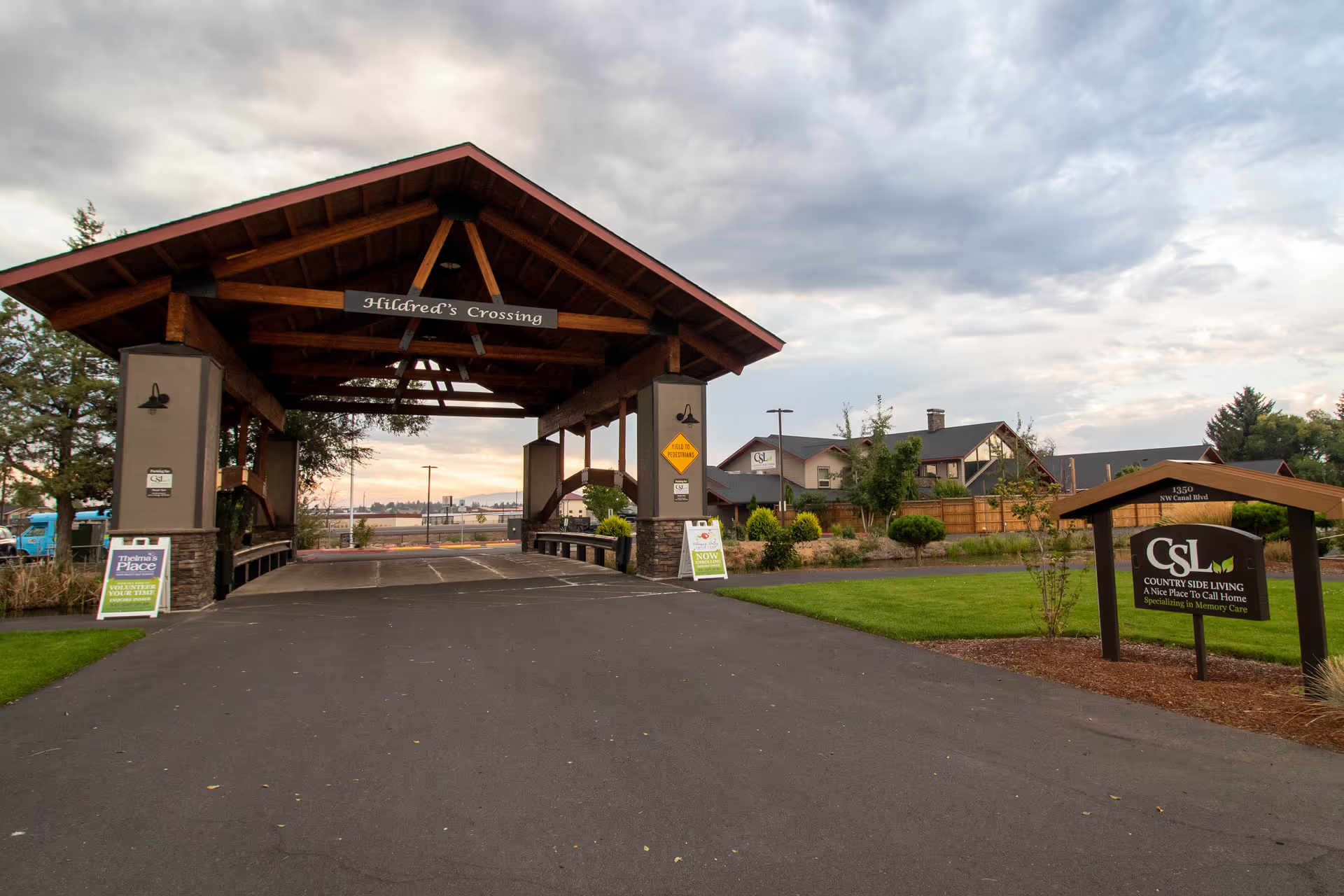
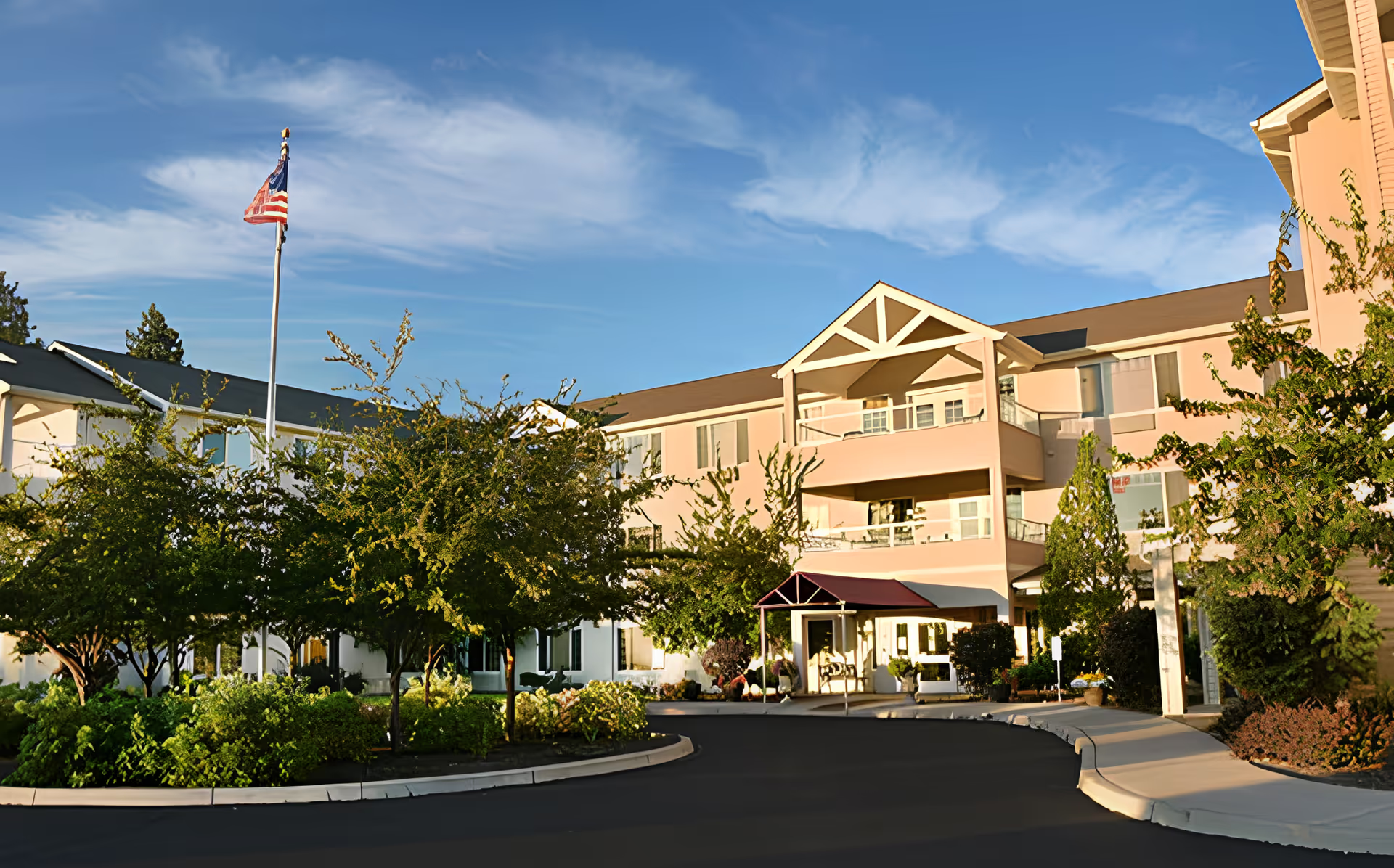
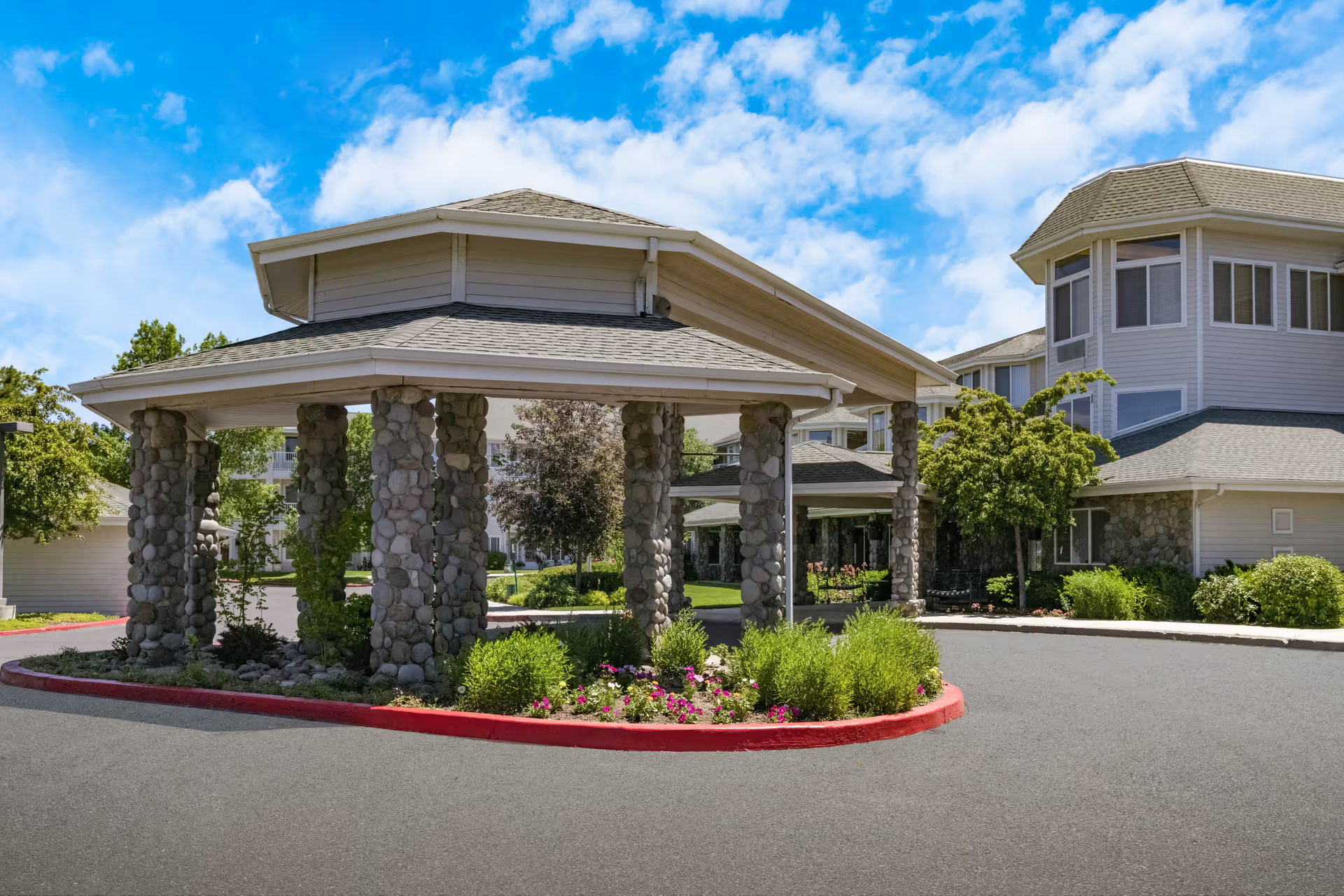
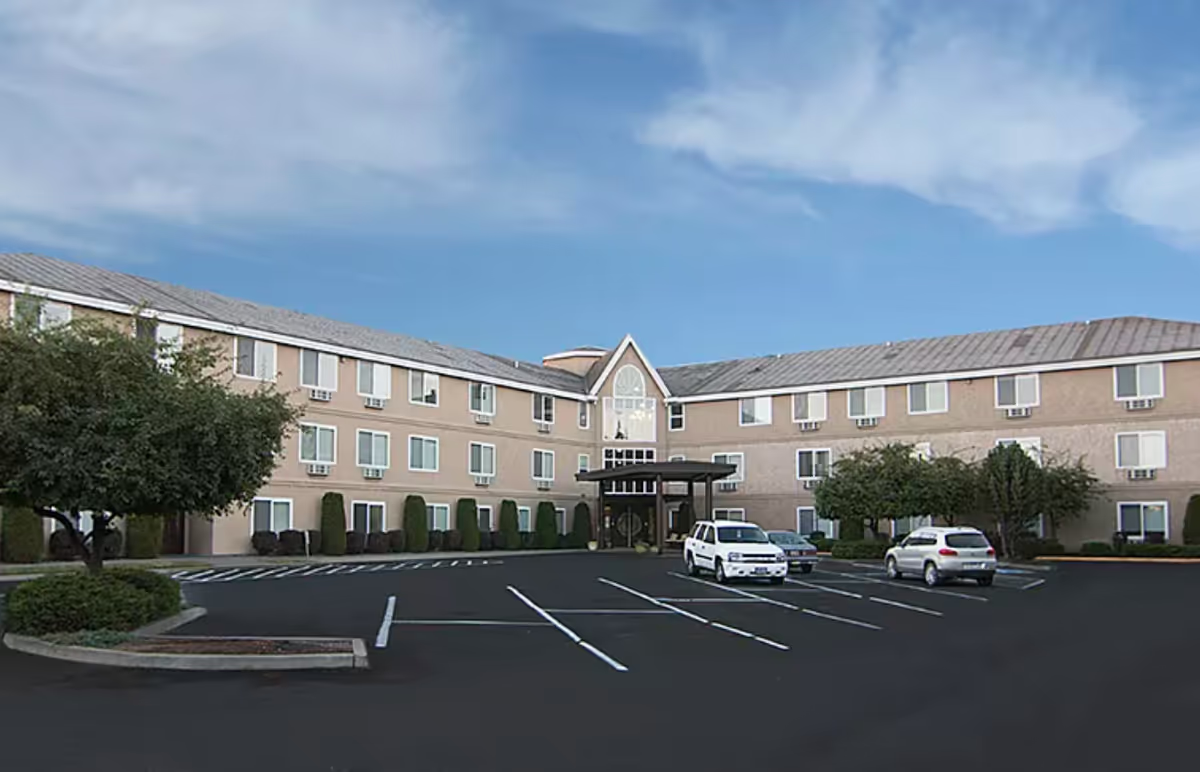
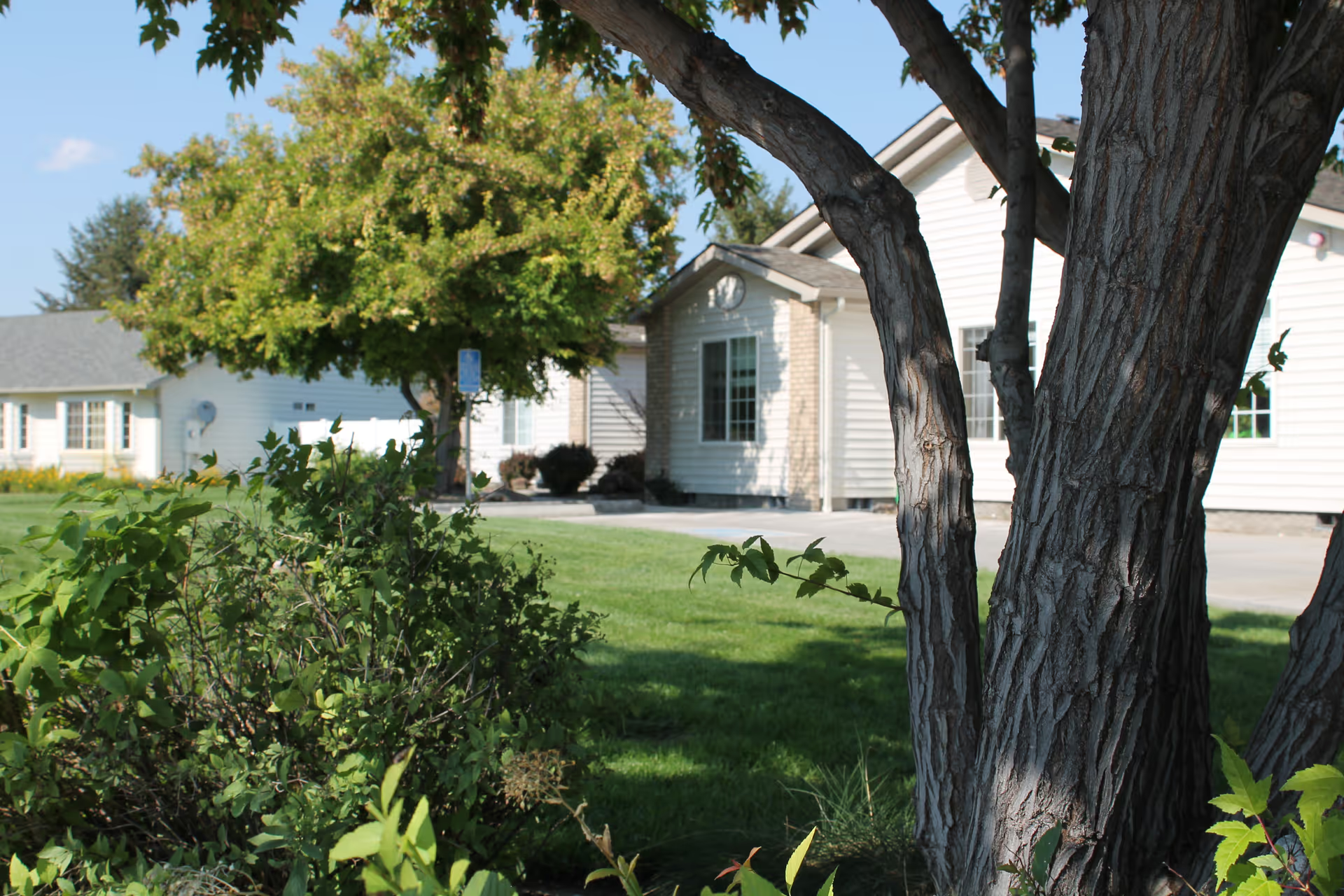
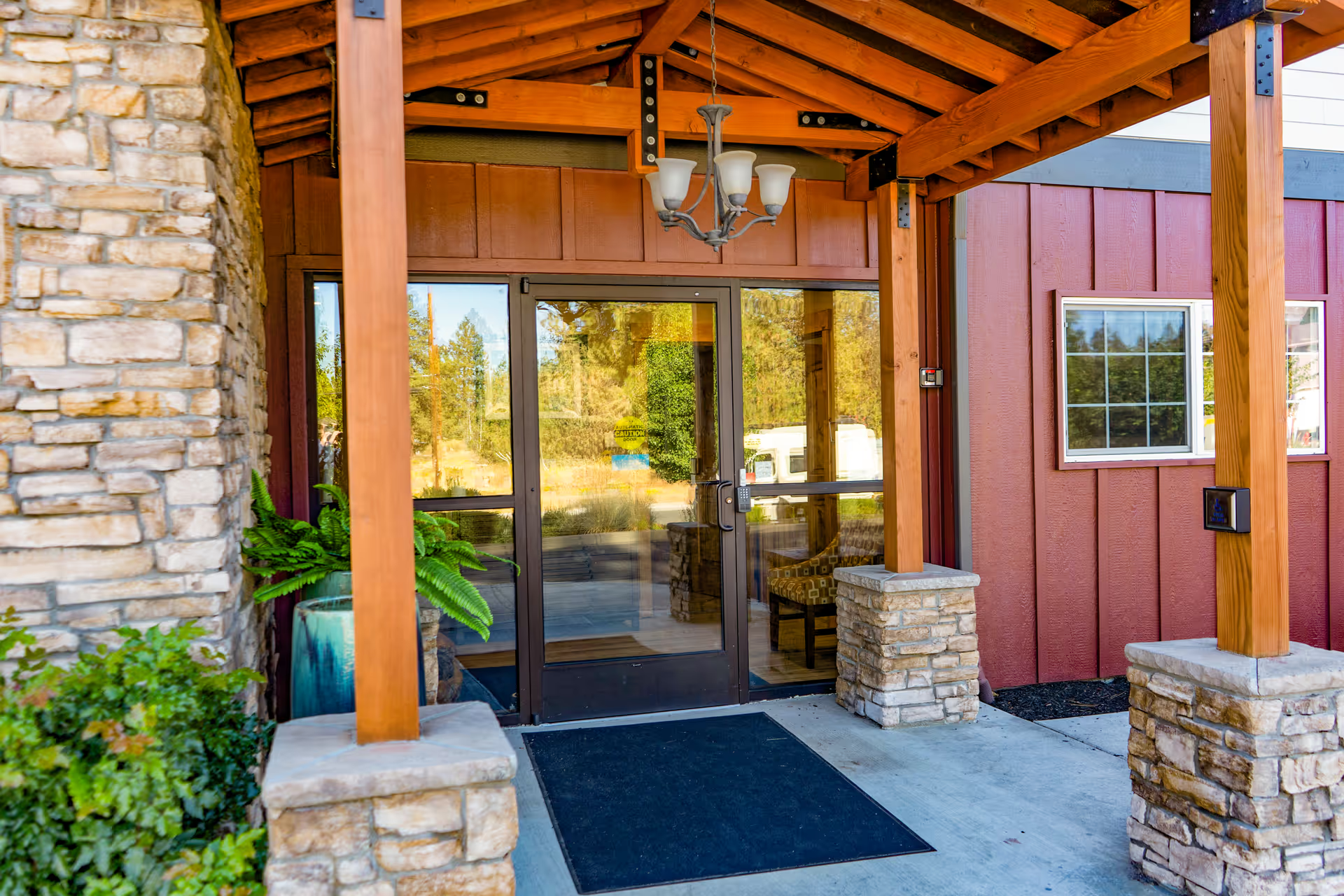
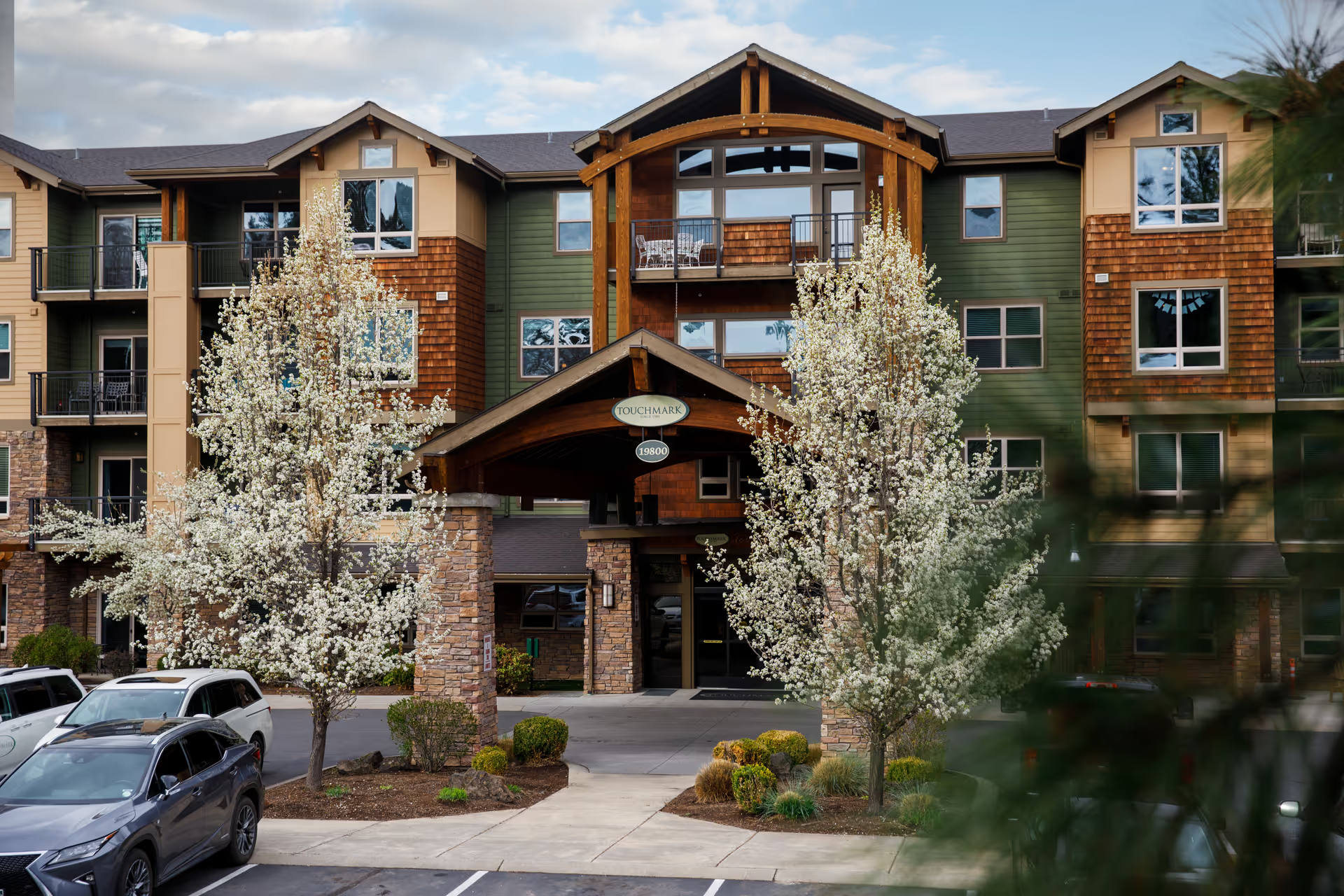
Feedback for this Pacific Living Centers location shows a broadly positive view of interpersonal care and the facility atmosphere alongside a set of operational concerns that have created mixed experiences. Many families praised the staff for being compassionate, upbeat, and family-oriented; leadership figures were specifically named for strong communication and oversight, and several accounts emphasize supportive end-of-life care and helpful memory-care guidance. The campus itself is frequently described as attractive, welcoming, and well maintained in its common areas.
Care quality is characterized by strong relational caregiving and moments of attentive clinical support, particularly around end-of-life and memory-care needs. Families highlighted prompt notifications and regular updates from directors and care coordinators, and reviewers commonly described caregivers as kind, respectful, and willing to exceed expectations. At the same time, there are clear patterns indicating variability in clinical performance: some accounts note slow responses to call systems, delays in attending to resident needs, and inconsistency in nursing responsiveness and oversight.
Facility-level operations show strengths in presentation and general hospitality, but recurring operational gaps were also identified. Cleanliness and room-level sanitation were noted as inconsistent in some instances, and there are concerns about personal-property management and the use and maintenance of protective bedding. These issues point to weaknesses in routine housekeeping protocols, inventory controls, and bedding/equipment procedures rather than a uniform failure across the campus.
Management and communication receive both praise and criticism. Leadership and specific managers are frequently commended for direct communication, family engagement, and a supportive approach. Conversely, there are concerns about the facility's handling of negative feedback and review visibility, and some families described variability in the tone and responsiveness of front-line staff when called. These patterns suggest that while managerial communication is strong at certain levels, consistency in staff training and feedback-management processes could be improved.
There was limited commentary in the collected material about dining and activities; neither strong endorsements nor widespread complaints about programming or meals emerged as dominant themes. Prospective residents and families should weigh the facility's clear strengths in relational caregiving, leadership communication, and campus environment against the operational issues noted above—particularly sanitation consistency, property controls, and response times—when making placement decisions. Asking facility leadership for written protocols on housekeeping, personal-property safeguards, call-response expectations, and staff training may help clarify how these concerns are being addressed.