Overall impression: Reviews indicate a facility with many strengths around interpersonal care and community life, alongside several operational areas families should clarify before placement. Positive feedback centers on staff compassion, a welcoming resident population, and multiple shared spaces that support social engagement. At the same time, recurring operational concerns — especially around staffing consistency, maintenance of older areas, and unit-size limitations — appear frequently enough that prospective residents and families should ask direct questions during tours.
Care and staff: Many families praised caregivers, nurses, and leadership for compassionate, hands-on attention and for going above and beyond. Admissions and marketing personnel (named positively by several families) are described as informative and helpful during move-in. Conversely, reviewers also described episodes consistent with understaffing, high turnover, and delays in responsiveness; these suggest variability in day-to-day staffing levels and in the timeliness of assistance. There are also noted gaps in how clinical incidents and adverse events are communicated to families, and at least one reviewer raised concerns following a resident's death — families should therefore probe staffing ratios, on-call coverage, and incident-communication protocols.
Dining and programming: The dining room and common dining experience receive favorable comments for cleanliness, spaciousness, and flexibility in meal options. Some feedback indicates good value and accommodating meal availability, while other comments describe inconsistent food impressions and variability in activity consistency. Activity offerings are a clear strength in many accounts: dedicated activity spaces, resident-led programs (watercolor, bible study, bingo), and organized outings to stores appear regularly. However, a portion of reviews note inconsistent scheduling or a lack of regular outings, so confirm current activity calendars and participation levels.
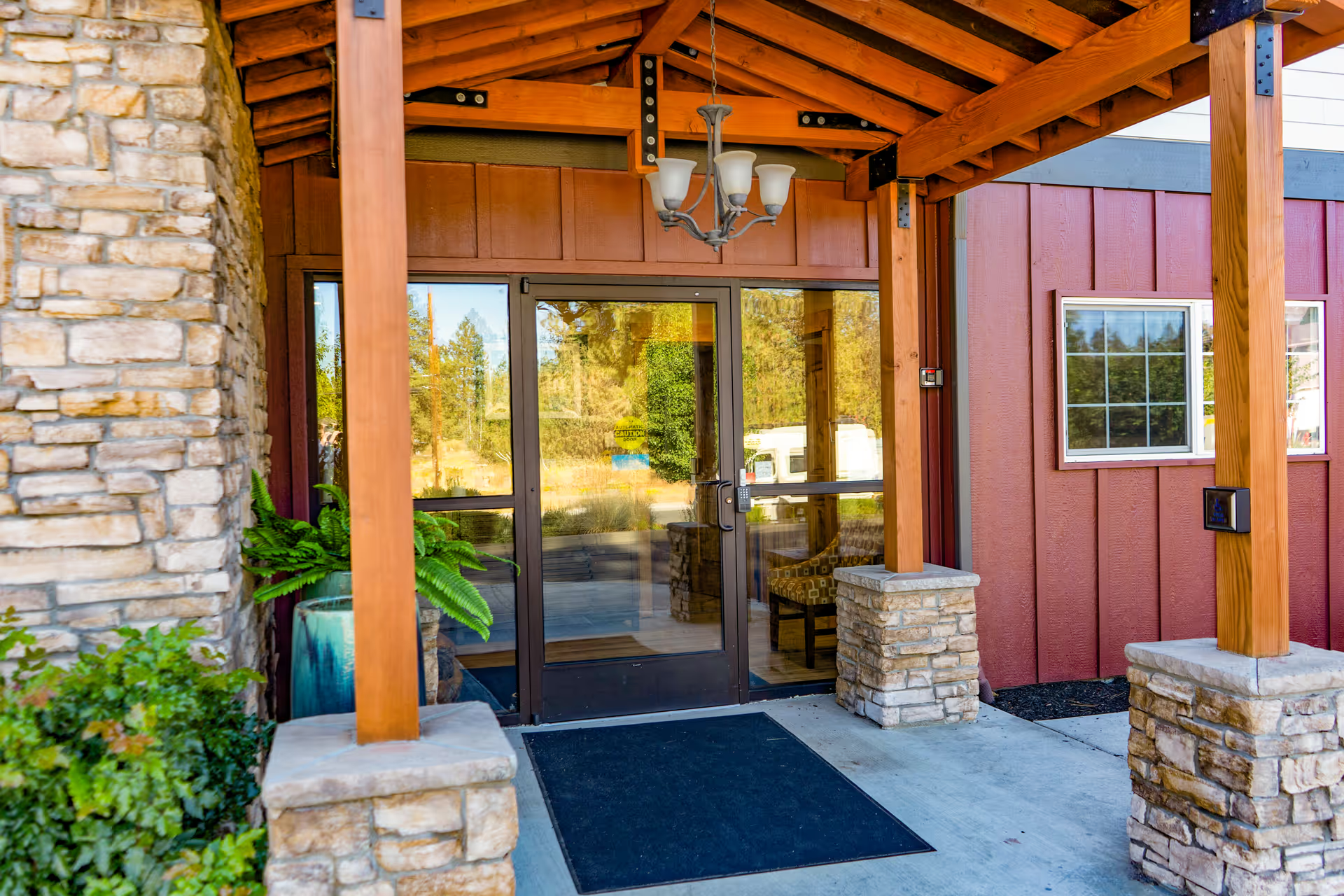
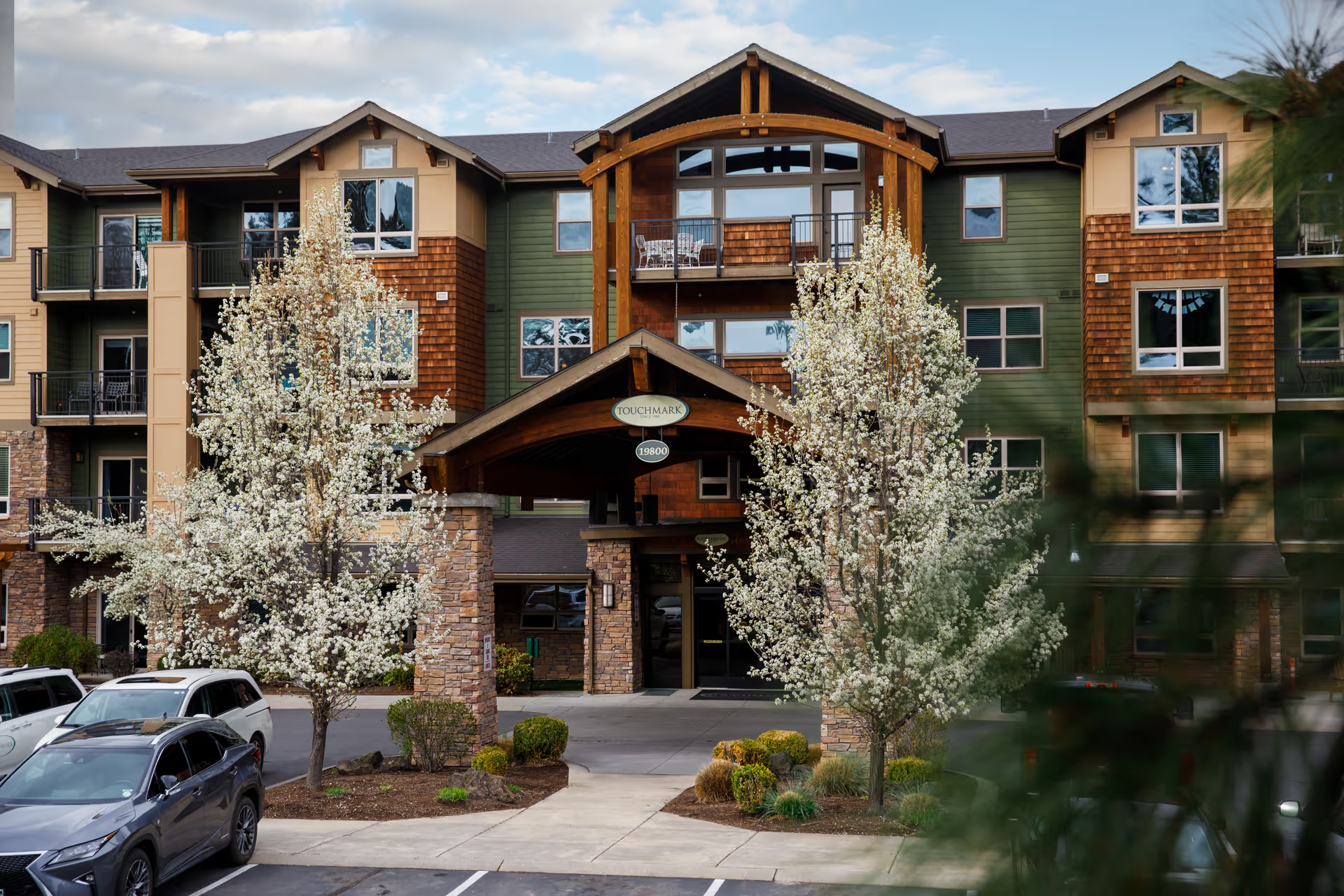
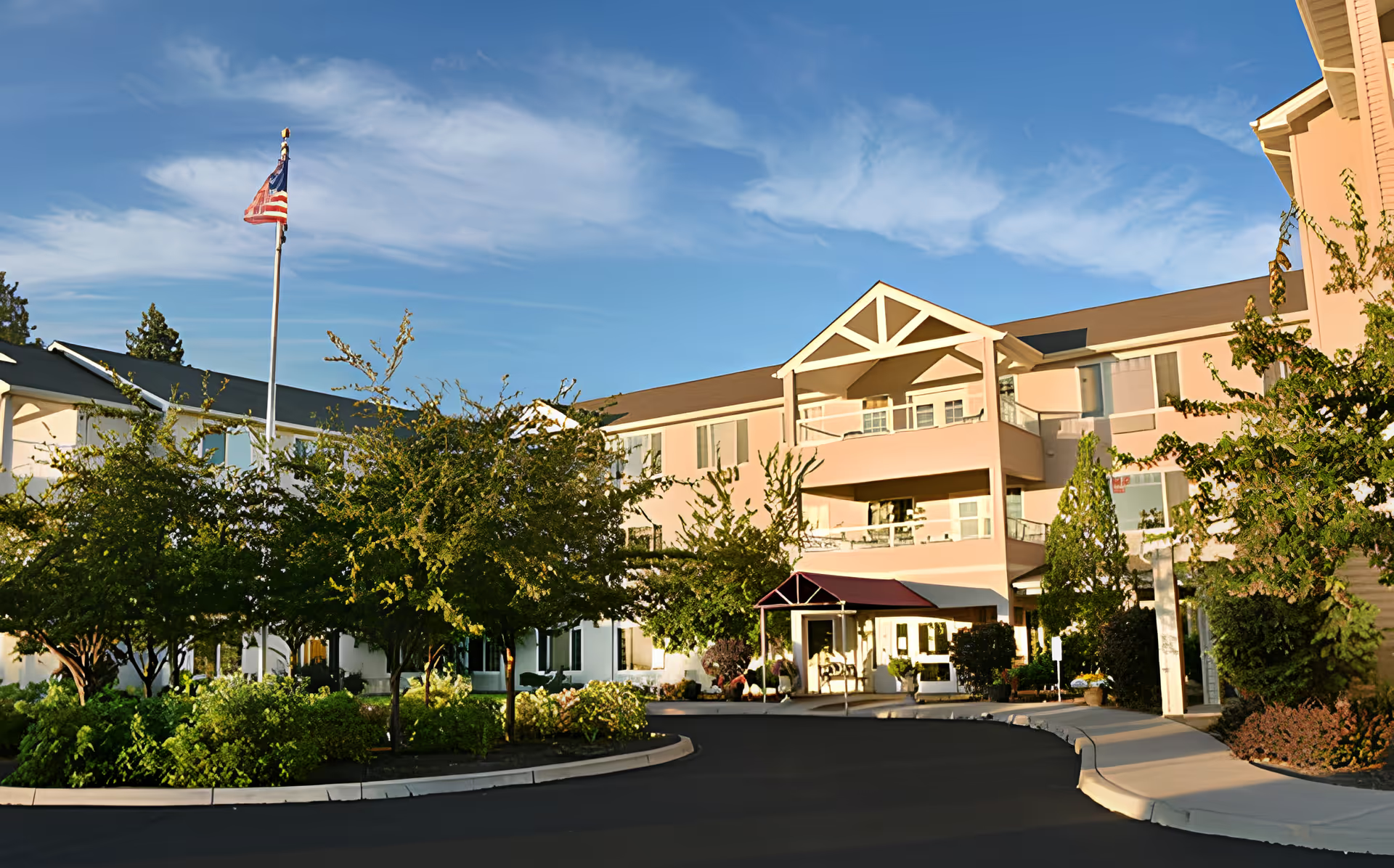
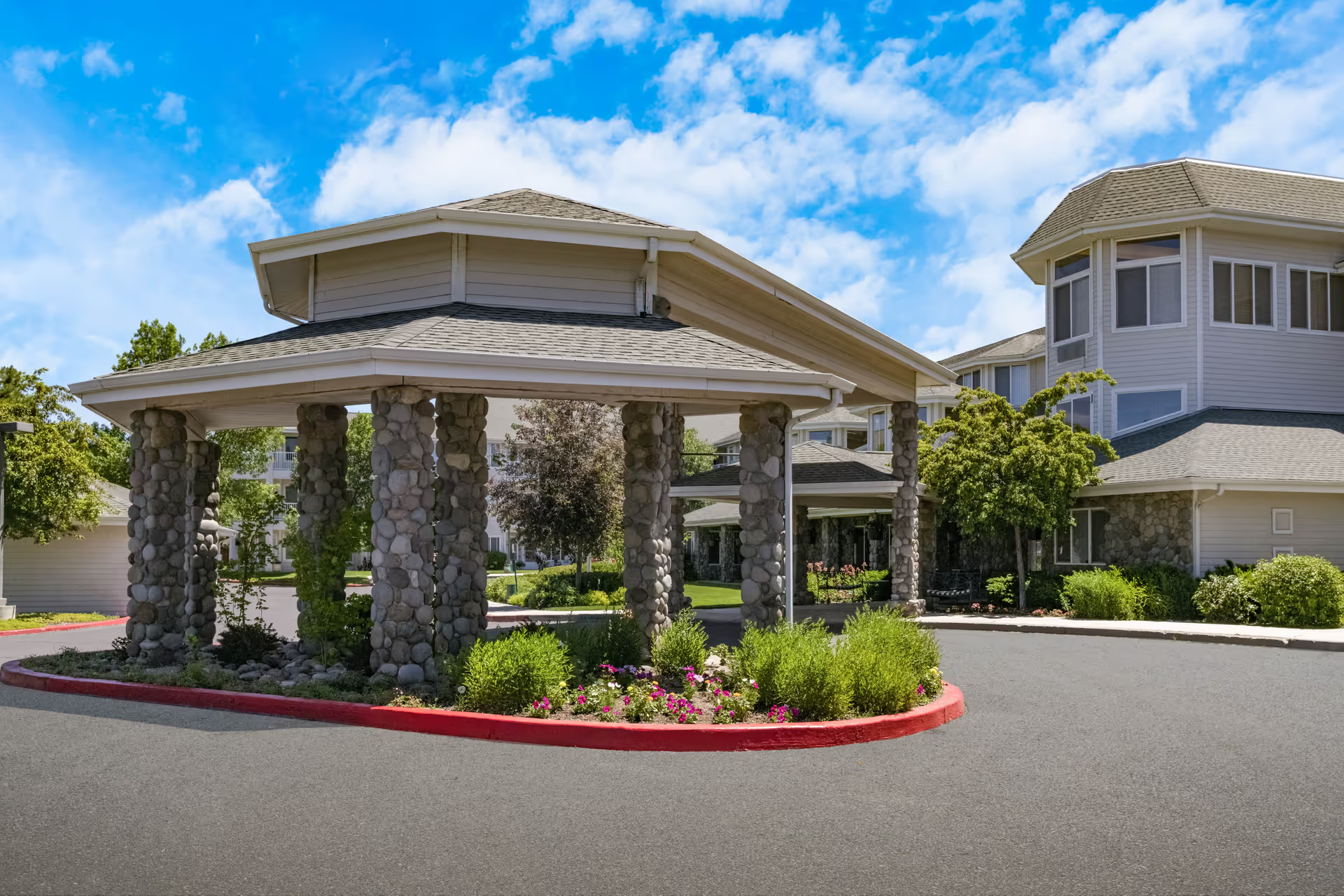
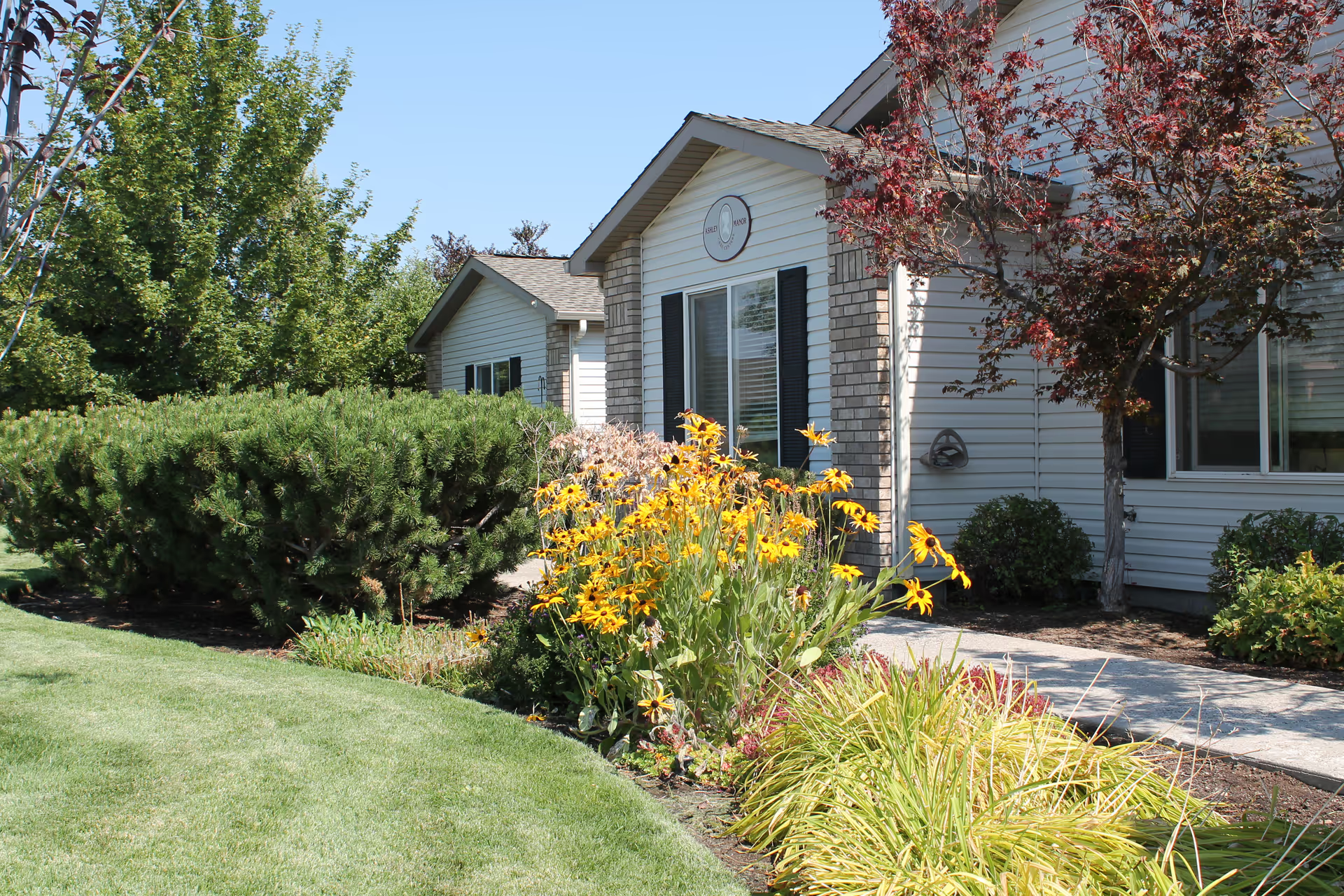
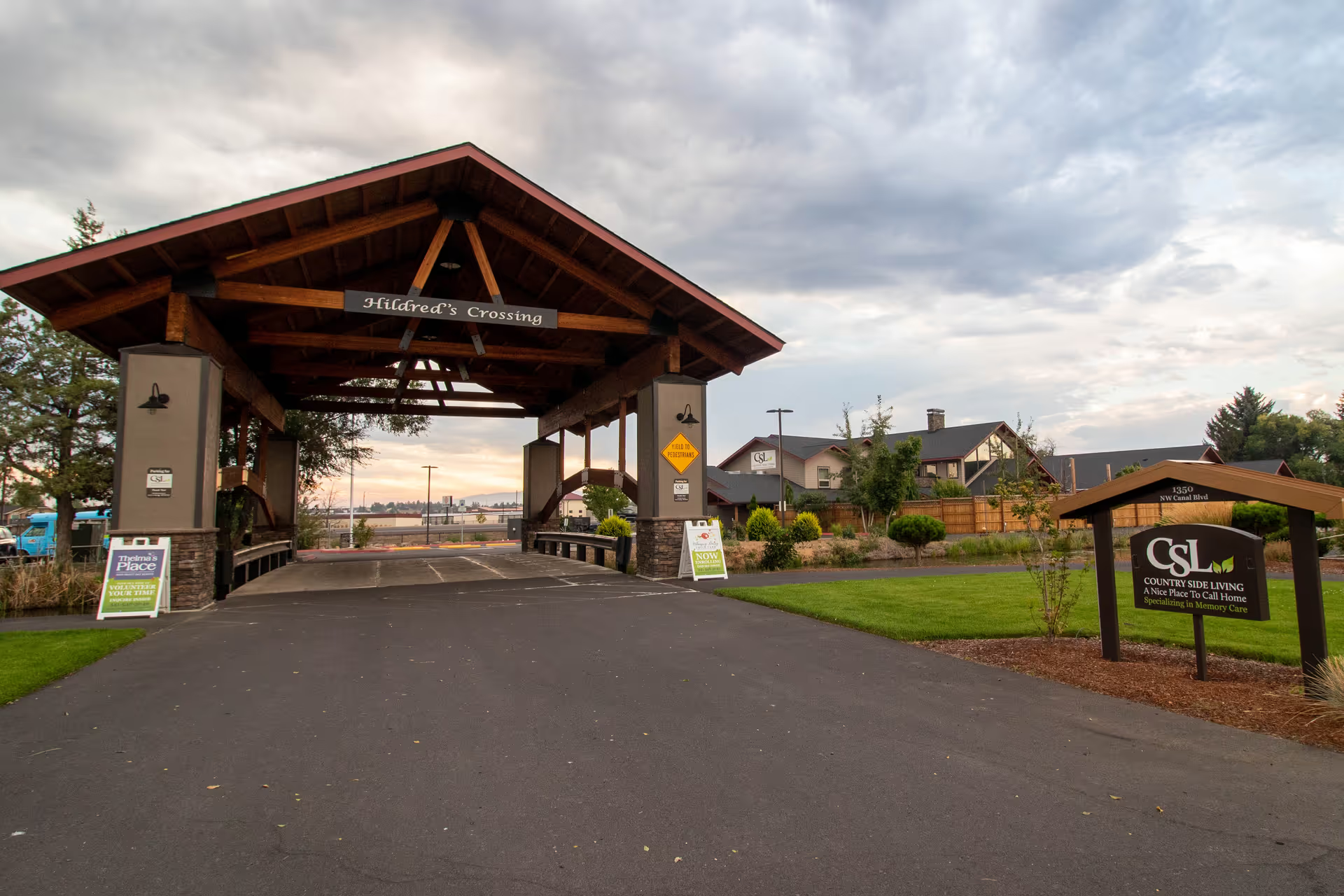
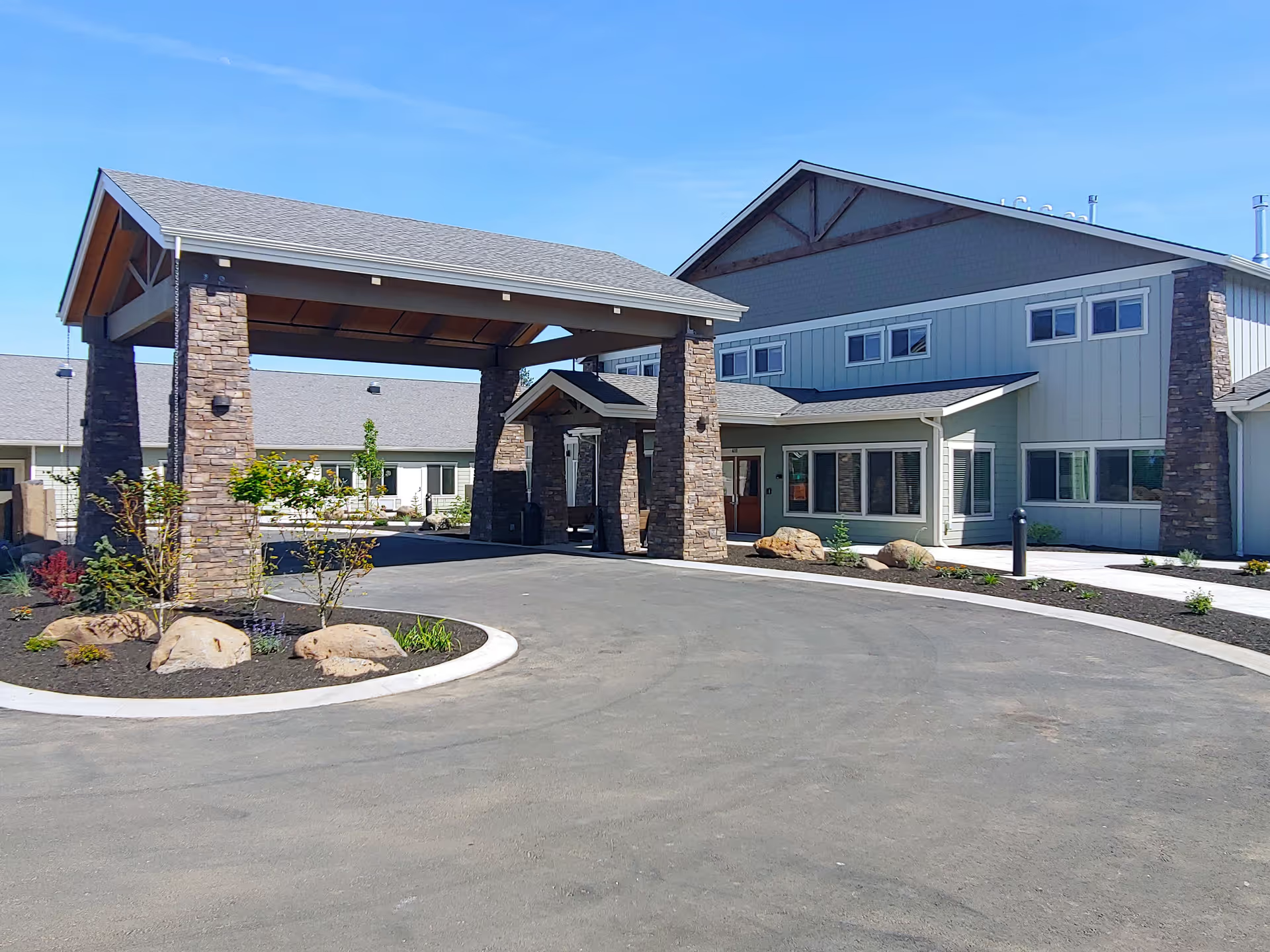
Facilities and accommodations: Grounds, courtyards, and renovated lodge-style areas are frequently praised for being attractive and homey. At the same time, reviewers cite uneven maintenance between renovated and older parts of the building, occasional odor or sanitation concerns in specific units, and generally small apartment footprints. Some units lack kitchens and have compact layouts, which may limit independence for residents who expect full in-unit amenities. Private rooms and stated capability for higher-acuity or ICU-level care are positive operational features to verify during intake.
Management and value: Leadership and several individual administrators are described as accommodating and responsive, with families noting strong follow-up during move-in. Pricing perceptions are mixed: some reviewers describe competitive respite or daily rates, while others found overall monthly costs high for their budget. Prospective residents should request a detailed fee schedule and compare what services are included versus billed separately.
Notable patterns and guidance: Strengths cluster around a warm, family-oriented culture, engaged residents, numerous communal spaces, and attentive staff members. Weakness patterns cluster around staffing consistency, incident response and communication, facility maintenance variability, and unit size/amenity limitations. Before committing, families would be well served to (1) confirm current staffing levels and turnover rates, (2) review recent incident-communication and infection-control policies, (3) tour multiple unit types to assess layout and sanitation, (4) request a current activities calendar, and (5) obtain detailed pricing and contract terms. This will help match the facility's clear social and care strengths with a prospective resident's clinical needs and lifestyle expectations.