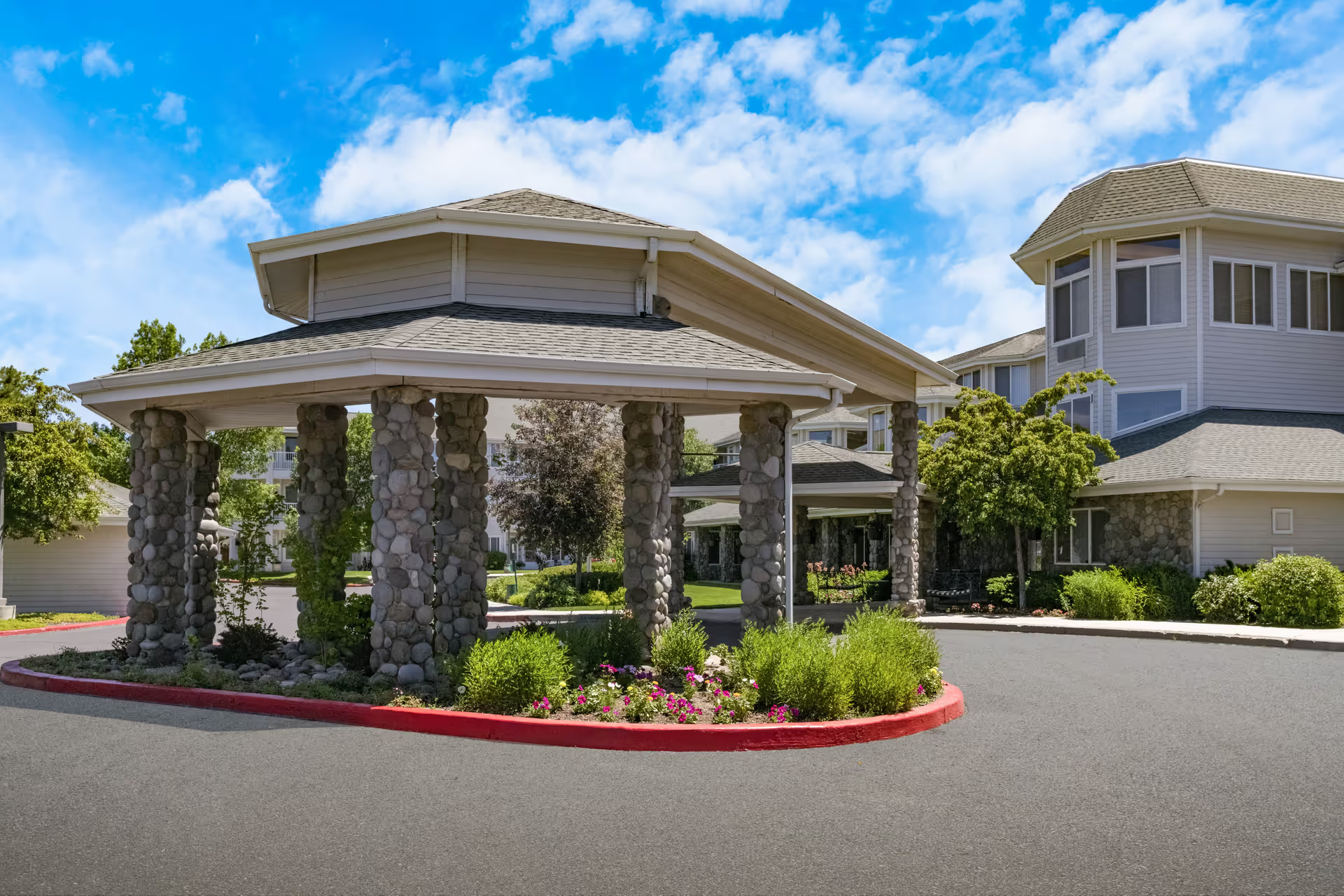
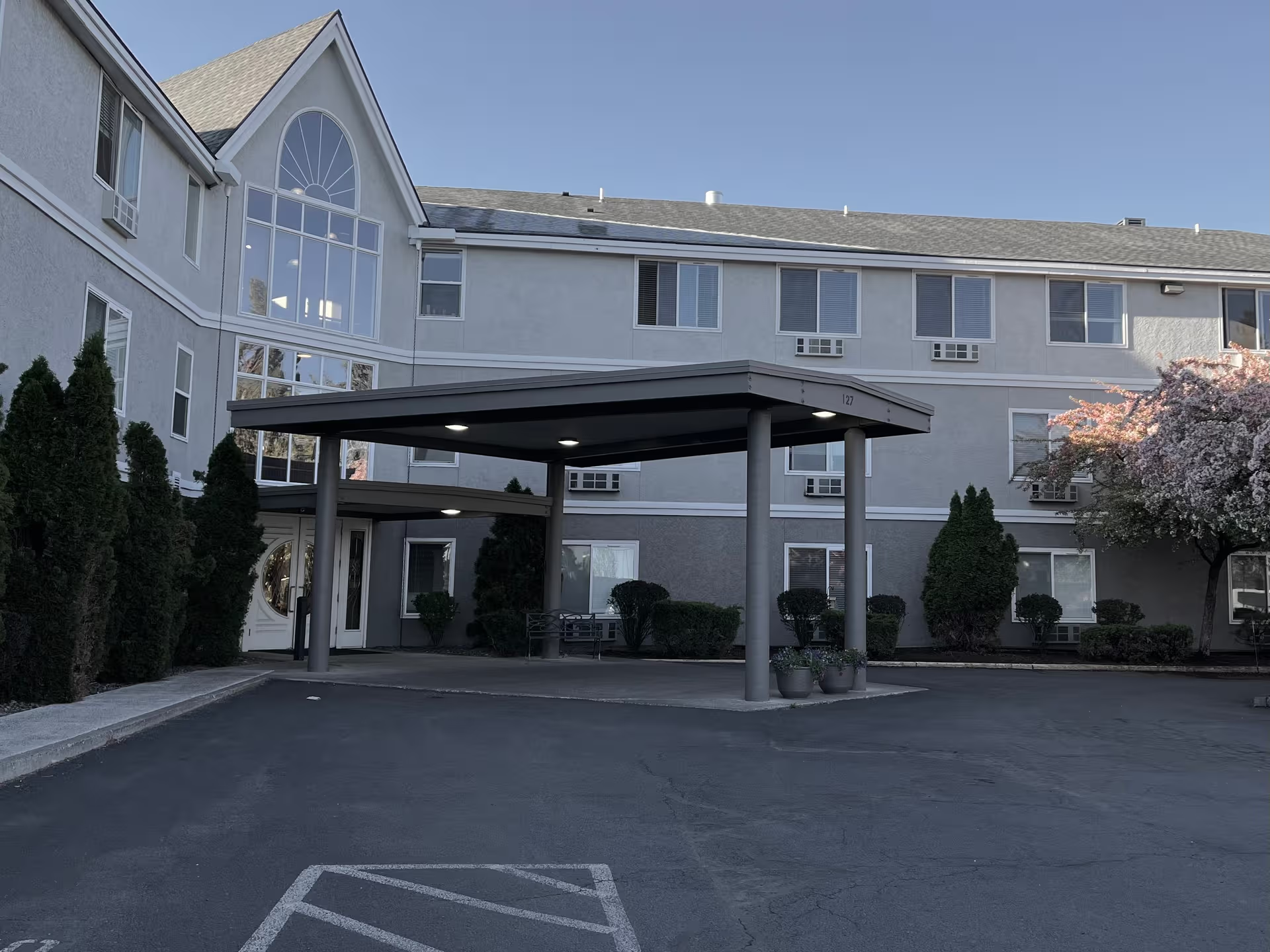
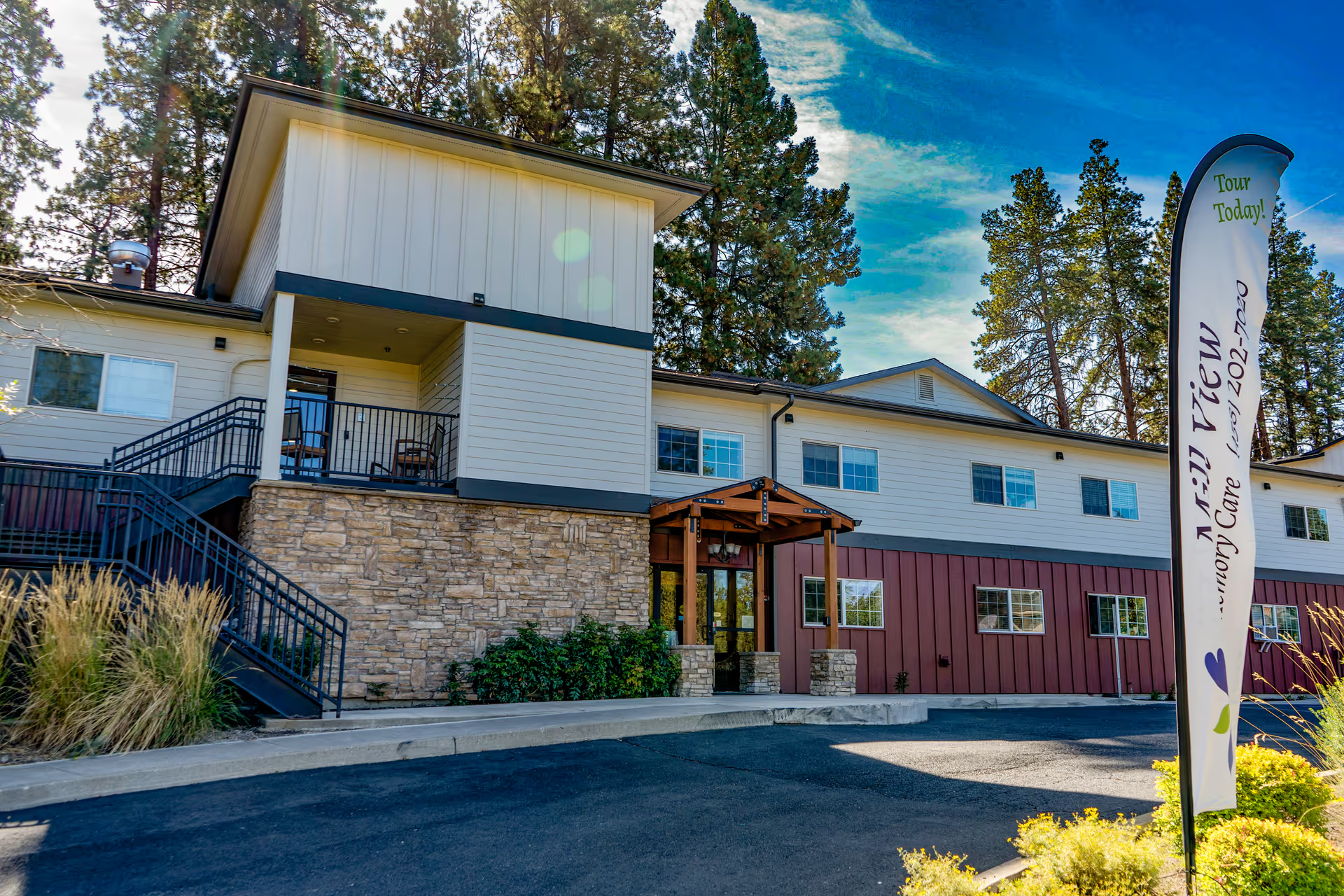
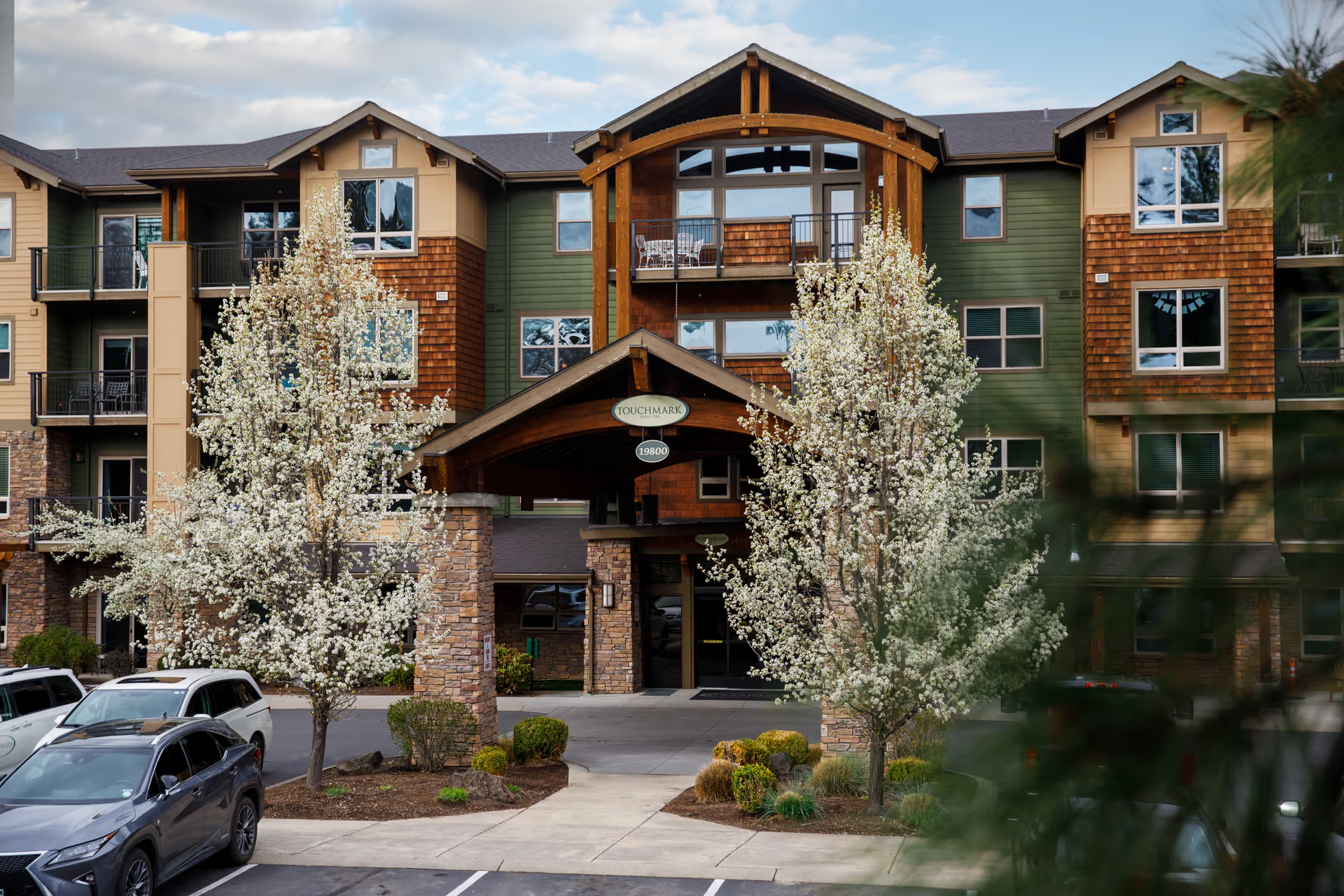
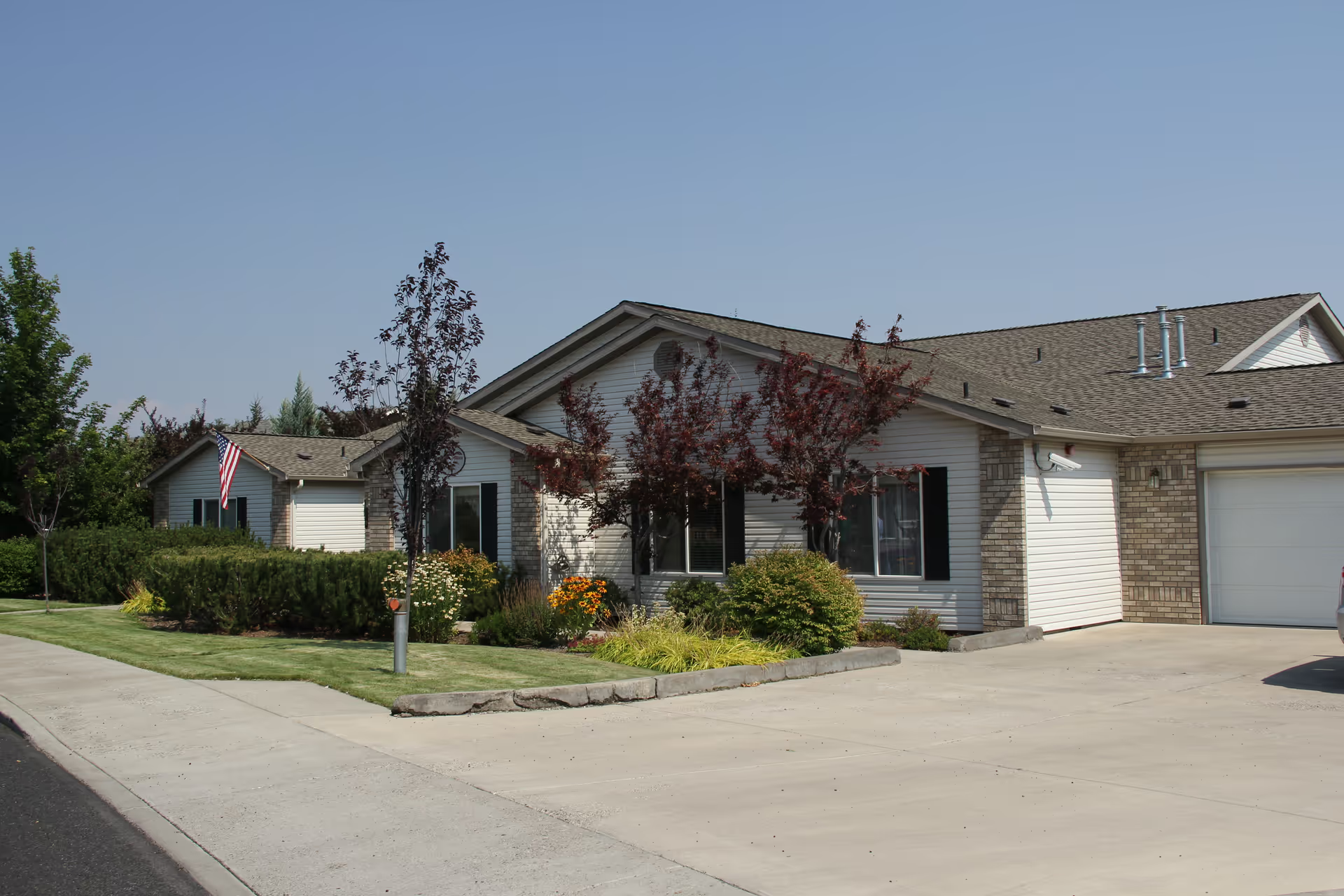
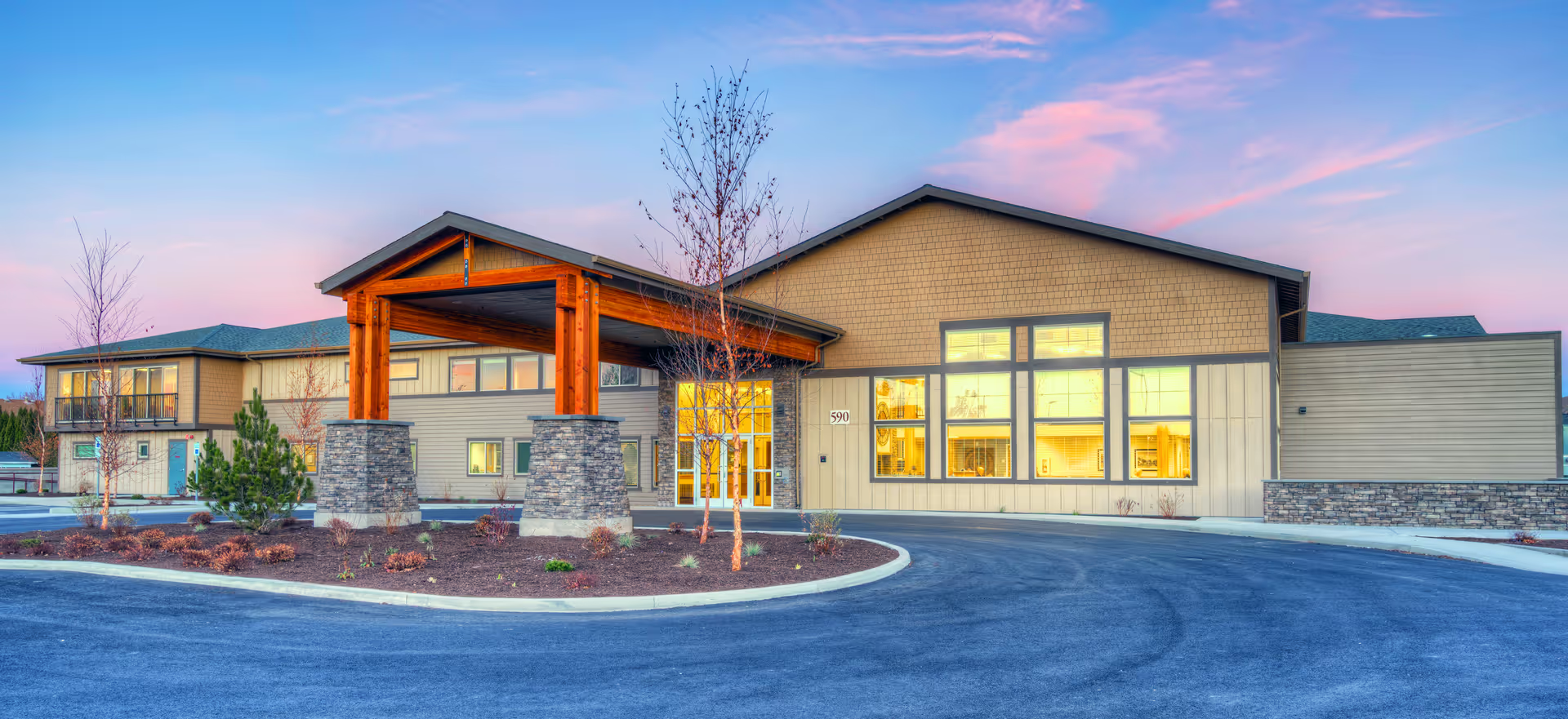
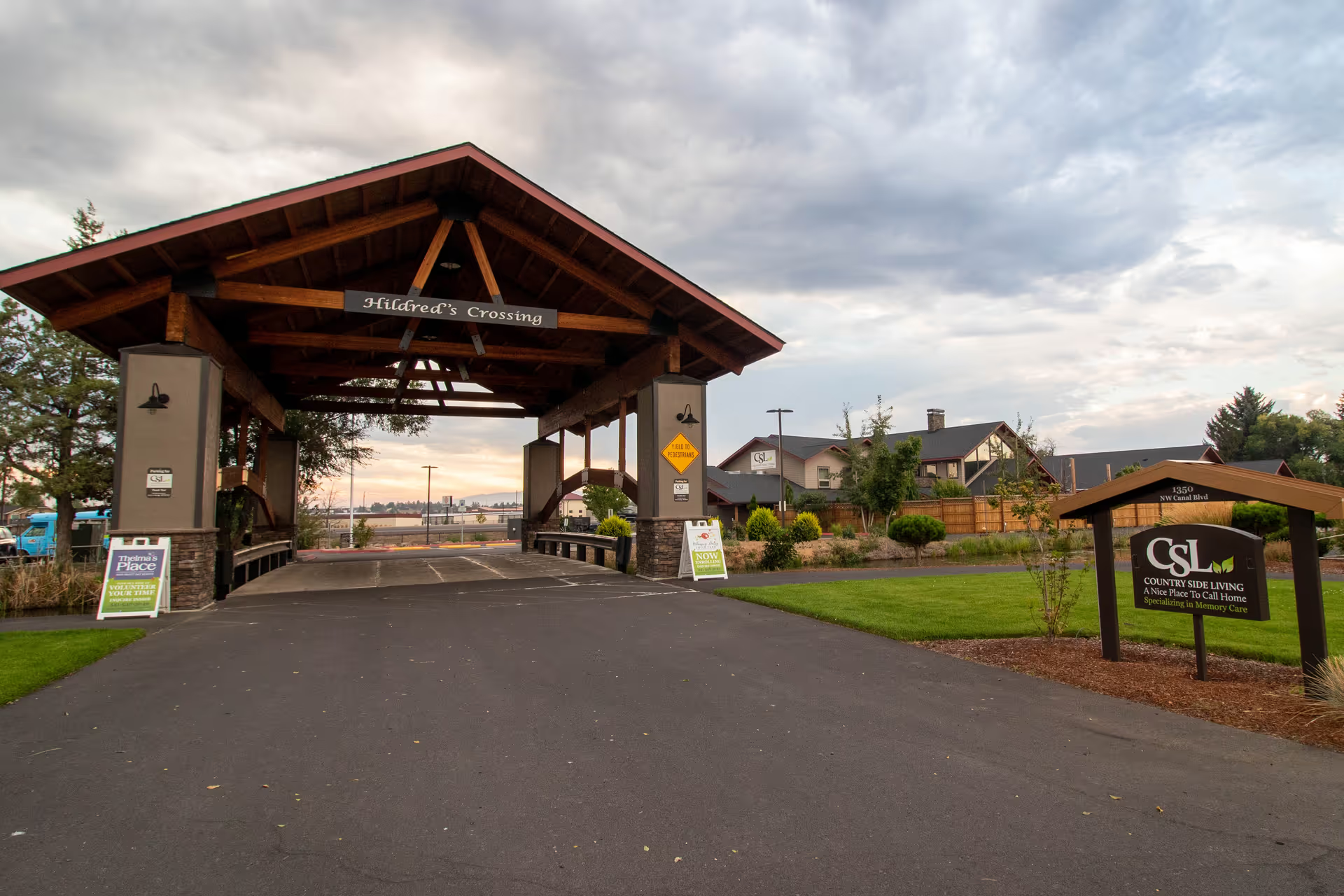
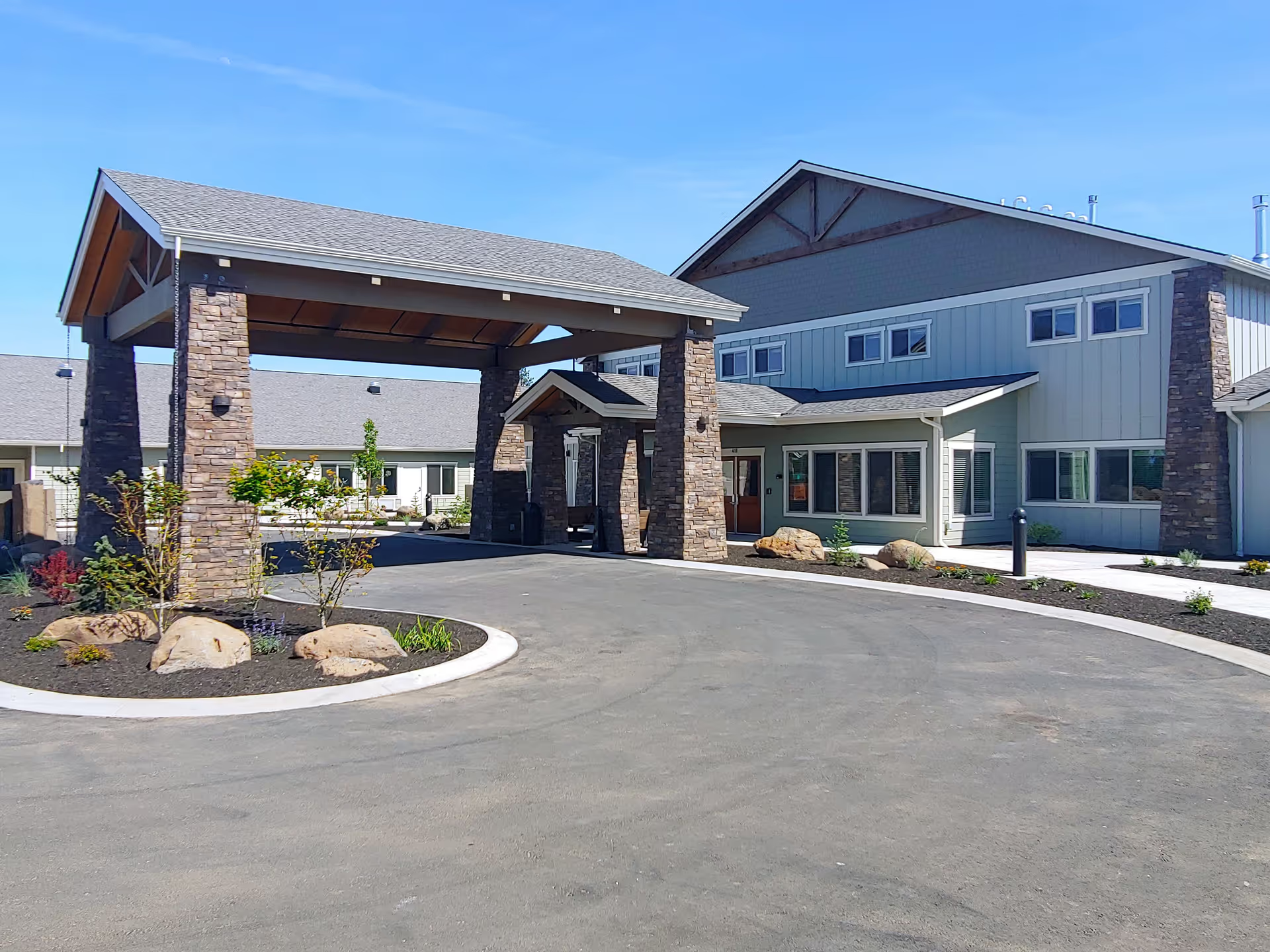
Overall impression: Fox Hollow presents as a well-kept, mid- to upper-tier independent and assisted living community with a consistently praised caregiving culture. Families and residents frequently highlight warm, welcoming interactions at admission and at the front desk, and many describe staff who are prompt, remember names, and provide personable daily support. Facility upkeep and apartment layouts receive positive mention, and the hillside/premium location and inviting common areas contribute to an attractive campus feel.
Care and staffing: Direct care staff and aides are the strongest consistent asset; reviewers emphasize compassion, patience, and attentiveness for ADL assistance such as showers, laundry, medication administration, and appointment support. Nursing coverage and hospice availability are also available on site or on call. That said, reviewers indicate variation in clinical bedside manner and occasional inexperience among newer staff members, and there are operational signs of turnover that can affect consistency. Families seeking robust memory-care services should note that on-site dementia capability is limited or emerging, and the community may not be suitable for residents with advanced memory needs without further evaluation.
Dining and nutrition: Dining is widely described as nutritious and well-prepared, with multiple entrée options and an inviting dining room environment. The culinary program is characterized as good but not gourmet; reviewers note the absence or limitation of self-service stations (salad/fruit/bread/soup bars) and describe the menu as more practical than upscale. COVID-era infection-control practices have reduced self-service flexibility, which some families see as a drawback. Special-meal coordination and chef engagement with residents are positive features for those who prioritize regular, restaurant-style dining.
Activities and social life: Activity programming is a clear strength for many residents. The community offers a lively calendar that includes bingo, movie nights, daily exercise, poker, and scheduled off-site outings via a facility bus. Large activity spaces and posted schedules support engagement. A pattern emerges, however, where the perceived breadth and frequency of programming vary: some families describe robust, daily opportunities, while others find offerings limited or not well explained during sign-up.
Facilities and apartments: Common areas and dining/activity rooms are often described as open and pleasant; apartments and courtyards receive favorable comments for cleanliness and comfort. Practical limitations include smaller in-unit storage, absence of full kitchens, no bathtubs in some units, and limited walk-in closet space — factors that matter for residents who expect more residential-style apartment amenities. The community is pet-friendly and provides convenient apartment-level features such as microwaves and refrigerators.
Management, billing, and communication: Leadership and admissions staff receive positive mention for being helpful and informative, and billing is described as itemized and transparent. At the same time, pricing is perceived as premium and families should budget for additional ancillary fees (for example, communications lines or extra services). Communication patterns with families and outside providers are mixed: reviewers note effective on-site communication in many cases, but also document gaps in family updates, occasional miscommunications coordinating with external agencies or hospice, and sporadic issues with hospital transport coordination.
Notable patterns and guidance for prospective families: The community is best-suited to residents who value empathetic caregiving, steady activity programming, and a clean, comfortable facility in a premium location. Prospective residents should assess memory-care needs closely, clarify the schedule and variety of activities available, and review the fee schedule for ancillary charges. Families who prioritize fine-dining-style meals, extensive in-unit storage or full kitchens, or advanced dementia services may need to consider alternatives or verify upcoming expansions in memory-care capability. Overall, the dominant themes are strong personal care and community warmth balanced against operational trade-offs in pricing, specialized clinical services, and some variability in communication and staff experience.